Fade vs Taper: What’s the Real Difference in Men’s Haircuts?

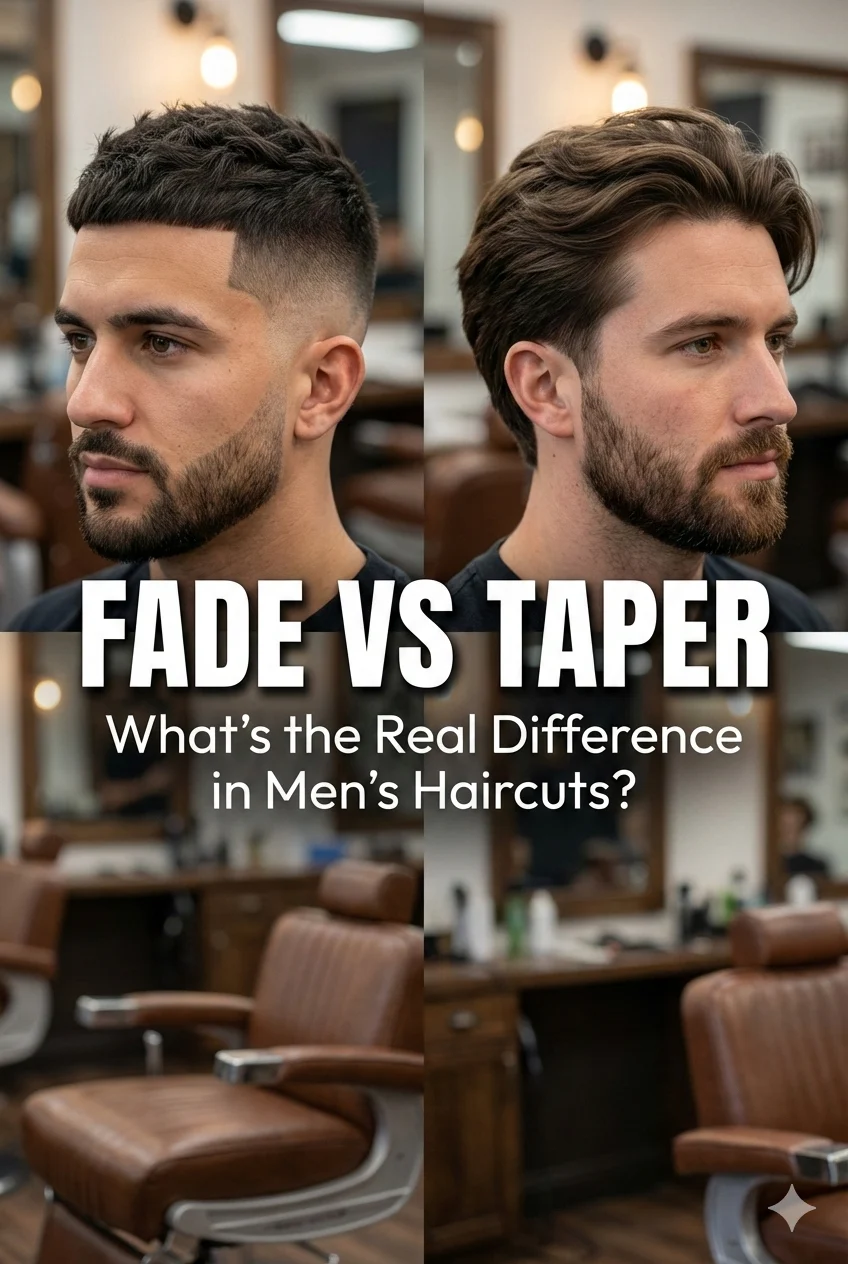
Whenever I visit the barbershop, I hear people debating, “Should I get a fade or a taper?” At first, even I mixed them up, thinking they were almost the same. But after trying both, I realized each cut has its own look and vibe. If you’re stuck choosing, let me help clear things up with my personal experiences and some easy comparisons.
What Is a Fade?
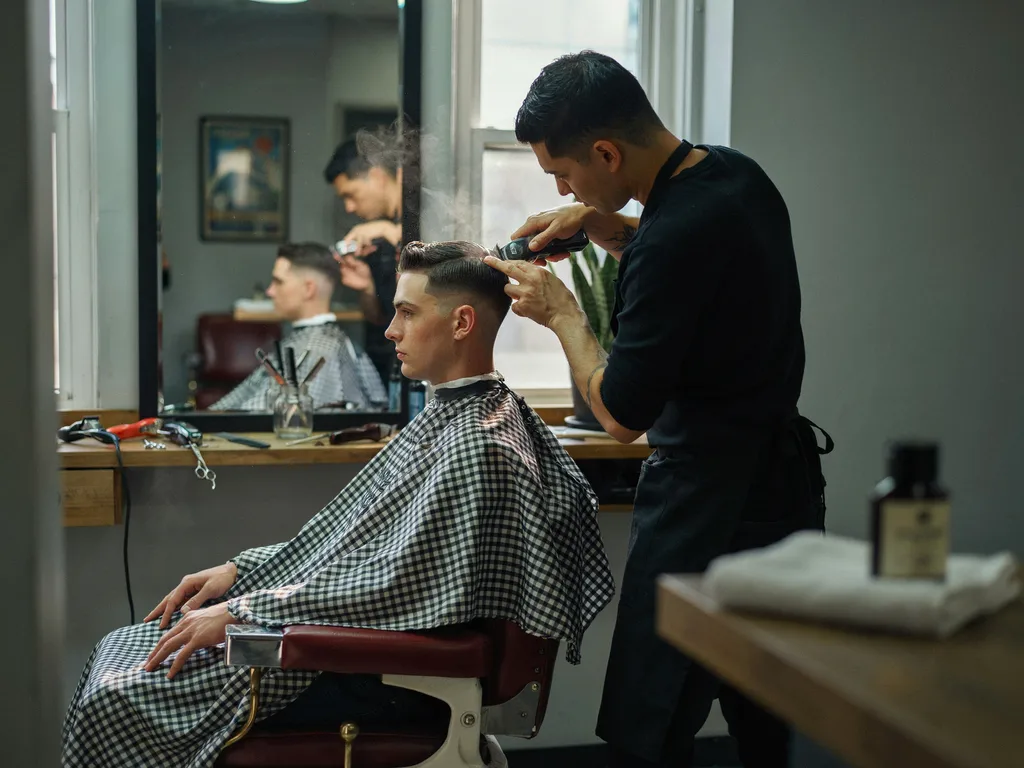
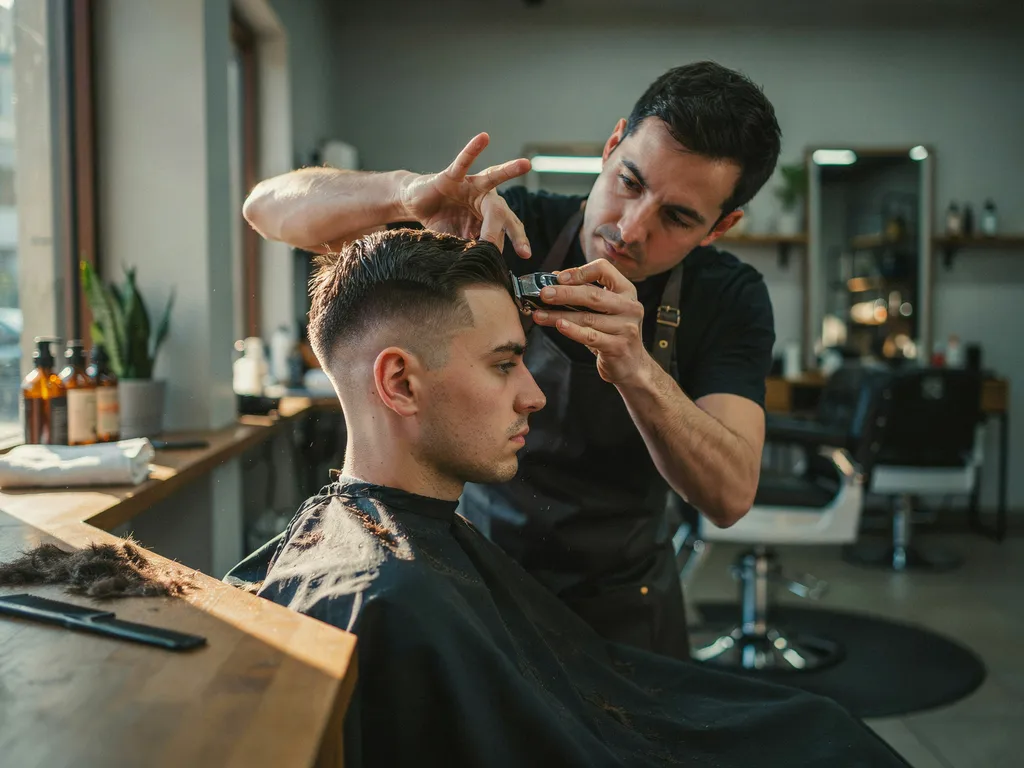
A fade is a haircut where the hair gets really short near the ears and neck, blending smoothly up to longer hair on top. My barber uses different clipper guards, starting super short at the bottom, sometimes even skin level. The “fade” effect happens because there’s almost no harsh line it’s a smooth transition.
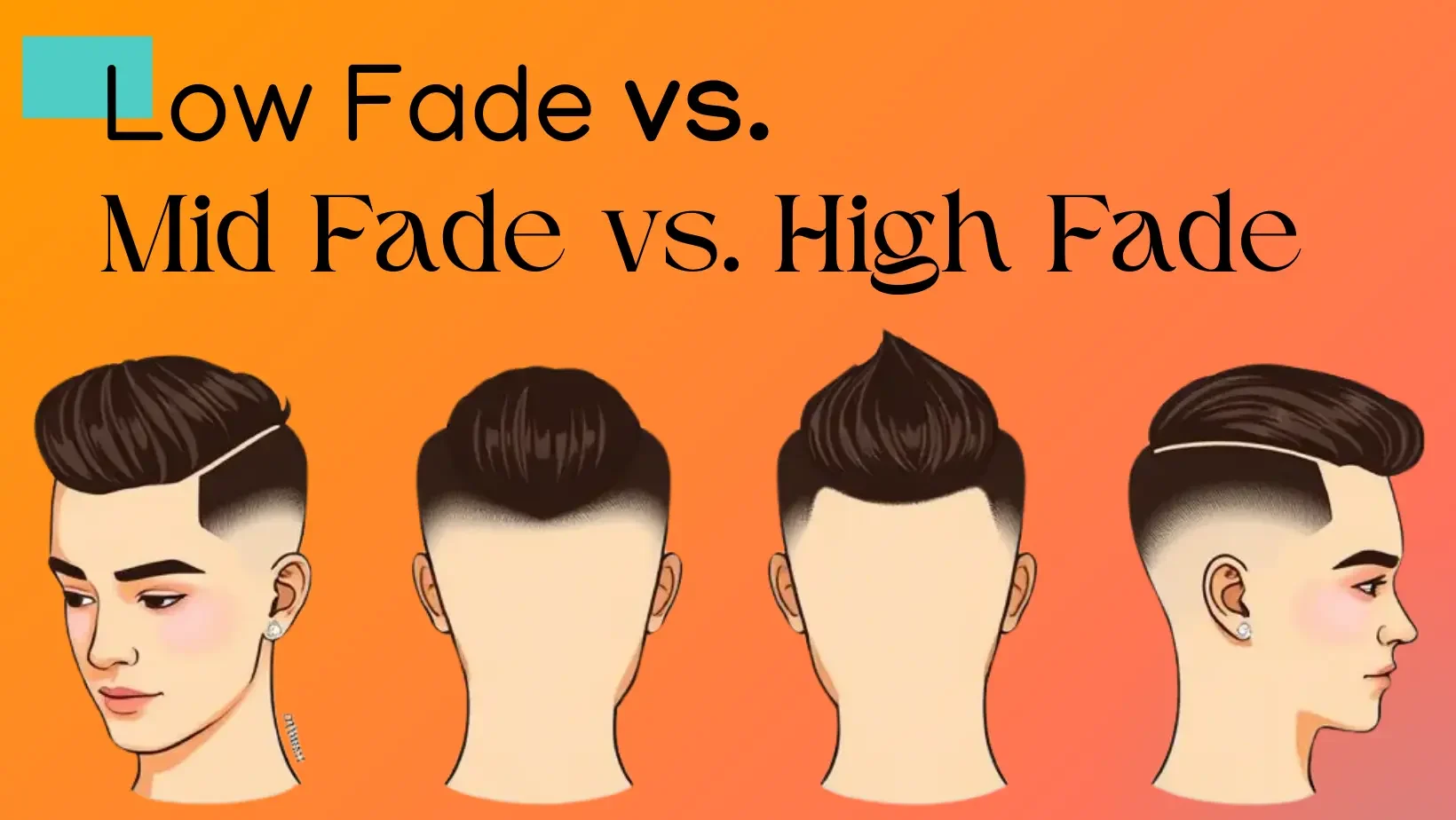
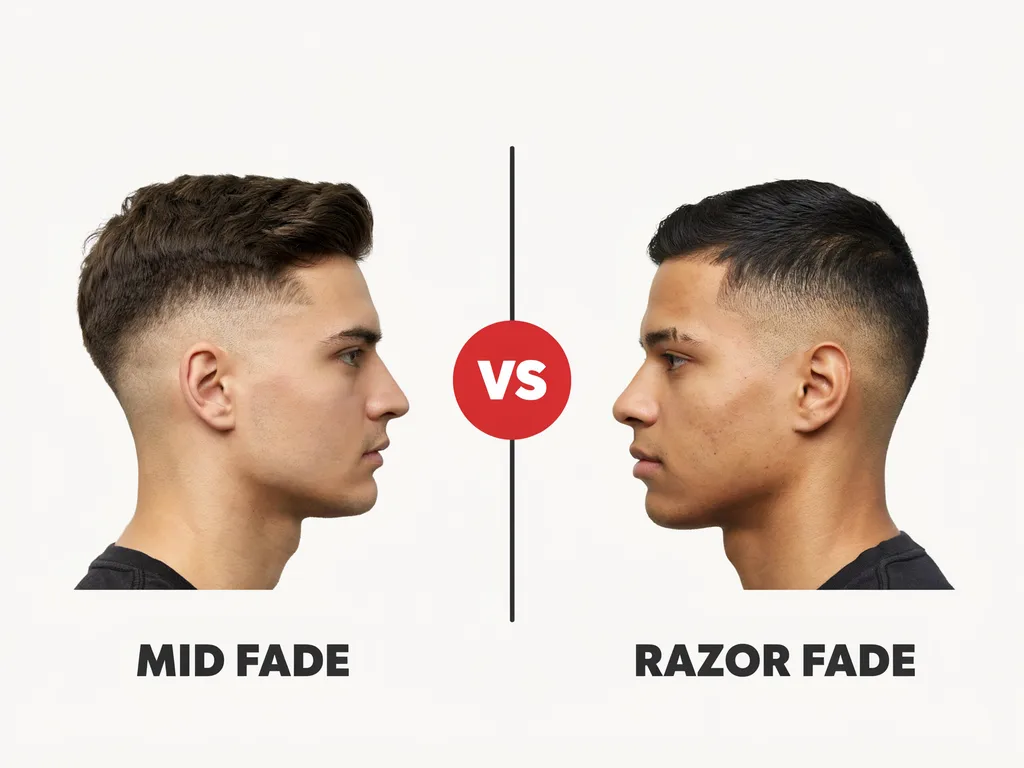
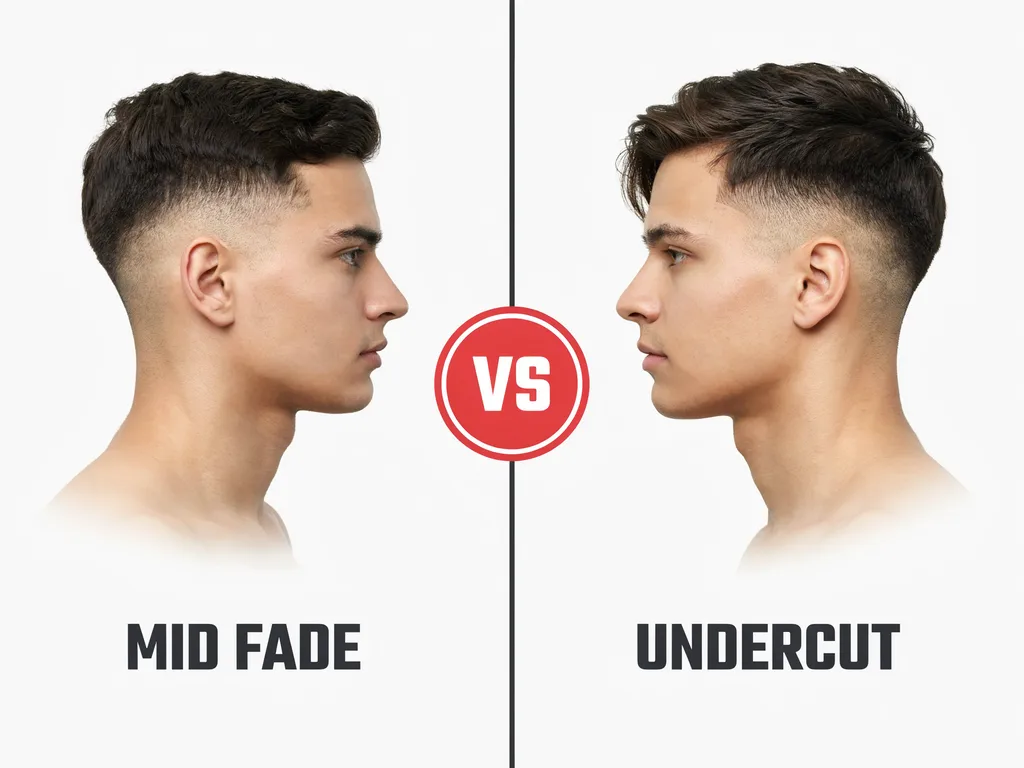
You can choose how high or low the fade starts, like a mid fade or skin fade. After my first fade, I noticed it gave my head a sharp, modern look. A fade is also great for people who want a clean, bold style that stands out. For more unique ideas, I liked looking at slick back fade styles before trying it out myself.
What Is a Taper?
A taper haircut keeps the sides and back shorter but not as extreme as a fade. With a taper, my hair slowly gets shorter toward the neckline and around the ears but never goes to bare skin. There’s always a little length left. Tapers work well for classic or business styles, and they grow out in a way that stays neat. When I had a taper for the first time, it was easy to manage, and I didn’t need a touch-up as often. If you want a more natural look that still has shape, a taper is a solid pick.
Key Differences: Fade vs Taper
Level of Contrast
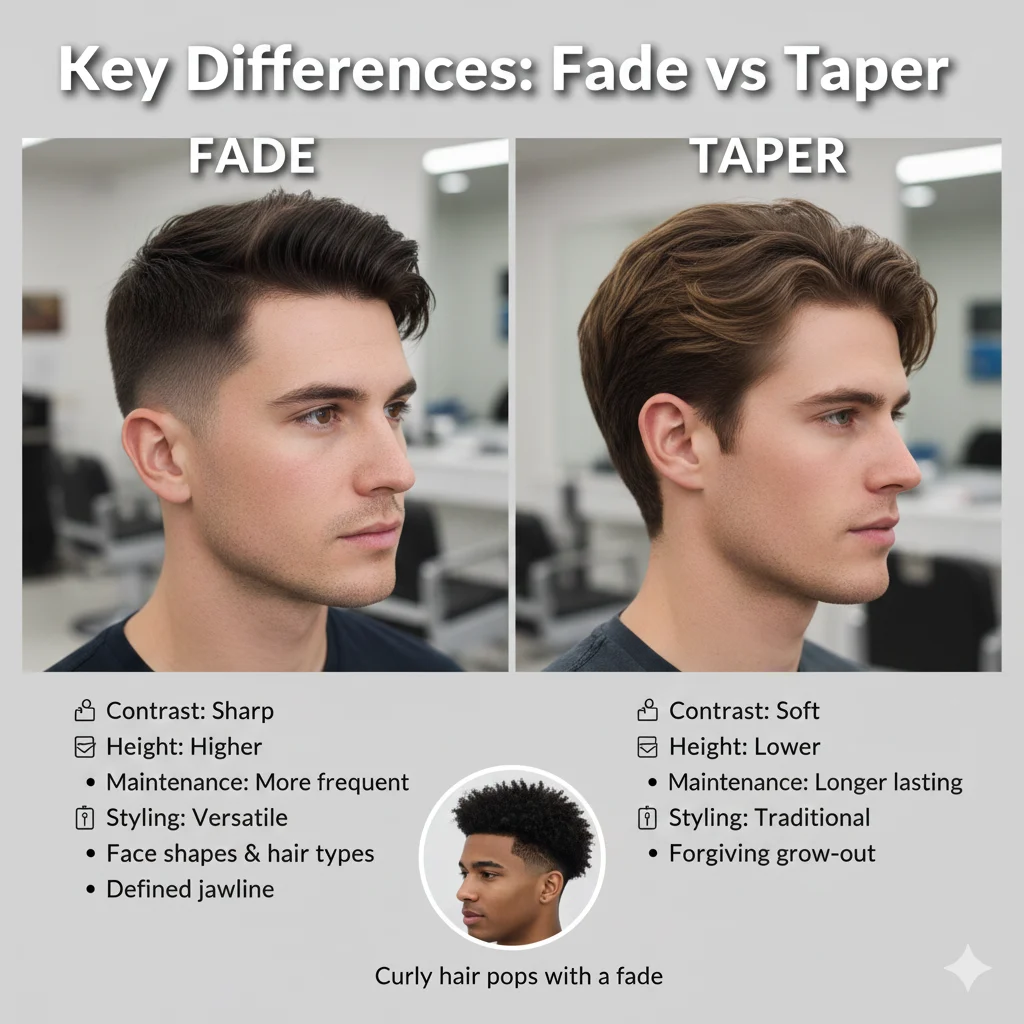
With a fade, there’s a sharper contrast from the shortest part to the top. The sides can be faded down to the skin for a striking effect. In comparison, a taper keeps the transition softer—there’s no sudden jump in length.
How High Does the Cut Go?
Fades often start higher on the head, especially with high fades. Tapers usually begin lower and blend gradually just above the ears and at the neck.
Maintenance
I noticed my fades need more frequent trips to the barbershop to stay fresh. Tapers last longer between cuts and look tidy even as they grow out.
Styling
Fades can work with almost any style on top—curls, waves, or even mullets. Tapers lean more traditional but still allow for styling with pomade or gel if you want a slick look.
Face Shapes & Hair Types
Both cuts suit different face shapes and hair types, but fades give a more defined jawline, while tapers are forgiving if you’re growing your hair or want a gentler style.
Curly hair especially pops with a fade, as seen in these curly fade ideas.
My Experience: Which Is Easier to Maintain?
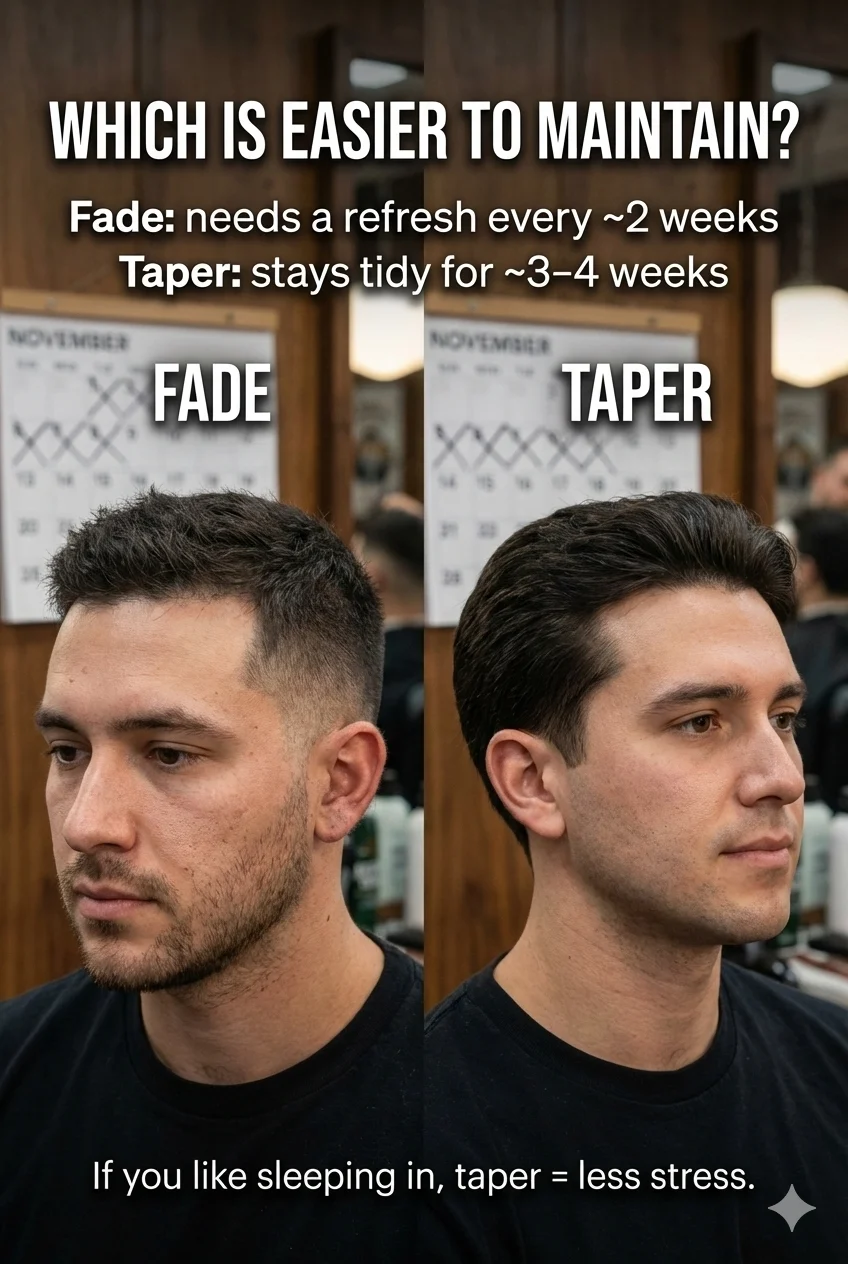
In my routine, a fade demands more frequent barber visits. Every two weeks, I see the regrowth and lines showing up. With a taper, I could stretch haircuts to three or even four weeks without looking messy. For anyone who likes sleeping in and skipping the barbershop now and then, a taper is less stressful.
When to Choose a Fade
Pick a fade if you want a sharp, modern look that makes a statement. It’s perfect for summer or whenever you want to show off fresh lines and edges. My fade always got attention, and people often asked where I got it done. For guys who like experimenting, fades come in many forms—mid fade, skin fade, high fade, and more. You can even try trendy options like the mid fade fringe style.
When to Choose a Taper
Go with a taper if you prefer a subtle, classic style that’s easy to grow out and doesn’t require as many touch-ups. Tapers are great for office settings, family events, and anyone who wants a cut that won’t look awkward between visits.
Fade vs Taper: Pros and Cons
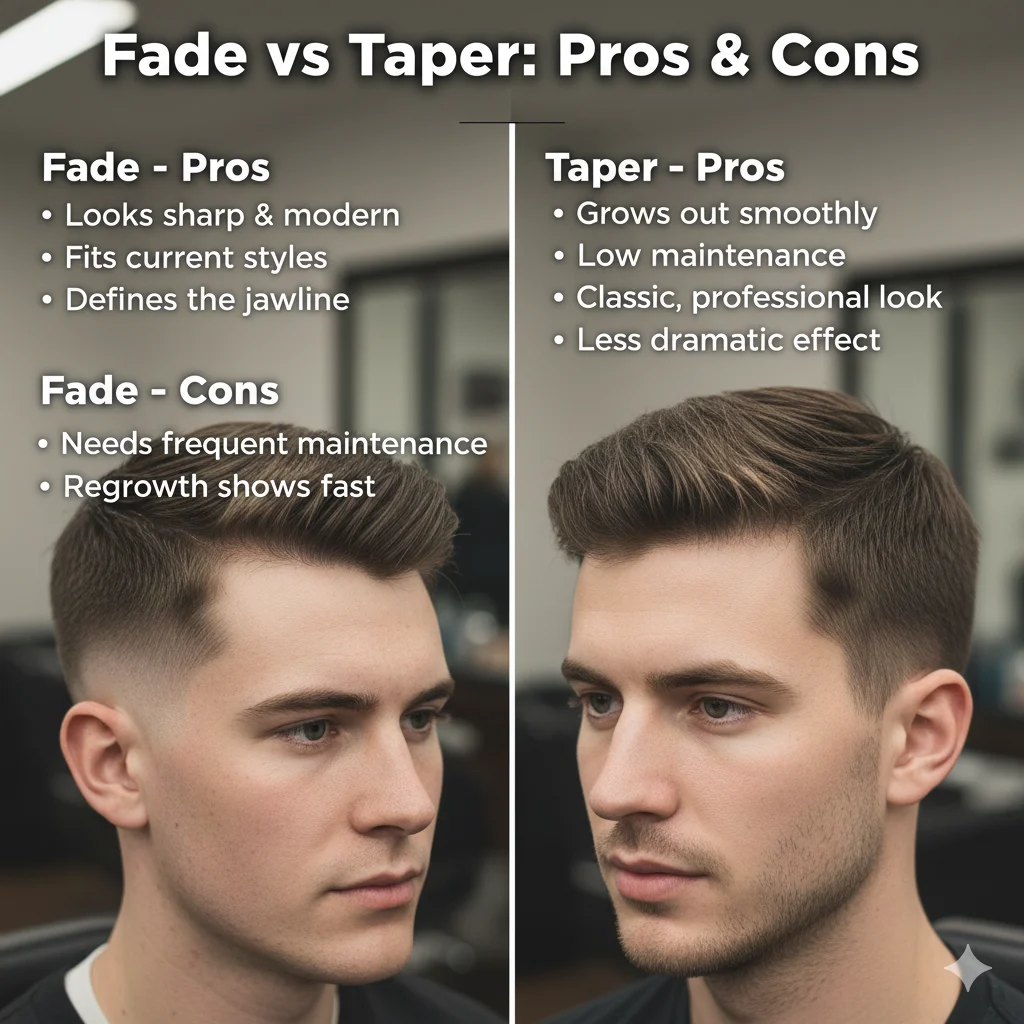
Fade Pros
- Looks sharp and modern
- Fits lots of current styles
- Defines the jawline
Fade Cons
- Needs more frequent maintenance
- Regrowth is obvious
Taper Pros
- Grows out smoothly
- Low maintenance
- Classic, professional look
Taper Cons
- Not as bold as a fade
- Less dramatic effect
Which Style Is Trending in 2026?
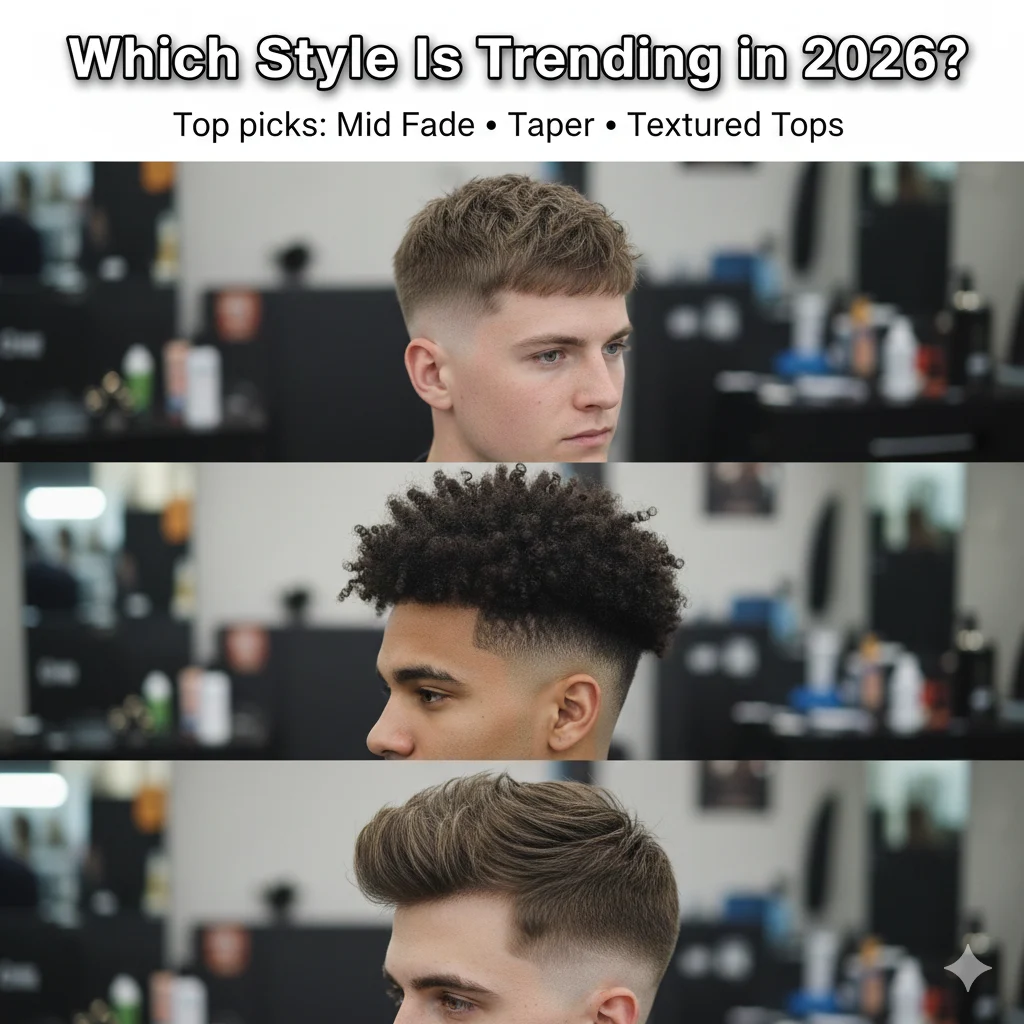
Both cuts are popular, but fades have exploded on social media this year. If you want to try something current, go with a fade. If you like timeless, tapers are always in style. I saw plenty of modern mullet fade haircuts trending last month—shows how styles can mix!
My Final Thoughts
I’ve tried both styles and switch depending on my mood or season. A fade always feels sharp, while a taper is easy and stress-free. Next time you’re at the barbershop, ask your barber for advice based on your head shape, hair type, and how much time you want to spend on your hair. You can’t go wrong—both cuts have stood the test of time!
FAQs
1. Is a fade the same as a taper?
No, a fade blends hair to the skin, while a taper leaves a little length at the edges.
2. Which lasts longer, fade or taper?
A taper lasts longer before needing a touch-up compared to a fade.
3. Can I get a fade or taper at home?
It’s possible but getting even results is much easier at a barbershop.
4. Are fades only for young people?
No, fades look great on all ages if the style suits you.
5. Is a fade better for curly hair?
Yes, fades work well for curly hair and highlight natural texture.
6. Can tapers work with longer hair?
Yes, tapers blend well with longer styles and classic looks.
7. Which cut is more professional?
A taper is considered more traditional and works well in offices.
8. Are tapers or fades better for summer?
Fades are cooler and lighter, making them great for hot weather.
9. How do I know which suits my face?
Ask your barber—they can recommend the best cut for your face shape.
10. Can I combine a fade and a taper?
Some cuts mix both for a unique look—barbers can customize as you want.
About the Author
Daniel Reyes got his first mid fade almost by accident. He asked his barber for “just a fade” and got one that started right at temple level. It became the cut he kept going back to, so he built mid-fade.com to cover it properly instead of burying it in generic fade lists.