Mid Fade for 4C Hair: A Practical Guide

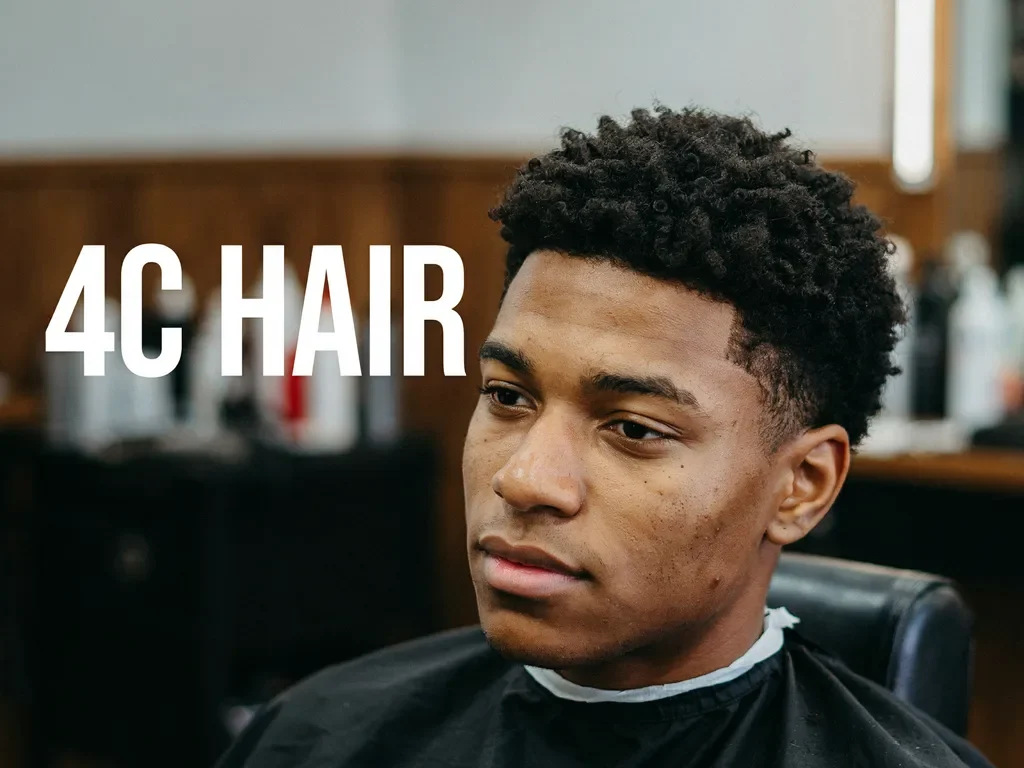
Quick answer: 4C hair, the tightest, most densely coiled hair type in the common hair typing system, pairs well with a mid fade, but its extreme shrinkage (often 75% or more from stretched to resting length) makes accurate cutting and honest length expectations especially important. A mid fade also works particularly well for 4C hair because the fade requires minimal manipulation of the top, reducing the risk of breakage that comes with excessive combing or brushing this hair type sometimes experiences.
4C hair has its own specific set of considerations beyond general “curly” or “afro” hair advice, mainly centered around its extreme shrinkage and its particular sensitivity to dryness and breakage.
Understanding shrinkage before you cut
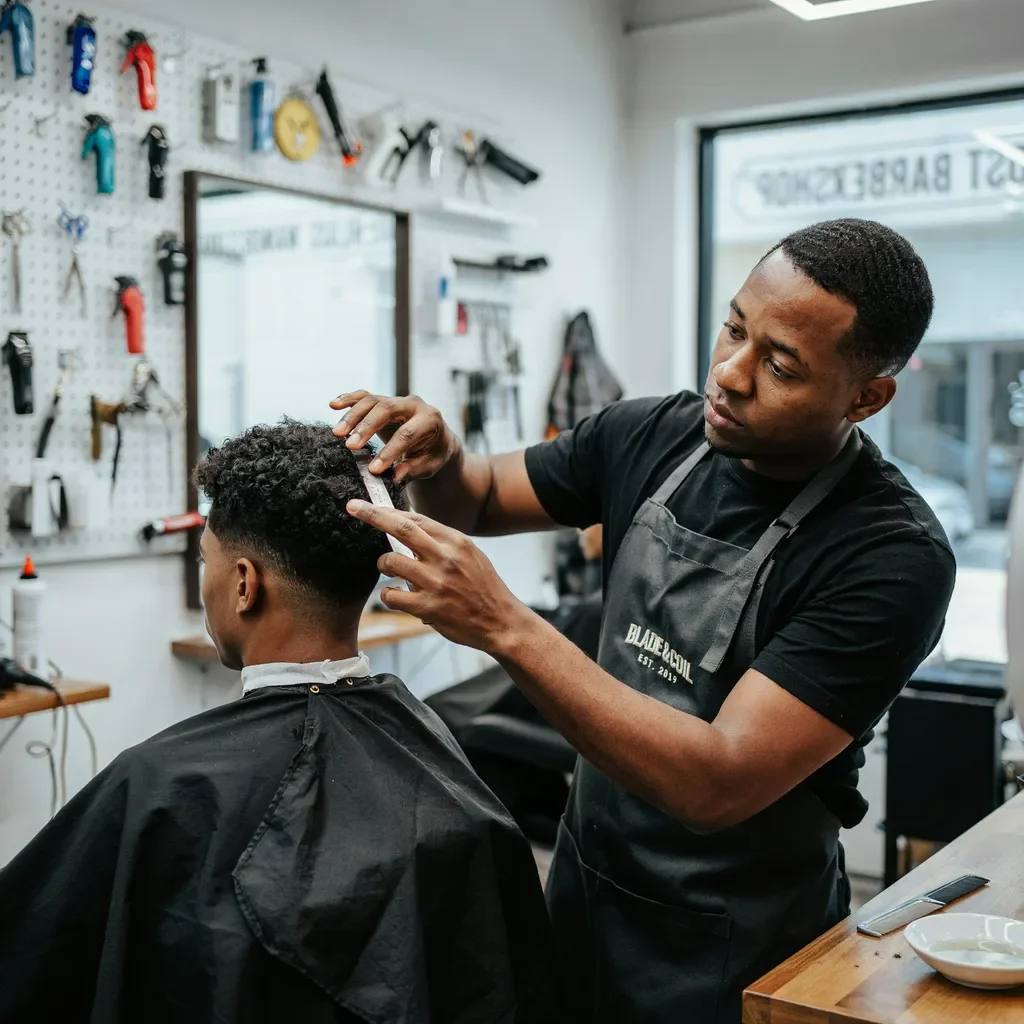
4C hair can shrink up to 75% of its stretched length once fully dry and in its natural resting state, meaning hair that measures several inches when gently stretched can appear as little as an inch or two when left completely natural. This has real, practical implications for a fade haircut: length decisions need to be made based on the hair’s actual resting state, not its stretched length, or the top can end up dramatically shorter than expected once it settles into its natural pattern.
Ask your barber to either cut the hair in its natural, unstretched state, or to check the final length after the hair has been allowed to fully shrink back, rather than finishing the cut while the hair is stretched or blow-dried straight.
Why a mid fade specifically suits 4C hair well
Beyond the visual contrast a fade creates (which applies to most textured hair types), a mid fade specifically benefits 4C hair because it requires relatively little manipulation of the top section during the actual cutting and daily styling process, compared to styles that involve frequent combing, brushing, or heat styling. 4C hair is particularly prone to breakage from mechanical manipulation, so a style that can be maintained with minimal daily combing, like a natural top left in its coil pattern, is genuinely gentler on the hair over time.
Moisture is not optional with 4C hair
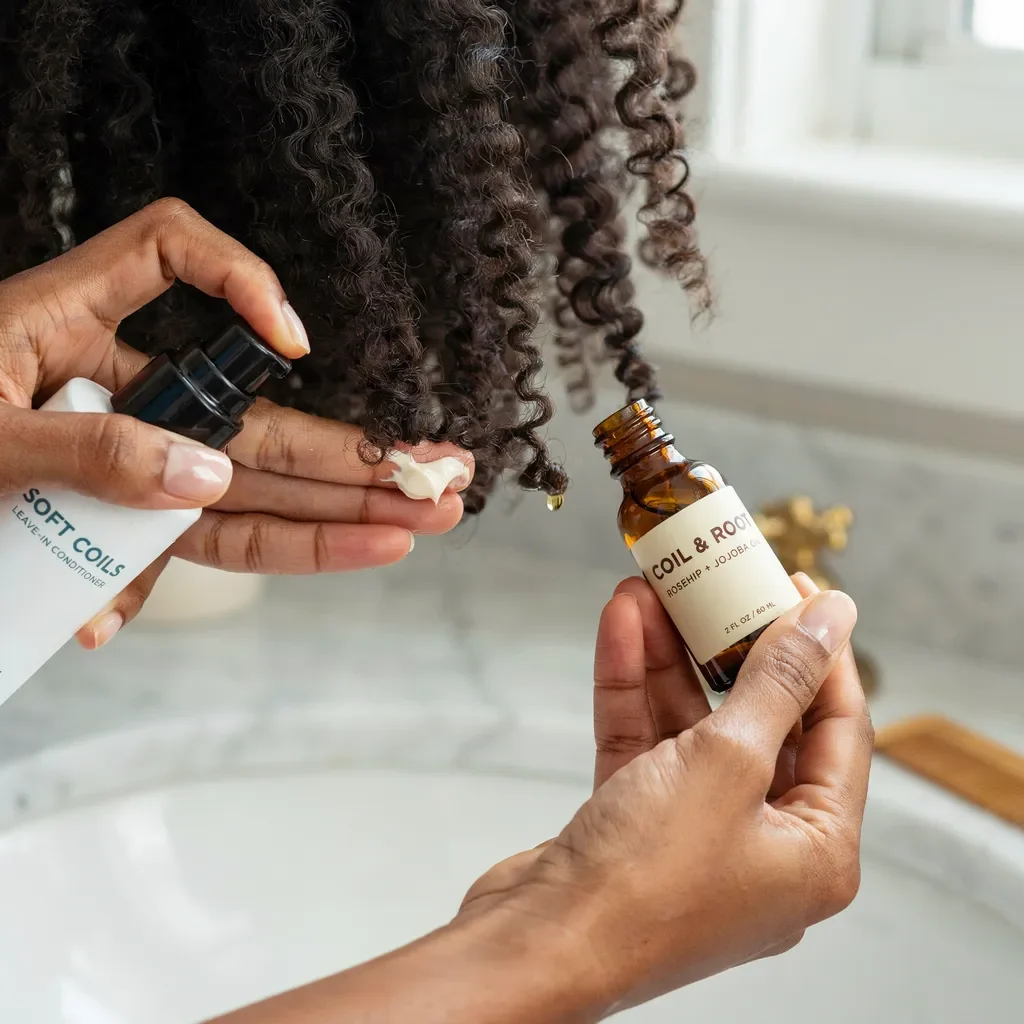
4C hair has the most difficulty of any texture retaining natural scalp oils, since the tight coil pattern creates the most obstacles for oil to travel down the hair shaft. This makes a consistent moisture routine, not just an occasional product application, a real necessity rather than a nice-to-have. Leave-in conditioners, natural oils (such as jojoba or coconut oil, commonly used for this hair type), and creams designed specifically for 4C hair should be part of a regular routine, not something reached for only when the hair already looks dry.
Styling options with a mid fade
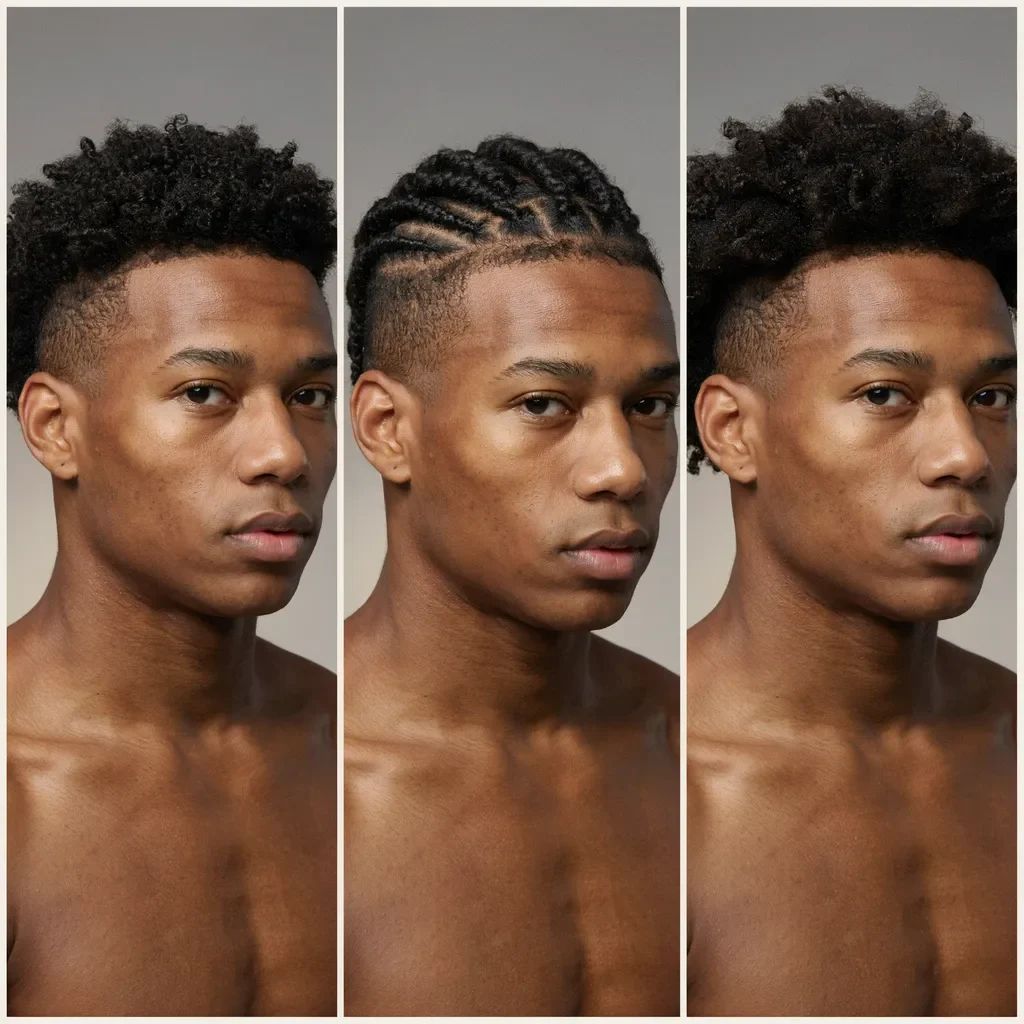
A natural, coiled top left as-is, sometimes called a “wash and go” in natural hair care terminology, is one of the lowest-manipulation, most protective ways to wear 4C hair with a fade, wash, apply a leave-in and a curl-defining cream, and let the natural pattern show.
Twists or coils, either two-strand twists or comb coils, offer more defined structure while still being a relatively gentle, low-manipulation style, and they pair distinctively well with the clean sides of a mid fade.
A twist-out, where twists are set, allowed to dry, and then unraveled for a fuller, more voluminous look, is a popular styling choice that works well on top of a mid fade for men wanting more volume than a tight coil pattern shows on its own.
Should you protective style with a fade?
Some men with 4C hair maintain protective styles (styles that minimize manipulation and tucking away ends to reduce breakage) even alongside a fade, for instance, small twists kept in for a stretch of time before being taken down and restyled. This is a personal choice based on hair health goals rather than a requirement, but it’s worth knowing that a fade doesn’t prevent you from incorporating protective styling practices on the top section if that’s part of your hair care approach.
How often should 4C hair with a mid fade be cut?
The fade portion follows a similar schedule to other textures, roughly every 2 to 4 weeks. The top typically needs less frequent cutting, since the goal with most 4C styles is maintaining overall shape and health rather than a precise style that grows out quickly and visibly, occasional shape-up trims between fade refreshes are usually enough.
The bottom line
4C hair works well with a mid fade, and the low-manipulation nature of most 4C styling approaches actually pairs particularly well with this haircut’s low-maintenance top options. The most important technical consideration is accounting for significant shrinkage when cutting, rather than working from stretched length. Consistent moisture, rather than occasional product use, matters more for this hair type than almost any other, and low-manipulation styles like natural coils, twists, or twist-outs all work well on top of a mid fade’s clean, tight sides.
Frequently asked questions
How much does 4C hair shrink? 4C hair can shrink up to 75% of its stretched length once fully dry, which is more than most other curl or coil patterns, making it important for a barber to account for this when cutting.
Does a mid fade require more manipulation of 4C hair? No, generally less. The fade itself is at the sides, and top styles commonly worn with 4C hair, like natural coils or twists, require relatively minimal daily manipulation, which is gentler on this hair type.
What products are essential for 4C hair with a mid fade? Consistent leave-in conditioners, natural oils, and curl-defining creams are important, since 4C hair has the most difficulty retaining natural moisture of any hair texture.
Can you wear twists or a twist-out with a mid fade? Yes, both work well and are popular choices, offering more defined structure or added volume respectively, while pairing distinctively with the fade’s clean sides.
How often does 4C hair need cutting with a mid fade? The fade portion needs attention roughly every 2 to 4 weeks, similar to other hair types, while the top usually needs less frequent trimming, mainly occasional shape-up maintenance.
About the Author
Daniel Reyes got his first mid fade almost by accident. He asked his barber for “just a fade” and got one that started right at temple level. It became the cut he kept going back to, so he built mid-fade.com to cover it properly instead of burying it in generic fade lists.