Mid Fade for White Guys: Styling Options and Tips

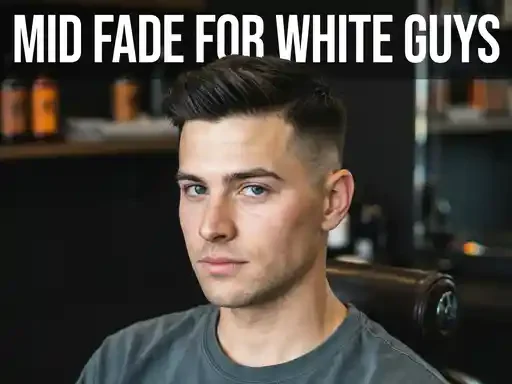
Quick answer: A mid fade works well regardless of ethnicity, and for white guys specifically, the main consideration is usually hair type, straight, wavy, or curly, rather than anything ethnicity-specific, since white men hair spans this full range. Straight hair holds structured styles like a slick back or hard part most predictably; wavy or curly hair suits more textured tops like a quiff, messy top, or natural texture left with minimal styling.
The core advice for a mid fade does not fundamentally change based on ethnicity, hair type, face shape, and personal style preference drive the meaningful decisions, and this guide dedicated hair type and face shape articles apply directly regardless of background.
Why hair type is the more useful lens here
White men hair, similar to any broad population, covers the full spectrum from very straight to tightly curled, though straight and wavy textures are statistically more common within this group than very tightly coiled patterns. Rather than ethnicity-specific advice, the practical questions worth asking are about your specific hair texture, thickness, and growth pattern, the dedicated articles on curly hair, wavy hair, thick hair, and thin hair in this guide apply directly.
Popular top styles among white guys with a mid fade
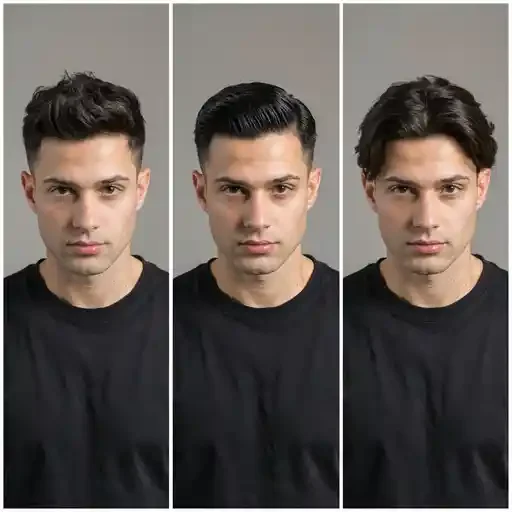
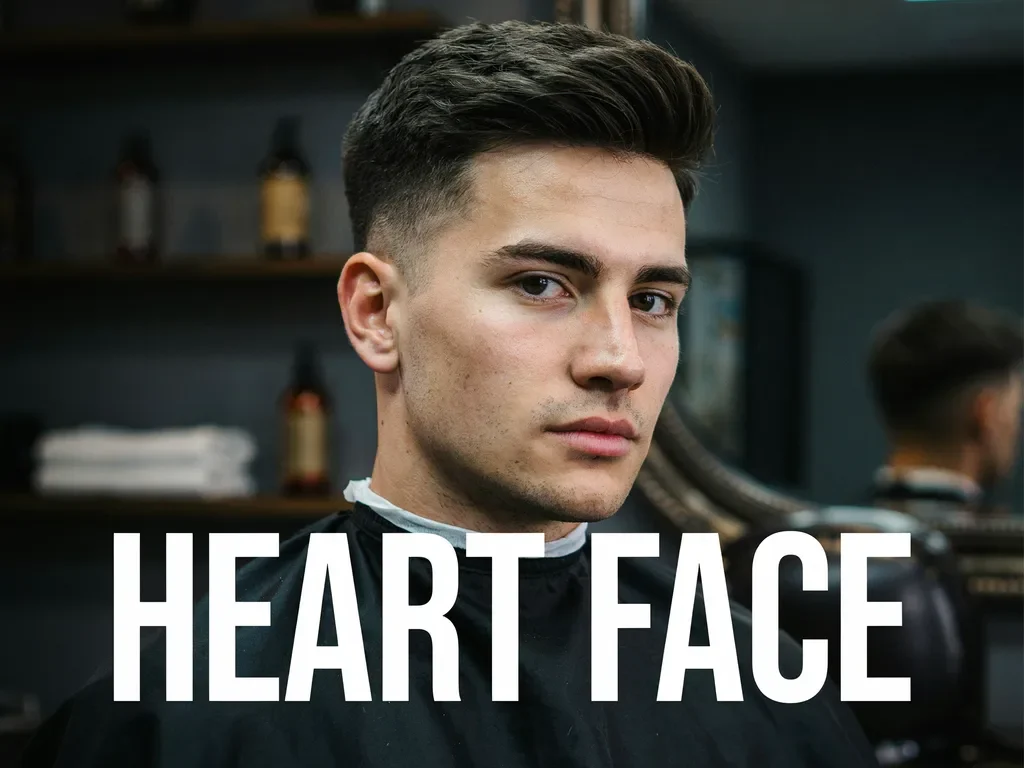
- A textured quiff or crop is extremely common, working well with straight to wavy hair and requiring moderate daily styling effort for a polished but not overly formal look.
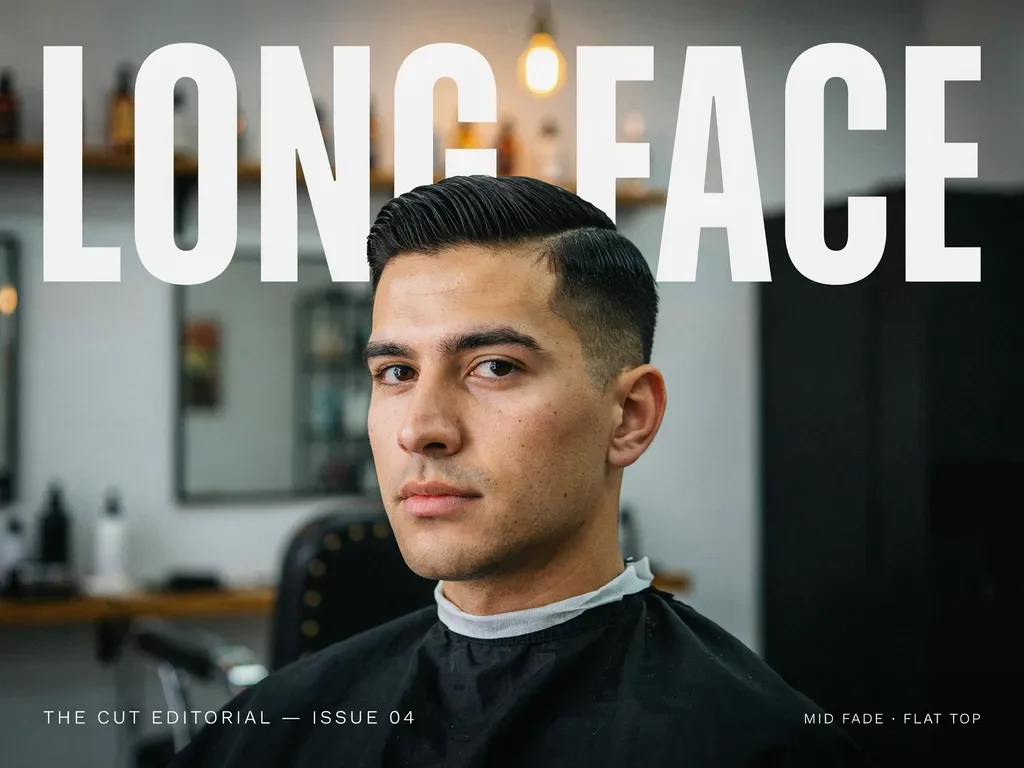
- A slick back or hard part suits straighter hair particularly well, given the smooth, defined line these styles depend on.
- Curtains, the center-parted, falling style, has seen significant popularity and works especially well with hair that has some natural wave.
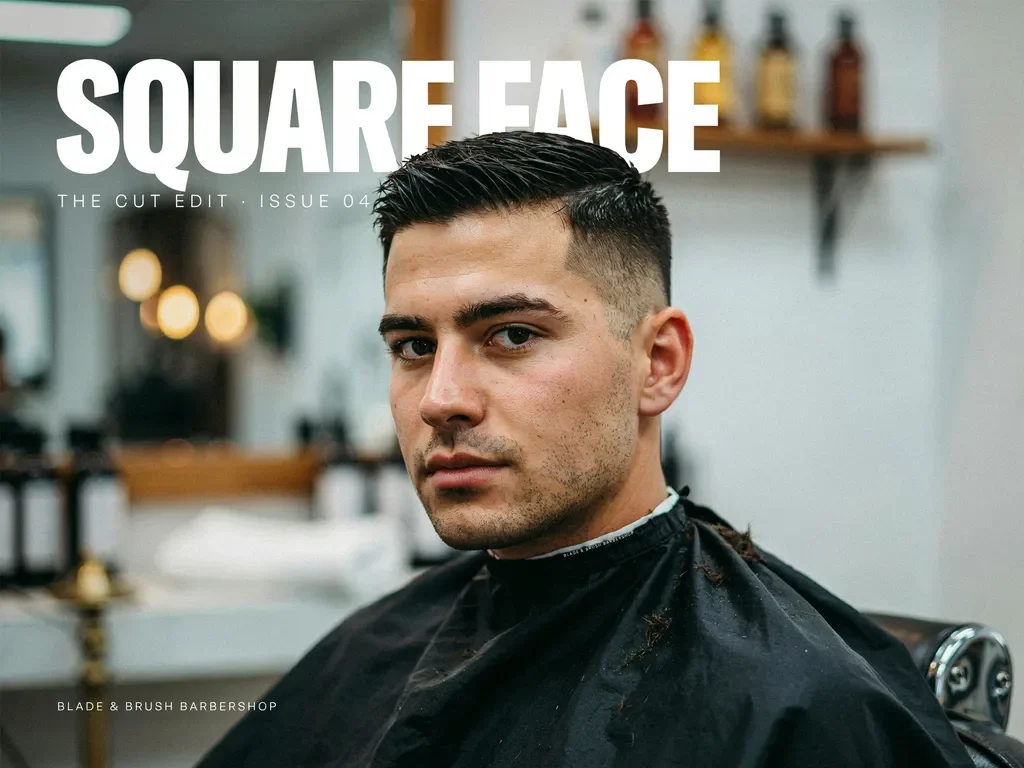
- A French crop or crew cut offers a lower-maintenance option that works across nearly any hair texture.
Does skin tone affect fade depth choice?
To some extent, contrast preference is a factor worth considering, though it is more about personal taste than a hard rule. Lighter skin tones create somewhat less dramatic visual contrast with a bald fade compared to darker skin tones, where the contrast between hair and skin tends to read more starkly. This does not mean lighter-skinned men should avoid bald fades, it is simply a factor in how dramatic the visual effect will read, worth knowing rather than a rule to follow.
Product needs based on common hair textures

Straight hair, which is common among white men though far from universal, often benefits from stronger-hold products to compensate for lower natural grip (see the dedicated article on silky or soft hair for more detail). Wavy hair does well with lighter, texture-enhancing products like sea salt spray. If your hair leans curly, the curly hair-specific guidance in this collection, covering dry cutting and curl-appropriate products, applies directly regardless of ethnicity.
Common style questions
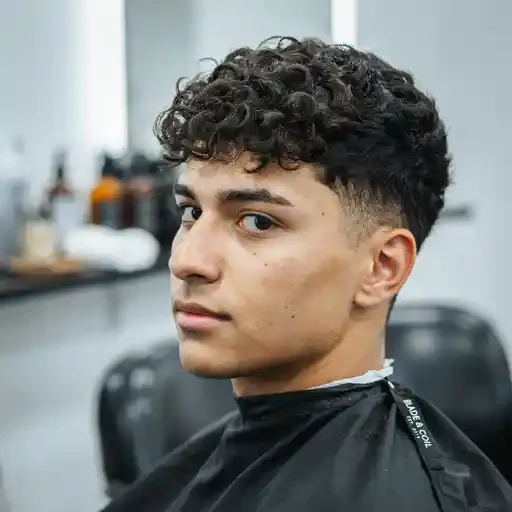
What is the most versatile top style? A textured crop or moderate-length quiff tends to work across the widest range of face shapes and requires only moderate styling effort, making it a reasonable default if you are unsure where to start.
Should I go bald or non-bald with the fade? This comes down to personal maintenance tolerance and how dramatic a look you want, covered in detail in the dedicated bald fade comparison article, rather than anything specific to hair color or ethnicity.
Does hair color affect how the fade looks? Lighter hair colors (blonde, light brown) create somewhat less dramatic contrast at the fade line compared to darker hair, similar to how skin tone affects perceived contrast, again, not a rule, just a factor in how the finished look will read visually.
The bottom line
A mid fade for white guys follows the same core principles as this guide general advice, hair type, face shape, and personal style preference are the meaningful drivers, not ethnicity specifically. Straight and wavy hair, statistically more common within this group, pair particularly well with quiffs, slick backs, curtains, and crops, while the same dry-cutting and product guidance for curlier hair types applies to anyone with that texture, regardless of background.
Frequently asked questions
Does a mid fade look different based on ethnicity?
Not fundamentally. Hair type, face shape, and skin-to-hair contrast are the meaningful factors affecting how a mid fade looks, and these vary by individual rather than by ethnicity specifically.
What is a versatile mid fade top style for straight to wavy hair?
A textured quiff or moderate-length crop tends to work well across a wide range of face shapes and hair textures, and requires only moderate daily styling effort.
Does skin tone affect how dramatic a bald fade looks?
To some degree, yes. Darker skin tones tend to create more visually stark contrast with a bald fade, while lighter skin tones read as somewhat less dramatic, though both look intentional and clean.
Does hair color change fade styling advice?
Not substantially, though lighter hair colors create less visual contrast at the fade line than darker hair, which is a minor aesthetic factor rather than a styling limitation.
What if my hair is curly rather than straight?
The same curly hair guidance covered elsewhere in this collection, dry cutting and curl-specific products, applies directly regardless of ethnicity, since curl pattern rather than background drives the relevant technique.
About the Author
Daniel Reyes got his first mid fade almost by accident. He asked his barber for “just a fade” and got one that started right at temple level. It became the cut he kept going back to, so he built mid-fade.com to cover it properly instead of burying it in generic fade lists.