
Author: Daniel Reyes
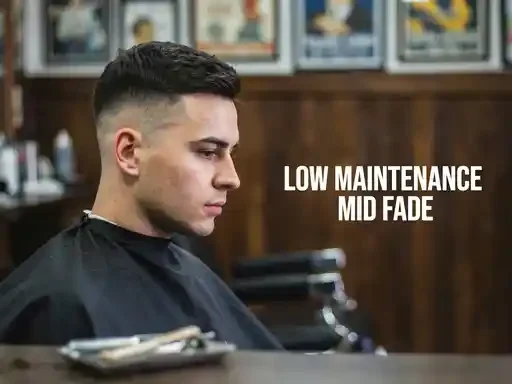
I got my first mid fade a few years ago without really asking for it. I told my barber to just give me a fade, and what I walked out with was a mid fade, the blend starting right around temple level, not too high, not too low. I didn't know the name for it at the time. I just knew it looked right, so I kept asking for the same thing every time after that.
What surprised me was how hard it was to find good information about it. Every haircut article I found lumped it in with twenty other fade types like high fade, low fade, drop fade, and burst fade, giving each one a single paragraph and nothing you could actually use. I went through a handful of bad copies of my own haircut before I figured out what to actually say to a barber to get it right consistently: where the fade should start, what to ask for around the neckline, and when a barber was about to mess up the blend.
Somewhere along the way I started paying closer attention. I noticed how different barbers approached the same request differently, some starting the fade too high and calling it a mid fade anyway, others blending it so gradually it barely read as a fade at all. I started asking questions in the chair instead of just nodding along, and I started noticing the small details that separated a sharp mid fade from a sloppy one.
That is the reason mid-fade.com only covers this one haircut. I am not a barber myself, but I have sat in enough chairs, described this cut enough times, and paid attention to what barbers actually do differently when it comes out right versus wrong. I wanted a site where someone could search for exactly this haircut and get a real answer instead of a generic list. Every article here is researched properly before it is written, not just written to fill a page. If something is unclear or I am not confident about it, I talk to a barber and get it right before publishing.





End of content
End of content