Mid Burst Fade: The Complete Guide

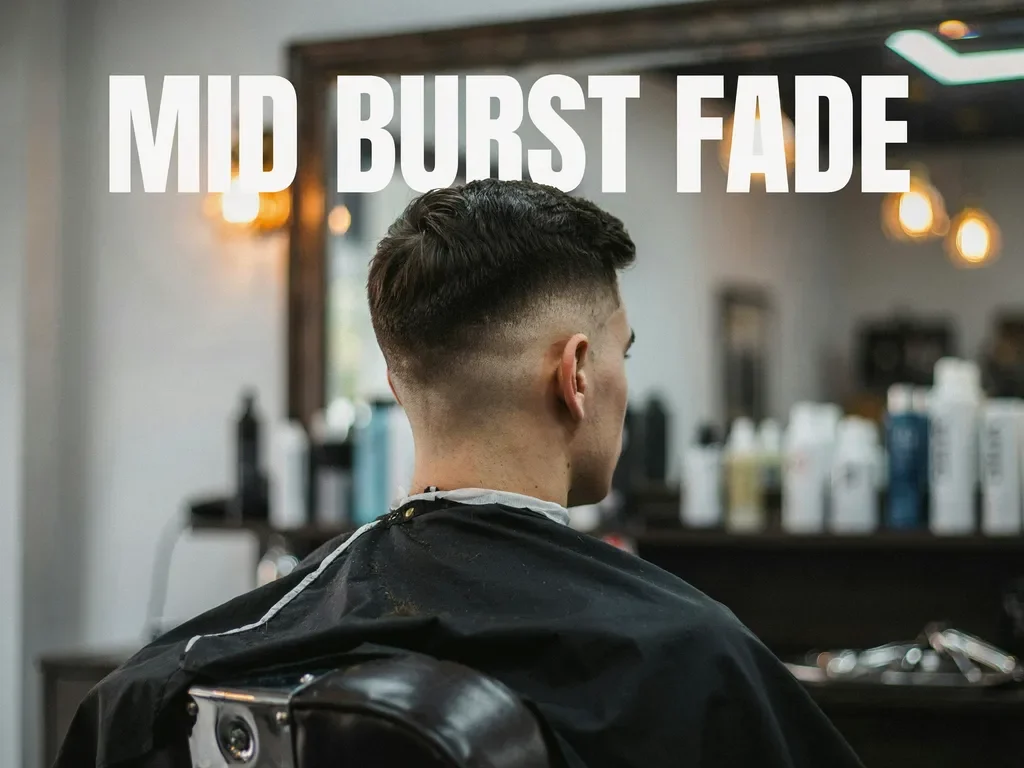
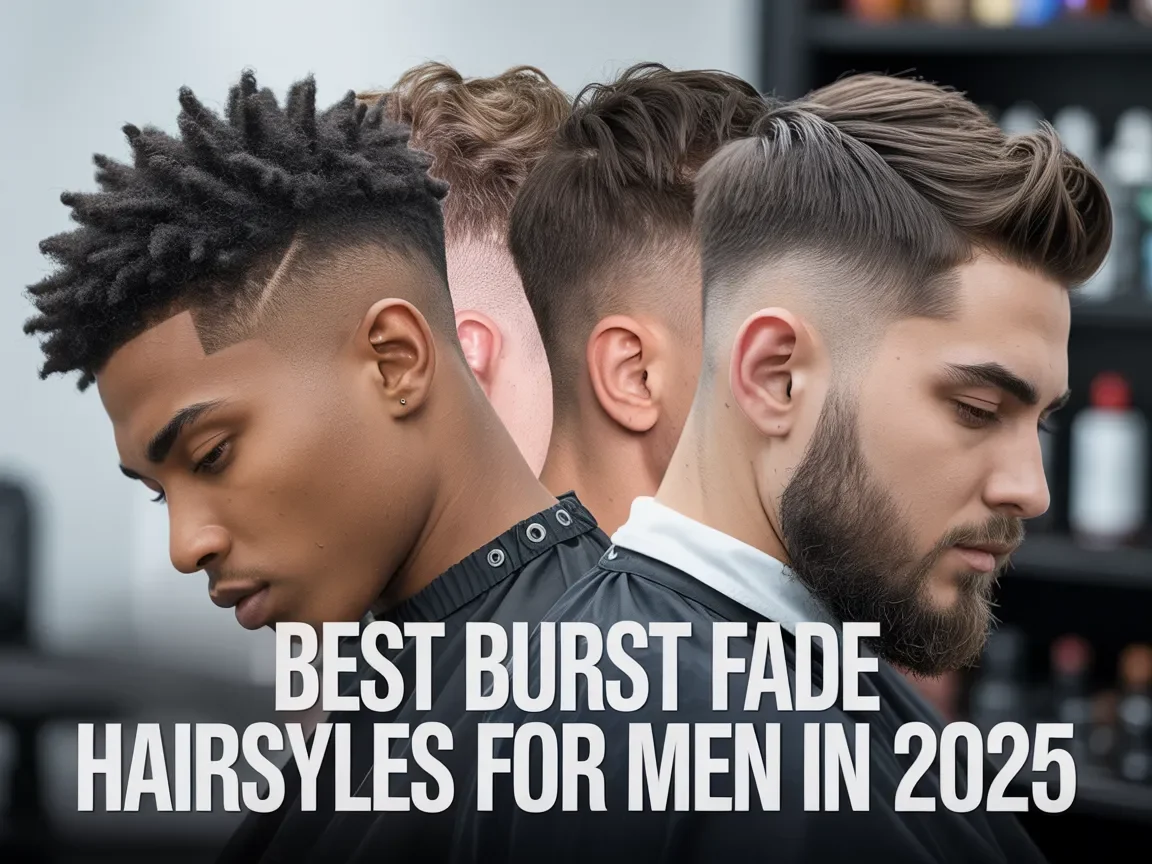
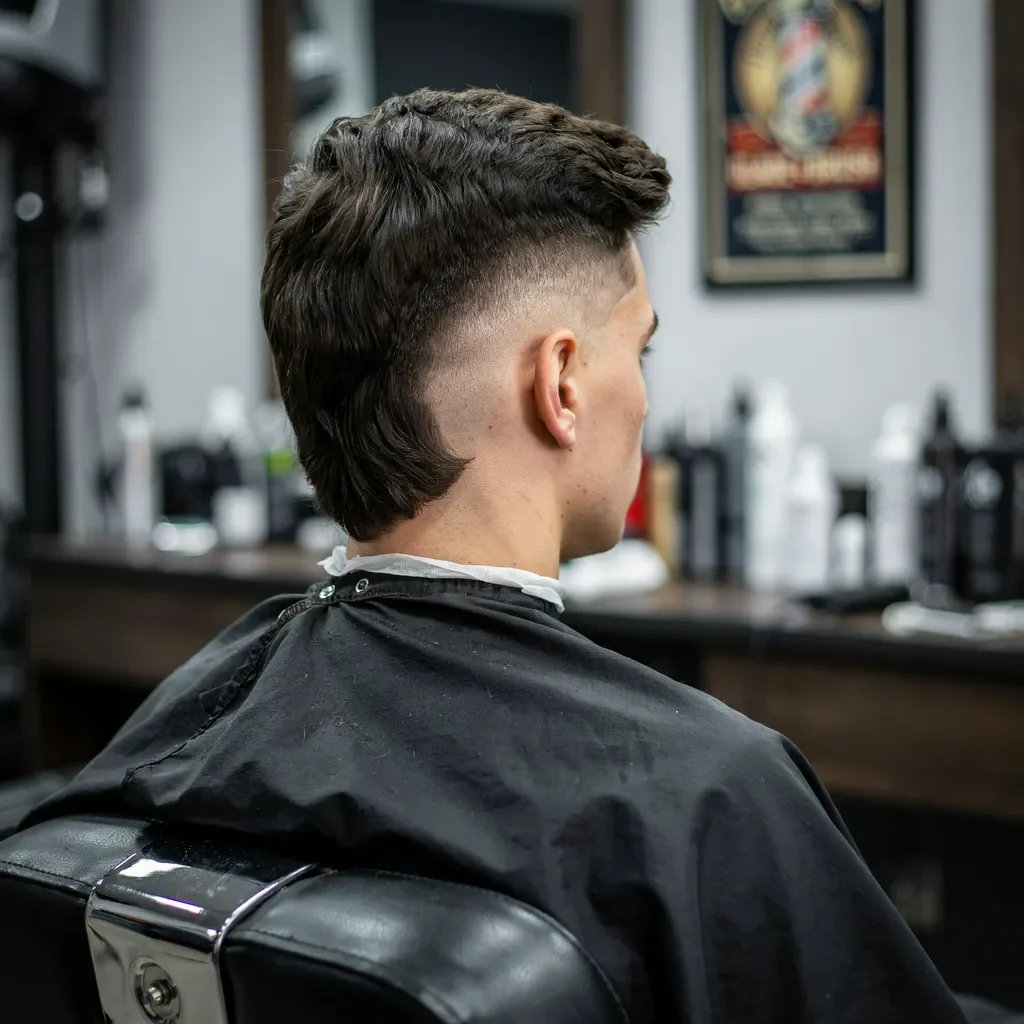
Quick answer: A mid burst fade fades outward from around the ear in a curved, bursting pattern, starting at approximately temple height but concentrating the fade specifically around the ear area rather than continuing evenly around the entire head. This leaves more length at the back and nape than a standard mid fade, making it a popular pairing with mohawks, mullets, and other styles that want length retained toward the back.
Where a standard mid fade creates one even, continuous band around the whole head, a burst fade takes a fundamentally different geometric approach, radiating outward from a single focal point rather than wrapping uniformly.
The core difference from a standard mid fade
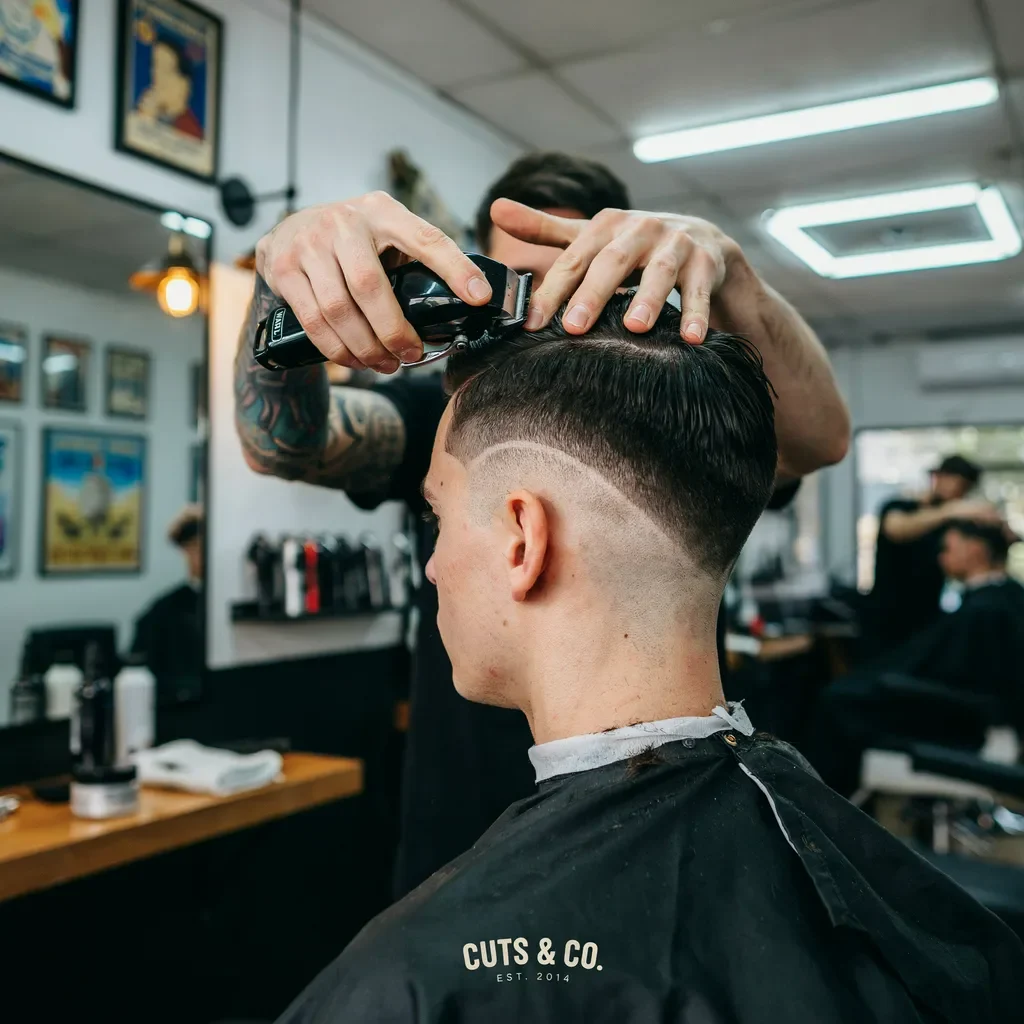
A regular mid fade fades the entire perimeter of the head evenly, sides and back together, in one continuous transition at temple height. A burst fade instead fades primarily around the ear, in a rounded, fanning shape, while the back and nape are deliberately left with more length rather than being faded down to match the sides. This is a meaningfully different silhouette, not just a stylistic variation on the same basic shape.
Why mid specifically in mid burst fade
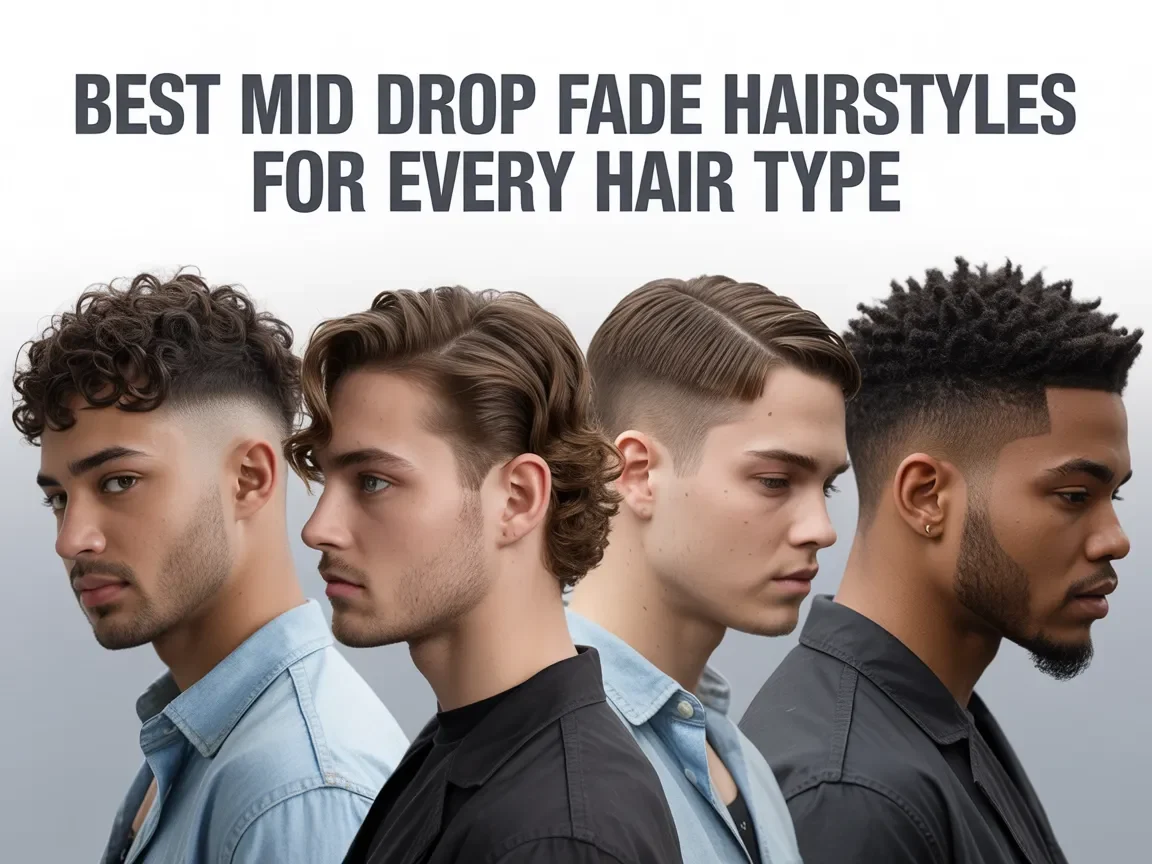
The mid here refers to the fade starting at approximately temple height, similar to a standard mid fade placement, rather than starting higher, closer to the crown, or lower, right at the ear itself. This placement affects how large and dramatic the burst shape reads, a mid height burst fade is a middle ground option between a more subtle, tighter burst and a larger, more dramatic one starting higher up.
What styles pair well with a mid burst fade
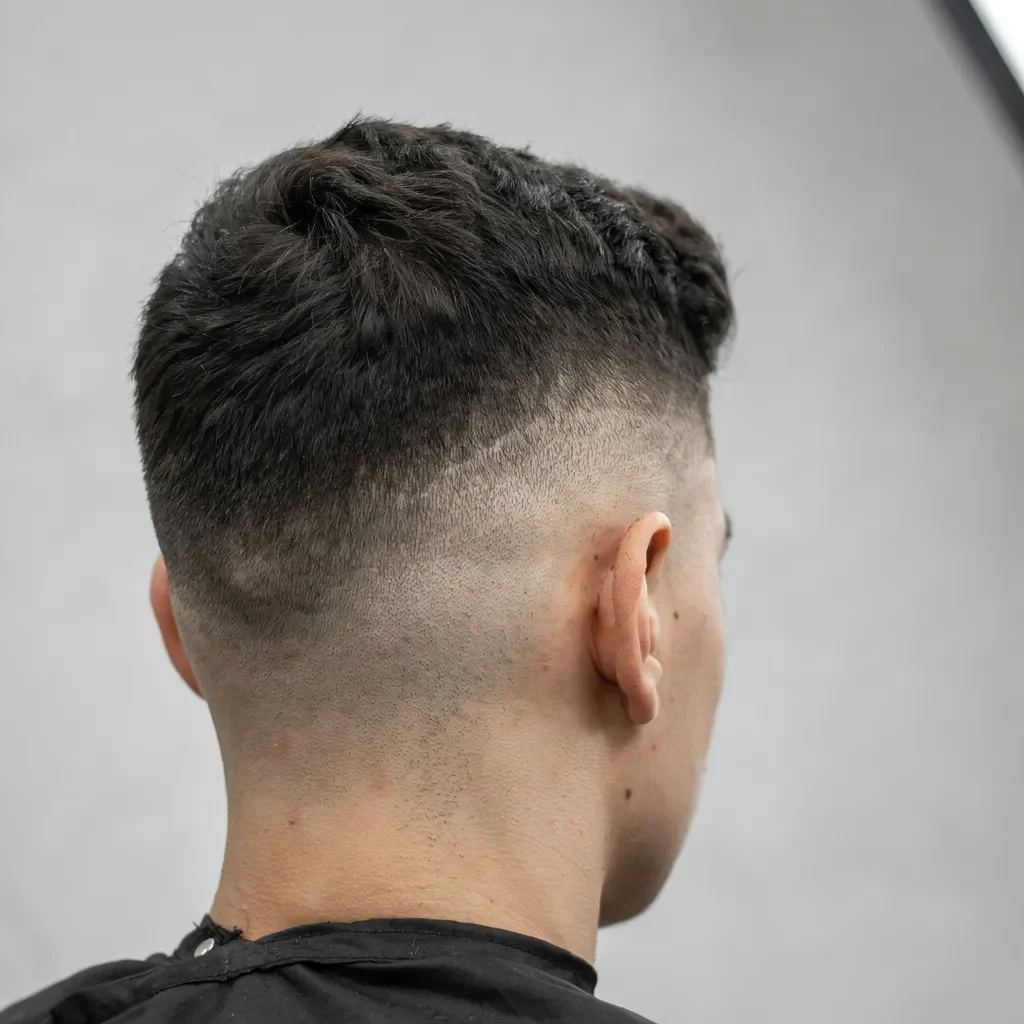
Mohawks and faux hawks are among the most common pairings, since the burst fade retained length at the back complements a mohawk center strip particularly well, creating a cohesive overall silhouette rather than the fade competing visually with the strip.
Mullets also pair naturally, since both the burst fade and a mullet share the underlying concept of retaining more length at the back, a mid burst fade mullet leans further into this than a standard mid fade mullet would.
Curly or textured tops generally work well too, since the extra length retained at the back gives curl or texture room to show, which a fully faded around back would remove.
How to ask your barber for it specifically
Be clear this is different from a standard mid fade: I want a burst fade, fading around my ear starting at about temple height, rather than an even fade all the way around, and keep more length at the back. Since burst fades are a distinct enough technique from a standard even fade, a reference photo is particularly useful here to avoid any confusion between the two.
Maintenance considerations
Similar to a standard mid fade, the faded area needs attention every 2 to 4 weeks. The retained length at the back needs its own separate maintenance decision, whether you are keeping it at a consistent length with occasional trims, or actively growing it longer over time for a more dramatic mullet adjacent look, which is worth discussing with your barber as a distinct part of the overall haircut plan, separate from the burst fade area itself.
Does hair type affect a burst fade differently than a standard fade?
Not significantly for the faded area itself, which is cut the same way regardless of hair type. The retained length at the back, however, follows the same hair type specific considerations covered elsewhere in this collection, curly hair needs more actual length to achieve a given visual length due to shrinkage, straight hair holds a more precise shape, and so on.
Is a burst fade harder for a barber to execute than a standard fade?
It requires a genuinely different technique, fading in a curved, radiating pattern around a single point rather than an even, continuous line, so it is worth confirming your barber has specific experience with burst fades if you are trying this for the first time or at a new barbershop, similar to how any specialized technique benefits from proven experience.
The bottom line: A mid burst fade takes the standard mid fade temple height placement and applies it to a fundamentally different, ear focused fading pattern, leaving more length at the back for a distinctly different silhouette than an even, all around fade provides. It pairs particularly well with mohawks, mullets, and other styles wanting retained back length, and benefits from a barber with specific experience in this less common fading technique.
Frequently asked questions
How is a mid burst fade different from a regular mid fade?
A regular mid fade fades evenly around the entire head at temple height, while a burst fade concentrates the fade around the ear in a curved pattern, leaving more length at the back and nape.
What styles pair well with a mid burst fade?
Mohawks, faux hawks, and mullets pair particularly well, since they share the underlying concept of retaining length at the back that a burst fade shape naturally supports.
Does the mid in mid burst fade mean the same thing as in a standard mid fade?
Yes, it refers to the fade starting at approximately temple height, though how that height interacts with the burst shape differs from how it works in a standard, even fade.
Is a burst fade harder for a barber to execute?
It requires a genuinely different curved, radiating technique compared to a standard even fade, so it is worth confirming your barber has specific experience with burst fades before your appointment.
Does hair type affect how a burst fade looks?
The faded area itself is not significantly affected by hair type, but the retained length at the back follows the same hair type considerations as any longer hair section, including curl shrinkage for curly hair.
About the Author
Daniel Reyes got his first mid fade almost by accident. He asked his barber for “just a fade” and got one that started right at temple level. It became the cut he kept going back to, so he built mid-fade.com to cover it properly instead of burying it in generic fade lists.