Mid Fade With Long Hair on Top: What to Know Before Growing It Out

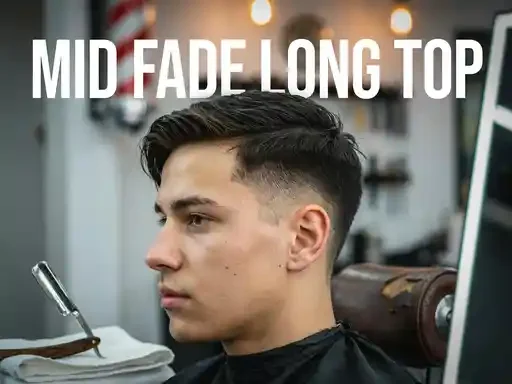
Quick answer: Keeping the top genuinely long, several inches or more, well beyond a quiff or pompadour’s typical length, paired with a mid fade creates one of the most dramatic contrasts available in this haircut category. It requires real patience during the growing-out phase, more deliberate hair care than shorter styles need, and a clear sense of what you’re growing toward, since long hair on top covers a wide range of possible finished looks.
This is less a single defined style and more a category of options that share one thing in common: significant length retained on top while the sides stay tightly faded.
Understanding the growing-out phase
Going from a shorter top to genuinely long hair takes months, and there’s an awkward middle period, often called the in-between phase, where the hair is too long to style easily into a shorter look but not yet long enough to do much with as long hair either. Knowing this phase is temporary and expected helps many men push through it rather than cutting the length off out of frustration partway through.
Regular trims during growing out matter more than people expect. Even though you are growing length, trimming split or damaged ends periodically (without cutting the overall length shorter) keeps the hair looking healthier and growing more evenly than simply avoiding the barber entirely for months.
What long on top can actually look like

- Swept back and loose, simply combed backward and left to fall naturally, showing off the length without much structure.
- Tied back or in a small ponytail, useful once the hair is long enough to gather, particularly practical for active days or simply a different daily option.
- Styled with volume and texture, using product to add body and movement rather than a flat, simply-long appearance.
- Worn with a defined part, bringing some structure to otherwise loose, long hair.
Hair care becomes more important with length
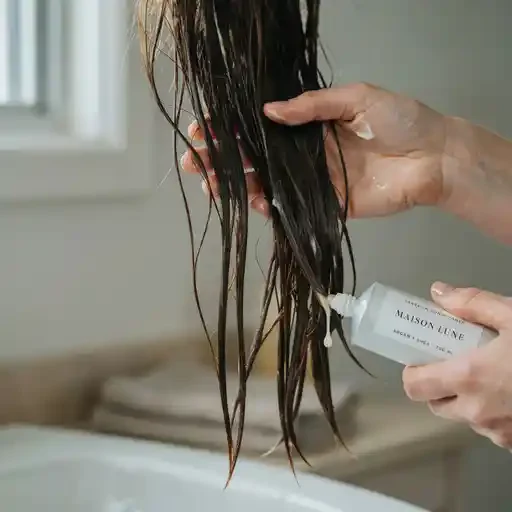
Longer hair is more prone to dryness, split ends, and general damage than short hair, simply because the ends are older and have been through more brushing, washing, and environmental exposure by the time they have grown to several inches. Regular conditioning, and potentially a leave-in conditioner or hair oil for the ends specifically, becomes a more meaningful part of your routine than it typically is with shorter styles.
Does hair type change what is realistic?
Yes, significantly. Straight hair grows out with relatively predictable length and can be styled in various ways as it lengthens. Wavy or curly hair, due to shrinkage, needs considerably more actual growth to achieve the same visual length once curls or waves are accounted for, a curly-haired man aiming for the same visual length as a straight-haired friend may need meaningfully more total hair growth to get there.
How does the fade interact with long top hair?

The fade itself works the same as always, tight, clean sides starting at temple level, but the contrast with a genuinely long top is more dramatic than with shorter styles, since the length difference between the two areas is much greater. Some men find they want to adjust their fade slightly (perhaps a bit less dramatic contrast, or extending the taper a bit higher before the top begins) to better balance a significant length of hair on top, which is worth discussing directly with your barber as the top grows longer.
Maintenance
The fade needs the usual regular attention, every 2 to 4 weeks. The top, while it is actively growing, is typically left alone except for occasional health-focused trims of damaged ends; once it reaches your target length, maintenance shifts toward keeping that length consistent with periodic trims, alongside a more involved hair care routine than shorter styles require.
The bottom line
Long hair on top paired with a mid fade is a genuine commitment, months of patient growing out, more attentive hair care than shorter styles need, and a clearer sense of what finished look you are working toward, since this category covers everything from loose and swept-back to tied-up and structured. The payoff is one of the more visually dramatic contrasts available with this haircut, but it is worth going in with realistic expectations about the process.
Frequently asked questions
How long does it take to grow a mid fade top out to real length?
Several months at minimum, depending on your hair growth speed and target length, with an awkward in-between phase along the way that is a normal, temporary part of the process.
Should you get trims while growing your hair out longer?
Yes, periodic trims focused on removing split or damaged ends, without cutting the overall length shorter, help the hair grow out healthier and more evenly than avoiding the barber entirely.
Does curly hair need more length than straight hair for the same visual look?
Yes, often significantly more, since curl shrinkage means visual length is shorter than actual hair length, so curly-haired men typically need more total growth to reach a comparable visual result.
Does the fade need to change for longer top hair?
Not necessarily, but some men adjust the fade slightly, less dramatic contrast or a higher taper point, to better balance significant top length, which is worth discussing with your barber as hair grows.
What hair care changes are needed for longer hair on top?
More attentive conditioning and potentially a leave-in conditioner or hair oil for the ends specifically, since longer hair is more prone to dryness and damage than shorter styles.
About the Author
Daniel Reyes got his first mid fade almost by accident. He asked his barber for “just a fade” and got one that started right at temple level. It became the cut he kept going back to, so he built mid-fade.com to cover it properly instead of burying it in generic fade lists.