Mid Fade for Thick Hair: Managing the Weight on Top

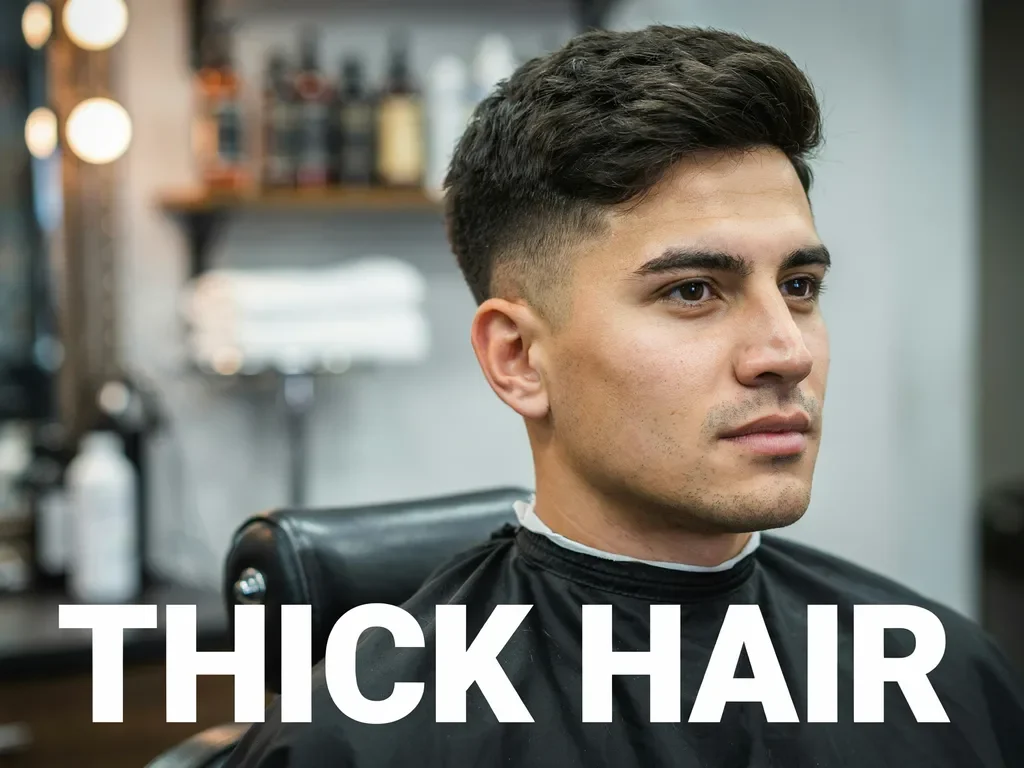
Quick answer: Thick hair (meaning a high density of hair strands, not necessarily coarse texture) pairs well with a mid fade, but often benefits from some thinning or texturizing on top to prevent the hair from looking heavy, bulky, or triangular in shape. The fade itself needs no special adjustment, the main consideration is managing volume and weight in the longer top section.
“Thick hair” specifically refers to how much hair you have per square inch of scalp, which is a different quality from how coarse or fine each individual strand is. Men with thick hair often have plenty of length and volume to work with, but that same density can create styling challenges if it’s not managed with the right cutting technique.
Why thick hair can look bulky without the right cut
When there’s a lot of hair packed into the top section, simply cutting it to length without removing any density can leave the top looking heavy, mushroom-shaped, or triangular rather than sitting naturally. This is especially noticeable with a mid fade, since the contrast between the tightly faded sides and a bulky, dense top makes the volume difference more visually obvious than it would be with a less dramatic haircut.
What to ask your barber for
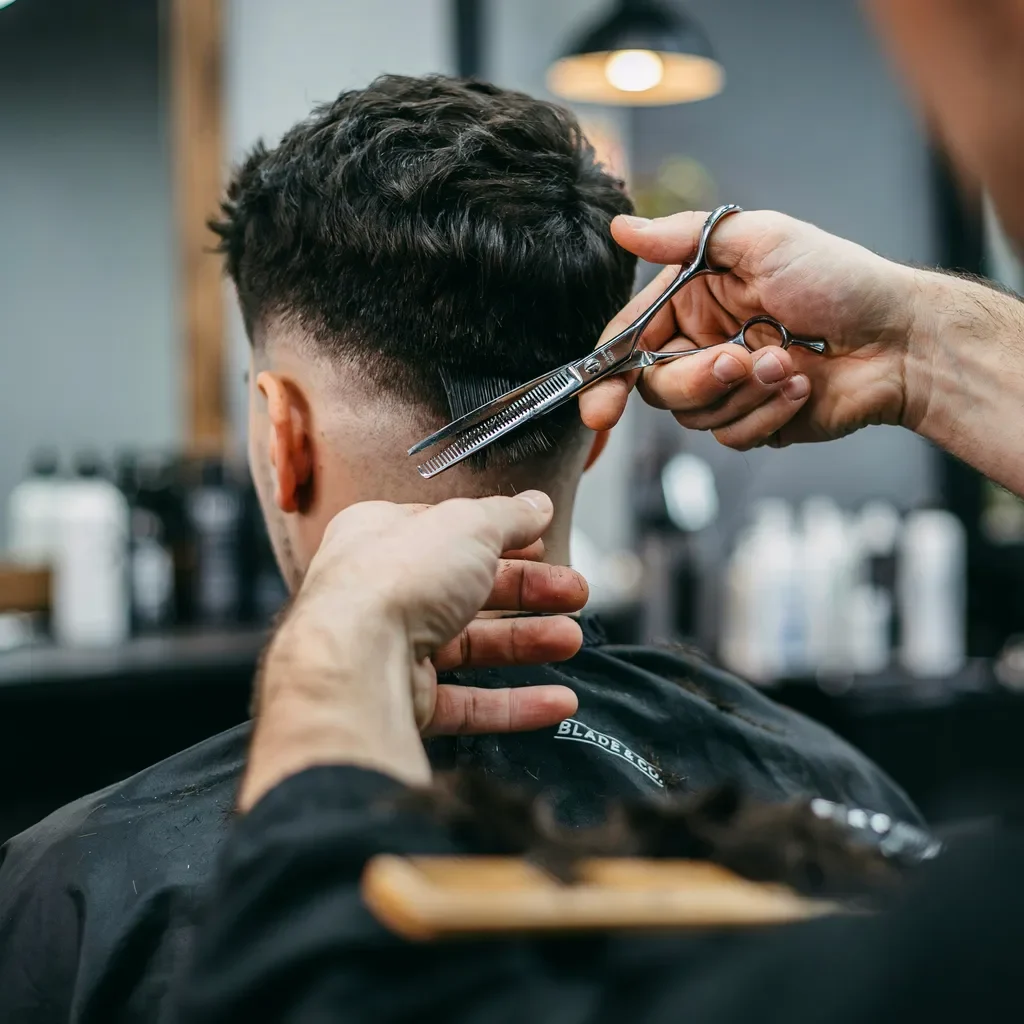
Thinning or texturizing shears. These tools remove some of the hair’s bulk without significantly shortening the overall length, reducing density so the top sits more naturally and moves better rather than sitting as a dense, heavy block.
Point cutting or texturizing at the ends. Rather than a single blunt cut across the top, texturizing the ends creates broken-up, varied lengths that reduce the appearance of density and add natural-looking movement.
A slightly shorter length than you might otherwise choose. While not strictly necessary, some men with very thick hair find that a marginally shorter top length is easier to manage day to day than pushing for maximum length, simply because there’s already so much hair to work with.
Styling thick hair with a mid fade
Because there’s already plenty of volume built into thick hair naturally, styling often needs less product than thinner hair types require to achieve a similar finished look, the goal is usually controlling and directing the hair rather than adding volume it doesn’t need. A matte clay or lightweight cream, applied sparingly, tends to work better than a heavy pomade, which can make already-voluminous hair look greasy or weighed down rather than styled.
Styles that work well with thick hair
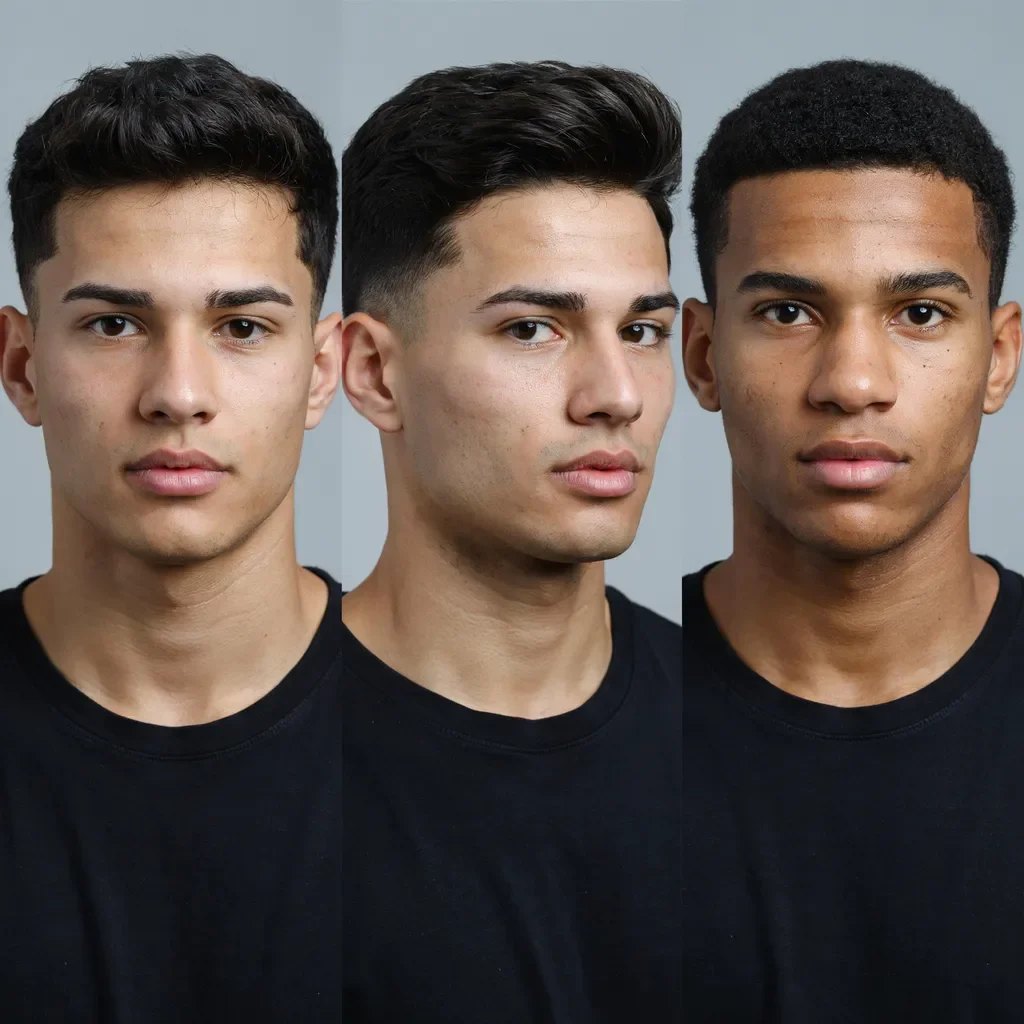
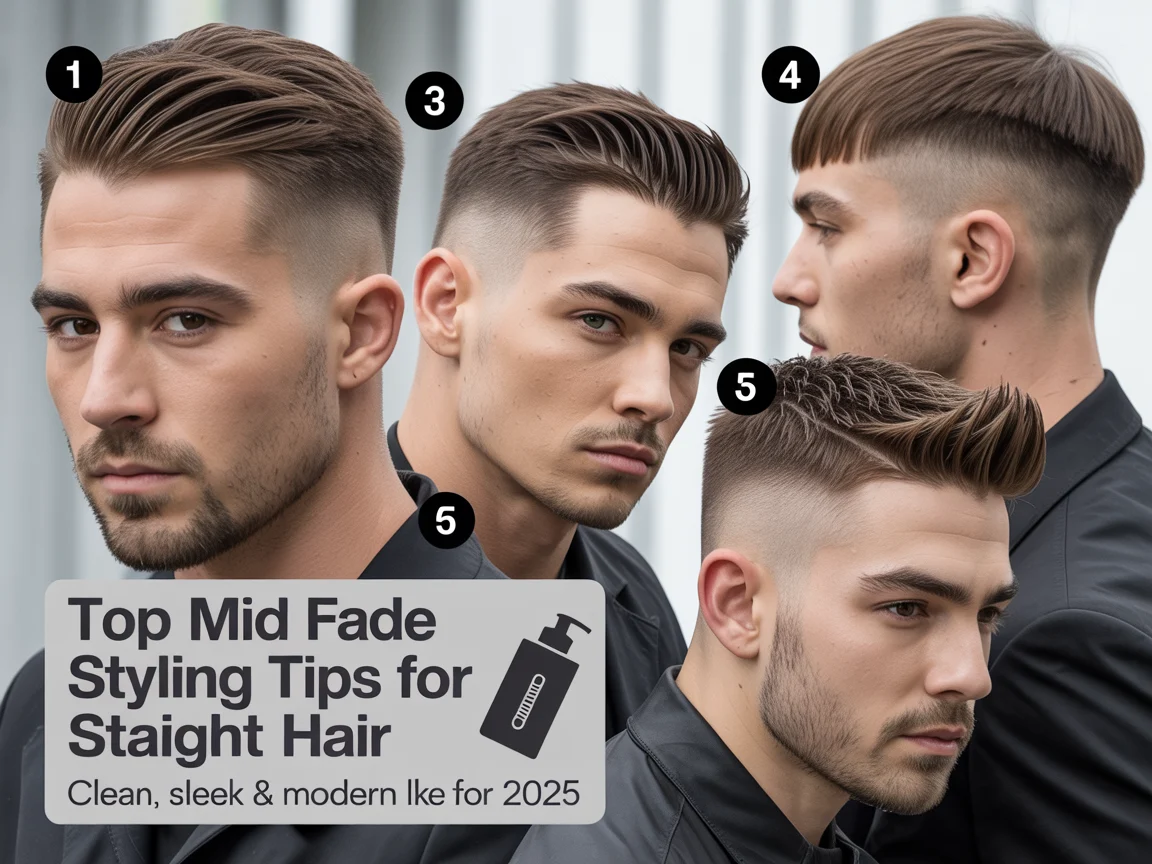
A textured crop, where texturizing has already removed some bulk, gives you a manageable, naturally textured look that doesn’t fight against the hair’s density.
A side part, provided the hair has been appropriately thinned, can work well, though very thick, untreated hair sometimes resists holding a defined part line without some texturizing first.
Shorter, cropped styles generally tend to be more forgiving for very thick hair than longer, styled looks, simply because there’s less overall volume to manage and control.
Does thick hair need a different fade approach?
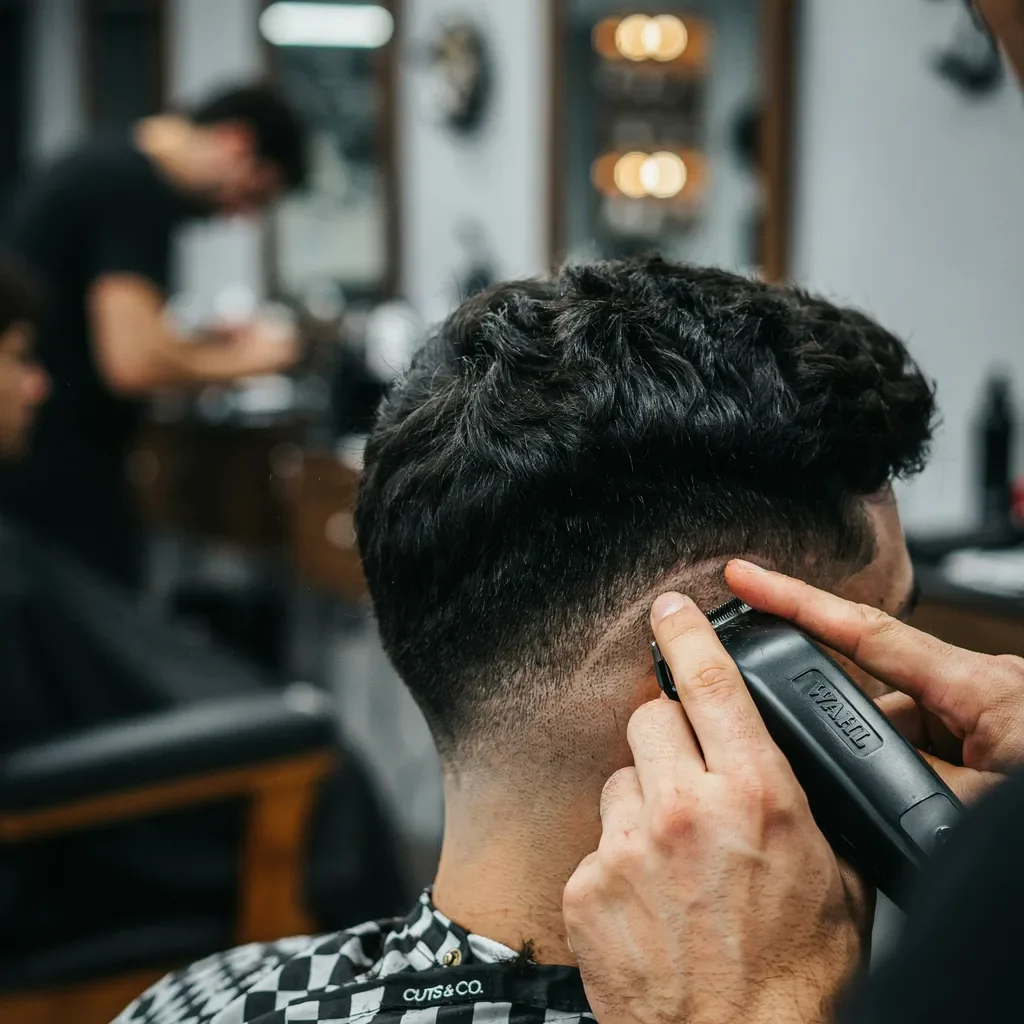
Not really, the fade blend at the sides is unaffected by hair density on top, since that area is cut very short regardless. Where thick hair does sometimes matter for the fade itself is at the very top of the blend, where it meets the longer top section, a skilled barber will account for the extra density there to keep the transition looking clean rather than abrupt.
How often does thick hair need a haircut?
Similar to other hair types for the fade portion, every 2 to 4 weeks. The top, because of its density, can sometimes look like it needs a trim sooner than it structurally does, simply because more hair growing in is more visually noticeable than the same amount of growth on thinner hair. This is worth discussing with your barber if you find yourself wanting more frequent top trims than the fade itself requires.
The bottom line
Thick hair works well with a mid fade, but benefits from thinning or texturizing on top to manage density and avoid a heavy, bulky look. The fade blend itself doesn’t need special treatment for hair density, though your barber should account for the extra volume where the fade meets the top. Style with a lighter hand than you might expect, thick hair often needs less product, not more, since the volume is already built in.
Frequently asked questions
Does thick hair need special treatment for a mid fade? Yes, mainly on top. Thinning or texturizing shears are commonly used to reduce density and prevent the top from looking heavy or bulky, though the fade blend itself needs no special adjustment.
What’s the difference between thick and coarse hair? Thick refers to the density of hair, how many strands per square inch, while coarse refers to the texture and diameter of individual strands. They’re related but different qualities, and both can influence styling choices.
Does thick hair need more or less product than other hair types? Generally less. Thick hair already has substantial natural volume, so the goal is usually controlling and directing it rather than adding more volume with product.
Can thick hair hold a defined side part with a mid fade? Yes, but it often needs some texturizing first to reduce bulk, since very thick, untreated hair can resist holding a crisp part line on its own.
How often should thick hair with a mid fade be cut? Roughly every 2 to 4 weeks for the fade itself, similar to other hair types, though the top may feel like it needs trimming sooner simply because growth is more visually noticeable with higher hair density.
About the Author
Daniel Reyes got his first mid fade almost by accident. He asked his barber for “just a fade” and got one that started right at temple level. It became the cut he kept going back to, so he built mid-fade.com to cover it properly instead of burying it in generic fade lists.