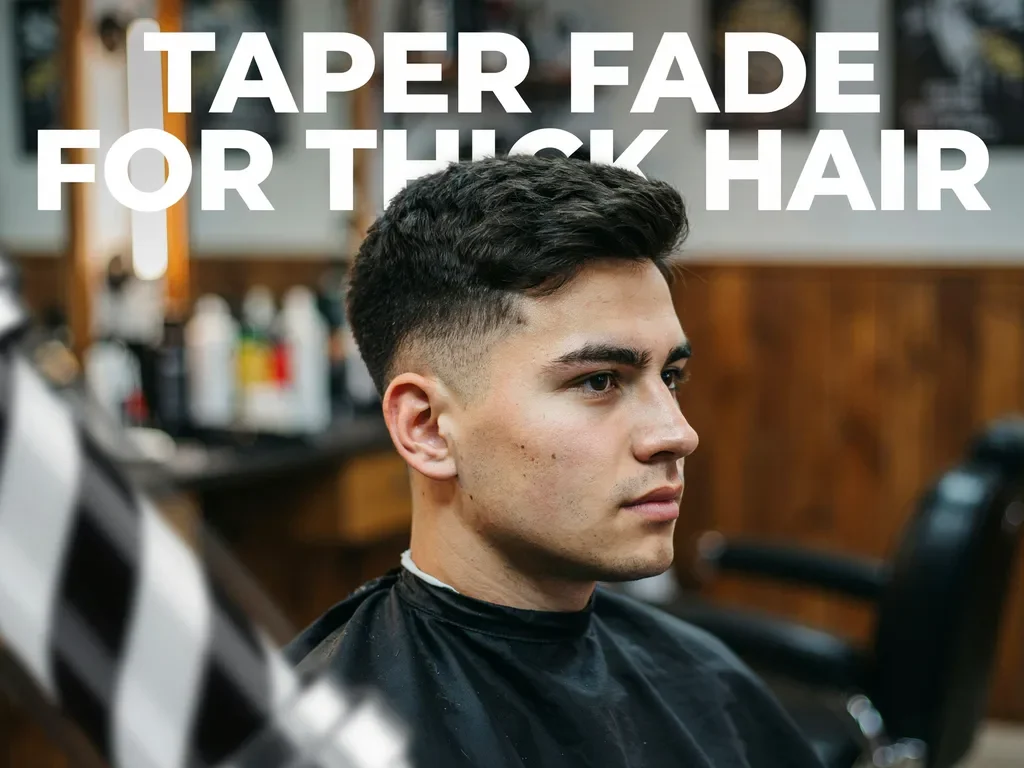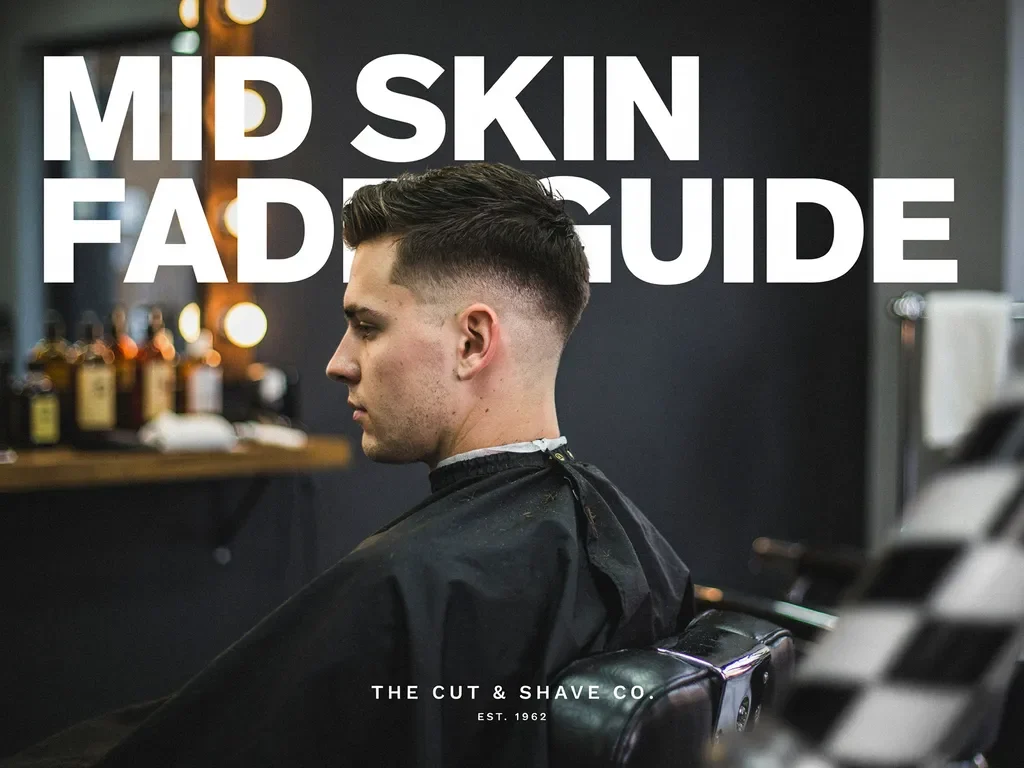
Mid Fade Undercut Combo: Blending Two Distinct Styles

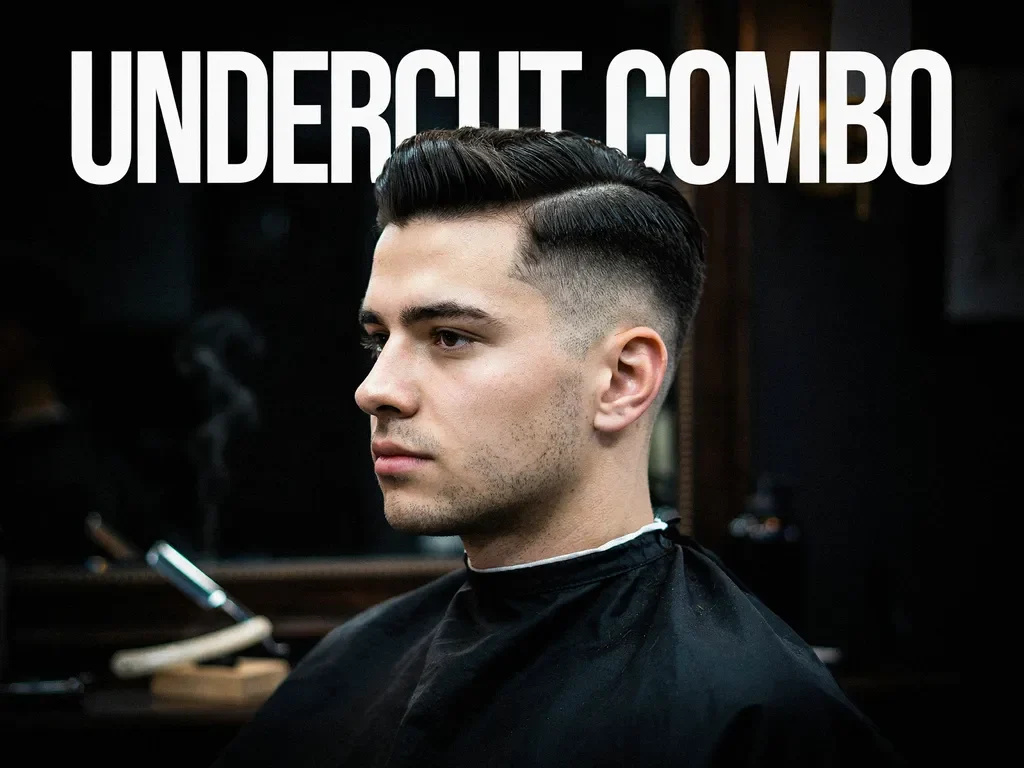
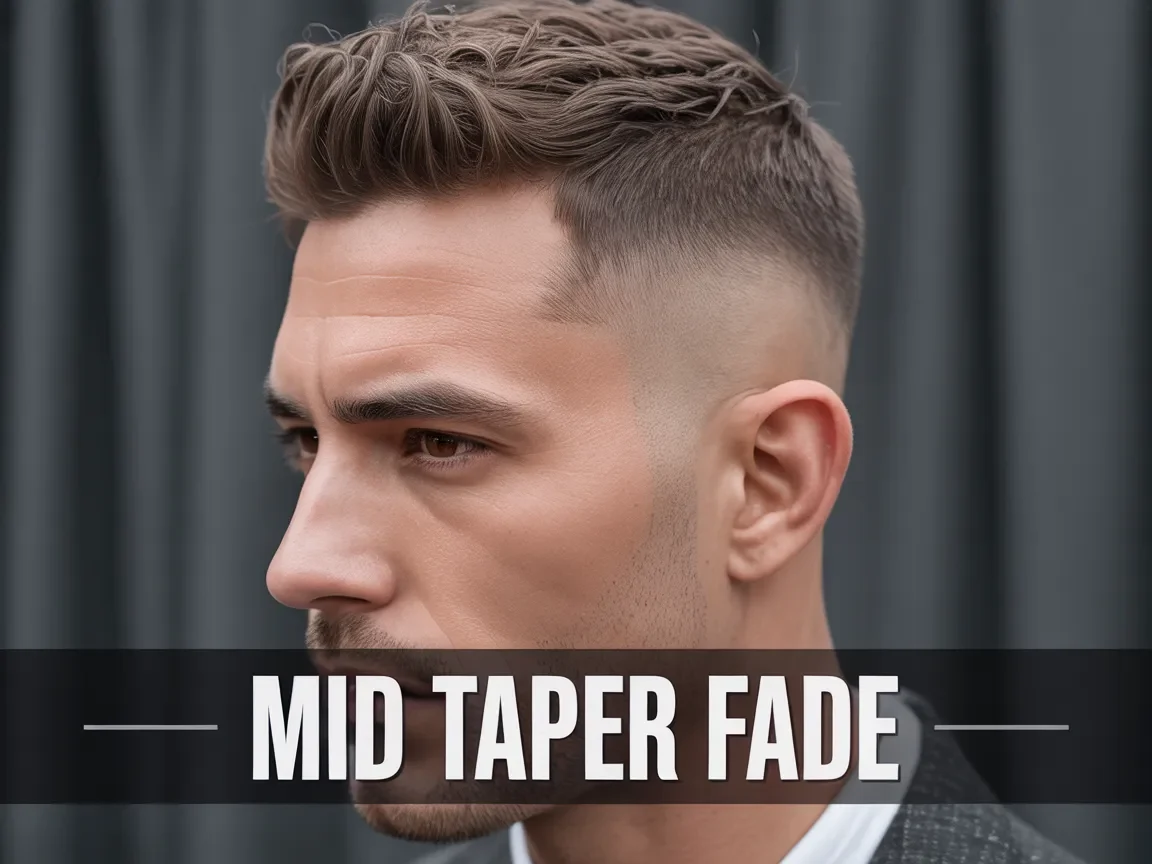
Quick answer: A mid fade and an undercut are technically two different approaches to short sides, a mid fade blends gradually from short to long, while a classic undercut cuts the sides to one uniform short length with a sharp, disconnected line where the longer top begins. A mid fade undercut combo typically means a fade that blends gradually but still creates a clear, more disconnected feeling contrast with the top, borrowing the sharp, bold visual separation associated with undercuts while keeping the smoother gradient technique of a proper fade.
Understanding this combination requires first understanding that a true undercut and a fade are, strictly speaking, different techniques, which makes a genuine combo a specific hybrid approach rather than simply two interchangeable terms for the same thing.
The technical difference between a fade and an undercut
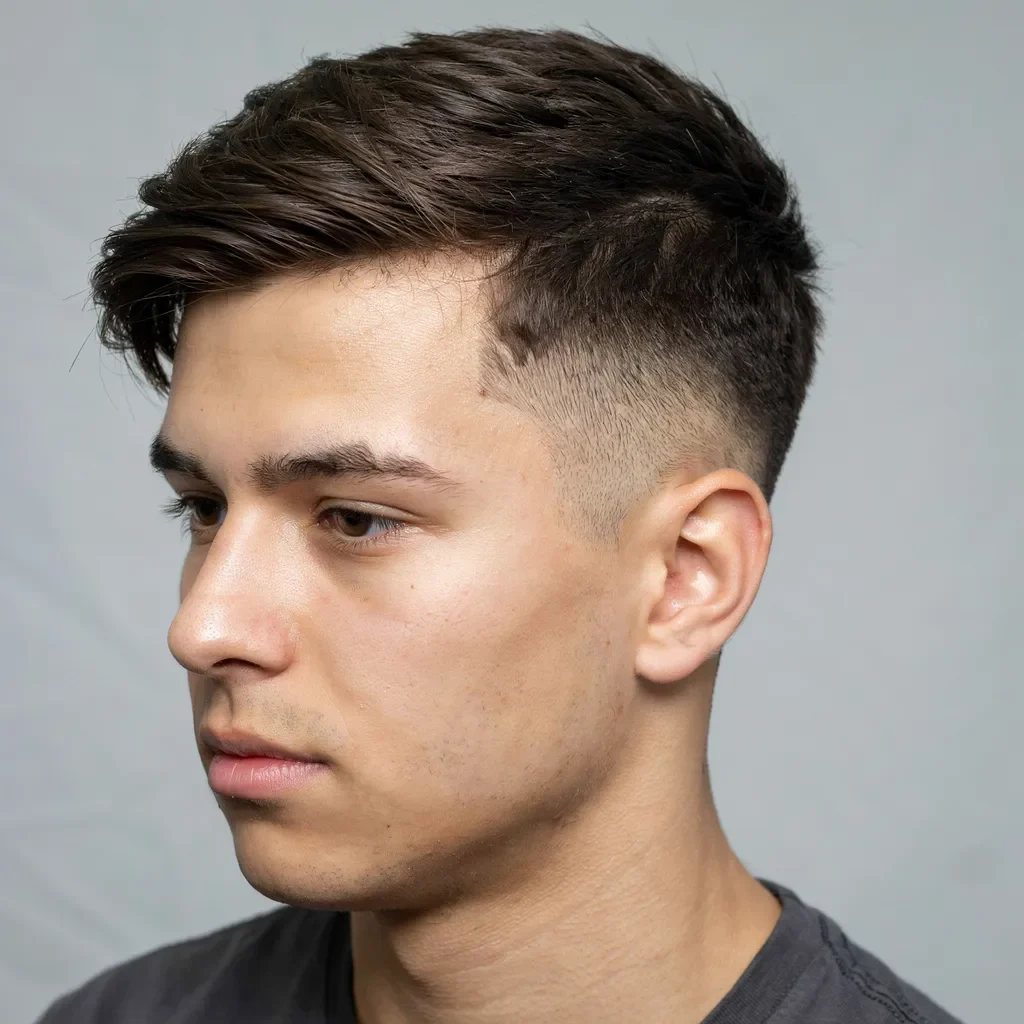
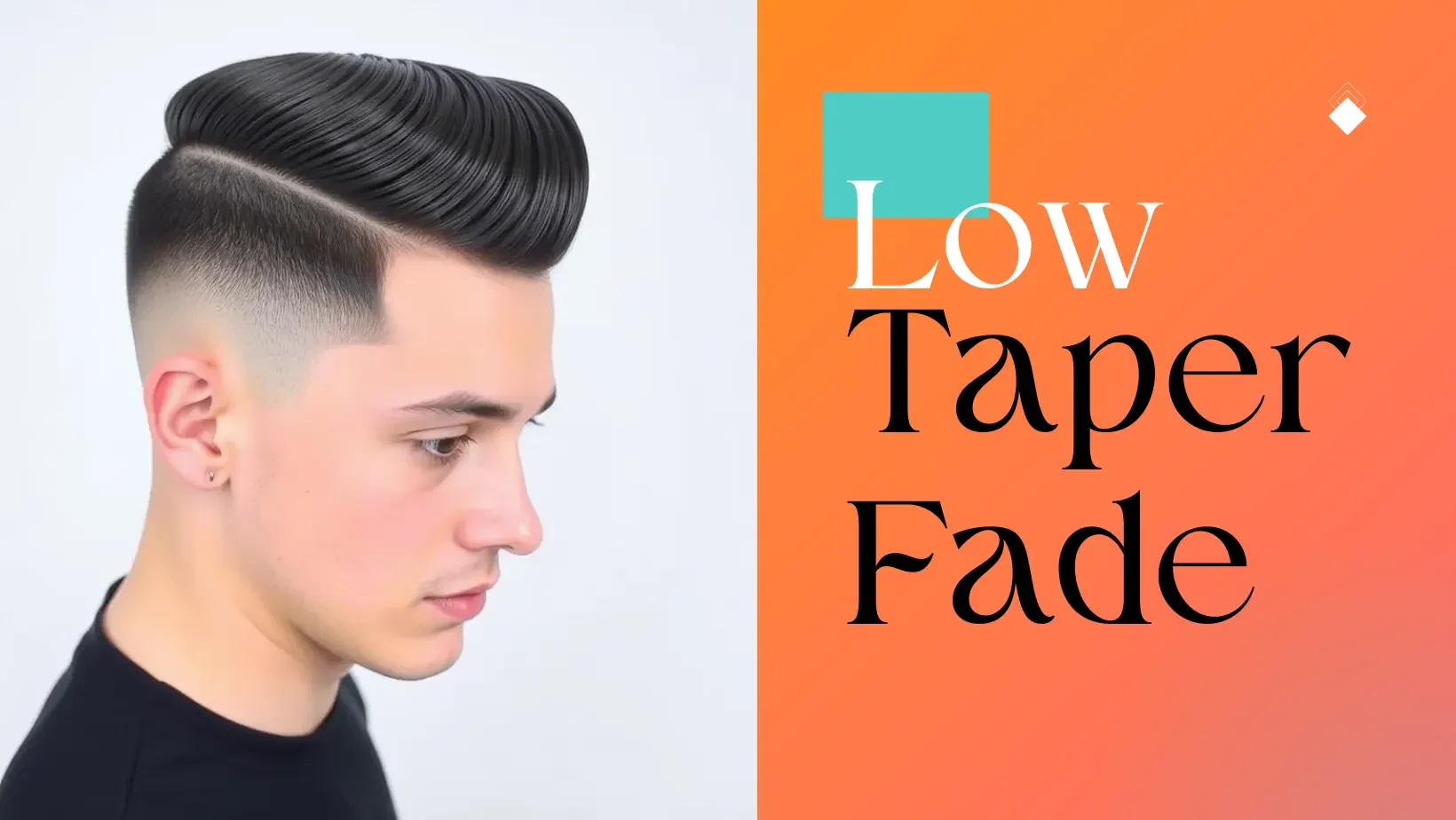
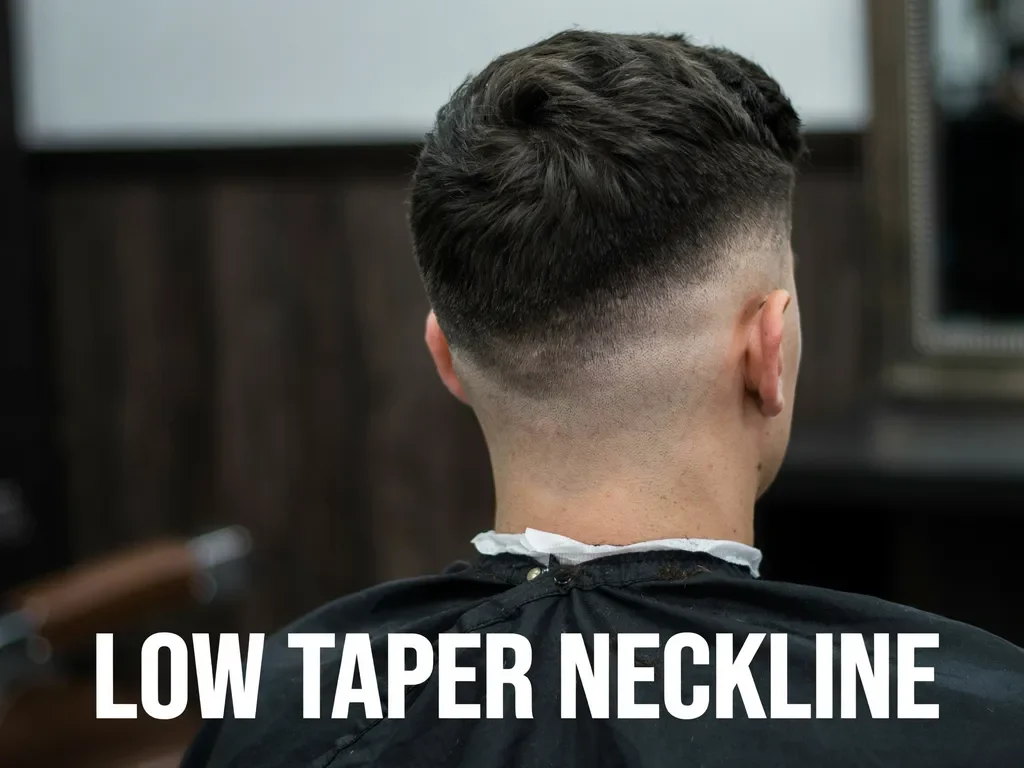
A classic undercut clips the sides to a single, uniform short length, with an abrupt, disconnected line where that short section meets the longer top, there is no gradual blending between the two. A fade, including a mid fade, instead gradually transitions through multiple lengths, creating a smooth gradient rather than one sharp jump from short to long.
So what does a mid fade undercut actually mean in practice?
This term is most often used to describe a mid fade that is cut with a bit more contrast and a slightly more pronounced, bolder transition toward the top of the fade, echoing the disconnected, high contrast visual quality that made undercuts popular, while still technically using proper fade blending technique rather than a true single length undercut. It is a stylistic direction, bolder contrast, more disconnected feeling, applied to fade technique, rather than a literal combination of two entirely separate cutting methods.
How to communicate this to your barber
Since undercut and fade can be used inconsistently by different people, being specific about what you actually want avoids confusion: I want a mid fade, but with a bit more contrast and a sharper feeling transition toward the top, similar to how an undercut looks, rather than a very smooth, gradual blend. A reference photo is particularly useful here, given how much ambiguity exists in how people use these two terms.
Which top styles pair well with this bolder, more disconnected look
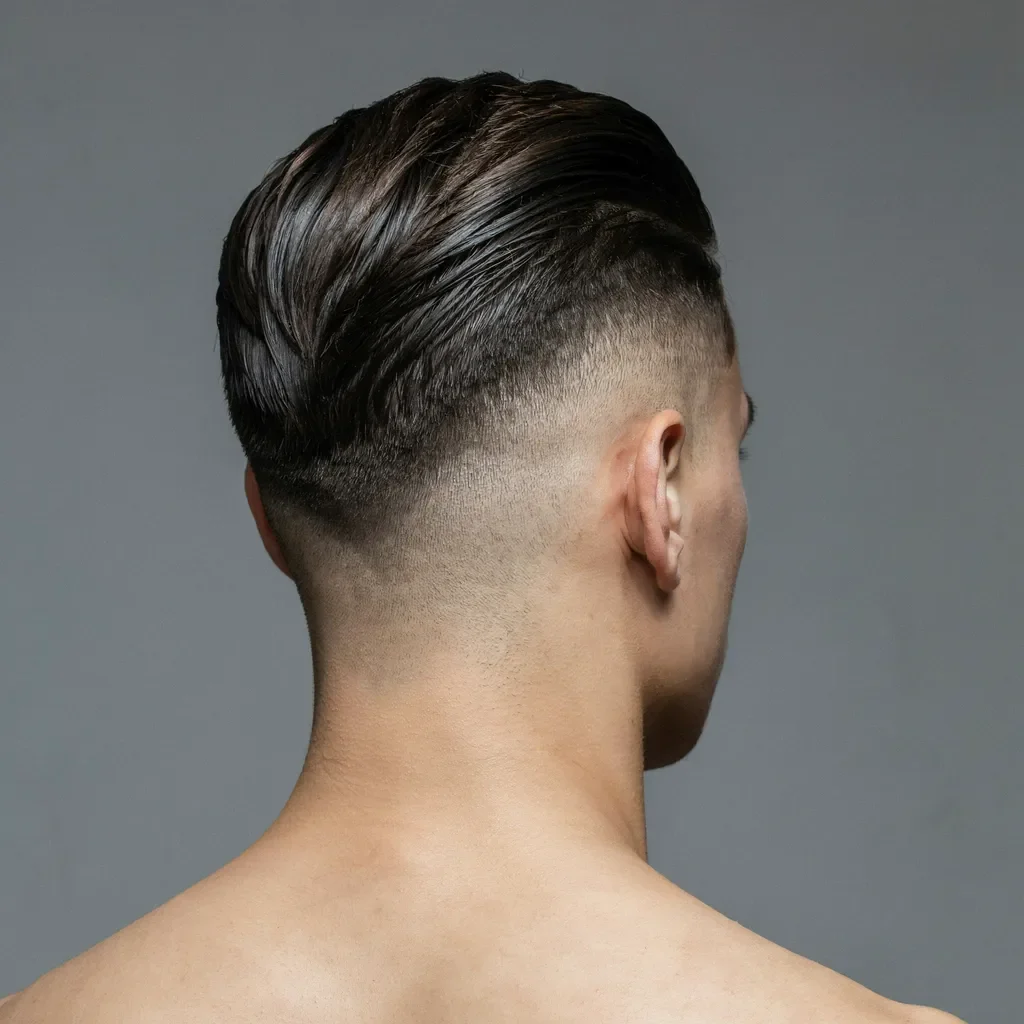
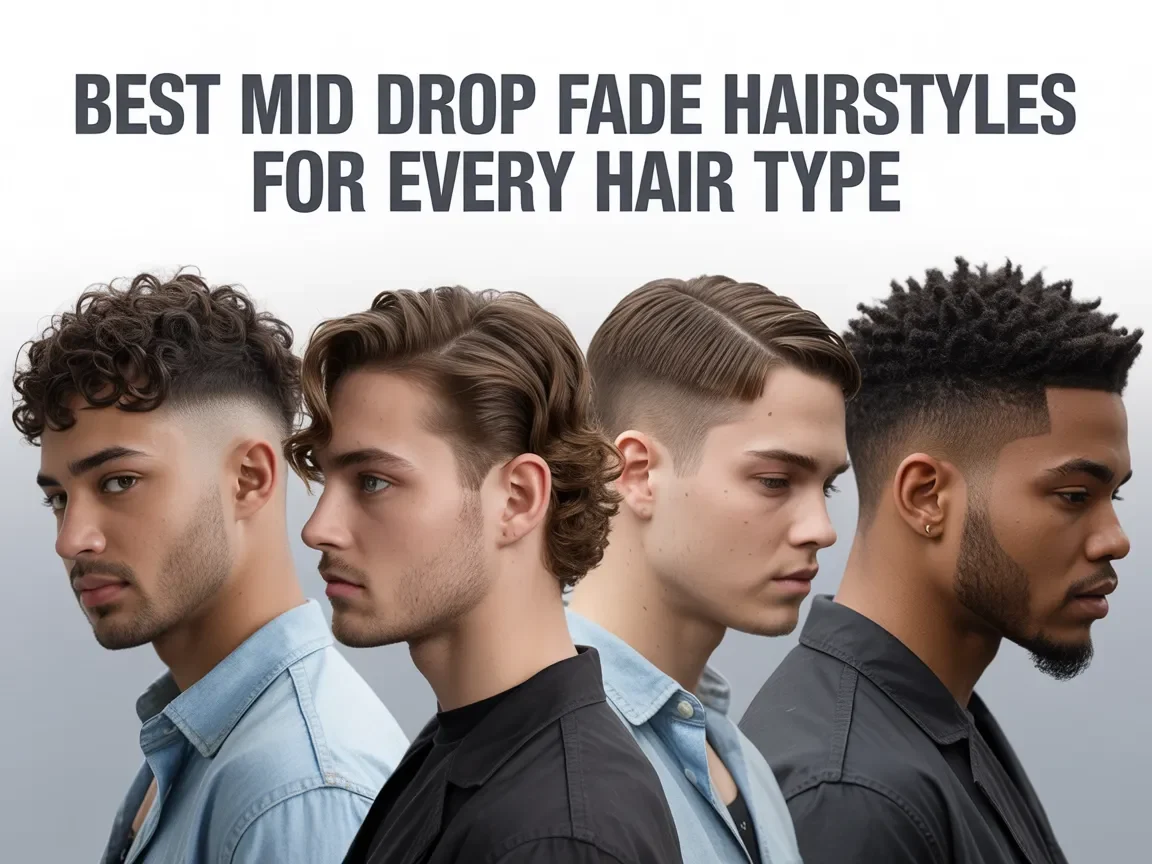
A slicked back or side parted top pairs particularly well, since undercuts historically became popular alongside these more structured, combed styles, and the sharp contrast at the sides complements a clean, defined top shape.
A textured or messy top also works, creating a deliberate contrast between the bold, disconnected sides and a more relaxed, casual top texture.
Longer top styles generally show off this bolder side contrast particularly well, since there is more length on top to create genuine visual separation from the shorter sides.
Does this require different technical skill from a standard mid fade?
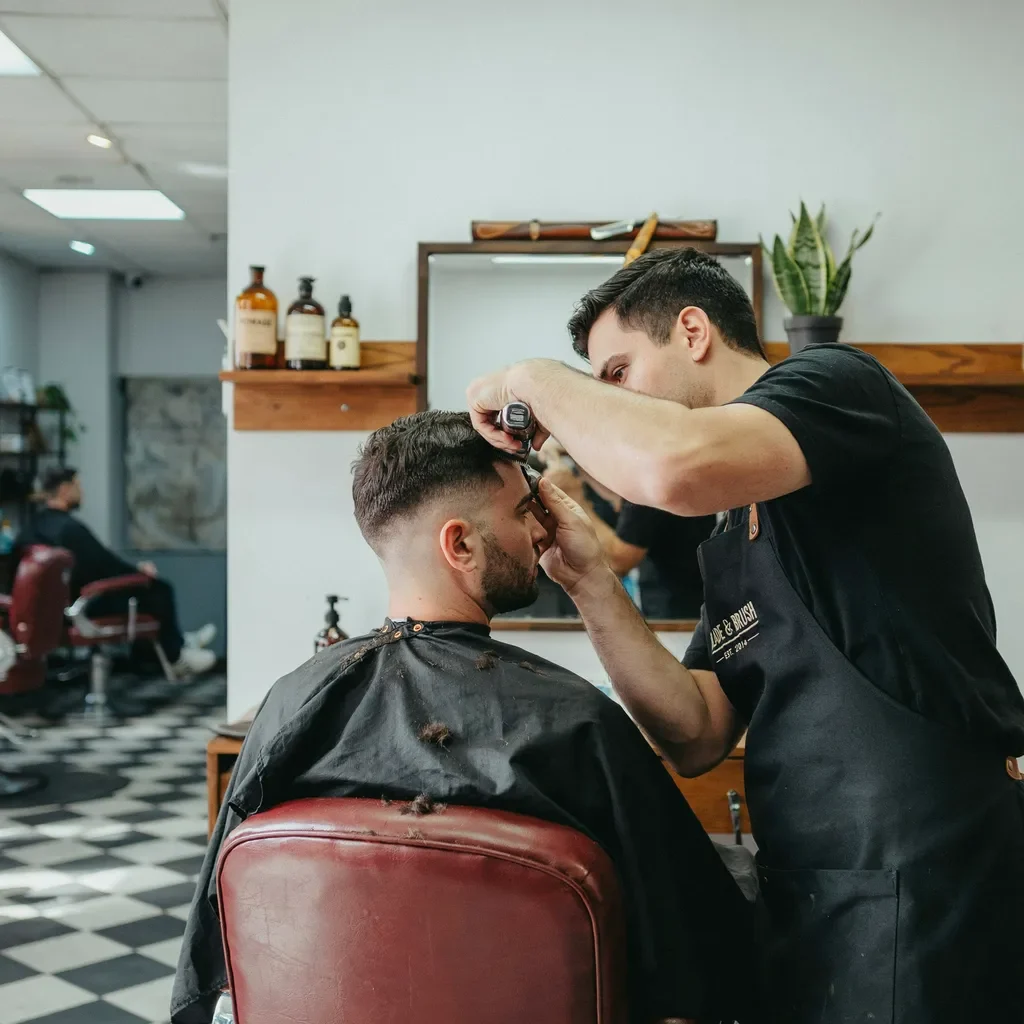
To some degree, achieving a fade that reads with more disconnected, bold contrast while still technically blending properly, rather than actually being a true, un blended undercut, requires a barber who understands both techniques and can execute this specific stylistic middle ground deliberately, rather than defaulting to either a fully smooth fade or a true, sharply disconnected undercut.
Maintenance
This follows the same general schedule as any mid fade, every 2 to 4 weeks, since the underlying technique is still a proper fade blend rather than a true undercut requiring different maintenance considerations. The bolder contrast may show regrowth slightly more noticeably than a very soft, gradual fade, simply due to the more pronounced visual boundary, similar to how any higher contrast fade shows growth somewhat sooner than a softer one.
The bottom line: A mid fade undercut combo is best understood as a mid fade styled and cut with bolder, more disconnected feeling contrast, borrowing the striking visual quality that made classic undercuts popular while retaining proper fade blending technique rather than literally combining two separate cutting methods. Being specific about the level of contrast and disconnection you want, ideally with a reference photo, helps avoid the genuine ambiguity that exists around how these two terms get used.
Frequently asked questions
Is a mid fade undercut the same as a classic undercut?
Not technically. A classic undercut cuts the sides to one uniform length with an abrupt, disconnected line, while a mid fade undercut combo uses proper fade blending technique but with bolder, more pronounced contrast that echoes the undercut striking visual quality.
How do you communicate this specific look to a barber?
Be specific about wanting a fade with more contrast and a sharper feeling transition rather than a very smooth, gradual blend, and bring a reference photo given how inconsistently these terms are sometimes used.
What top styles pair well with a bolder, undercut inspired mid fade?
Slicked back or side parted tops pair particularly well, along with longer top styles generally, since both create meaningful visual separation from the bolder, more disconnected feeling sides.
Does this style need a specific barber skill?
Yes, to some degree. It requires understanding both fade and undercut techniques and deliberately executing a middle ground, rather than defaulting to either a fully smooth fade or a true, sharply disconnected undercut.
How often does this style need maintenance?
The same general schedule as any mid fade, every 2 to 4 weeks, though the bolder contrast may show regrowth slightly sooner than a very soft, gradual fade would.
About the Author
Daniel Reyes got his first mid fade almost by accident. He asked his barber for “just a fade” and got one that started right at temple level. It became the cut he kept going back to, so he built mid-fade.com to cover it properly instead of burying it in generic fade lists.