Mid Fade vs High Taper Fade: Which One Is Right for You?

Quick answer: A mid fade starts at temple level and typically blends to skin — balanced contrast, modern look. A high taper fade starts near the crown (much higher on the head) but stops before bare skin — maximum coverage, softer finish. The mid fade sits lower and goes sharper; the high taper sits higher but stays softer. The mid fade is bolder at the base; the high taper is bolder in coverage but gentler in depth.
At first glance these two cuts sound like they should be similar — both are popular, both are modern, both create contrast between the sides and top. But they work in fundamentally different ways, and understanding the difference helps you pick the one that actually suits your face, hair, and lifestyle.
What is a mid fade?
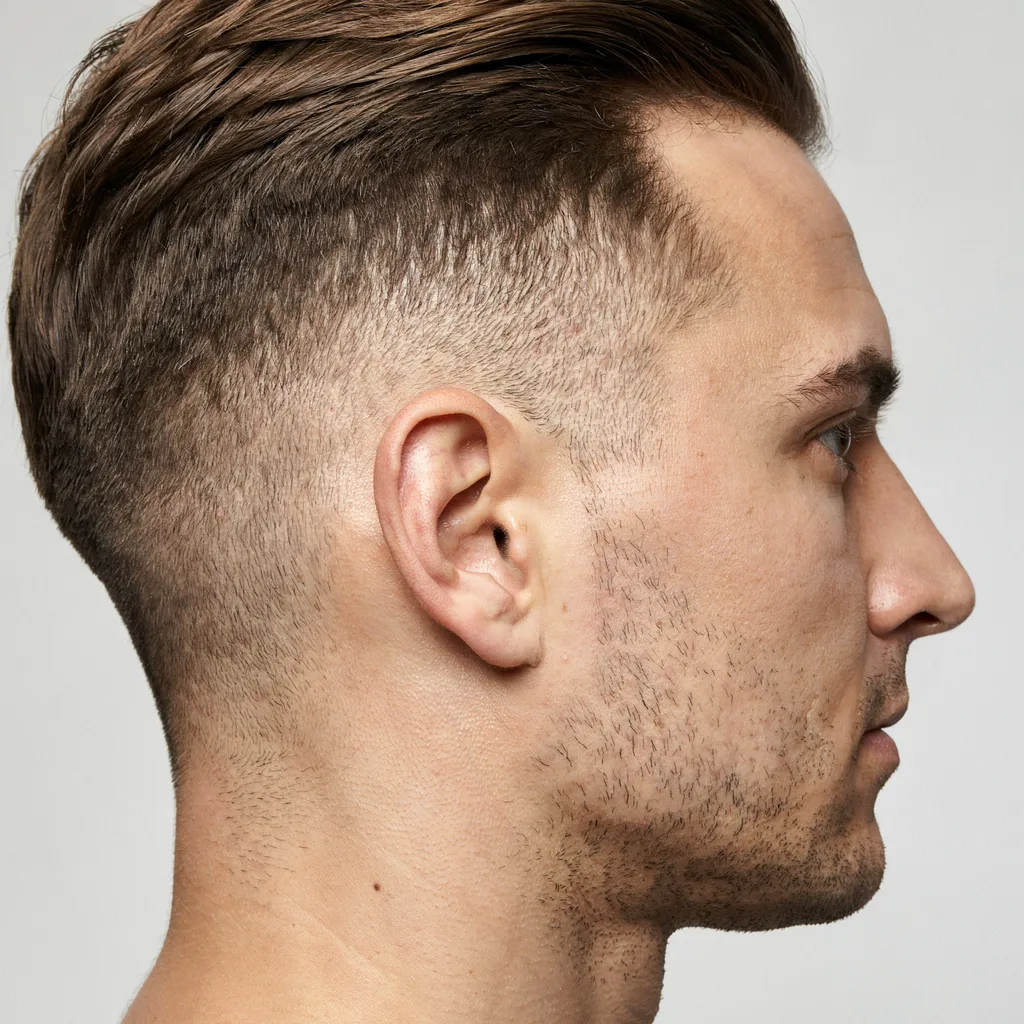
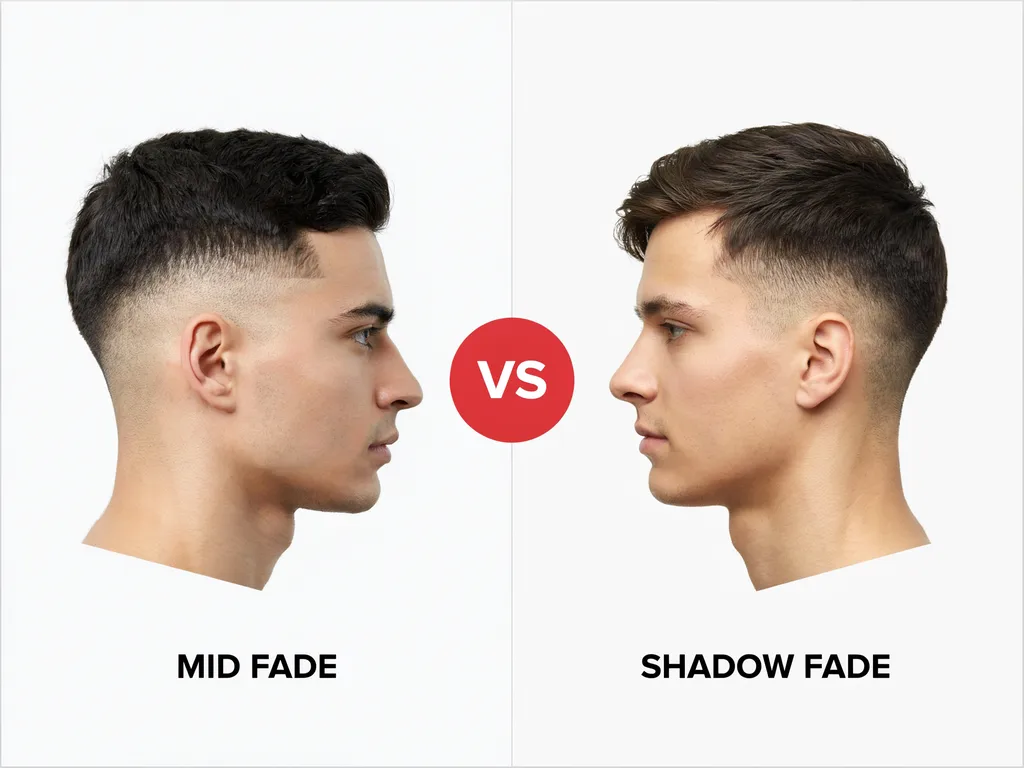
A mid fade starts the gradient at temple level — about 1 to 2 inches above the ear, in the middle of the side — and blends the hair down to a very short length or bare skin at the bottom. The result is a clean, balanced fade with a clearly visible contrast zone that sits in the middle of the head. For the complete guide, see our Mid Fade Haircut guide.
What is a high taper fade?
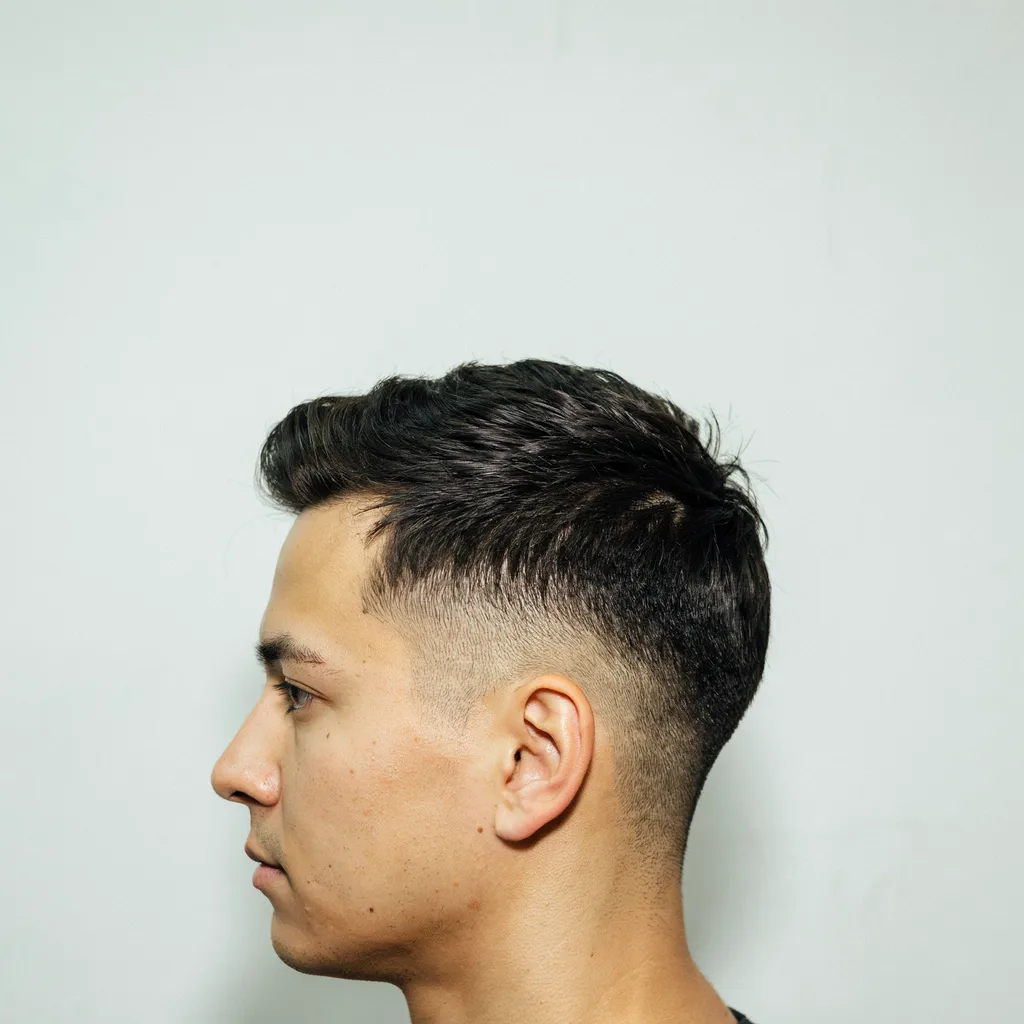
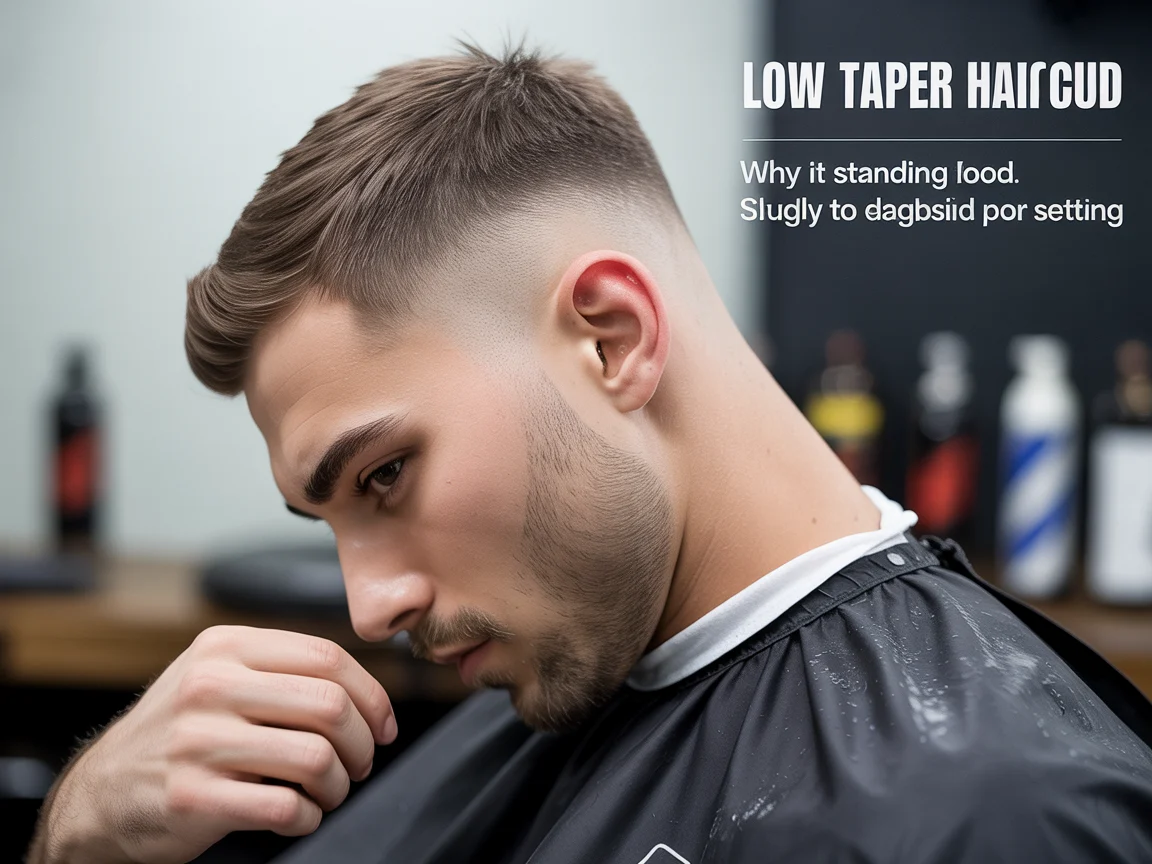
A high taper fade starts the graduation near the crown — high on the head, above the temples — and blends the hair shorter as it moves down the sides. However, like all tapers, it stops before reaching bare skin at the base. The hair at the bottom of the sides is short but not bald. Because the graduation covers the entire upper side of the head, a high taper creates a lot of coverage — the faded area is large — but the soft finish means there is no bare scalp visible.
The two dimensions again: placement and depth
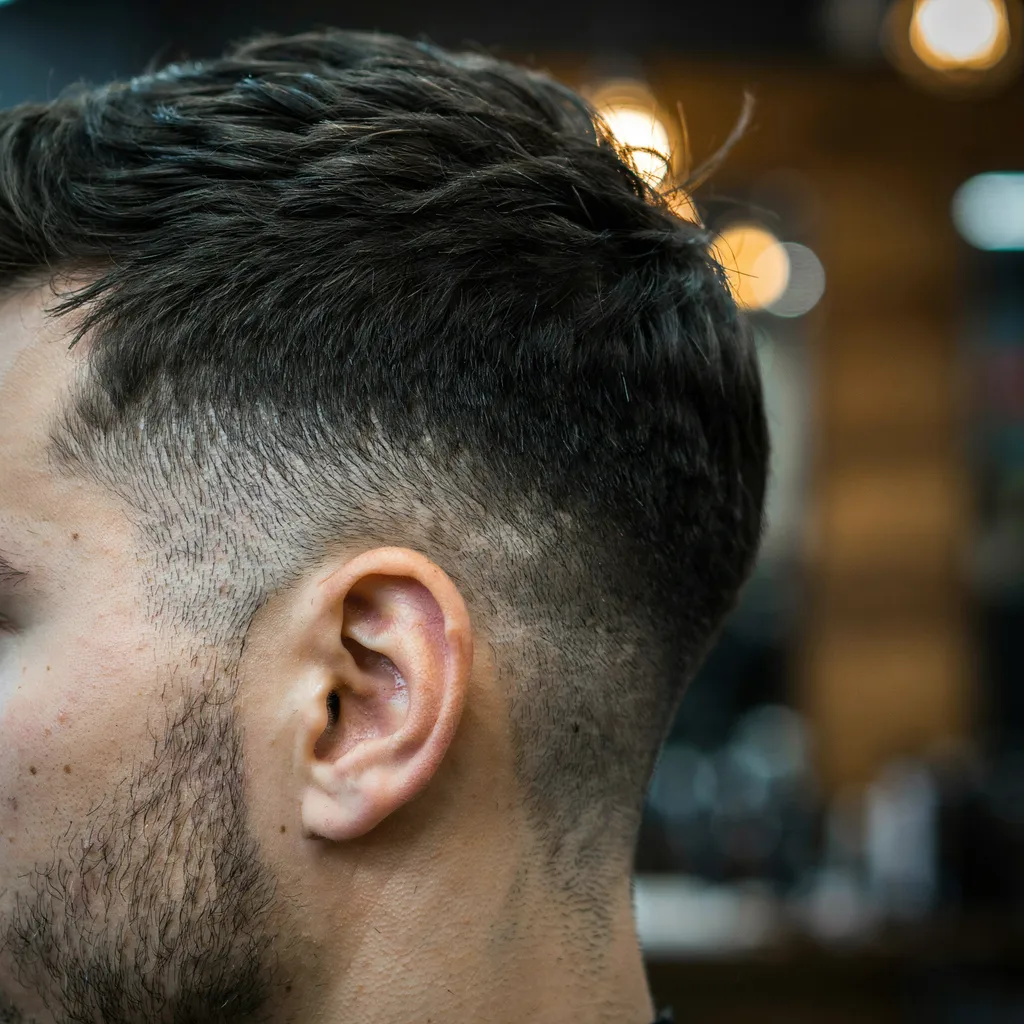
Just like other comparisons in this series, the mid fade and the high taper differ on both key axes:
Placement:
- Mid fade → starts at temple level (middle of the head)
- High taper → starts near the crown (top of the sides)
Depth:
- Mid fade → typically goes to skin (sharper at the base)
- High taper → stops before skin (softer at the base)
The mid fade covers the lower half of the sides with a sharp gradient. The high taper covers almost the entire side with a soft gradient. These two approaches create very different silhouettes.
Side-by-side comparison

| Mid Fade | High Taper Fade | |
|---|---|---|
| Starting height | Temple level | Near the crown |
| Coverage area | Lower half of the side | Most of the side |
| Bottom depth | Skin or near-skin | Stops before skin |
| Contrast style | Sharp at the base | Soft throughout |
| Silhouette | Clean divide mid-head | Gradual all-over reduction |
| Maintenance | Every 2–3 weeks | Every 3–4 weeks |
| Best setting | Modern casual + office | Versatile — most settings |
| Best for | Defined modern look | Subtle high-coverage look |
How they look different in person
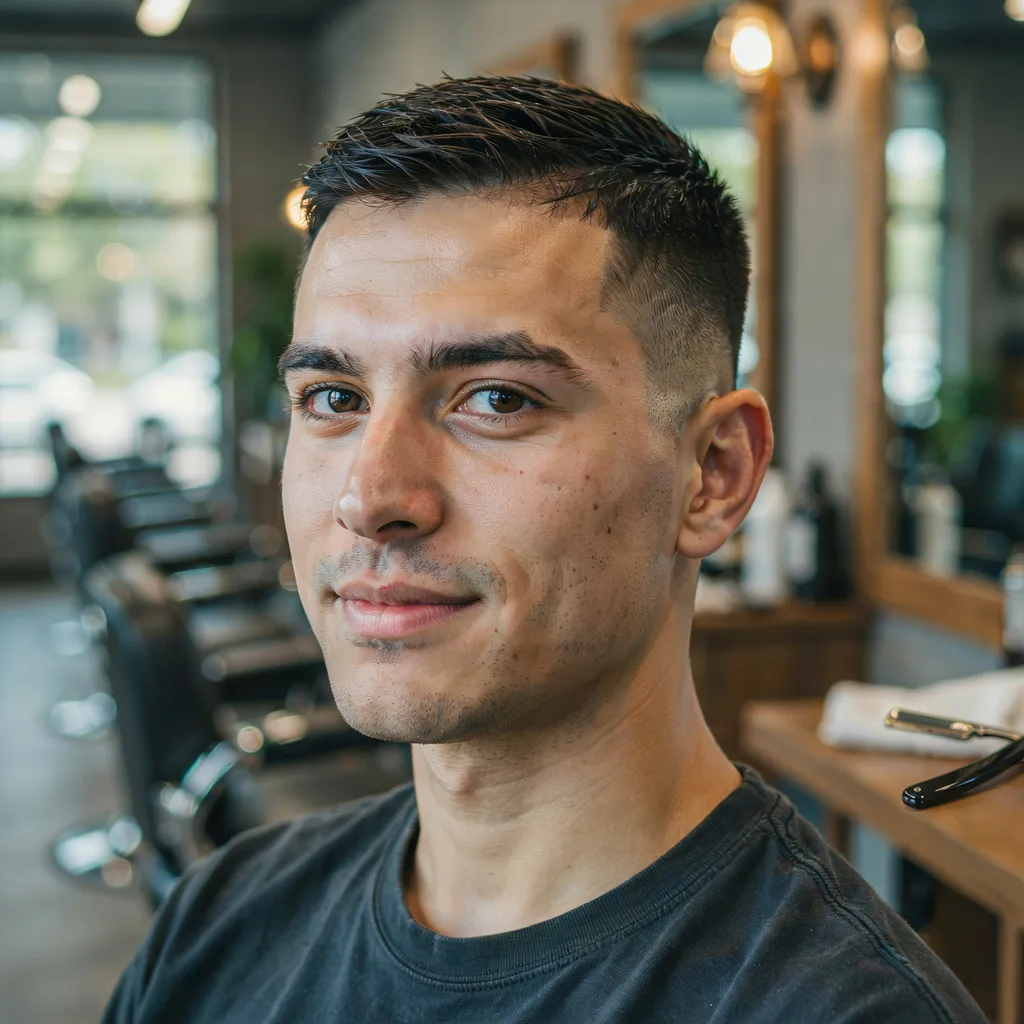
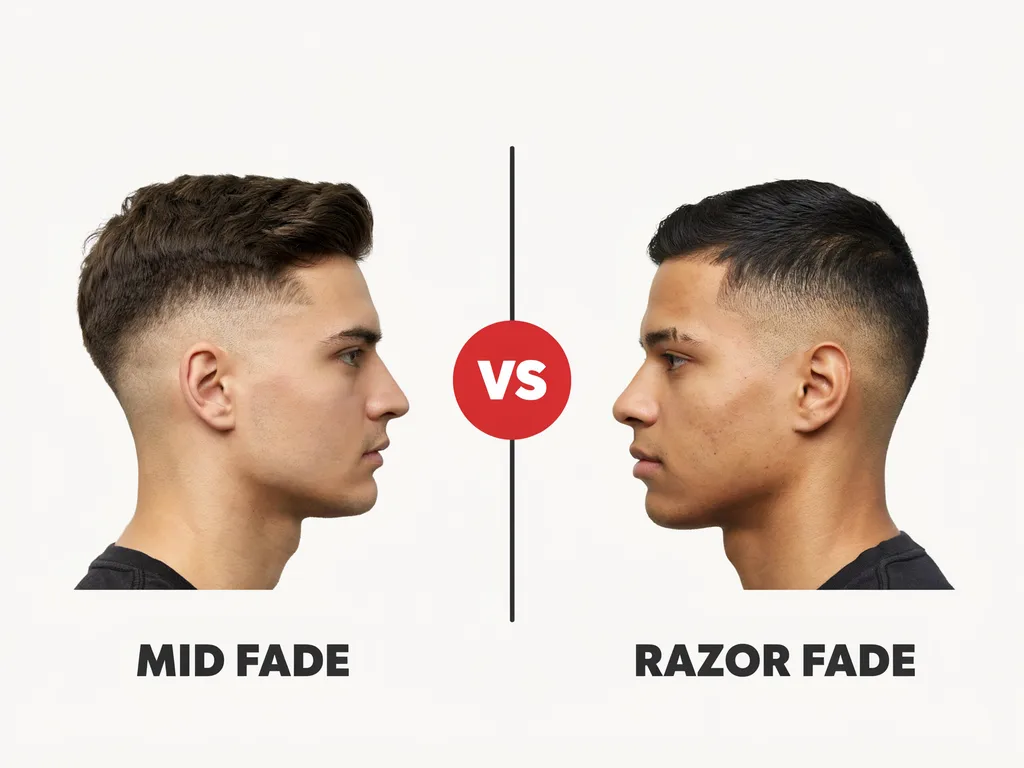
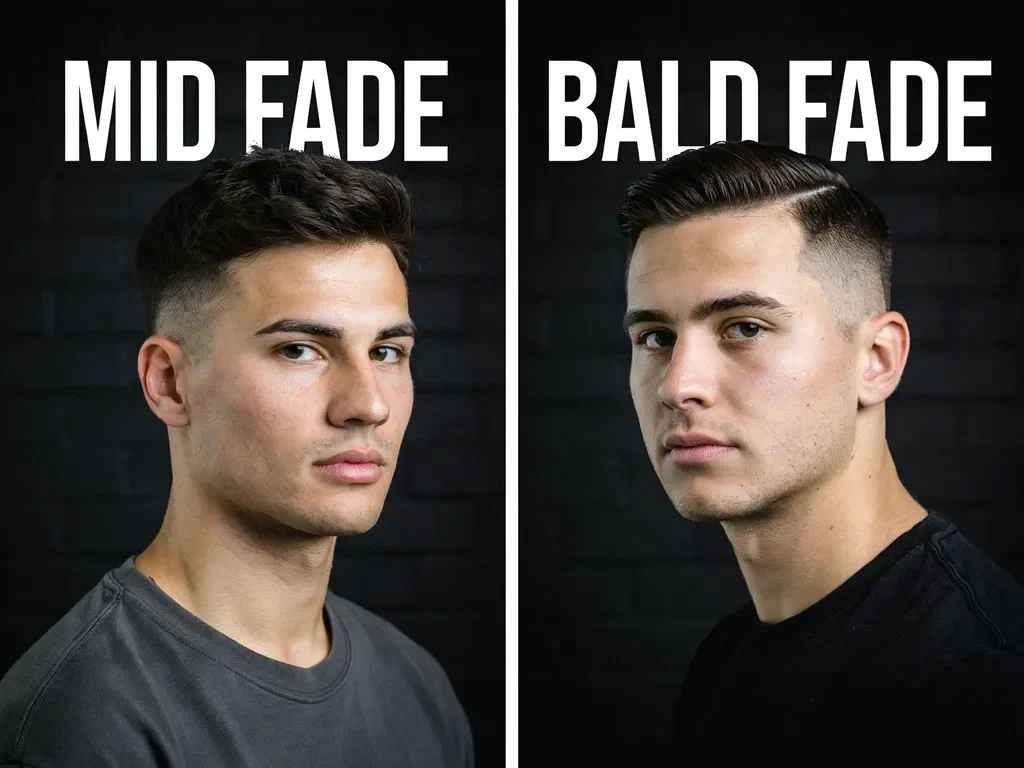
Mid fade: There is a clear, defined contrast zone in the middle of the head. Below temple level, the hair transitions from short to very short or skin. Above it, full length is maintained. The cut creates a strong visual divide between the top and the sides that reads from every angle.
High taper fade: Almost the entire side of the head is involved in the graduation. The hair goes from full length at the crown down through a long, gradual taper to short at the ear and below. Because the gradient is soft throughout and never reaches skin, the overall effect is a gently shaped head with a lot of coverage — less dramatic than a mid fade but covering more ground.
Which creates more contrast?
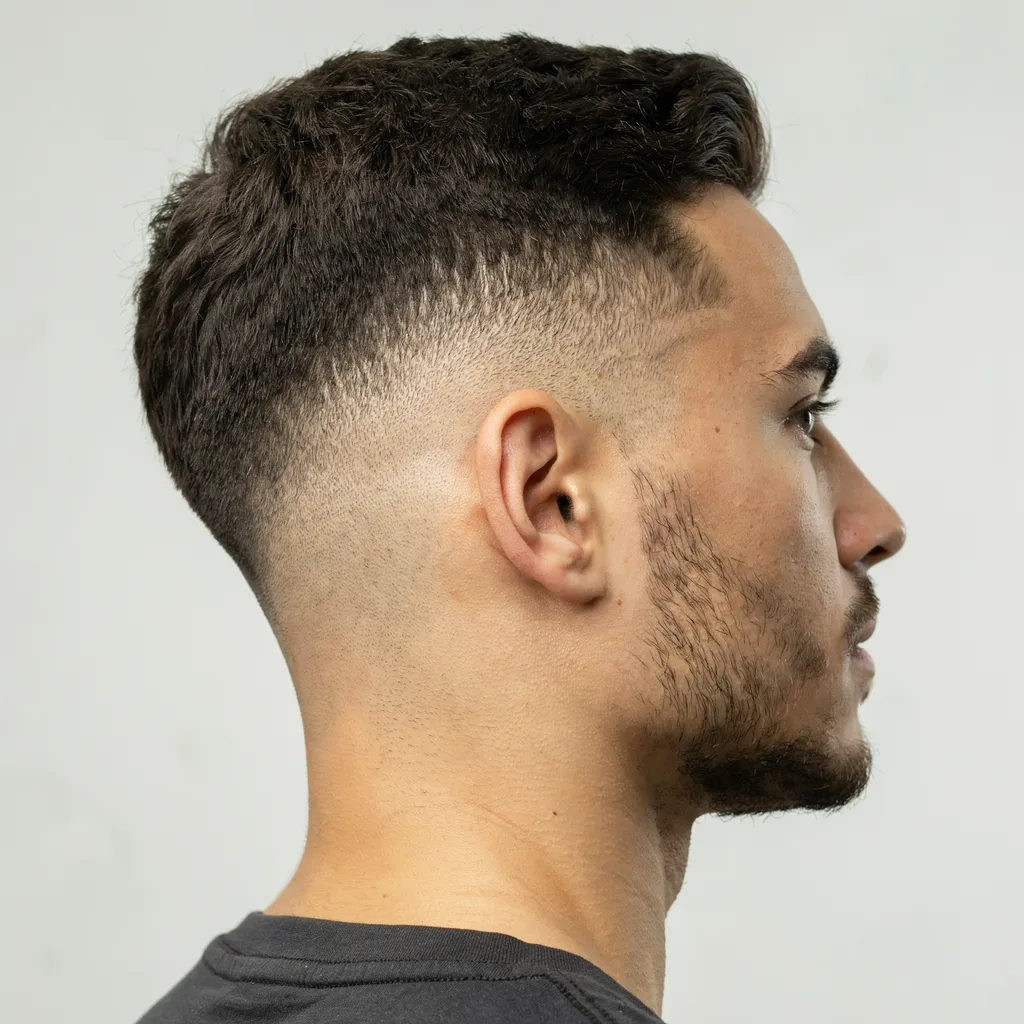
Despite covering more of the head, the high taper actually creates less visible contrast than a mid fade. This is because:
- The gradient is spread over a larger area, making it gradual and subtle throughout.
- The base stops before skin, so there is no bare scalp to create a dramatic bottom edge.
The mid fade, starting lower and going to skin, creates a sharper, more obvious contrast zone — even though it covers less of the head. Sharpness is determined by both the steepness of the gradient and the depth at the base, not by the amount of coverage.
Which suits different face shapes?

Mid fade — flatters most face shapes due to its balanced mid placement. The contrast zone sits beside the face at a level that keeps proportions natural.
High taper — can be flattering for longer or thinner faces, where the higher graduation adds width across the upper sides and creates the impression of a broader head shape. For round faces, a high taper can sometimes add unwanted width high on the sides — in which case a mid fade is the safer choice.
Which suits different hair types?
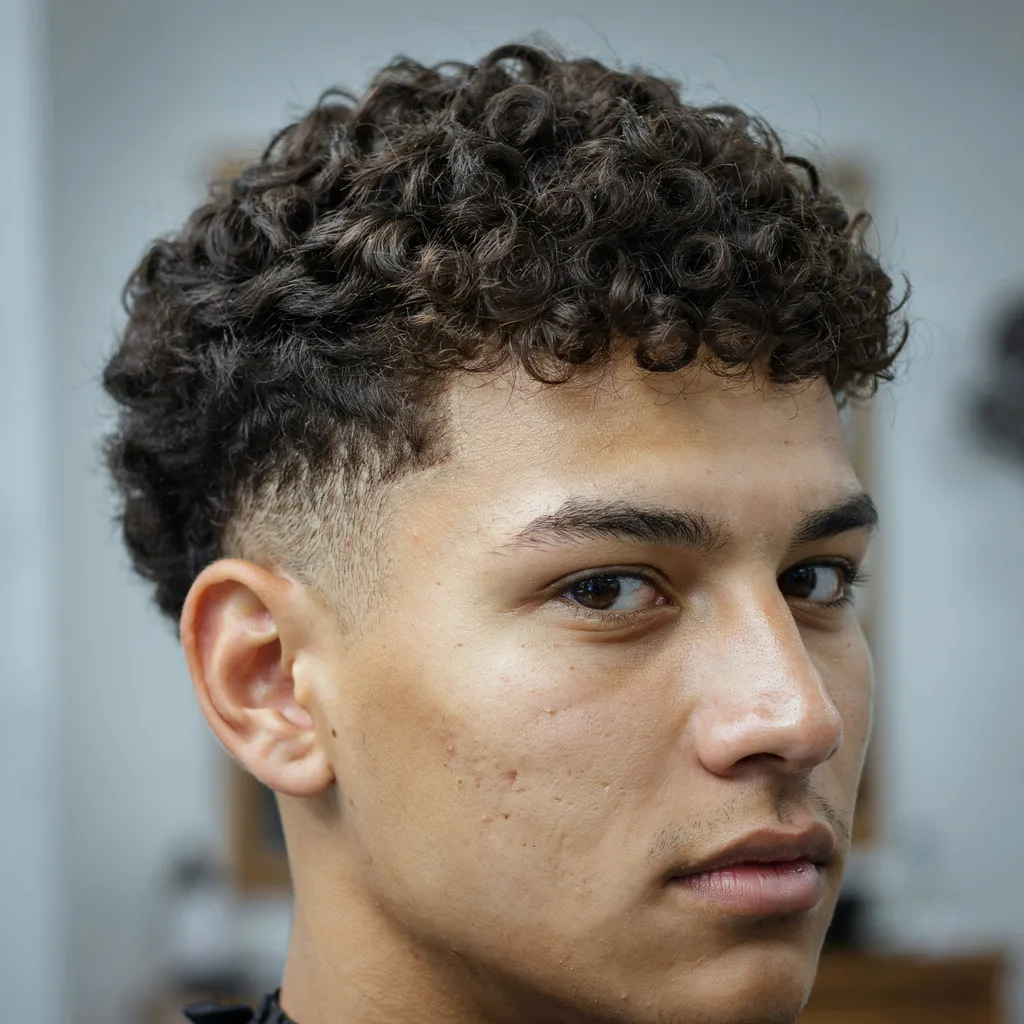
Mid fade — works with all hair types. Particularly strong with thick or curly hair where the sharp base contrast is dramatic and flattering. See best fades for curly hair.
High taper — also works with all hair types, but is especially useful for men with very thick or voluminous sides where reducing the upper side bulk is the main goal. The high taper removes a lot of weight from the sides without going to skin, making it a practical choice for managing thick hair conservatively.
Which is more low-maintenance?

The high taper is generally slightly easier to maintain because:
- It stops before skin, so regrowth at the base is less immediately visible.
- The softer, larger gradient blends more naturally as hair grows.
A mid fade — particularly a mid skin fade — shows regrowth faster because the bare base is immediately visible when hair grows back. The high taper buys you an extra week or so between barber visits compared to a mid skin fade.
How to ask your barber for each
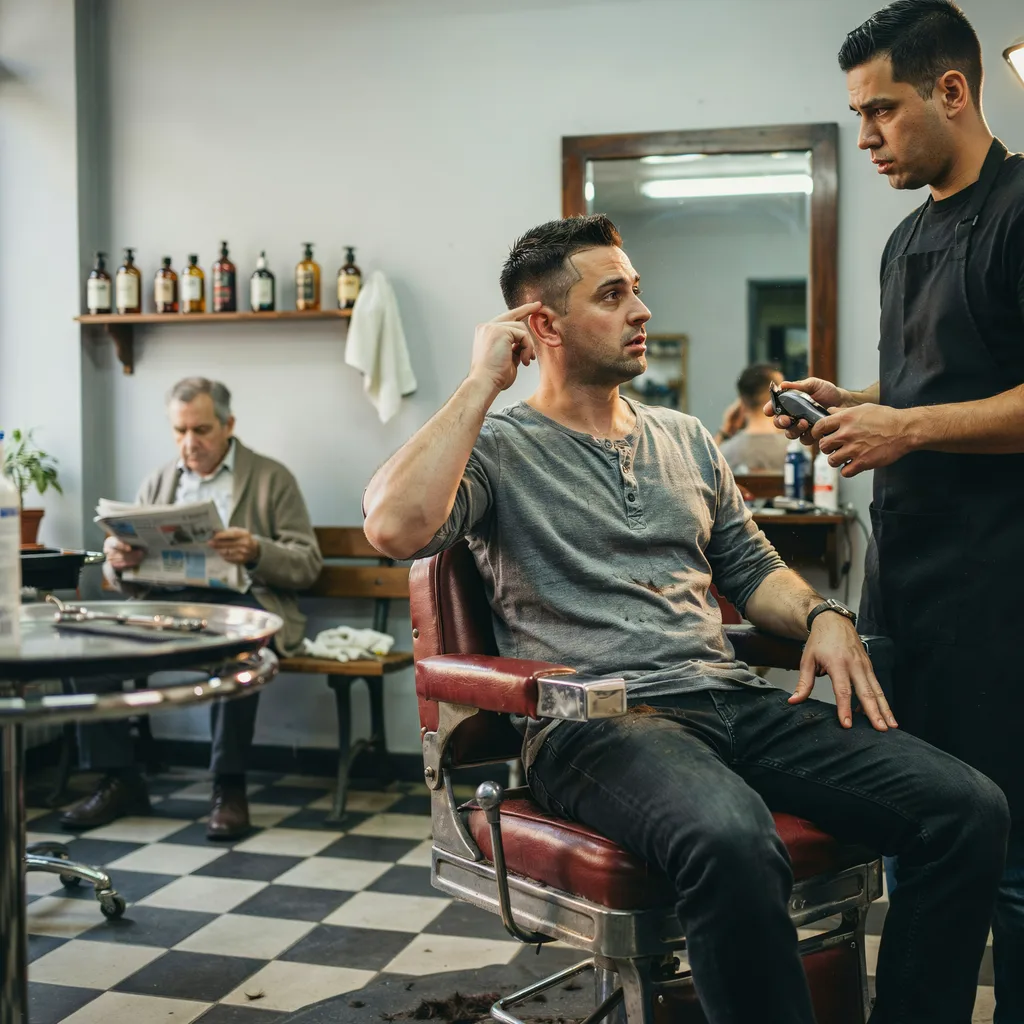
For a mid fade:
“I’d like a mid fade — start at temple level and blend it down to skin at the bottom.”
For a high taper fade:
“I’d like a high taper — start the graduation high, near the crown, and taper it down to a short length at the bottom. Keep some hair at the base — don’t go to skin.”
As always, a reference photo is the clearest way to communicate exactly what you want, especially for a high taper where “high” can mean different things to different barbers.
Which should you choose?

Choose a mid fade if:
- You want a clearly defined, modern contrast between your sides and top.
- You can visit the barber every 2 to 3 weeks.
- You have thick or curly hair and want a dramatic base contrast.
- You want a cut that looks sharp and intentional from every angle.
Choose a high taper if:
- You want a lot of coverage on the sides without going to skin.
- You prefer a softer, more gradual overall look.
- You have very thick sides and want to reduce upper bulk conservatively.
- You want slightly lower maintenance than a mid skin fade.
- You prefer a more conservative look without the boldness of a mid fade.
The bottom line
A mid fade starts lower (temple level) and goes sharper (to skin) — bold, defined contrast in the mid-section of the head. A high taper starts higher (near the crown) and stays softer (stops before skin) — broad, gradual coverage without dramatic contrast. The mid fade is the sharper, more modern choice; the high taper is the broader, more conservative one. Neither is better — they serve different aesthetic goals.
Frequently asked questions
What is the difference between a mid fade and a high taper fade? A mid fade starts at temple level and blends to skin for bold contrast. A high taper starts near the crown and covers most of the side but stops before skin for a softer, broader graduation.
Is a high taper the same as a high fade? No. A high taper stops before reaching bare skin at the base. A high fade goes all the way to skin. Both start near the crown, but the depth is different — a high fade is much bolder at the base.
Which is more dramatic, a mid fade or a high taper? A mid fade creates more visible contrast despite covering less of the head, because it goes to skin at the base. A high taper covers more area but is softer throughout, resulting in less dramatic contrast.
Can you combine a mid fade and a high taper? Not exactly — they describe different starting heights, so you would choose one or the other. However, you could ask for a mid-high fade that starts between temple level and the crown if you want something in between.
Which is better for thick hair, a mid fade or a high taper? Both work well for thick hair. A mid fade removes bulk dramatically at the lower sides. A high taper removes bulk more evenly across the entire side. The choice depends on whether you want concentrated or distributed bulk removal.
About the Author
Daniel Reyes got his first mid fade almost by accident. He asked his barber for “just a fade” and got one that started right at temple level. It became the cut he kept going back to, so he built mid-fade.com to cover it properly instead of burying it in generic fade lists.