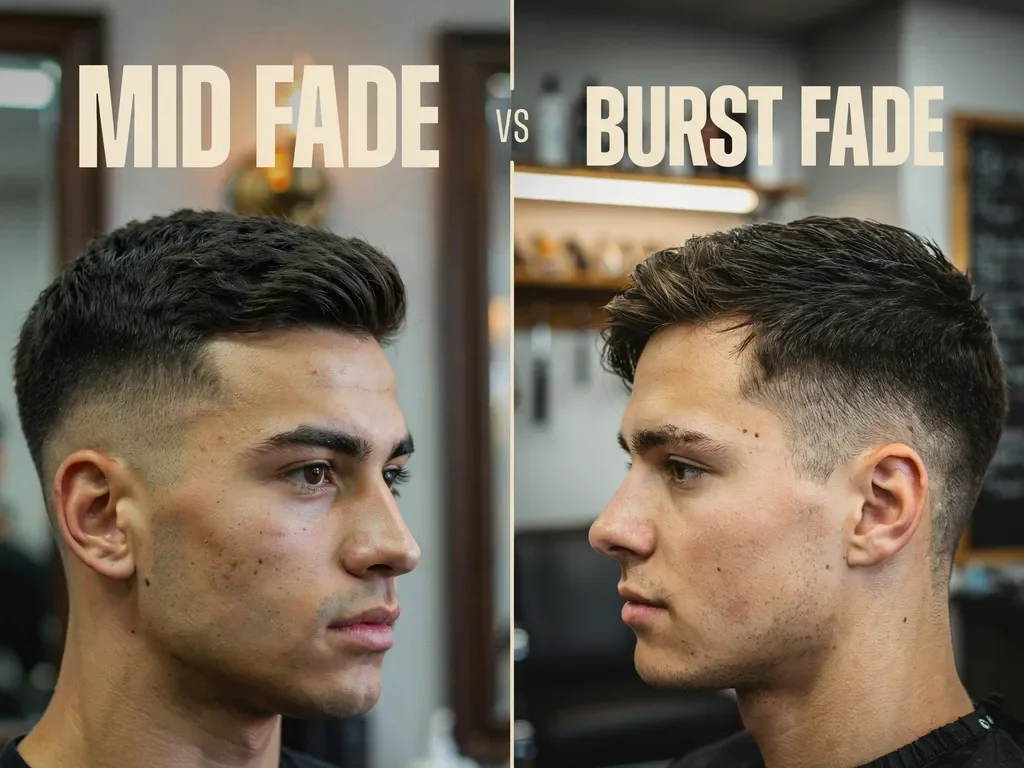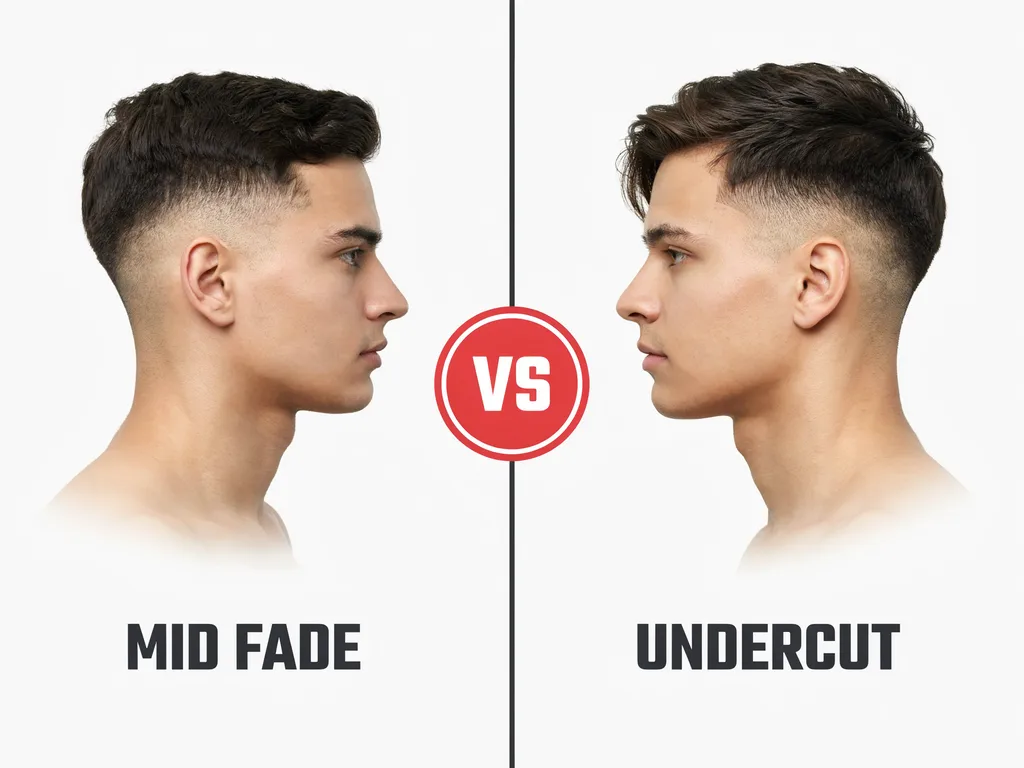
Mid Fade vs Medium Fade: Are They the Same Haircut?

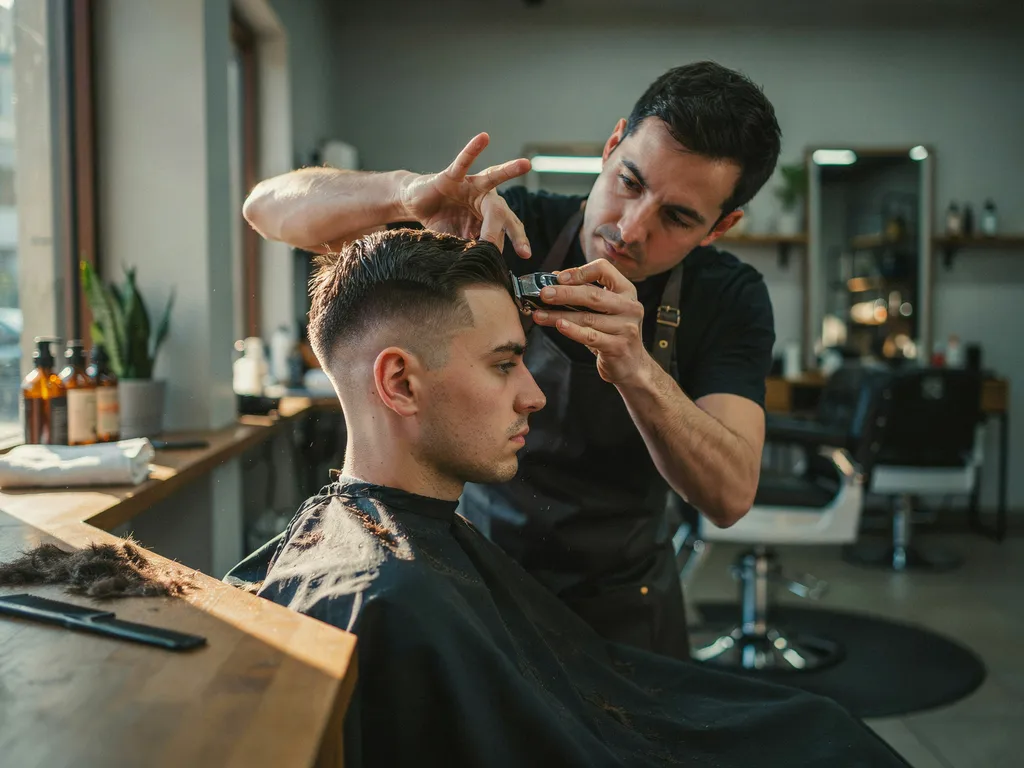
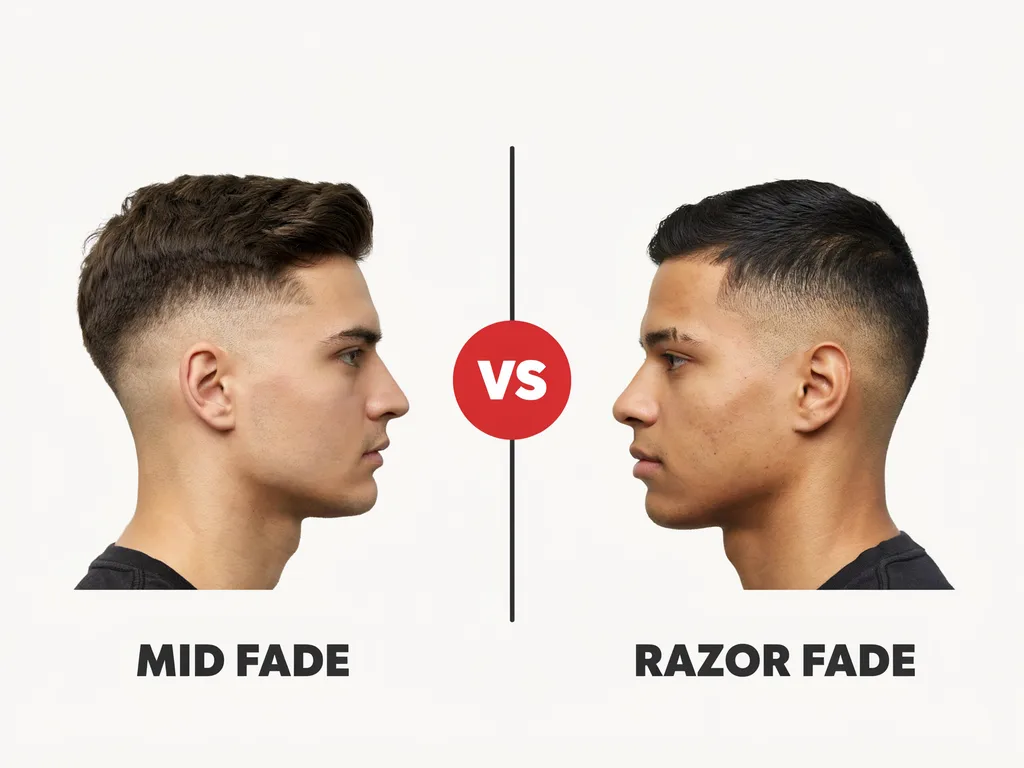
Quick answer: Yes — a mid fade and a medium fade are the same haircut. “Medium fade” is simply another name for a mid fade, where the fade starts in the middle of the head at temple level (about 1–2 inches above the ears) and blends down to short or skin. The two terms are interchangeable; only the wording differs, not the cut.
If you’ve ever scrolled through haircut photos or sat in a barber’s chair, you’ve probably seen both names used — “mid fade” on one site and “medium fade” on another — and wondered if you’re looking at two different cuts. You’re not. This guide clears up the confusion once and for all, explains exactly what defines this cut, and shows you how to ask for it without any mix-ups.
So are mid fade and medium fade actually the same?
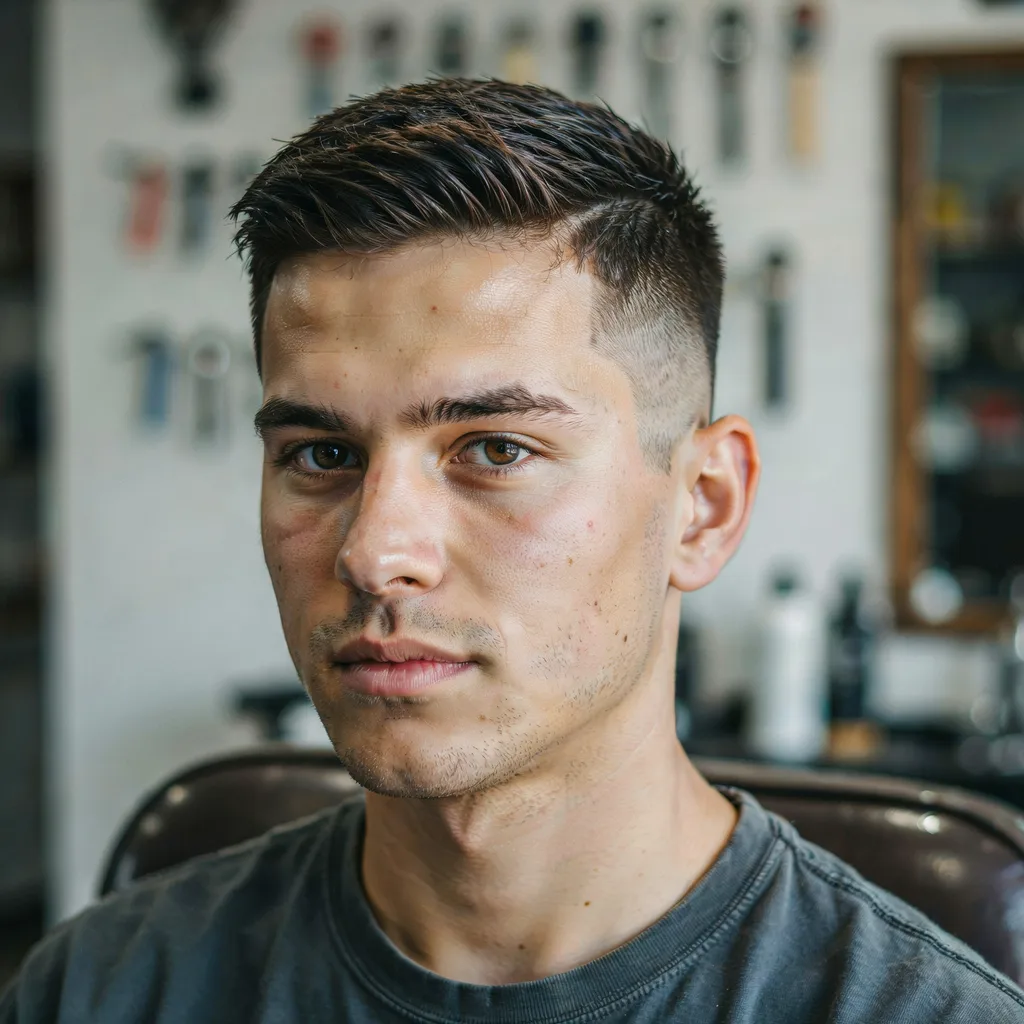
Yes. There is no difference in the cut itself. Both names describe a fade that begins around the middle of the head, at temple level, and gradually blends the hair shorter as it moves down toward the ears and neckline. Whether your barber calls it a “mid fade,” a “medium fade,” or a “mid-level fade,” they’re reaching for the same clippers and creating the same look.
The reason both terms exist comes down to language, not technique. “Mid” is the shortened, barber-shop-friendly version, while “medium” is the more descriptive, everyday word people naturally use when they mean not too low, not too high. Over the years both stuck, and now they’re used side by side across the internet, in barbershops, and on social media.
So if you find a “medium fade” photo you love, you can confidently walk in and ask for a “mid fade” — you’ll get exactly what you pointed to.
What actually defines a mid (medium) fade?
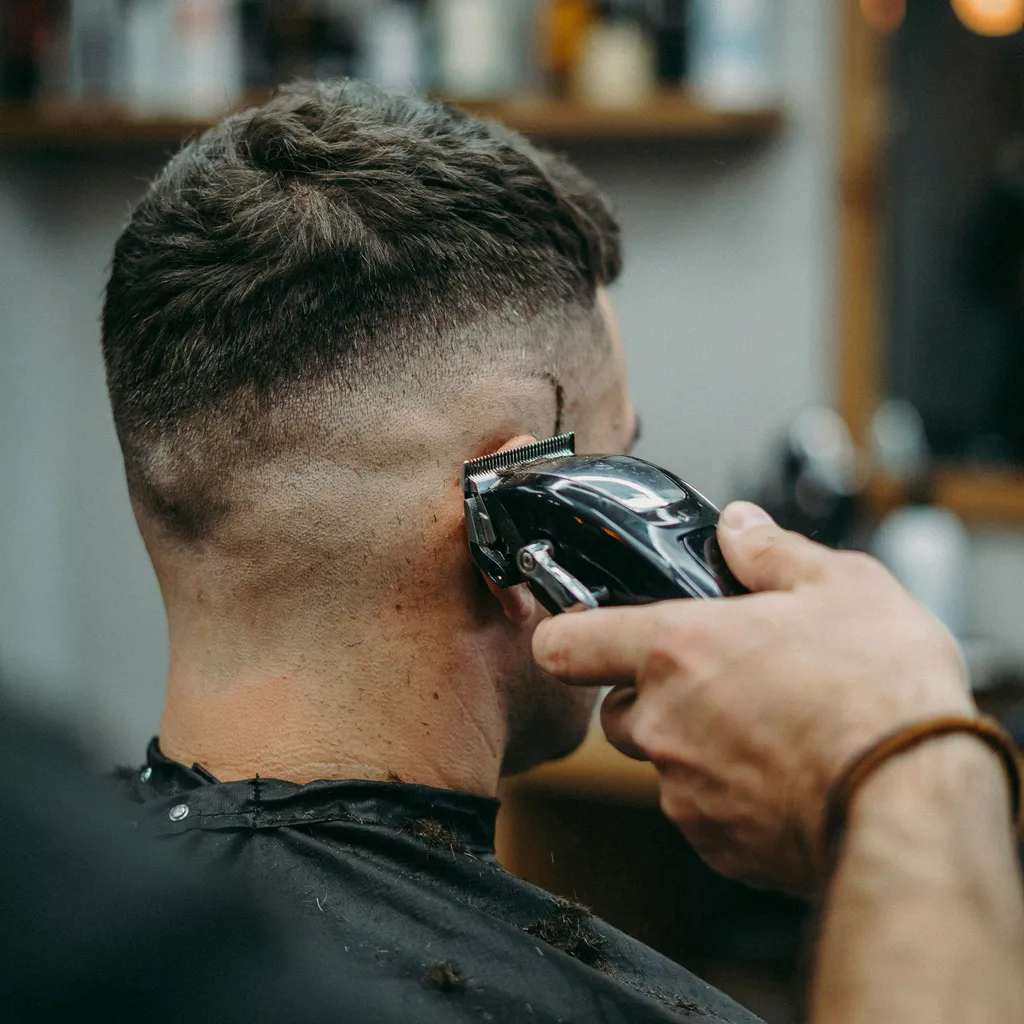
A fade is any haircut where the hair transitions smoothly from longer on top to shorter on the sides and back, with no harsh lines and no visible steps. What separates one fade from another is a single thing: where on the head the fade begins.
A mid fade starts that transition at temple level — roughly halfway up the side of the head, about 1 to 2 inches above the ears. This middle placement is the whole identity of the cut. It creates a clear, noticeable contrast between the short sides and the longer top, but without exposing as much skin as a higher fade would. That balance is exactly why it’s the most-requested fade in modern barbershops.
For a full breakdown of the cut, its variations, and how to style it, see our complete Mid Fade Haircut guide.
Where a mid fade sits compared to low and high fades
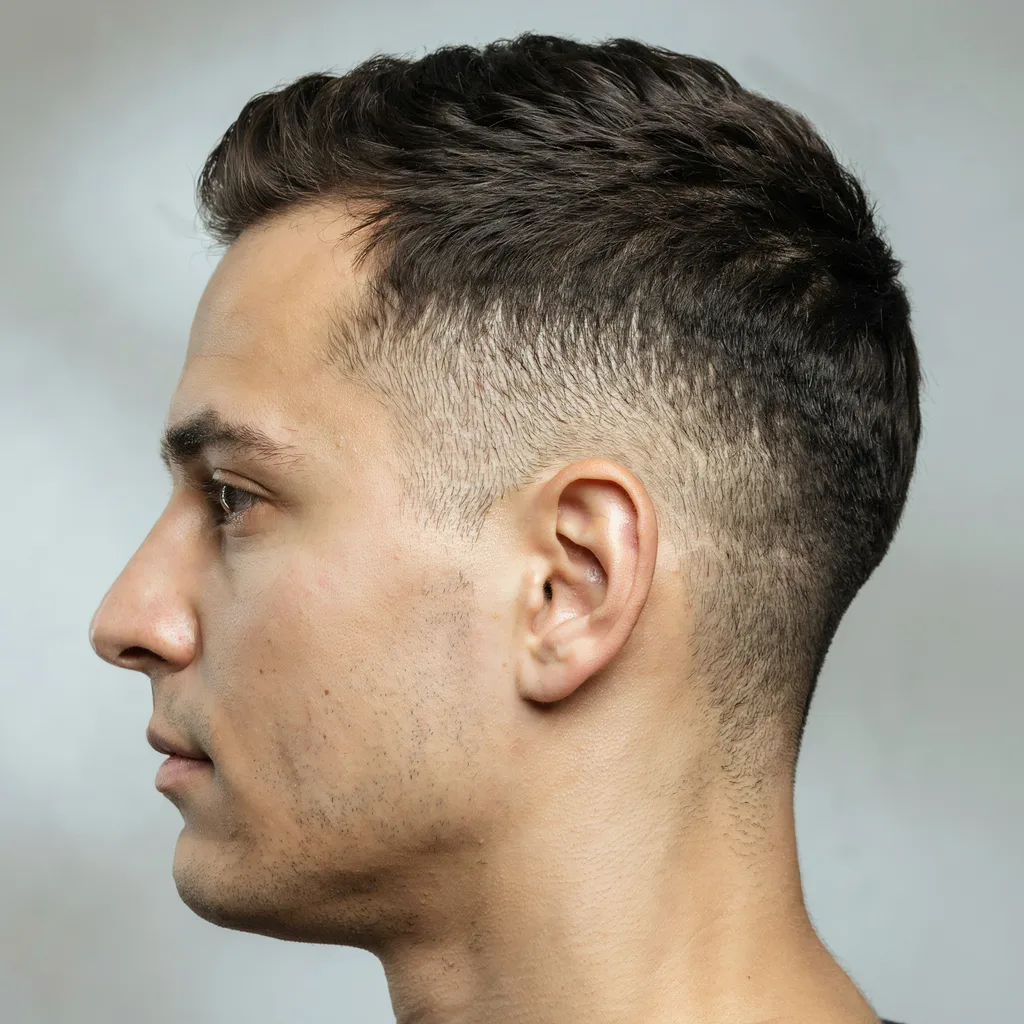
The easiest way to lock in what “mid” means is to see it next to its neighbours:
- Low fade — starts just above the ears. The most subtle, conservative option.
- Mid (medium) fade — starts at temple level, in the middle. The balanced all-rounder.
- High fade — starts near the crown, leaving the sides almost shaved. The boldest, highest-contrast look.
If you’d like to see all three placed side by side with photos, our Low Fade vs Mid Fade vs High Fade comparison walks through each one in detail.
Does “medium fade” ever mean something different?
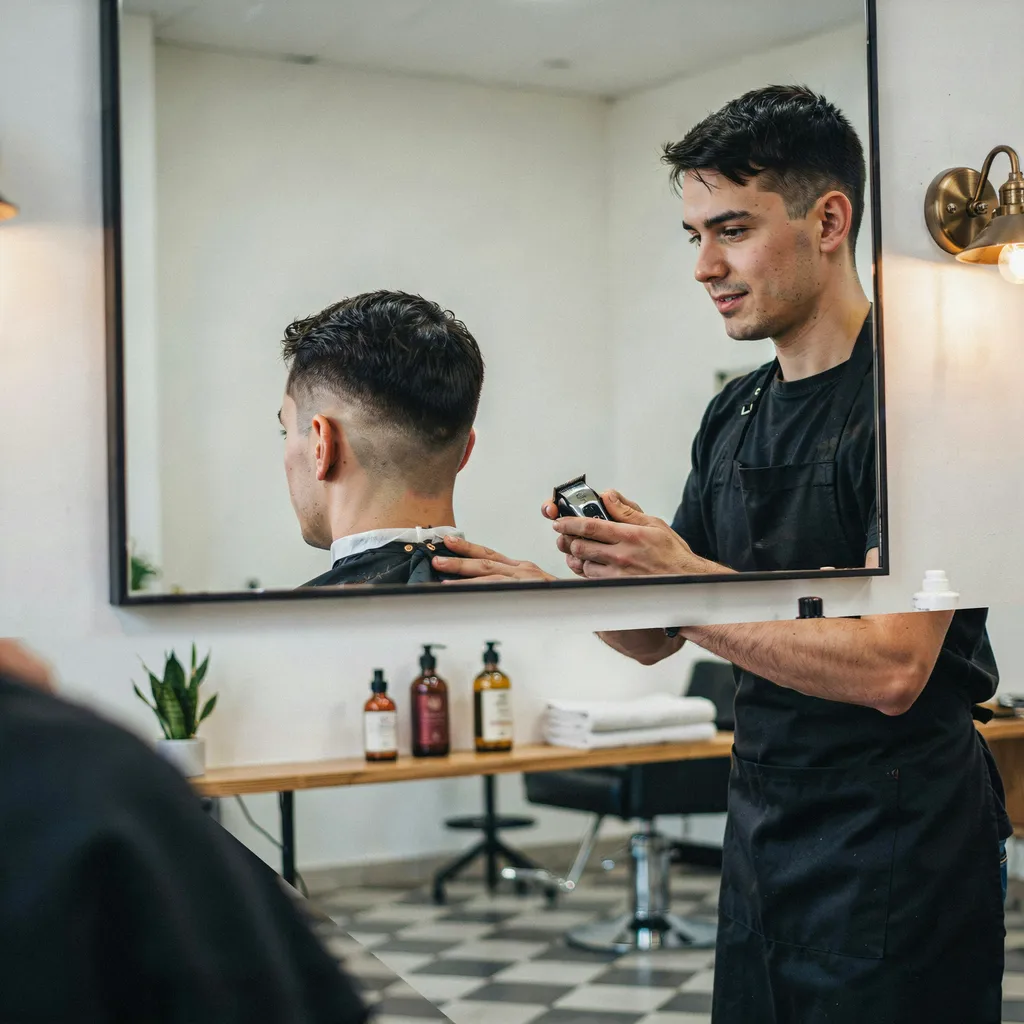
Occasionally you’ll hear “medium fade” used loosely to describe the amount of fade rather than its position — for example, a fade that blends to a short length rather than all the way to bare skin. But this is informal and inconsistent. In standard barbering language, “medium fade” refers to the placement (the middle of the head), exactly like “mid fade.” If you ever want to be specific about how short the bottom goes, that’s a separate choice:
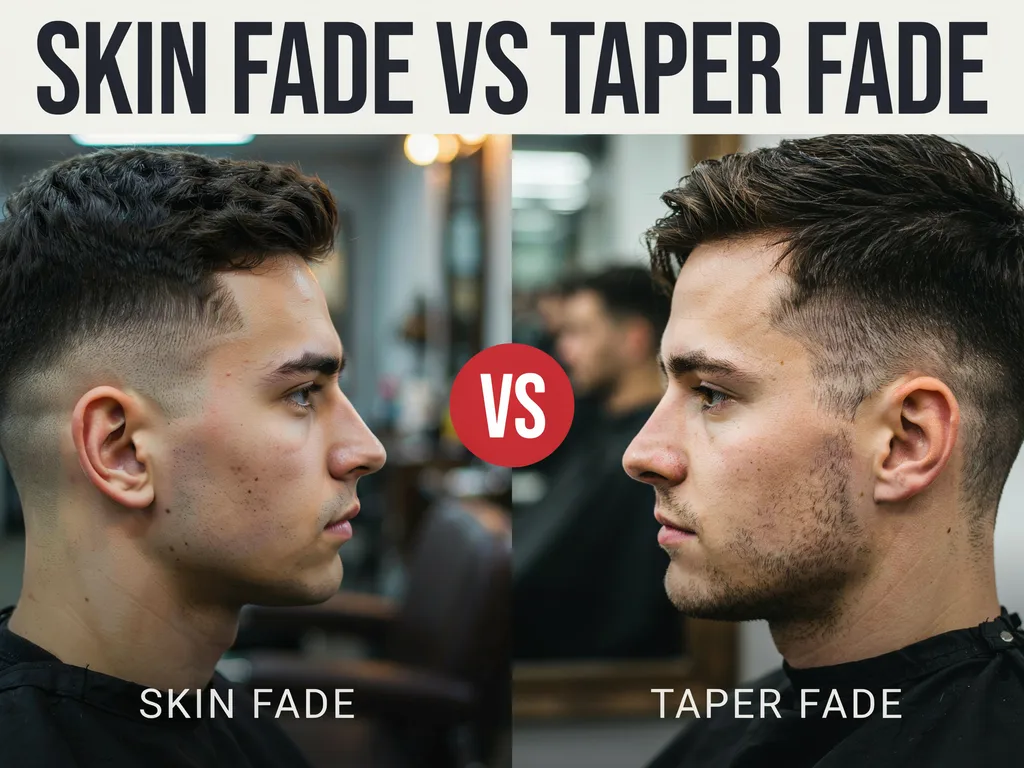
- Blended down to skin → a mid bald (skin) fade
- Blended down but stopping before skin → a mid taper fade
Both of those still start at the mid position — they just differ in how short the bottom gets.
Who does a mid (medium) fade suit?
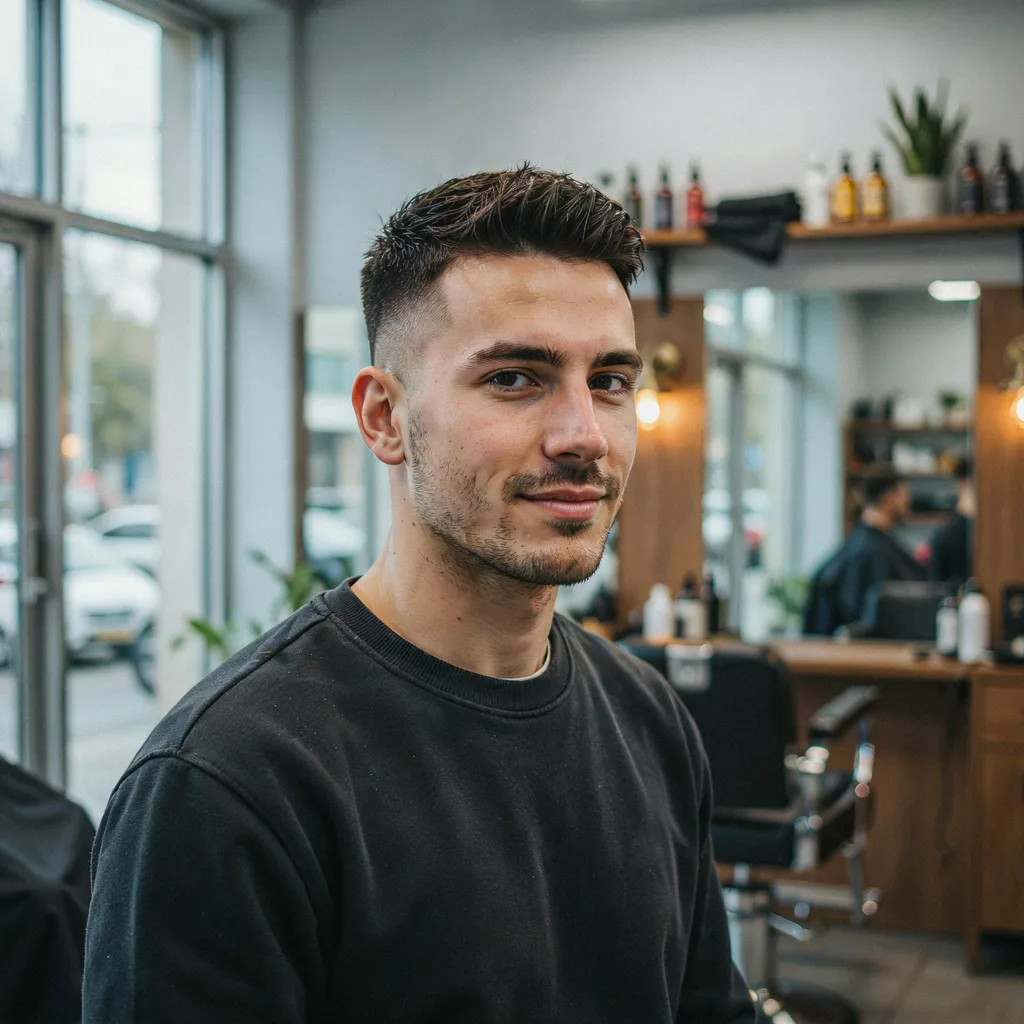
One of the biggest reasons this cut is so popular is that it flatters almost everyone. Because the fade starts in the middle, it neither elongates nor widens the face, so it keeps your natural proportions balanced. It works across face shapes — round, oval, square, and heart — and adapts to every hair type, from straight to thick and curly. It’s equally at home in a formal office and on a weekend out, which is why barbers often recommend it as the safest, most versatile fade to choose.
It also pairs with practically any style on top: a textured crop, a quiff, a slick back, a comb over, or a mid fade with a beard for a stronger jawline. If you have curly hair, you’ll find it especially flattering — see our guide to the best fades for curly hair.
How to ask your barber (without the name confusion)
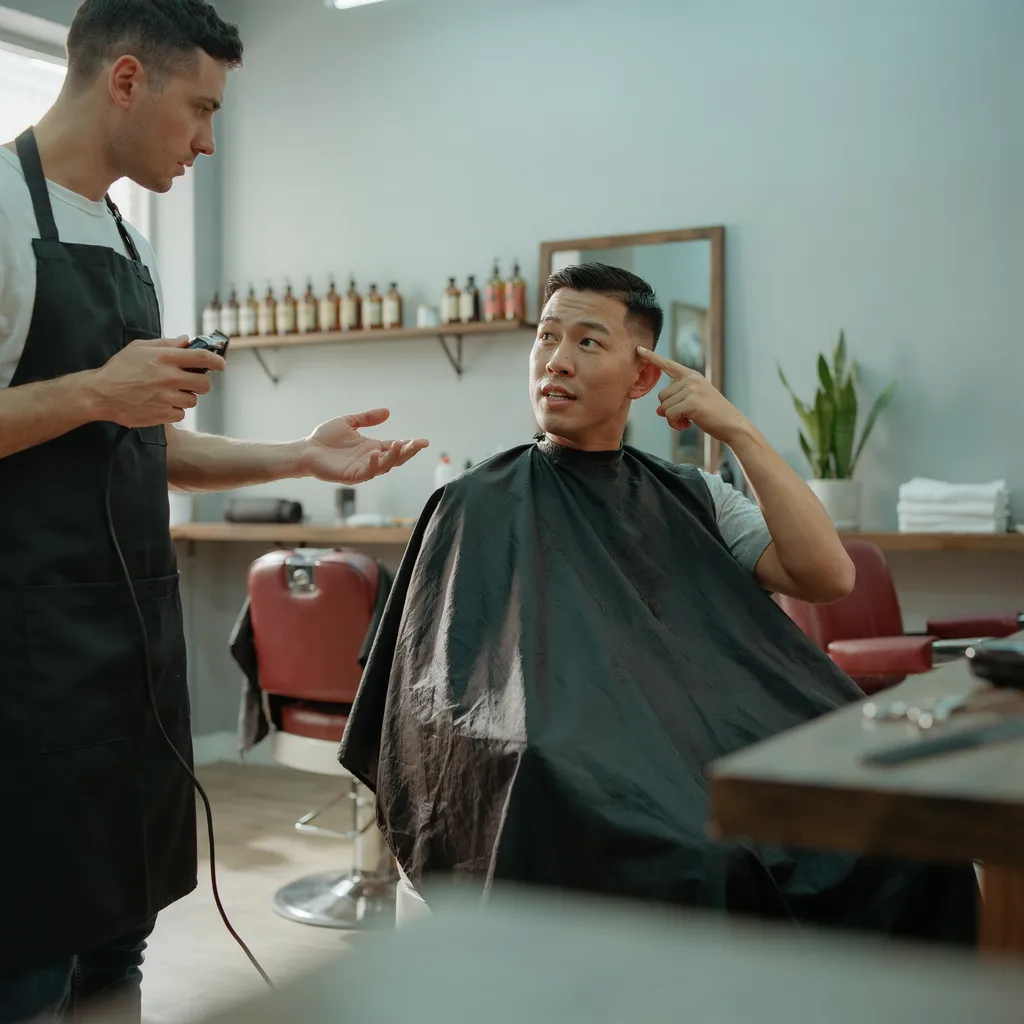
Since both terms mean the same thing, you don’t need to worry about which word you use — but here’s the clearest way to ask:
“I’d like a mid fade — start the fade around temple level, blend it down to [skin / a #1 / a #2], and keep [your length and style] on top.”
Adding the starting point (“temple level”) removes any doubt, and bringing a reference photo removes the rest. If your photo is labelled “medium fade,” that’s completely fine — your barber will recognise it as a mid fade instantly.
The bottom line
Mid fade and medium fade are two names for one cut: a fade that begins in the middle of the head, at temple level, for a clean, balanced, versatile look. Don’t let the different wording slow you down — pick the style you like, point to it, and ask for a mid fade with confidence.
Frequently asked questions
Is a medium fade the same as a mid fade? Yes. Medium fade and mid fade are two names for the same haircut, where the fade starts at temple level in the middle of the head. The terms are interchangeable.
Where does a mid fade start? A mid fade starts at temple level, roughly 1 to 2 inches above the ears, in the middle of the side of the head — between a low fade and a high fade.
Is a mid fade better than a low or high fade? Neither is objectively better; it depends on the contrast you want. A mid fade is the balanced middle option — bolder than a low fade but less extreme than a high fade.
Can I show my barber a “medium fade” photo and ask for a “mid fade”? Yes. Because they’re the same cut, any photo labelled “medium fade” can be used to ask for a mid fade, and your barber will understand exactly what you mean.
Does a mid fade suit all face shapes? Generally yes. Its middle placement keeps facial proportions balanced, so it flatters round, oval, square, and heart-shaped faces, with small tweaks to the top length.
About the Author
Daniel Reyes got his first mid fade almost by accident. He asked his barber for “just a fade” and got one that started right at temple level. It became the cut he kept going back to, so he built mid-fade.com to cover it properly instead of burying it in generic fade lists.