Mid Fade vs Low Taper Fade: Which Should You Get?

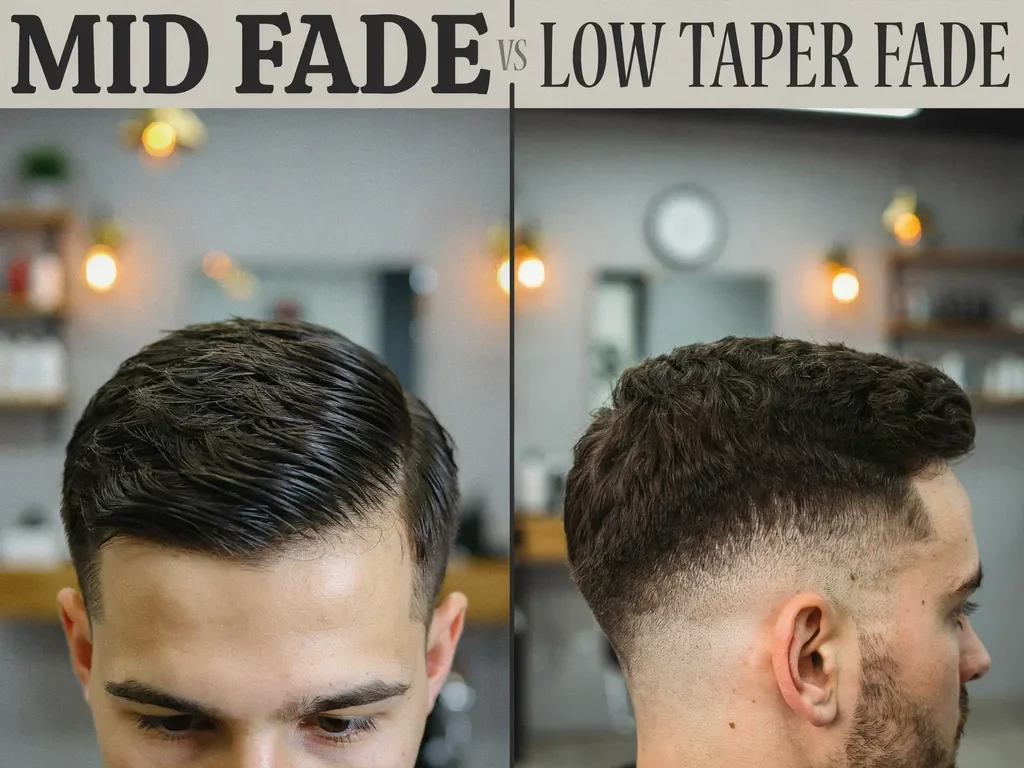
Quick answer: These differ on two things at once. A mid fade starts higher (at the temple) and usually goes to skin, higher placement, deeper contrast. A low taper fade starts lower (near the ear) and only shortens the edges without going bald, lower placement, softer depth. So a mid fade is bolder and cleaner-looking; a low taper is the most subtle, conservative, low-maintenance option.
People weigh these two because both feel “safe,” but they sit at opposite ends of the subtle-to-bold scale. Here is how to choose.
Two differences, not one: placement AND depth
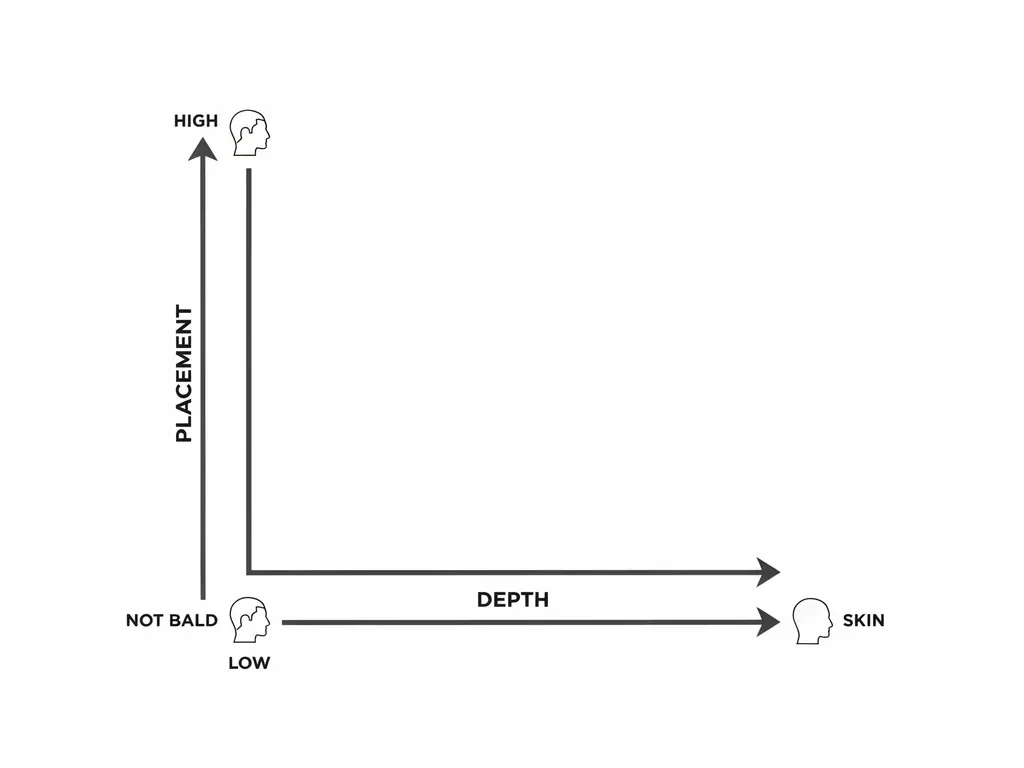
Most fade comparisons change only one variable. This one changes both:
- Placement: mid fade = temple (higher); low taper = near the ear (lower).
- Depth: mid fade usually = skin/very short (deep); low taper = short-but-not-bald (shallow).
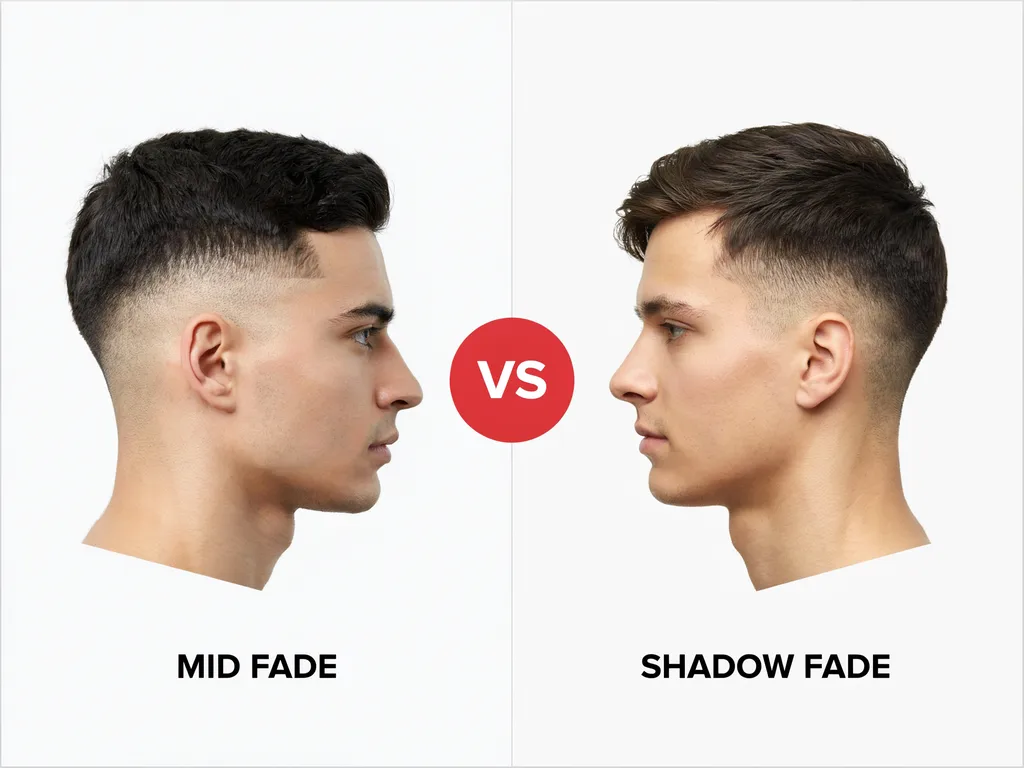
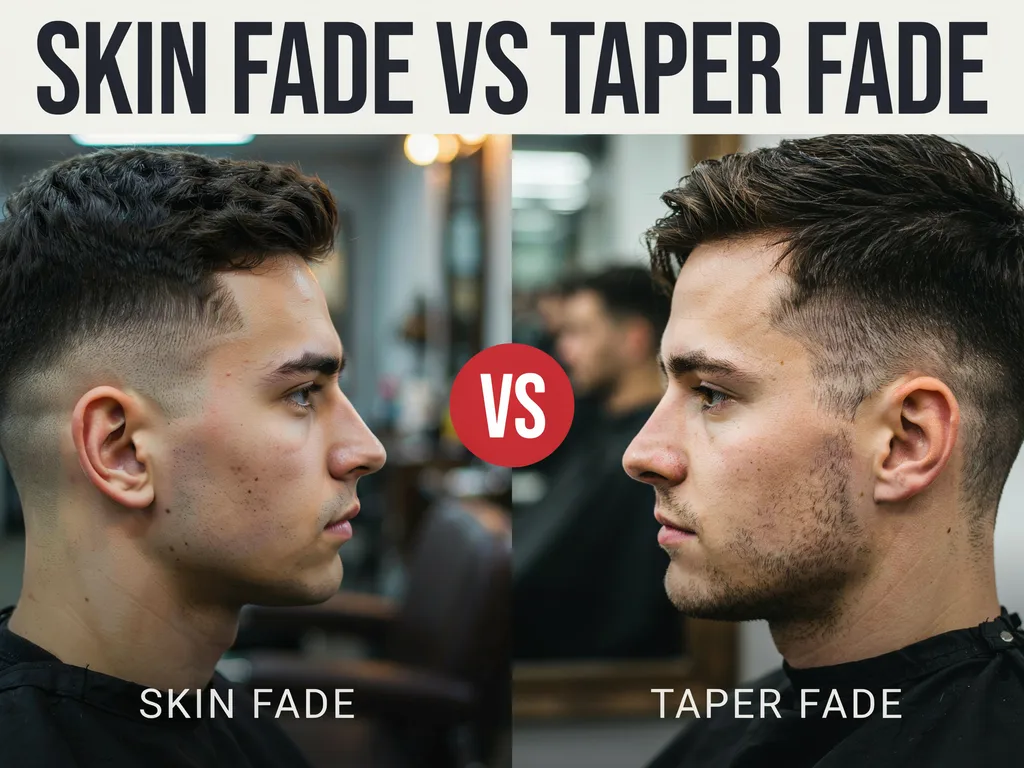
That is why they look so different: the mid fade is higher and sharper, the low taper is lower and softer. (For the depth concept, see is a mid fade a skin fade.)
What each looks like
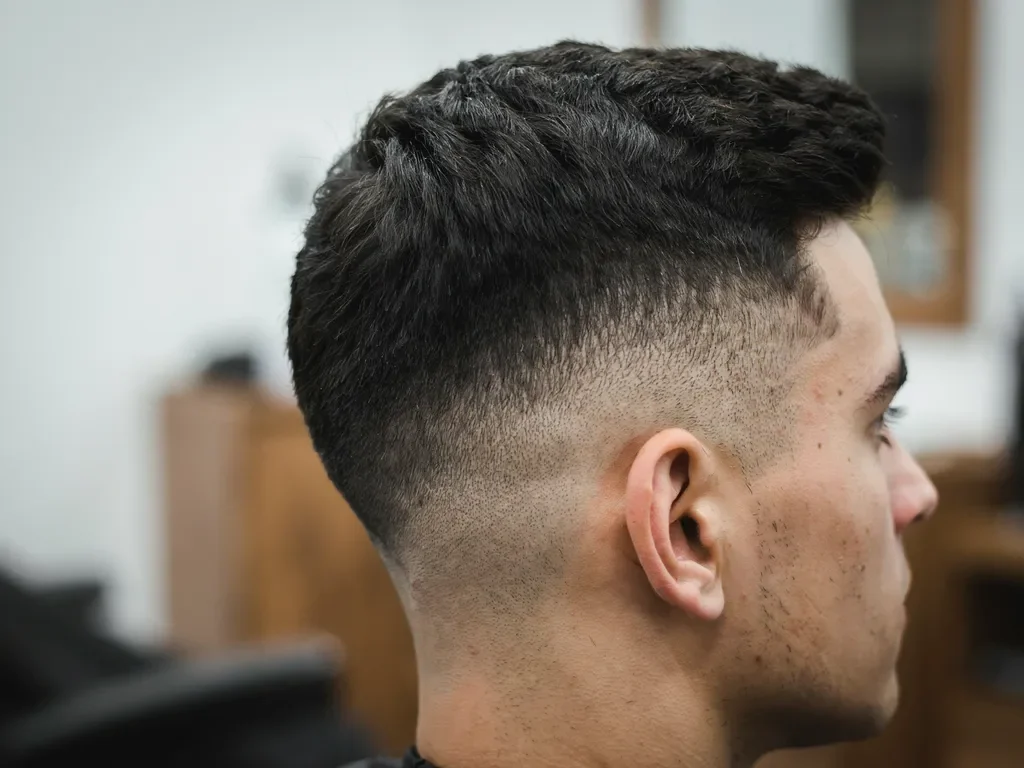
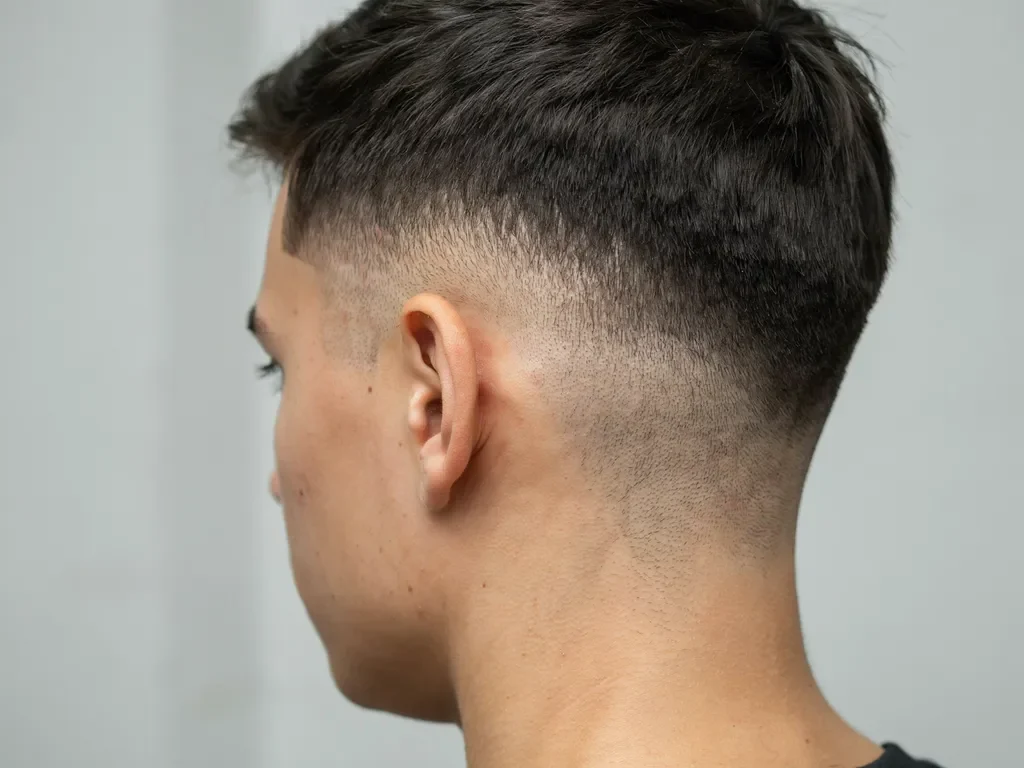
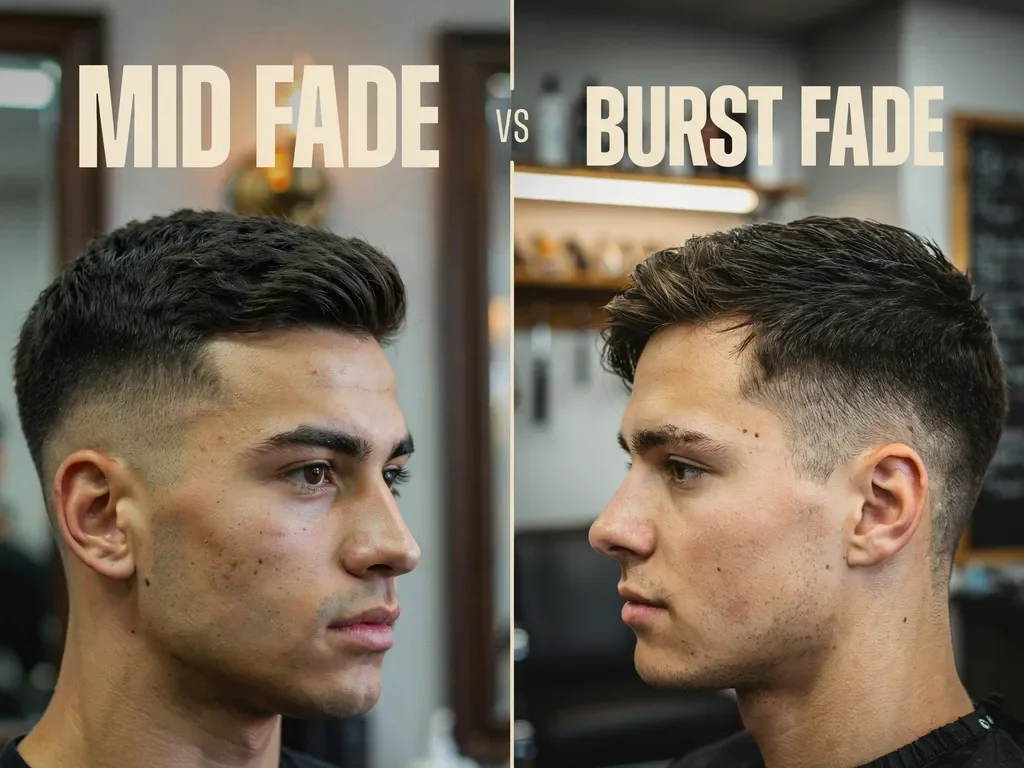
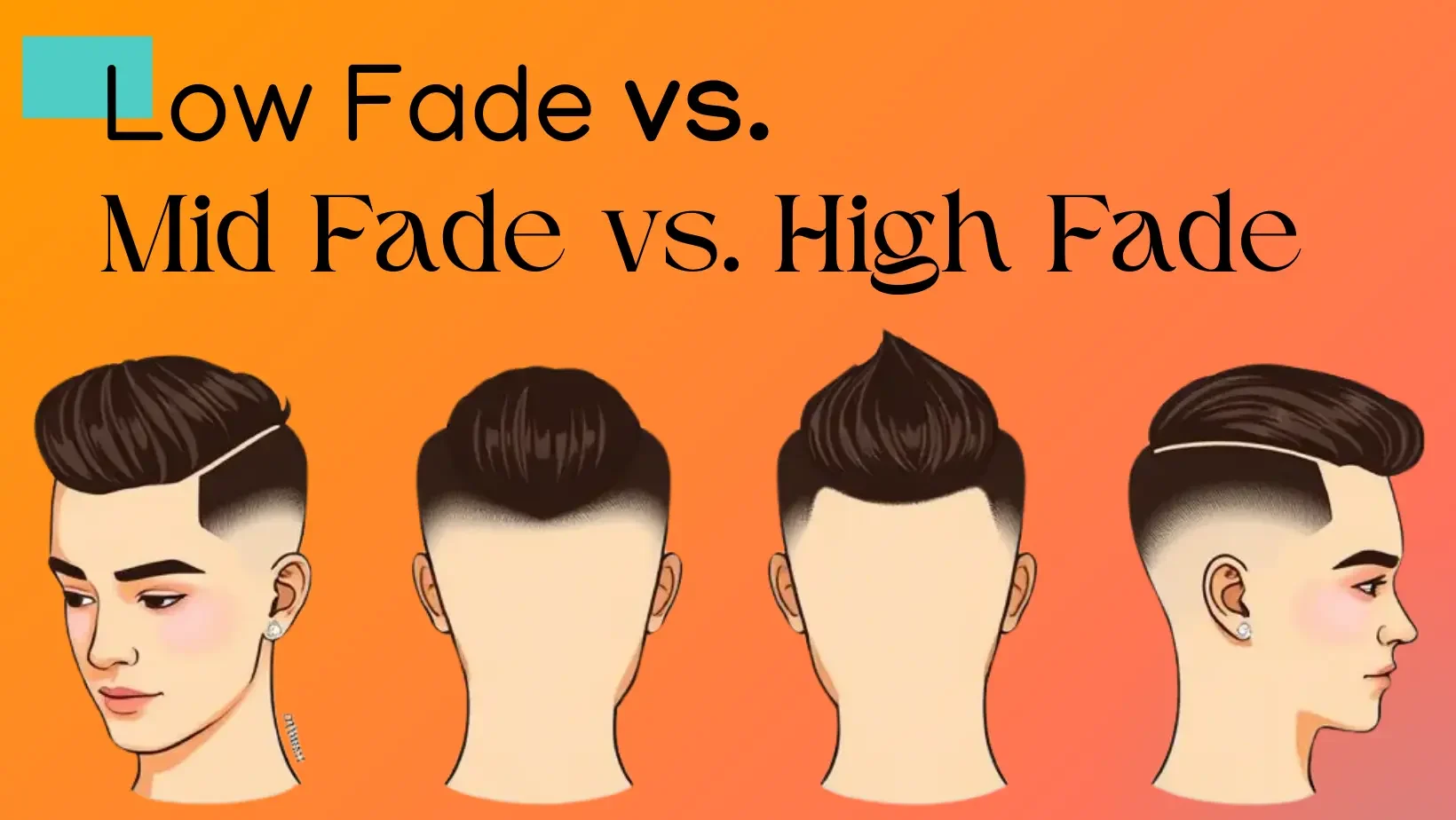
A mid fade shows a clear gradient from full length down to skin, starting at the temple, modern and defined. A low taper fade keeps almost all your side length, tidying only the lowest edge around the ears and neck for a natural, understated finish. See the dedicated low taper fade look.
Comparison table
| Mid fade | Low taper fade | |
|---|---|---|
| Placement | Temple (higher) | Near the ear (lower) |
| Depth | Skin / very short | Short, not bald |
| Contrast | High | Very low |
| Look | Bold, clean | Subtle, natural |
| Grows out | Refresh in 2 to 3 wks | Very gracefully, 4+ wks |
| Maintenance | Higher | Lowest |
Which grows out easier?

The low taper, by a wide margin. Because it is low and never bald, it has no harsh regrowth line and blends into growing hair naturally, staying tidy for weeks. A mid fade (especially to skin) shows growth faster and needs more frequent touch-ups.
Which is the better first fade?
If you have never had a fade and feel unsure, the low taper is the gentlest entry point, it barely changes your silhouette and is nearly foolproof. If you want the “real fade” look with visible contrast and you are ready for upkeep, go mid fade. Many men start low and move up as they get comfortable.
Who each suits
- Mid fade: style-forward, contrast lovers, pairs with any top (see best fades for curly hair).
- Low taper fade: conservative settings, low-maintenance priorities, or a first-timer easing in.
Want the middle ground? A mid taper fade gives temple placement with a softer, non-skin bottom.
Frequently asked questions
What is the difference between a mid fade and a low taper fade? They differ on two axes: a mid fade sits higher (temple) and usually goes to skin; a low taper sits lower (near the ear) and stays short but not bald. Mid is bold; low taper is subtle.
Which is lower maintenance, a mid fade or a low taper fade? The low taper fade. It is low and never bald, so it grows out gracefully and stays tidy for 4+ weeks versus 2 to 3 for a mid fade.
Which is the better first fade for a beginner? A low taper fade, it is the gentlest, most understated option and barely changes your look, making it nearly foolproof.
Is a mid fade more contrast than a low taper? Yes, much more. A mid fade’s higher placement and skin depth create strong contrast, while a low taper is deliberately soft and natural.
About the Author
Daniel Reyes got his first mid fade almost by accident. He asked his barber for “just a fade” and got one that started right at temple level. It became the cut he kept going back to, so he built mid-fade.com to cover it properly instead of burying it in generic fade lists.