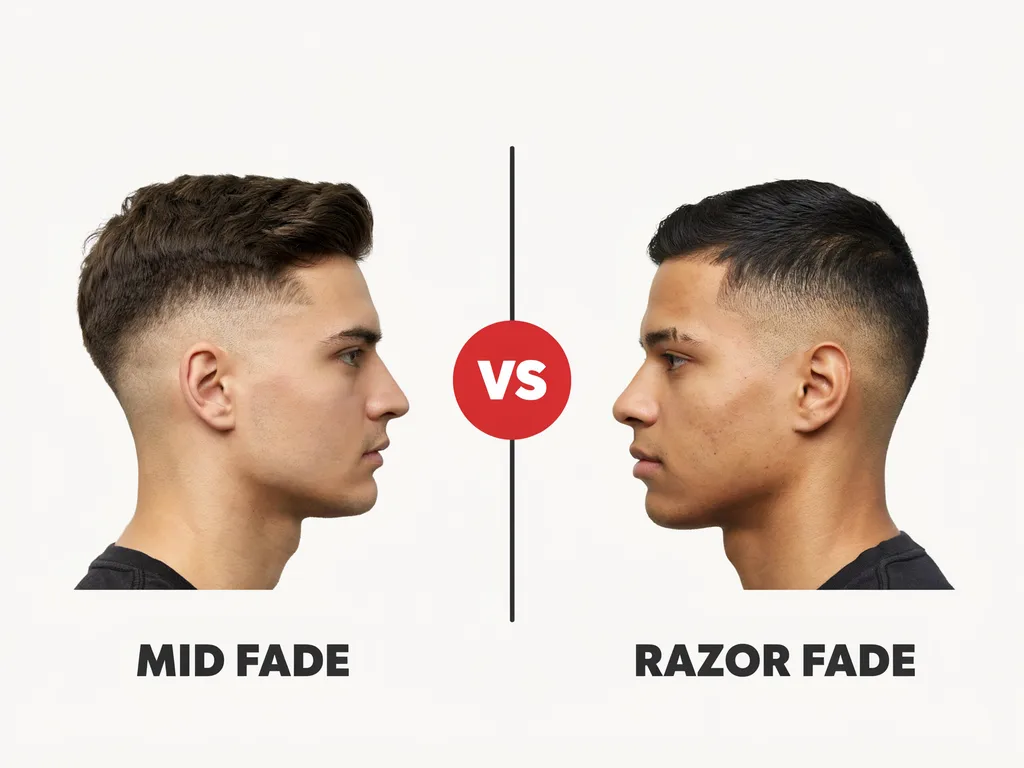
Is a Mid Fade a Skin Fade? (The Difference Explained)

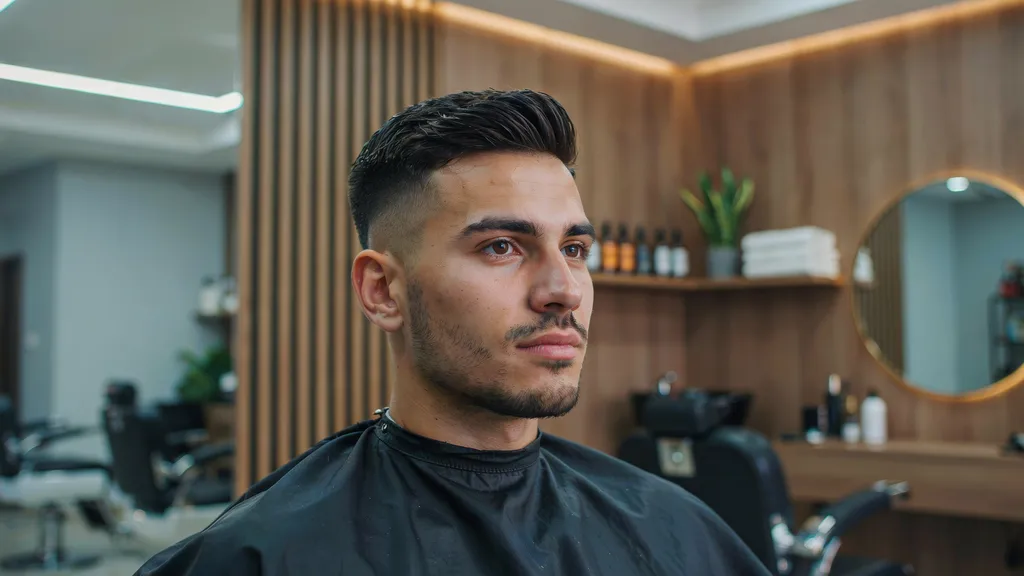
Quick answer: Not always. A mid fade and a skin fade describe two different things about a haircut. A mid fade refers to where the fade starts — at temple level, in the middle of the head. A skin fade refers to how short the bottom goes — all the way down to bare skin. A haircut can be both at the same time (a mid skin fade), or it can be a mid fade that stops before skin. They are not the same term.
This is one of the most common points of confusion in men’s haircuts — and understandably so, because barbers and style sites sometimes use these terms loosely. This guide clears up exactly what each term means, when they overlap, and how to ask for precisely the cut you want.
What “mid fade” actually means
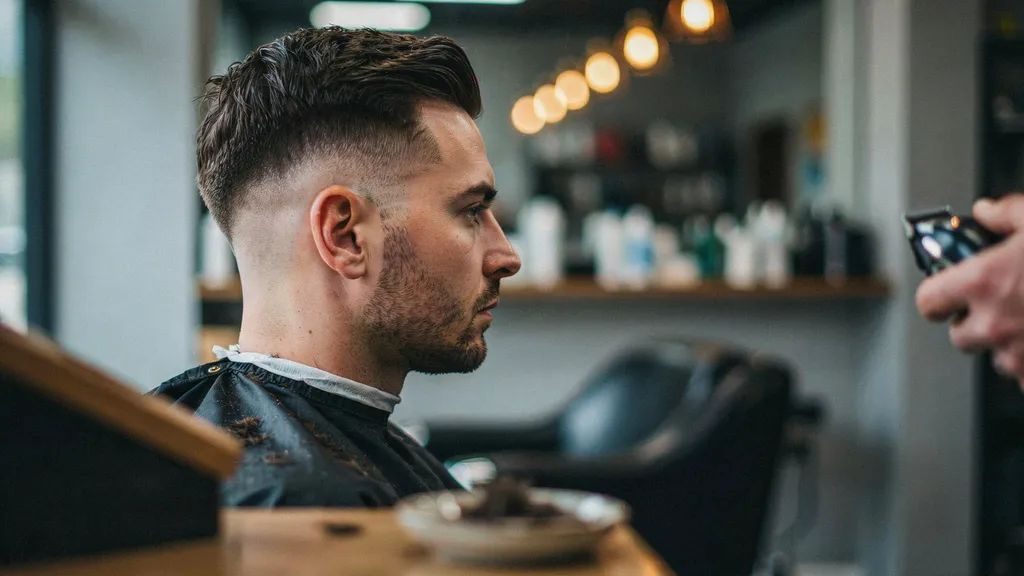
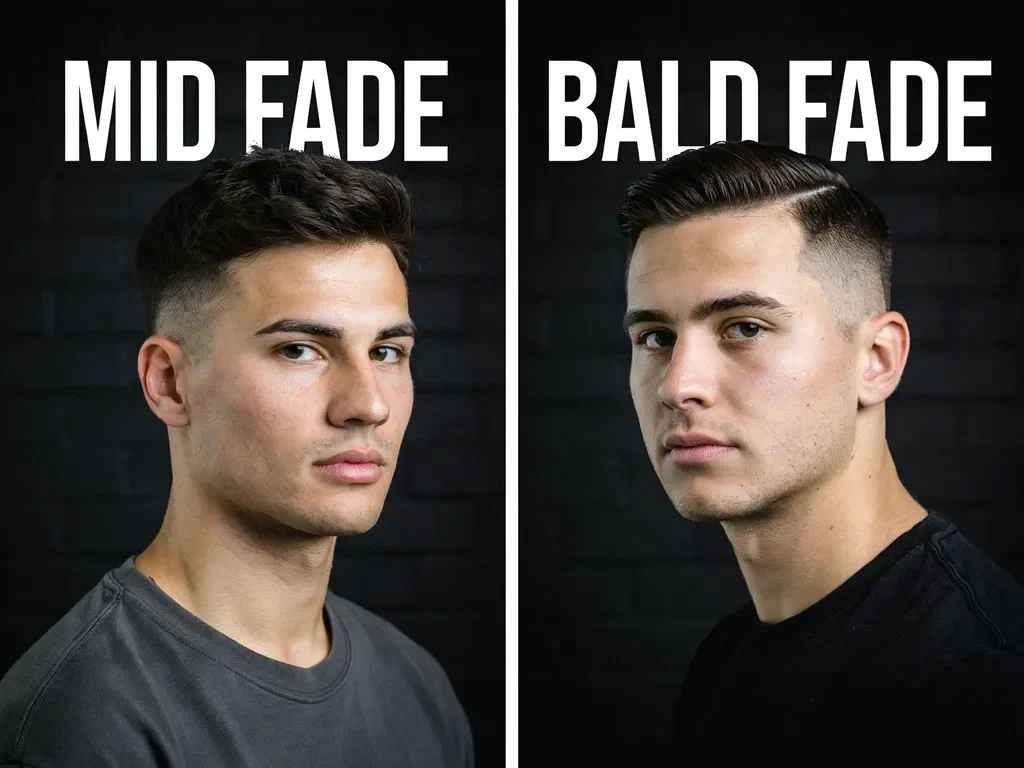
A mid fade is defined entirely by placement — specifically, where on the head the fade begins. A mid fade starts at temple level, roughly 1 to 2 inches above the ears, in the middle of the side of the head. That’s the whole definition. It says nothing about how short the bottom goes; it only tells you where the transition begins.
The mid in “mid fade” means middle of the head, not medium length or moderate depth. For everything about where the fade starts and how it looks from every angle, see our full Mid Fade Haircut guide.
What “skin fade” actually means
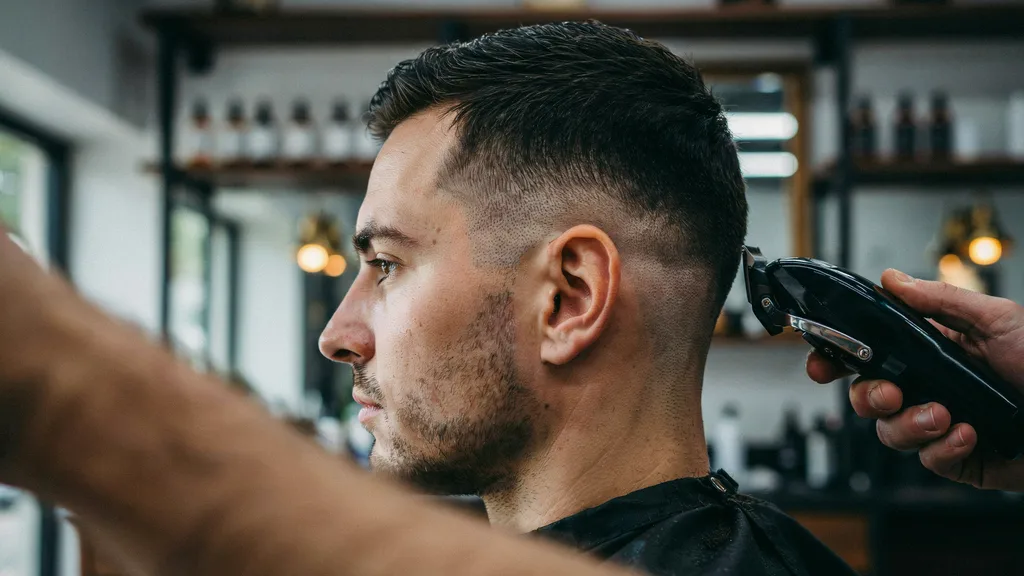
A skin fade — also called a bald fade — is defined by depth, not placement. It means the hair at the very bottom of the fade blends all the way down to bare skin, with zero guard length at the lowest point. The result is maximum contrast: you can see the scalp clearly at the base, and the hair builds up from nothing.
A skin fade can start anywhere on the head. It can be:
- A low skin fade — starts just above the ear, fades to skin at the bottom.
- A mid skin fade — starts at temple level, fades to skin at the bottom.
- A high skin fade — starts near the crown, fades to skin at the bottom.
The “skin” part only tells you the depth. The “low / mid / high” part tells you the placement.
So when is a mid fade also a skin fade?
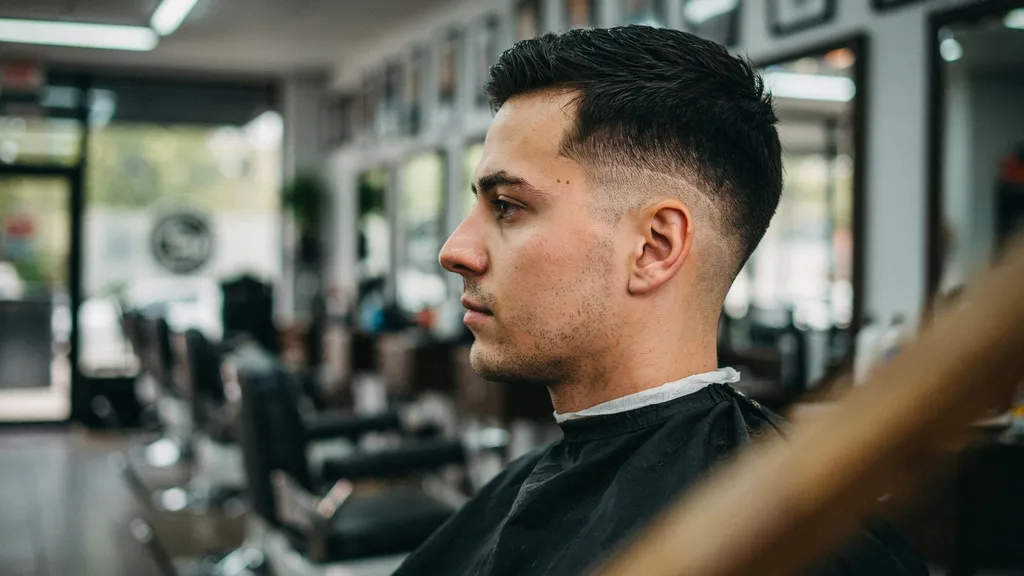
When the two are combined — a mid skin fade (sometimes called a mid bald fade) — you get a haircut that starts at temple level and blends all the way down to skin. This is probably the most popular version of the mid fade today, because it creates the sharpest contrast and the cleanest look.
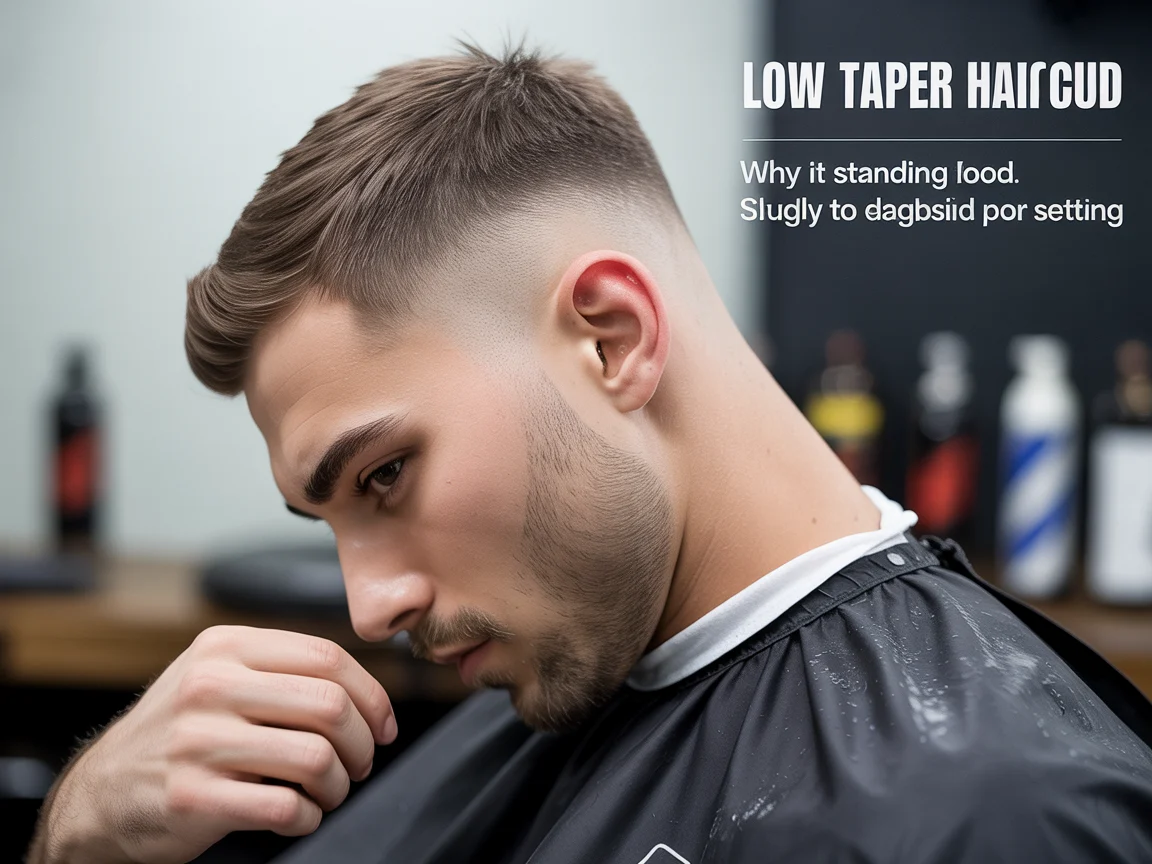
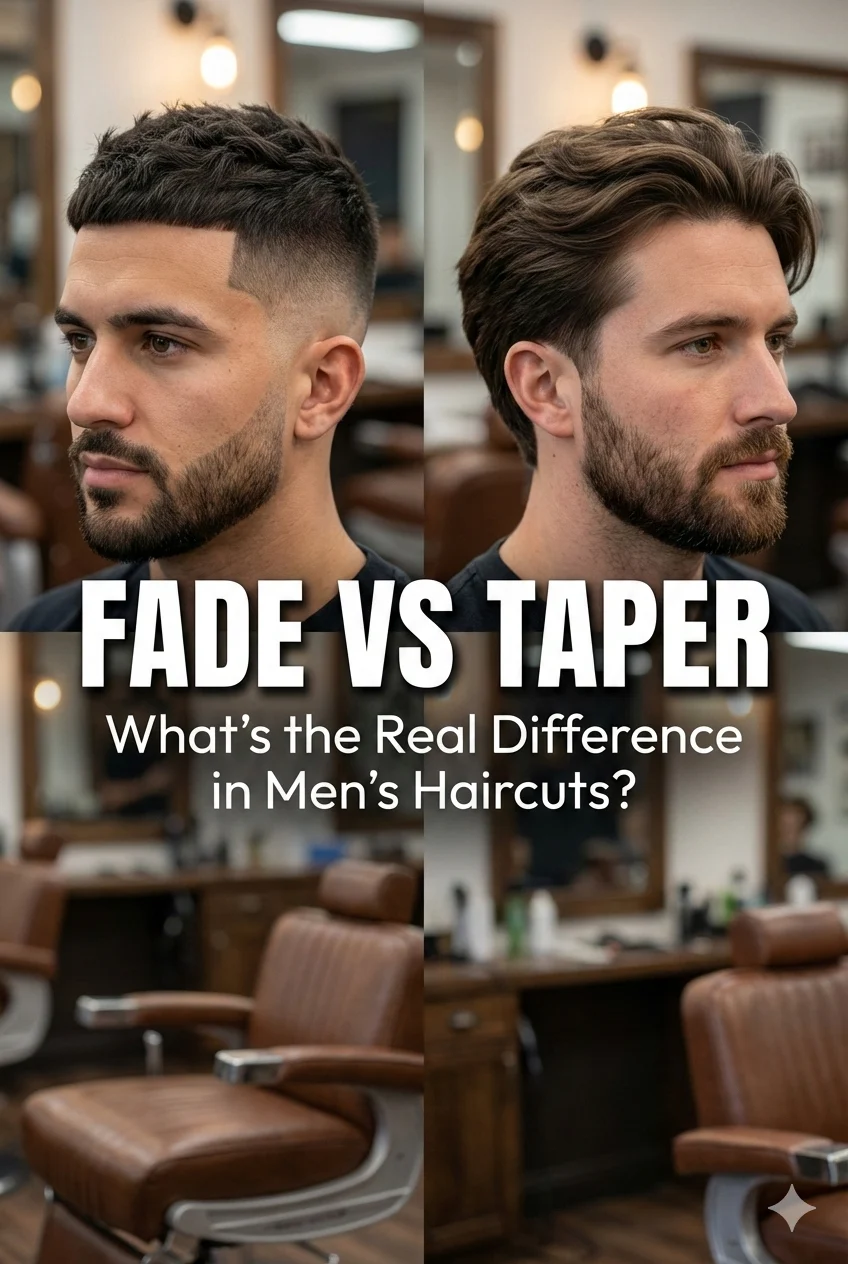
But a mid fade doesn’t have to go to skin. A mid taper fade starts at the same mid position but blends to a short clipper length rather than bare skin, giving a softer, more natural finish. Both are mid fades — the difference is only in how short the bottom goes.
For the dedicated guide to the skin-depth version, see our Mid Bald Fade Haircut guide.
The two axes of any fade: placement and depth
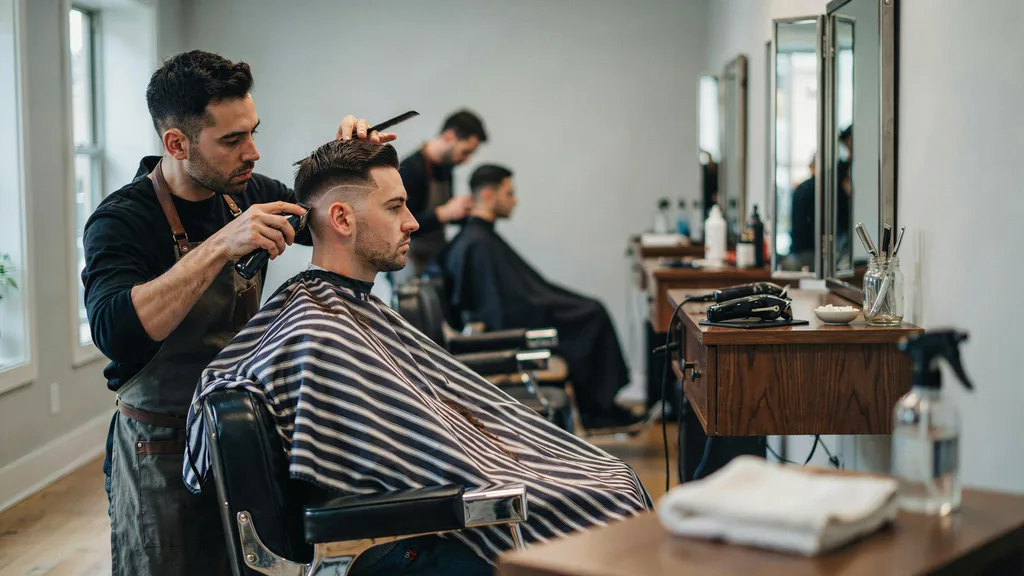
Think of it as a simple grid with two axes:
Placement (where it starts): Low → Mid → High
Depth (how short the bottom goes): Taper (stops before skin) → Skin / Bald (goes to bare skin)
Any fade you can name sits somewhere on both axes. A “mid skin fade” is mid placement + skin depth. A “low taper fade” is low placement + taper depth. When someone just says “mid fade” without specifying depth, most barbers will ask or default to skin — but it’s worth being clear.
For a visual comparison of placement differences across the three main fade heights, see Low Fade vs Mid Fade vs High Fade.
Which is better — mid taper or mid skin fade?
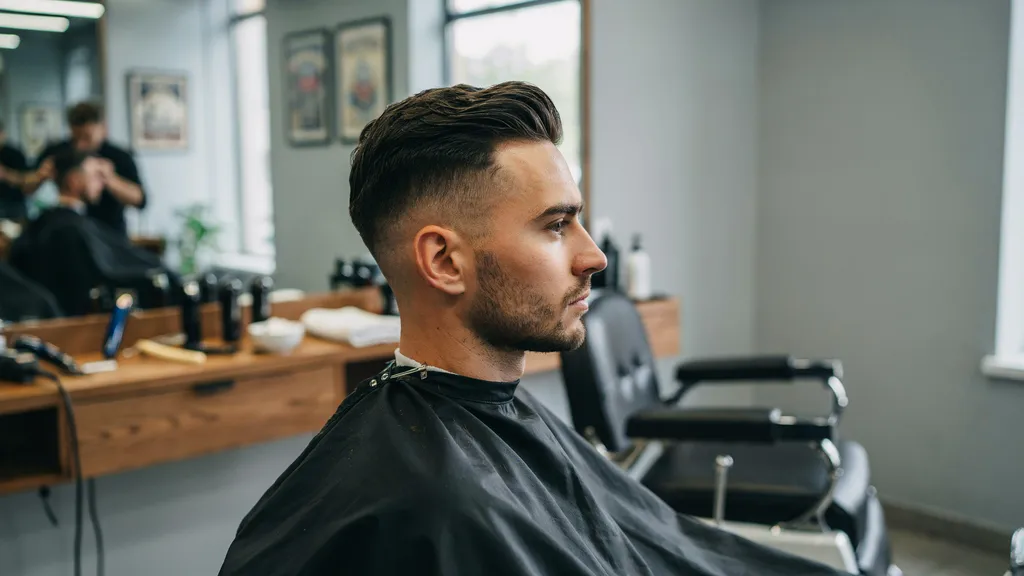
Neither is objectively better; it comes down to the look you want and your lifestyle:
- Mid skin fade — bolder, sharper, maximum contrast. Looks the most defined fresh from the barber but shows regrowth faster and needs more frequent cuts.
- Mid taper fade — softer, more natural, easier to maintain. Suits formal or conservative settings more easily and grows out more gracefully.
If you want to stand out and don’t mind going back to the barber every 2 to 3 weeks, the skin version delivers the crispest result. If you prefer something that stays presentable a bit longer, the taper depth is the smarter choice.
How to ask your barber for exactly what you want

Since “mid fade” alone doesn’t specify depth, be explicit:
“I’d like a mid skin fade — start the fade at temple level and blend it all the way down to skin at the bottom.”
Or:
“I’d like a mid taper fade — start at temple level, blend it short but stop before skin.”
Adding the depth — skin or taper — removes all ambiguity. If you’re unsure what depth suits you, bring a reference photo and show your barber exactly how short you want the bottom to go.
The bottom line

A mid fade and a skin fade are not the same thing — one describes placement, the other describes depth. They can combine into a mid skin fade, which is one of the most popular men’s haircuts today, but a mid fade can also be a softer taper. Knowing the difference means you’ll always walk out of the barber’s chair with exactly what you asked for.
Frequently asked questions
Is a mid fade the same as a skin fade? No. A mid fade refers to where the fade starts on the head (temple level, in the middle). A skin fade refers to how short the bottom goes (all the way to bare skin). They describe different things and can be combined into a mid skin fade.
What is a mid skin fade? A mid skin fade is a haircut where the fade starts at temple level (mid placement) and blends all the way down to bare skin at the bottom (skin depth). It is the sharpest, highest-contrast version of the mid fade.
What is the difference between a mid fade and a mid taper? Both start at temple level, but a mid taper stops before reaching bare skin at the bottom, giving a softer finish. A mid skin fade blends all the way to skin for a bolder look.
Does a mid fade always go to skin? No. A mid fade describes the starting position of the fade only. The bottom can be blended to skin (skin fade) or to a short clipper length (taper), depending on what you ask for.
Which is better, a mid skin fade or a mid taper? A mid skin fade gives bolder contrast and a sharper look but needs more frequent touch-ups. A mid taper is softer, more natural, and grows out more gracefully. The better choice depends on your style preference and how often you can visit the barber.
About the Author
Daniel Reyes got his first mid fade almost by accident. He asked his barber for “just a fade” and got one that started right at temple level. It became the cut he kept going back to, so he built mid-fade.com to cover it properly instead of burying it in generic fade lists.