Mid Fade vs a Regular Haircut: What’s the Difference?

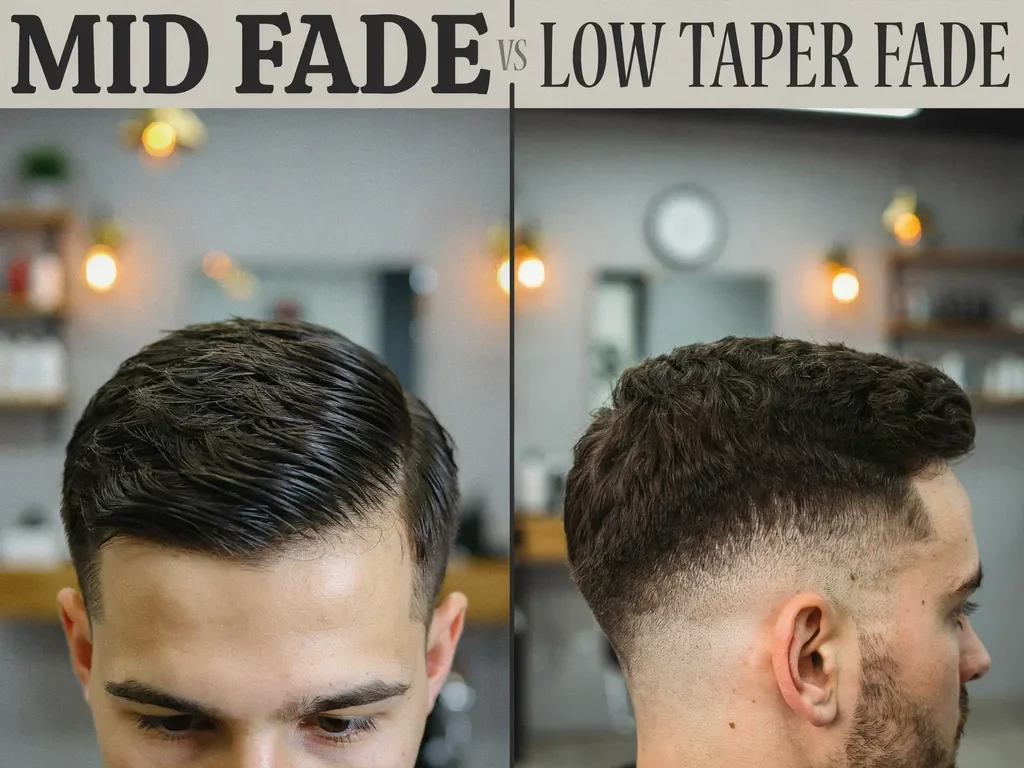
Quick answer: The key difference is the blending technique on the sides and back. A regular haircut cuts the hair to a uniform length or uses basic tapering, leaving the sides and back looking similar throughout. A mid fade uses a gradual clipper blend that transitions from very short or skin at the bottom to longer hair at the top, starting at temple level — creating a smooth gradient with clear, deliberate contrast. The result looks sharper, more defined, and more modern.
If you have always had a standard cut and are wondering what a mid fade actually adds, this guide gives you a clear, honest comparison — what each haircut does, what it looks like, how it is cut, and who each one suits best.
What is a regular haircut?

A “regular haircut” is a broad term, but it generally refers to a cut where the sides and back are trimmed to a consistent, relatively uniform length — sometimes slightly shorter at the bottom and longer toward the top, but without a dramatic gradient or blending technique. Common examples include a classic short back and sides, a trim all over, or a scissor cut where the barber works the sides down to a tidy length.
In a regular haircut, the sides might be cut to a #3 or #4 guard length throughout, or shaped with scissors to a similar uniform depth. There is usually no deliberate “zero” at the bottom, no smooth gradient, and no dramatic contrast zone. The result is clean and tidy, but the sides blend into the top gradually and naturally, rather than through deliberate fading technique.
What makes a mid fade different
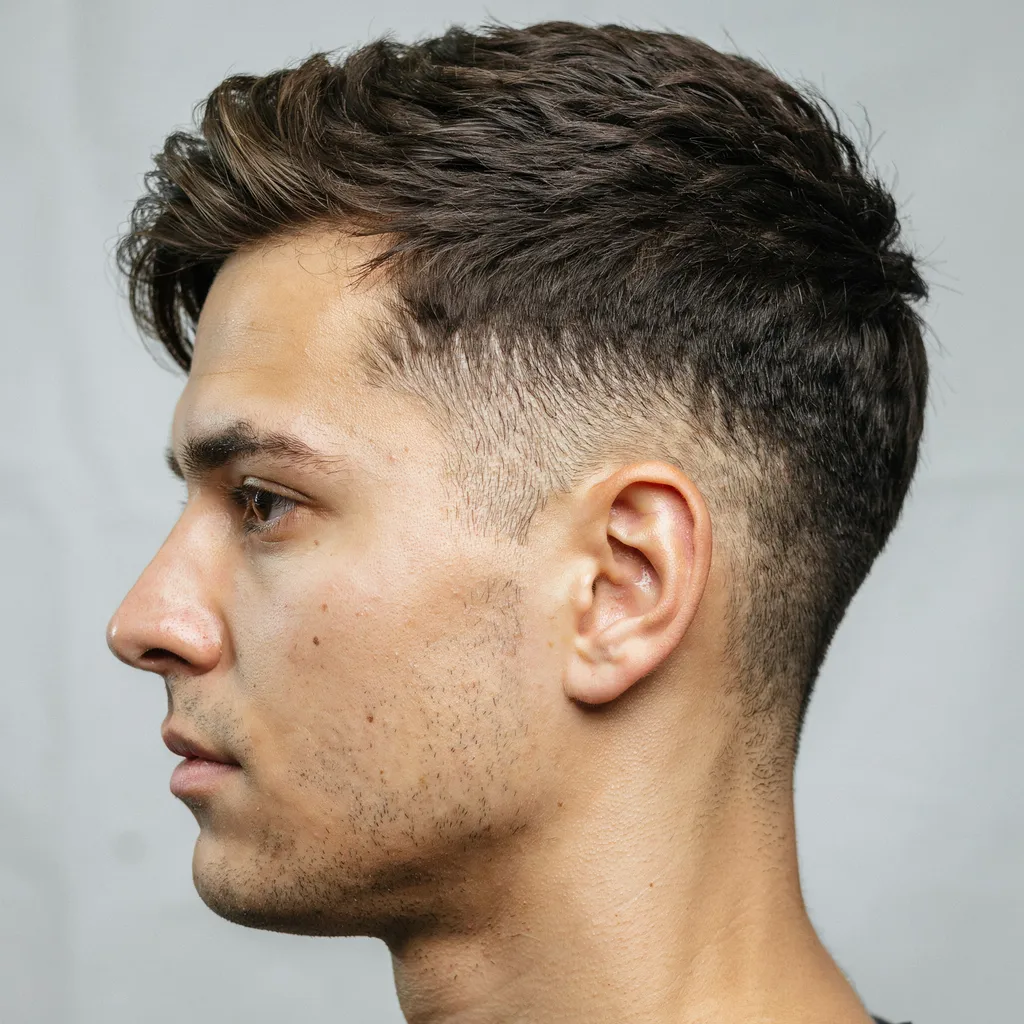
A mid fade introduces three things a regular haircut does not have:
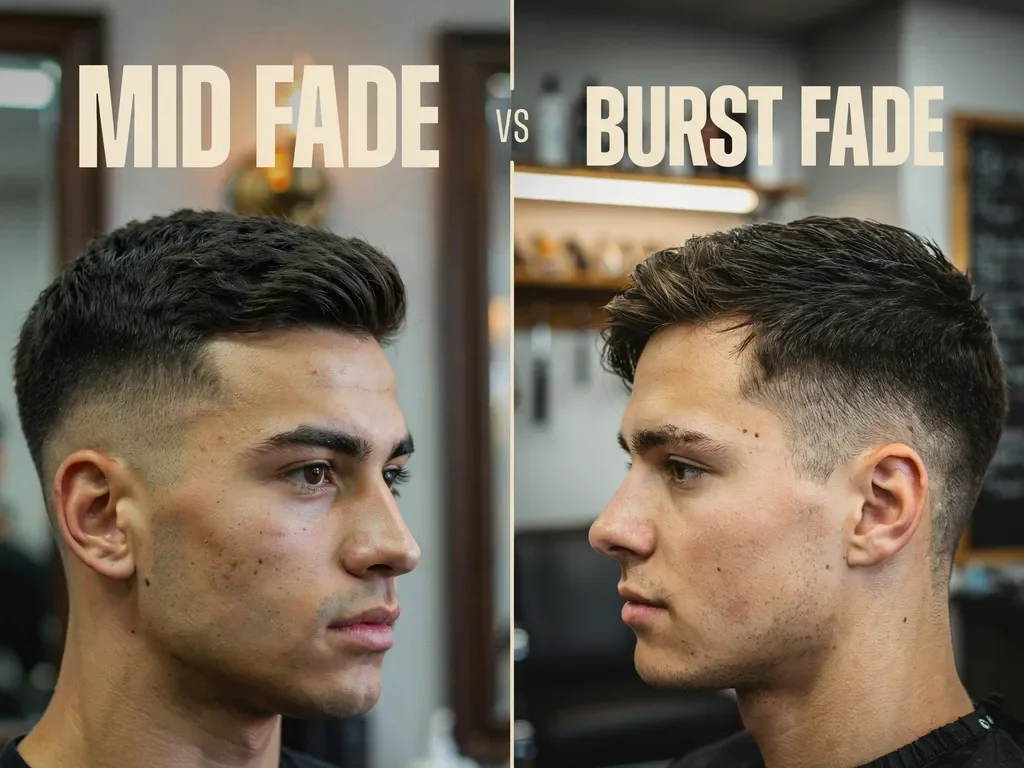
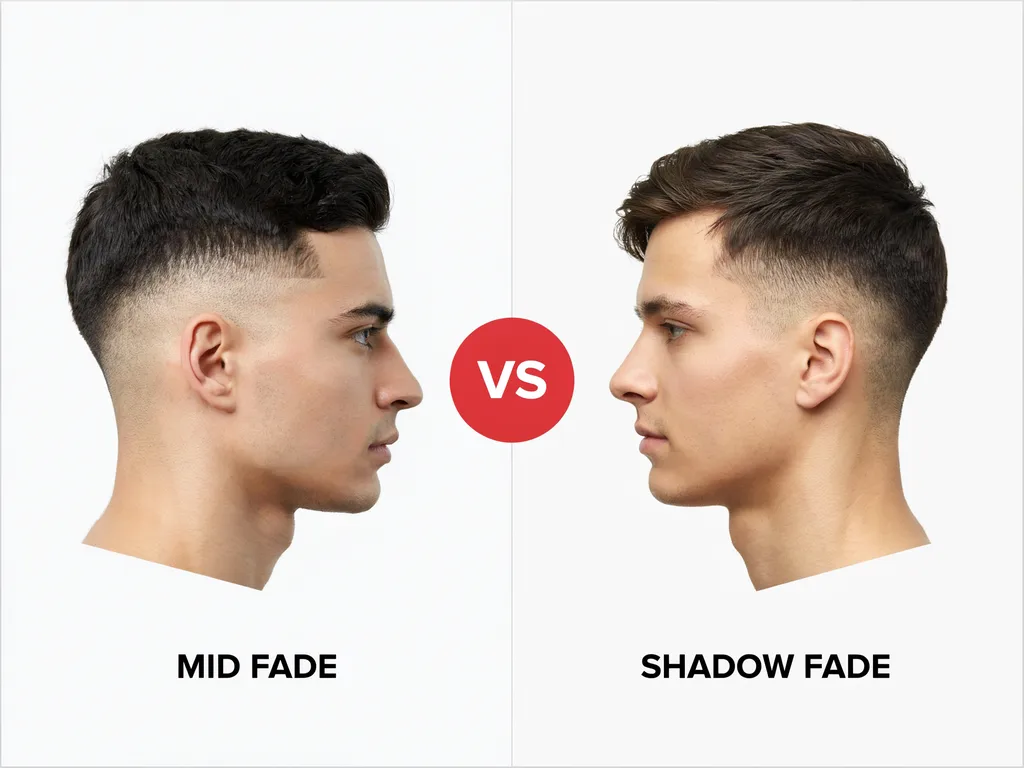
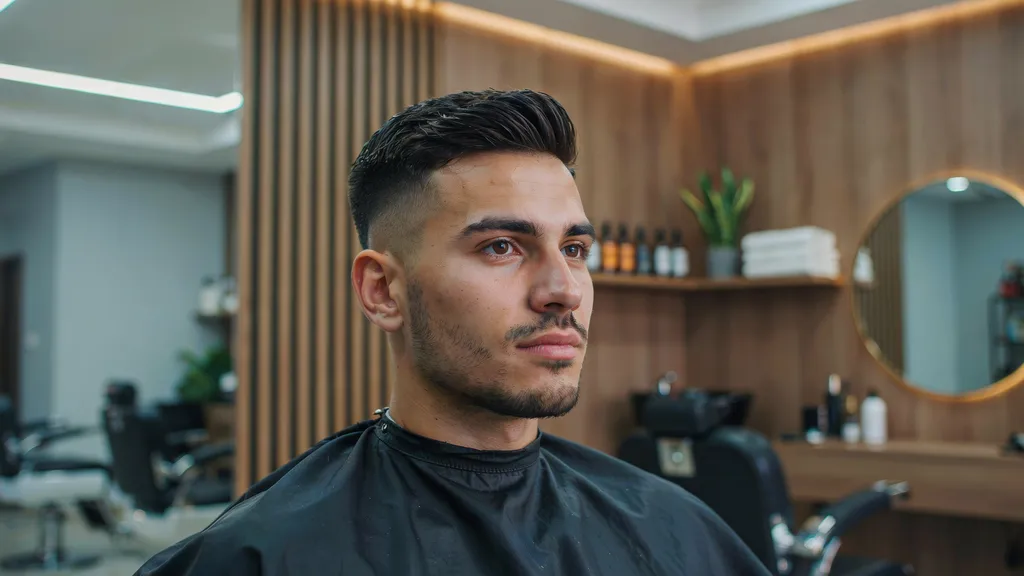
1. A deliberate gradient on the sides and back. Instead of a consistent length, the hair is cut progressively shorter from top to bottom. The highest point — around temple level — still has some visible length. The lowest point, at the neckline, is very short or completely skin. Between those two points, the hair transitions smoothly through multiple clipper guard lengths, with each step blended into the next so there are no visible lines. This gradient is the defining feature of any fade. For the complete picture, see our Mid Fade Haircut guide.
2. A defined fade line — the starting point. A mid fade has a clear starting height: temple level, about 1 to 2 inches above the ear. This is where the gradient begins. Below that line, the blending happens. Above it, the hair stays full. In a regular haircut there is no equivalent — the sides are just trimmed to length without a defined starting point for any contrast.
3. High contrast between sides and top. The combination of a smooth gradient and a defined starting line creates a visible, intentional contrast between the short sides and the longer top. This contrast is the visual signature of the mid fade — it reads as modern, deliberate, and well-crafted in a way that a uniform short-back-and-sides does not.
How the cutting technique differs
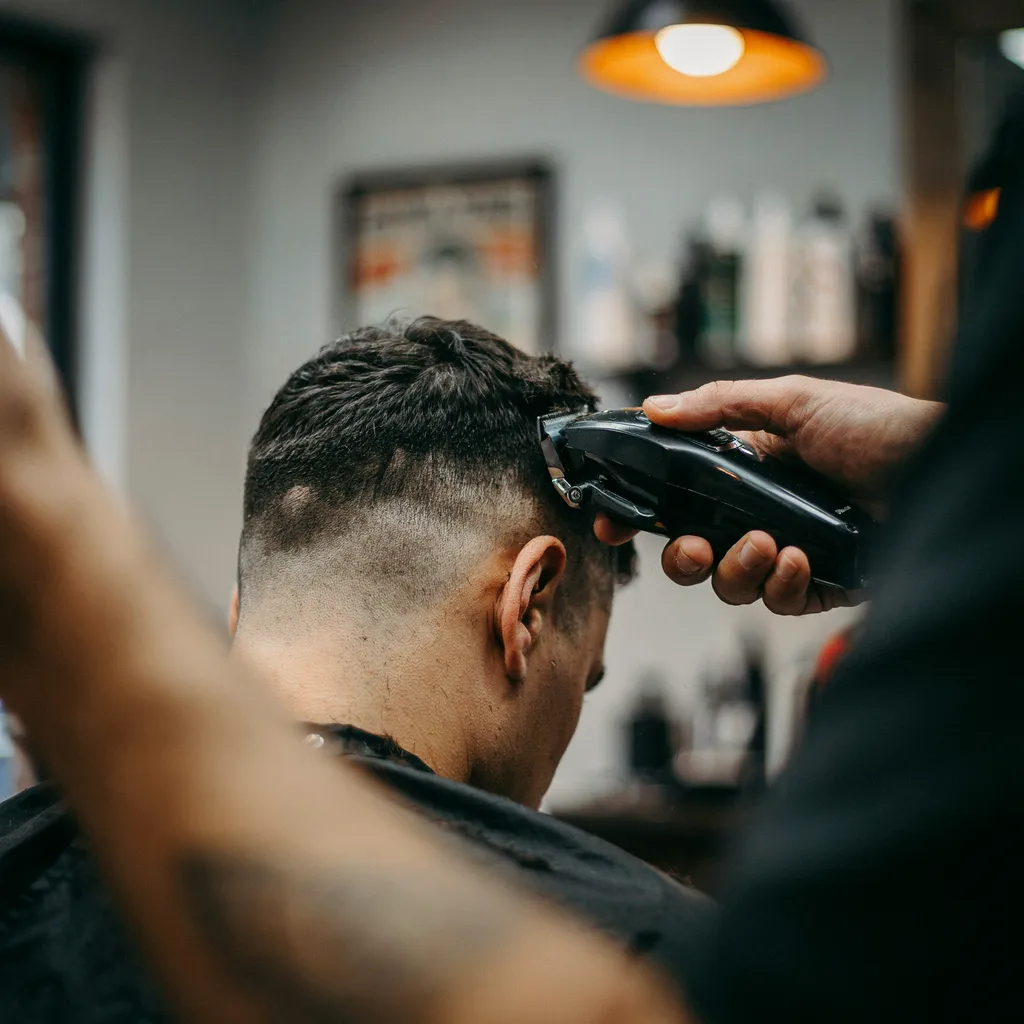
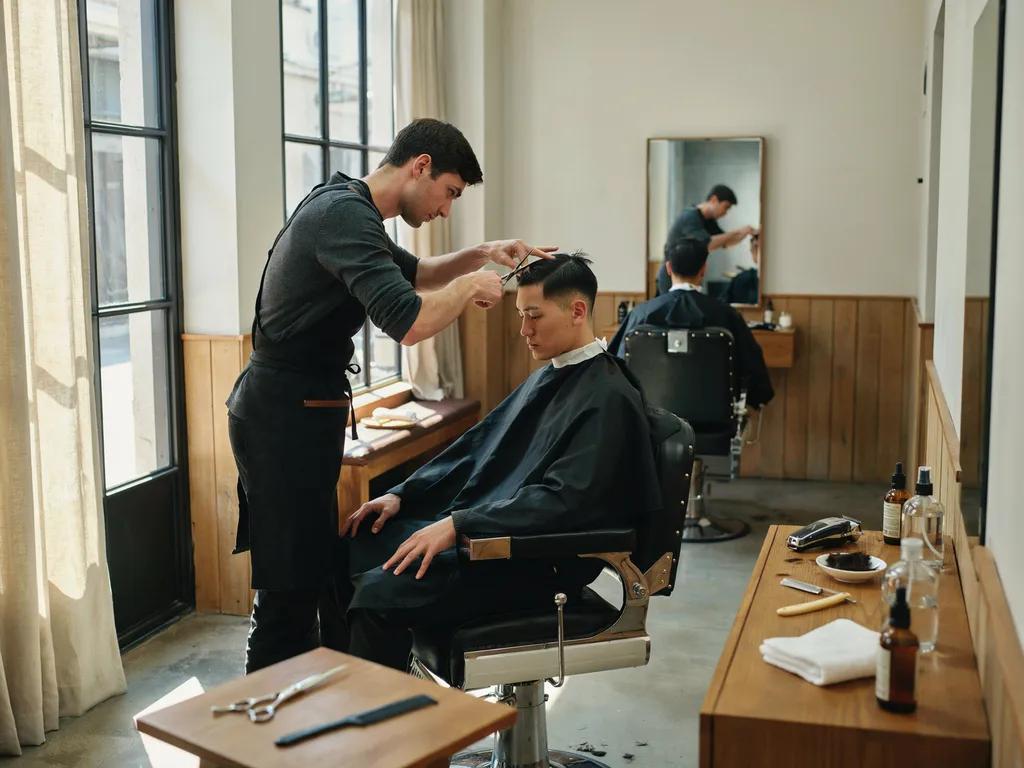
In a regular short haircut, a barber typically works the sides and back with scissors or a single clipper guard, keeping the length relatively consistent. The process is fairly straightforward: trim to length, tidy the edges, done.
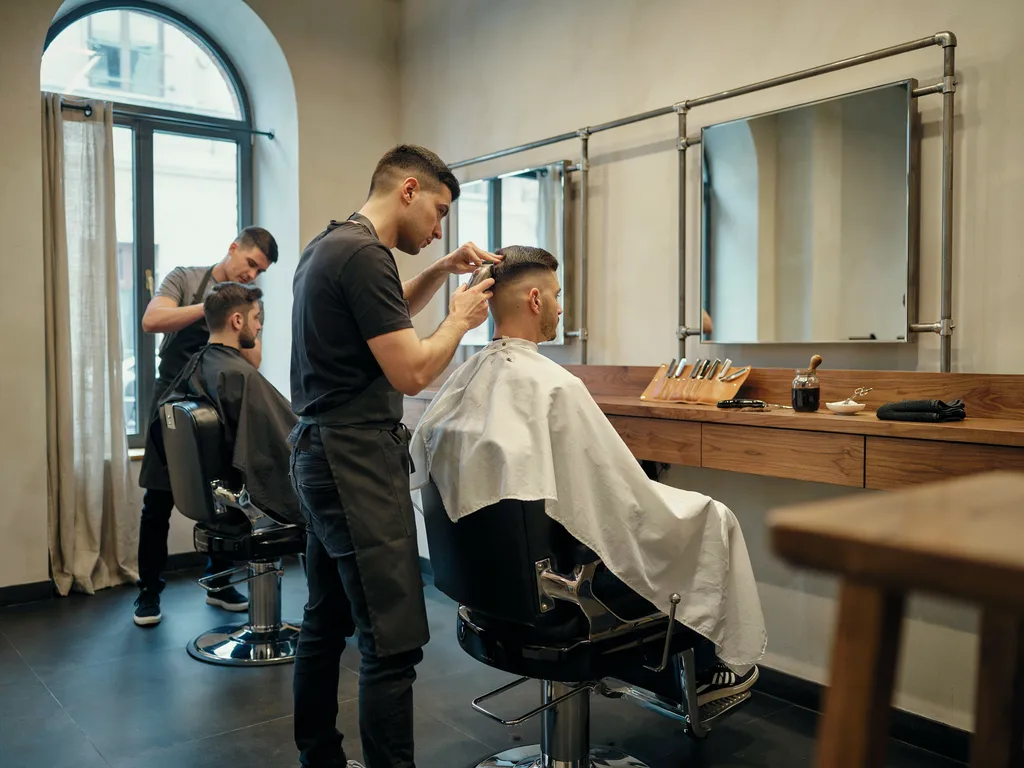
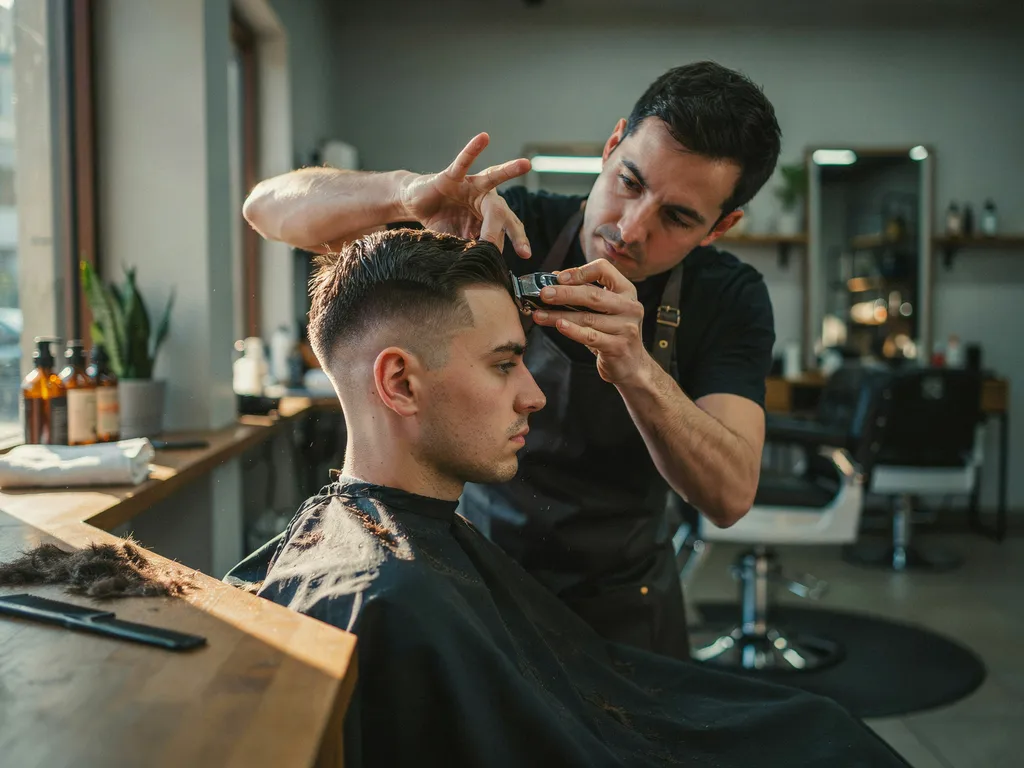
A mid fade requires a more technical approach. The barber uses multiple clipper guards in progression — starting with a very short guard or no guard at the base, then moving to progressively longer guards as they work upward. Between each guard change, they use the clipper flicked away from the head (open blade technique) and often a comb to blend the transition zone so no line is visible. The area around the temple and ear requires particular precision to ensure the fade wraps cleanly. This is a significantly more skilled technique, which is why a quality mid fade takes longer and often costs slightly more than a standard trim.
How they compare side by side
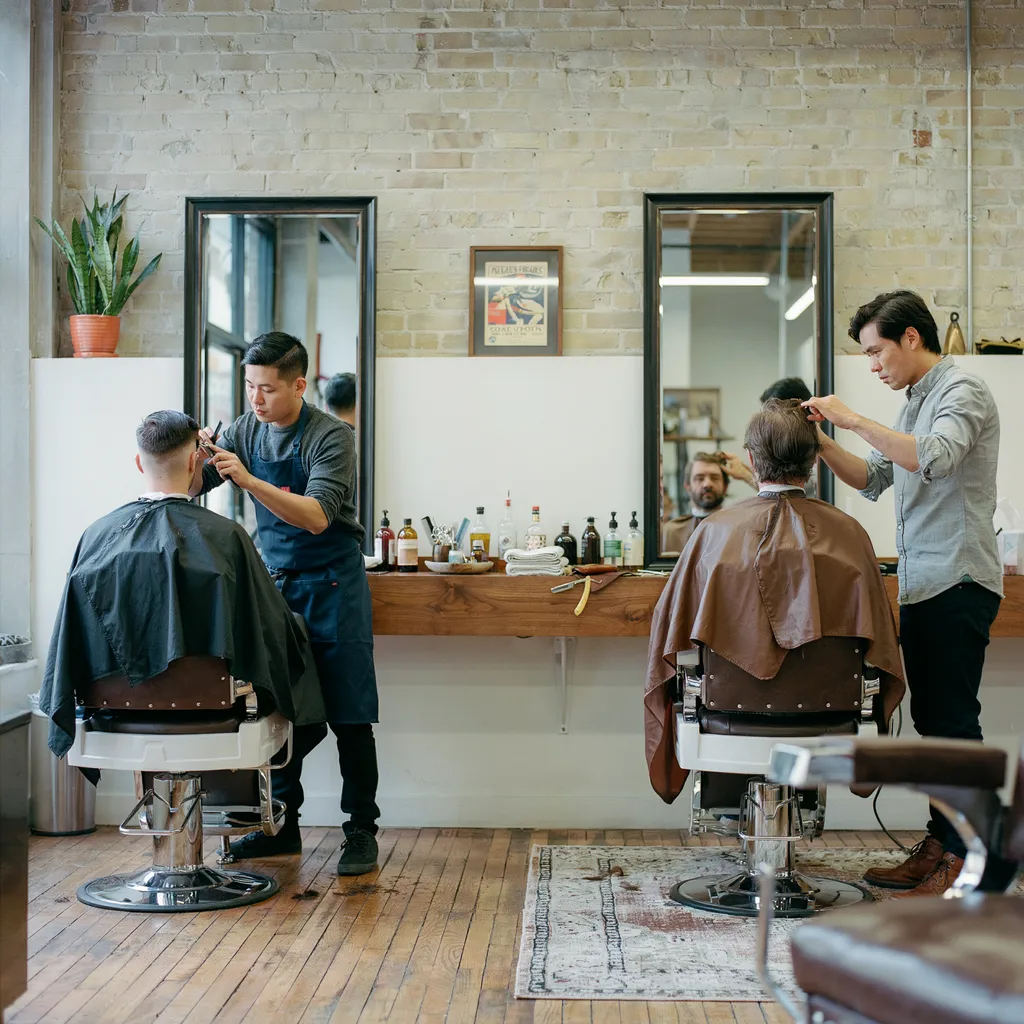
| Regular Haircut | Mid Fade | |
|---|---|---|
| Sides technique | Uniform length or basic taper | Smooth gradient from short to longer |
| Starting point | No defined fade line | Defined at temple level |
| Contrast | Subtle, natural | Clear, deliberate |
| Skill required | Moderate | Higher — precision blending |
| Maintenance | Grows out gradually, low upkeep | Needs refresh every 2–3 weeks |
| Versatility | Works in all settings | Works in all settings |
| Best for | Classic, conservative look | Modern, sharp look |
Which one should you choose?

Choose a regular haircut if:
- You prefer a classic, understated look with minimal contrast.
- You do not want to visit the barber frequently — a regular cut grows out more naturally and stays presentable longer.
- You work in a very conservative environment where a sharp fade might feel out of place.
- You are not sure about fades yet and want to stay with what you know.
Choose a mid fade if:
- You want a sharper, more defined, more modern look.
- You are comfortable going back to the barber every 2 to 3 weeks to keep the fade line crisp.
- You want flexibility in how you style the top — the clean sides of a mid fade make almost any top style look more intentional.
- You want a cut that suits your face shape, hair type, and lifestyle simultaneously. For how the mid fade adapts across these, see why the mid fade is so popular.
Can you transition from a regular haircut to a mid fade?
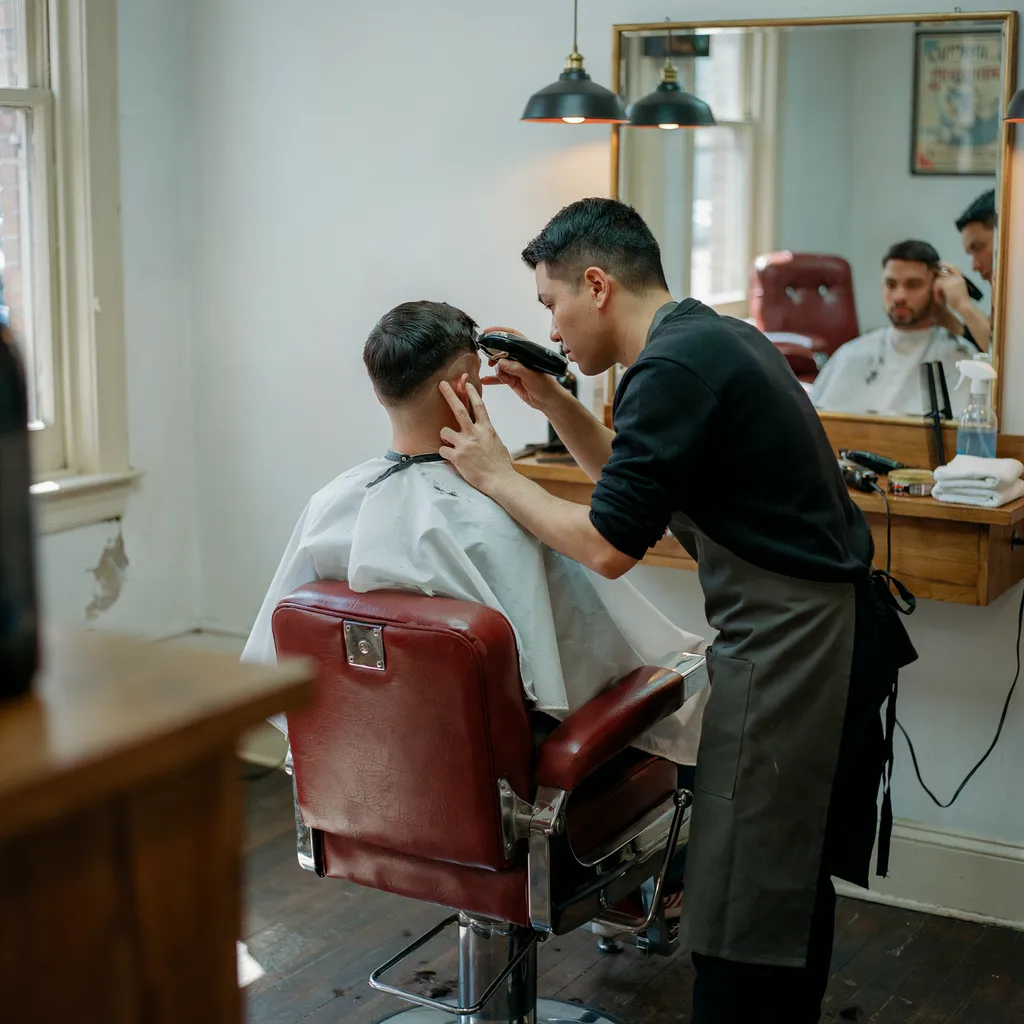
Yes, easily. A mid fade does not require any specific length to start from — your barber can introduce the fade technique on your next visit regardless of what your current haircut looks like. The only thing to keep in mind is that if you currently have a longer regular cut, your barber will be working with more length on the sides, which means the first mid fade might look more subtle than you expect. As you go shorter over a couple of cuts, the contrast becomes more pronounced.
If you are trying a mid fade for the first time, our guide on how to ask your barber for a mid fade gives you the exact words to use so you walk out with what you pictured.
The bottom line
A regular haircut trims the sides to a tidy, consistent length. A mid fade blends the sides through a deliberate gradient that starts at temple level and creates a sharp contrast with the top. The mid fade takes more skill, needs more frequent maintenance, and delivers a noticeably sharper and more modern result. If you want clean, defined, and intentional — the mid fade is the upgrade worth making.
Frequently asked questions
What is the difference between a mid fade and a regular haircut? A regular haircut cuts the sides to a uniform length. A mid fade blends the sides through a smooth gradient starting at temple level, creating deliberate contrast between the short sides and the longer top.
Is a mid fade harder to maintain than a regular haircut? Yes, slightly. A mid fade needs a refresh every 2 to 3 weeks to keep the fade line sharp. A regular haircut grows out more gradually and stays presentable longer between cuts.
Does a mid fade cost more than a regular haircut? Often yes, because it requires more skill and more time. The price difference varies by barbershop, but a mid fade typically costs a little more than a basic trim or regular cut.
Can anyone get a mid fade or is it only for certain hair types? Anyone can get a mid fade. It works across all hair types — straight, curly, wavy, thick, thin, and afro-textured — because the fade is applied to the sides regardless of the texture on top.
Is a mid fade suitable for a professional or office setting? Yes. A mid fade is appropriate in most professional settings, particularly when paired with a neat top style like a comb over or a textured crop. It reads as well-groomed and intentional rather than casual.
About the Author
Daniel Reyes got his first mid fade almost by accident. He asked his barber for “just a fade” and got one that started right at temple level. It became the cut he kept going back to, so he built mid-fade.com to cover it properly instead of burying it in generic fade lists.