Mid Fade vs Undercut: What’s the Difference?

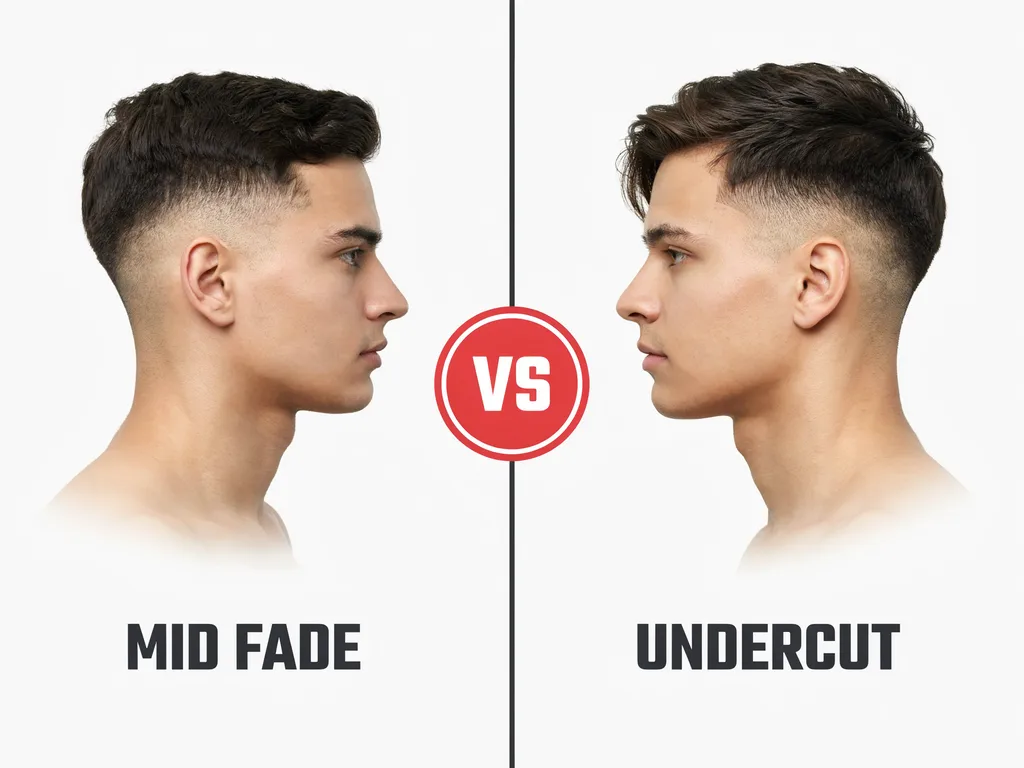
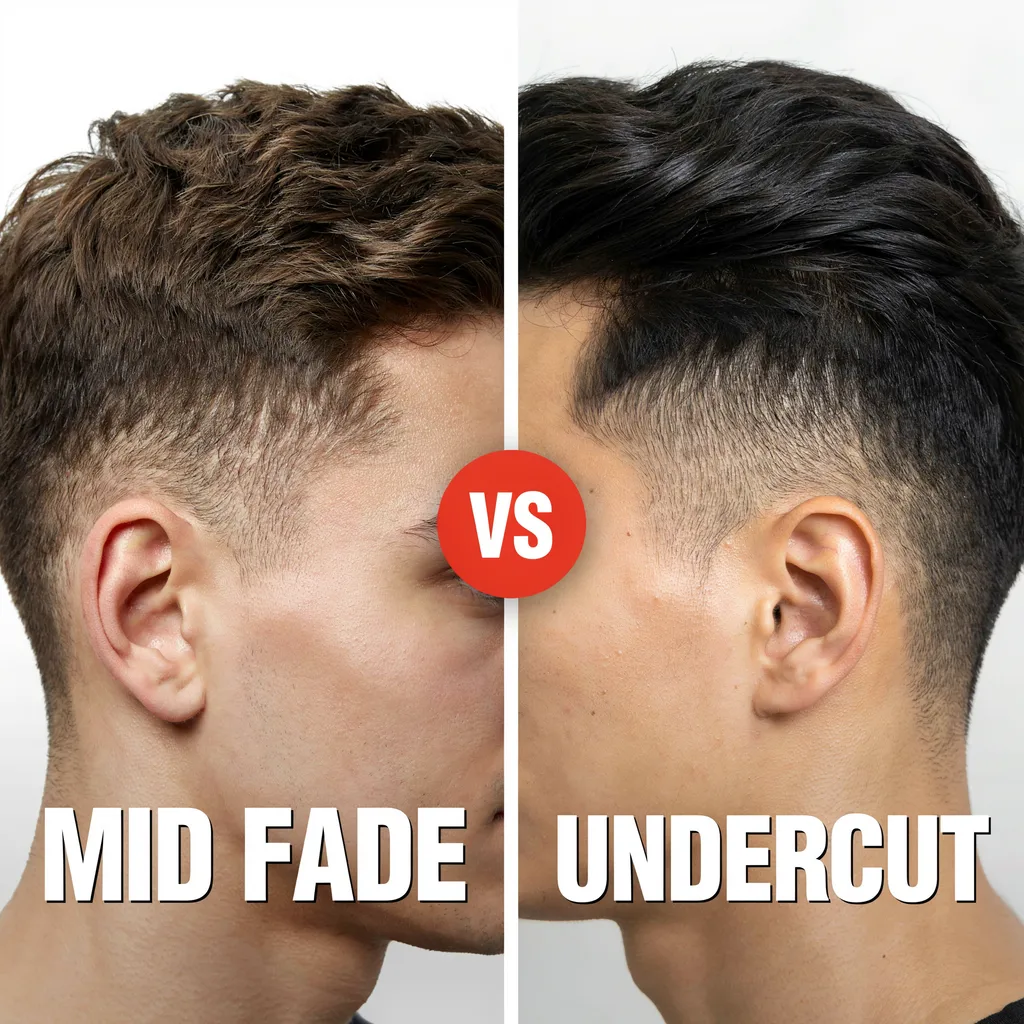
Quick answer: The difference is blending. A mid fade gradually blends the sides from short at the bottom to longer at temple level, so there's no hard line. An undercut cuts the sides to one uniform short length with no blend, leaving a sharp, disconnected line where the long top meets the short sides. A mid fade looks smooth and graduated; an undercut looks bold and defined — and you can even combine them into a "faded undercut."
These two get compared constantly because both give you short sides and a longer top. But the way they handle the transition is opposite, and that single difference changes the whole character of the cut. Here's exactly how a mid fade and an undercut differ, and how to decide between them.
The core difference: blend vs disconnect
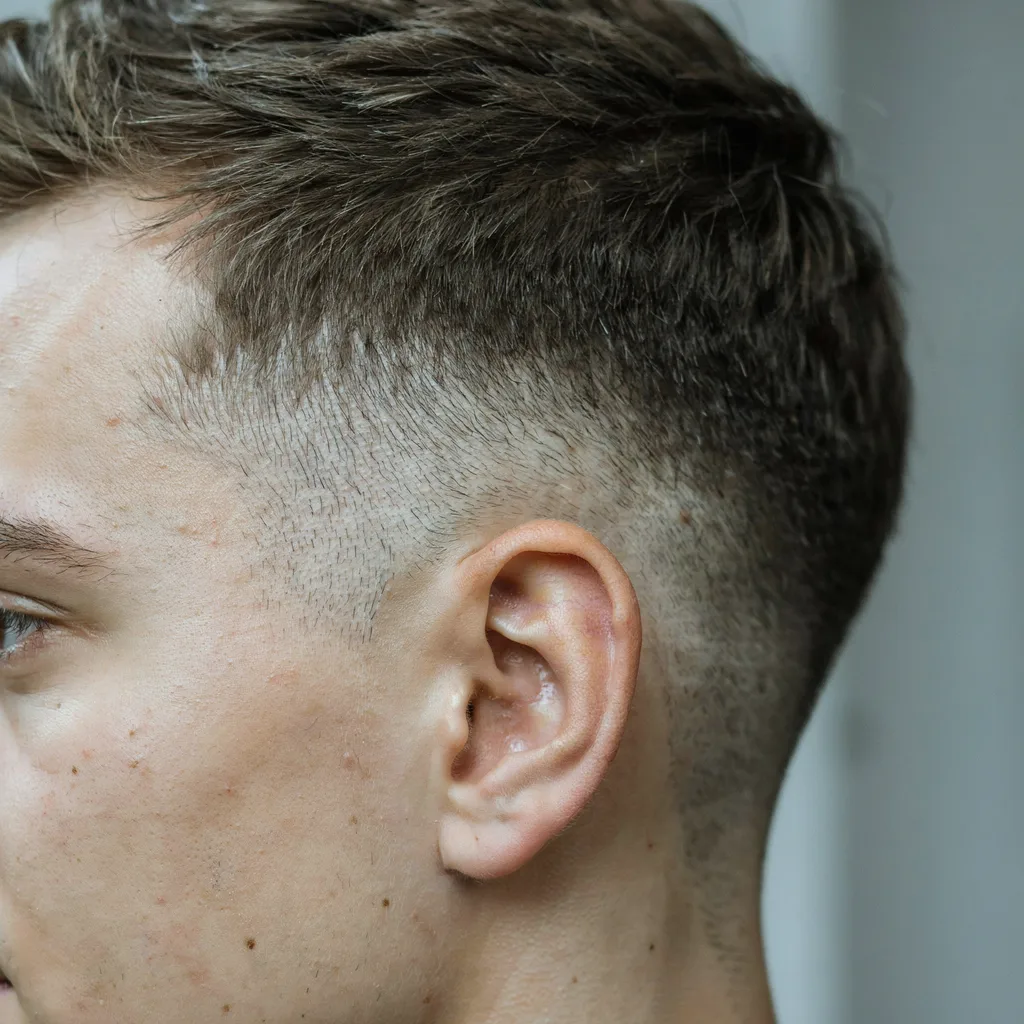
A mid fade is all about the gradient. The hair transitions smoothly from skin or very short at the bottom up to full length at temple level, with no visible step or line. It starts in the middle of the side of the head — for the full placement breakdown, see our Where Does a Mid Fade Start guide.
An undercut is all about the disconnect. The sides (and usually the back) are clipped to a single, uniform short length — often one guard all the way up — and the long top is left to sit over them with a deliberate, hard line between the two. There's no blending at all; the contrast is meant to be seen.
So the mid fade hides the transition, and the undercut shows it off.
What each one looks like
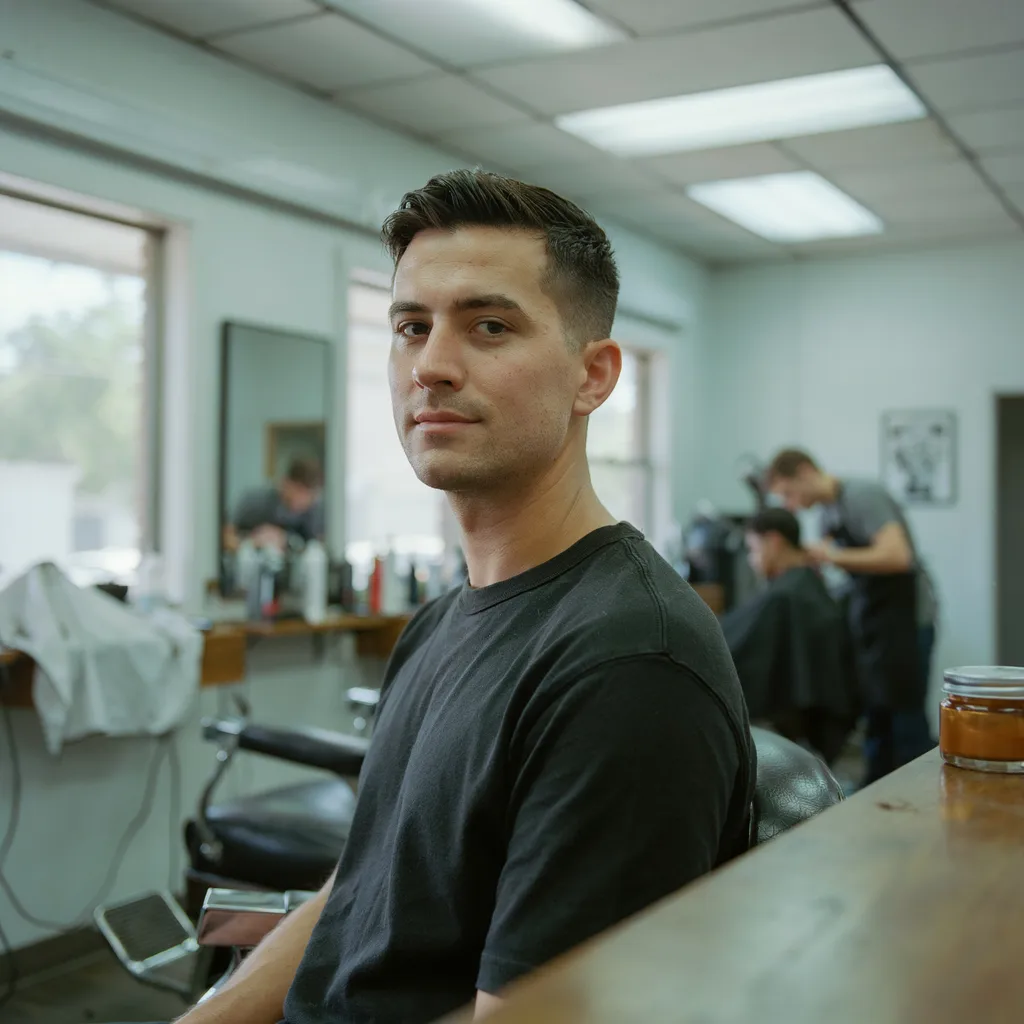
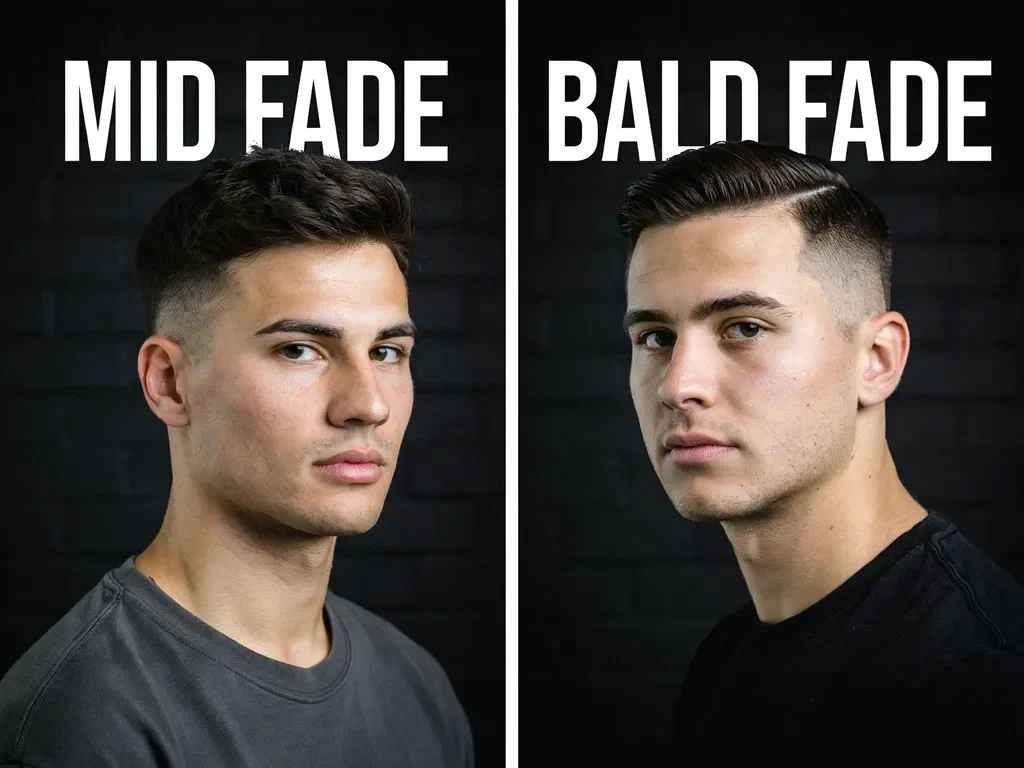
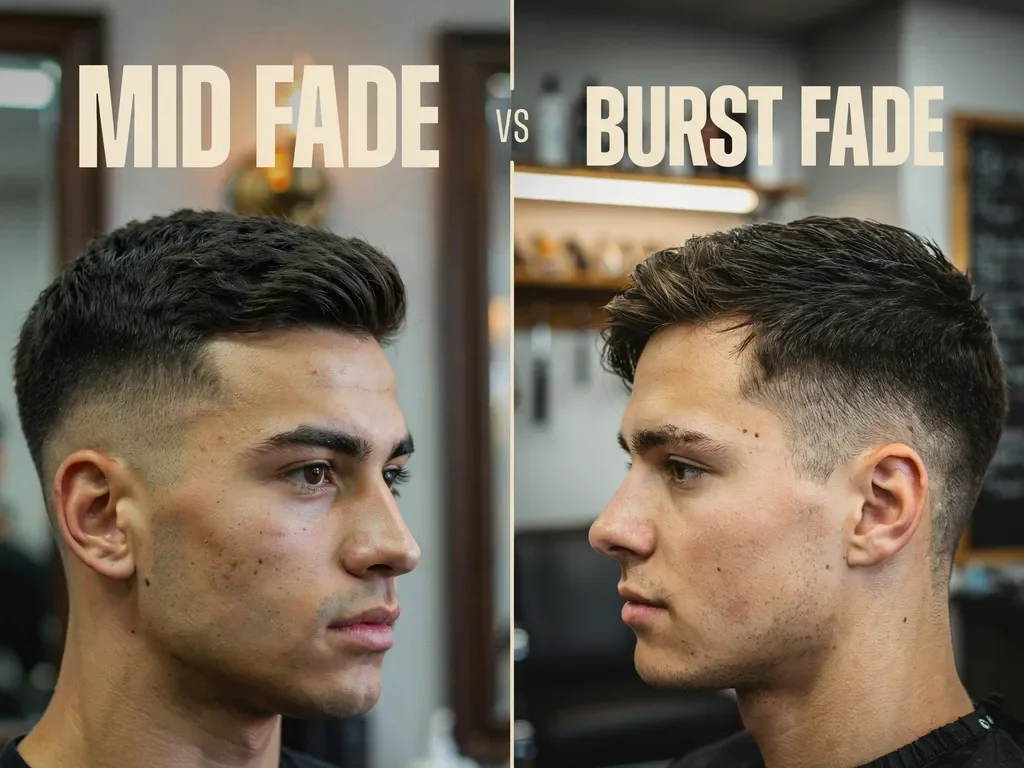
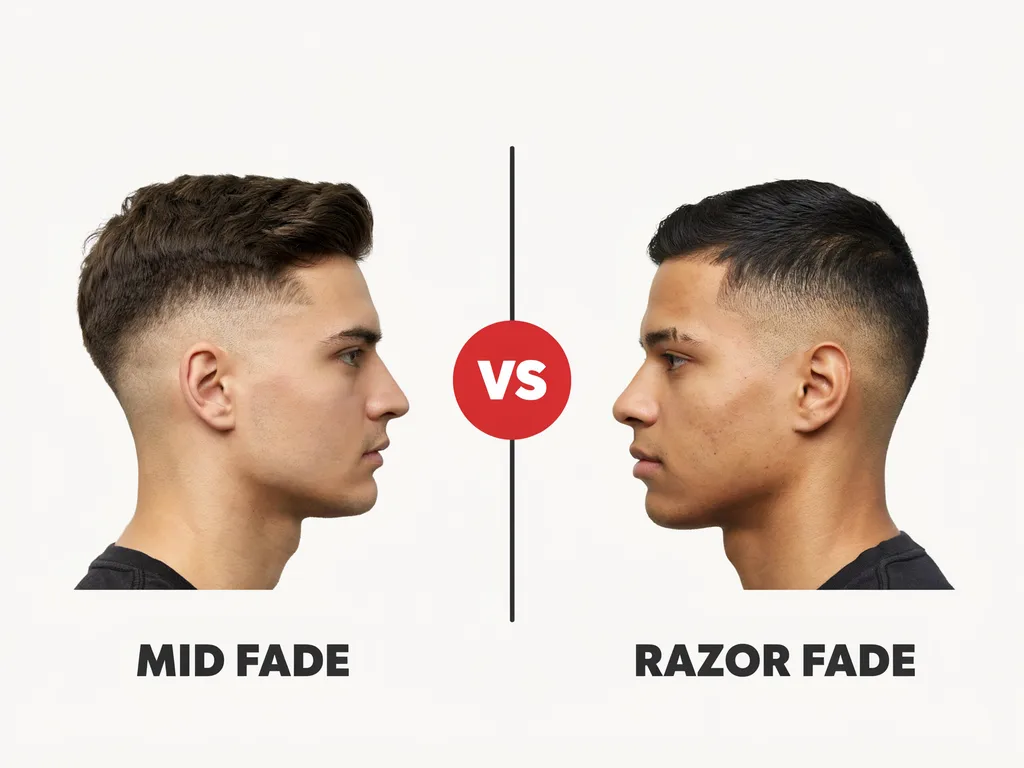
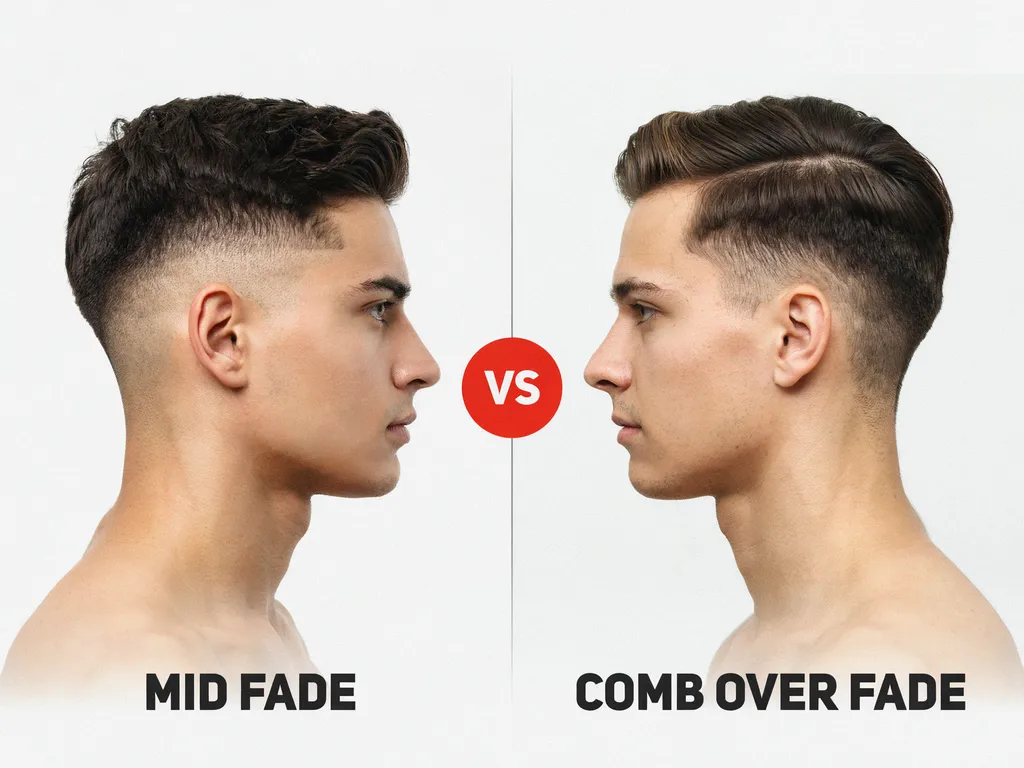
A mid fade reads as clean, soft, and graduated. From any angle you see a smooth shadow melting from short to long, which is why it looks balanced and suits formal settings.
An undercut reads as sharp and editorial. Because the top and sides are two distinct lengths with a clear border, it has a stronger, more fashion-forward edge. The long top can be slicked back, tied up, or left to flow, and the disconnected sides make that top stand out dramatically.
Mid fade vs undercut at a glance
| Mid fade | Undercut | |
|---|---|---|
| Transition | Blended, gradual | Disconnected, hard line |
| Sides | Short at bottom, longer up top | One uniform short length |
| Look | Smooth, balanced | Bold, defined |
| Grows out | Softens gradually | Line blurs as sides grow |
| Best top styles | Crop, comb over, quiff, buzz | Slick back, long top, man bun |
| Vibe | Clean and versatile | Edgy and statement |
Maintenance: which is easier to keep?

Both need regular upkeep, but for different reasons. A mid fade softens as it grows and needs a refresh every 2 to 3 weeks to keep the gradient crisp. An undercut holds its shape a little longer because the sides are one length, but the disconnected line starts to blur as the sides grow out, and the long top needs its own styling attention. Neither is truly low-maintenance — both reward a consistent barber schedule.
Can you combine them? The faded undercut

Yes — and it's a popular hybrid. A faded undercut (sometimes called a disconnected fade) keeps the strong top-to-side contrast of an undercut but adds a fade at the very bottom of the sides instead of leaving them one flat length. You get the bold, disconnected top with a cleaner, blended lower edge. If you like the drama of an undercut but find the hard line too severe, a mid fade blended into an undercut shape is the middle ground. Ask your barber for "an undercut with a mid fade underneath."
Which one is right for you?

- Choose a mid fade if you want a clean, balanced, versatile cut that works in professional settings and pairs with almost any top — a crop, comb over, quiff, or buzz. It's the safer, more understated option.
- Choose an undercut if you want a bold, fashion-forward look with a strong contrast, and you especially want to wear a longer top slicked back or tied up.
- Choose a faded undercut if you want that disconnected drama softened with a blended lower edge.
Face shape and lifestyle help decide too: the mid fade flatters nearly every face and dress code, while the undercut makes a stronger statement that suits more relaxed or creative settings.
How to ask your barber
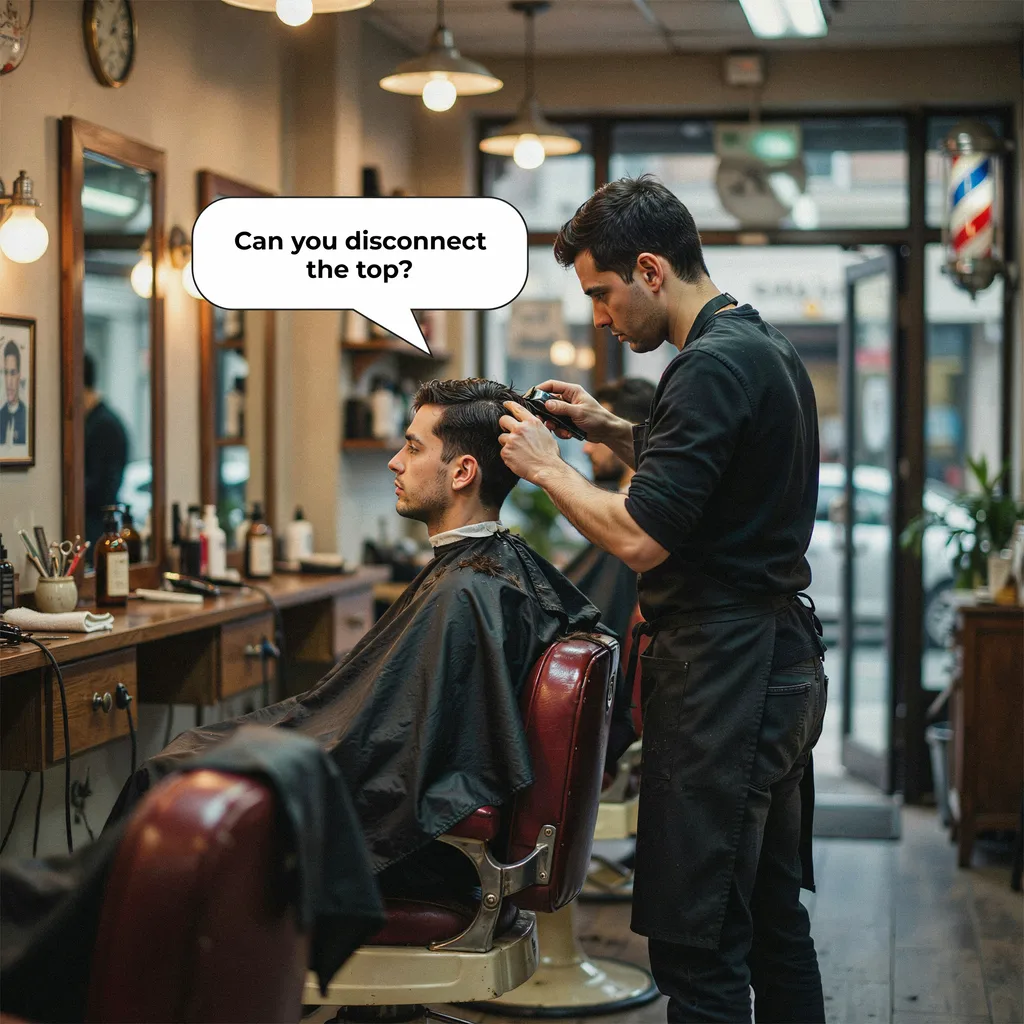
Be clear about the transition, because that's the whole difference:
"I'd like a mid fade — blend the sides smoothly from short up to temple level, no hard line."
Or for the undercut: "Give me an undercut — take the sides to one short length with a disconnected line where the top meets the sides." For the hybrid, say "an undercut with a mid fade at the bottom." A reference photo removes any doubt about how much contrast you want.
The bottom line
A mid fade blends the sides into the top for a smooth, balanced look, while an undercut leaves a hard, disconnected line for a bold statement. Pick the mid fade for clean versatility, the undercut for edge, or a faded undercut to combine both. Tell your barber whether you want the transition hidden or shown, and the rest falls into place.
Frequently asked questions
What's the difference between a mid fade and an undercut? A mid fade blends the sides gradually from short to long with no hard line, while an undercut cuts the sides to one uniform short length and leaves a sharp, disconnected line where the long top meets them.
Is an undercut or a mid fade better? Neither is better — a mid fade is smoother, more balanced, and more versatile for formal settings, while an undercut is bolder and more fashion-forward. It depends on the look you want.
Can you have a mid fade and an undercut together? Yes. A faded undercut (or disconnected fade) keeps the undercut's strong top-to-side contrast but adds a mid fade at the bottom of the sides for a cleaner, blended lower edge.
Which lasts longer between cuts, a mid fade or an undercut? An undercut holds its shape slightly longer because the sides are one length, but its disconnected line blurs as it grows. A mid fade softens gradually and usually needs a refresh every 2 to 3 weeks.
What top styles suit an undercut vs a mid fade? An undercut pairs best with a longer top you can slick back, tie up, or leave flowing. A mid fade works with almost any top — a crop, comb over, quiff, or buzz.
About the Author
Daniel Reyes got his first mid fade almost by accident. He asked his barber for “just a fade” and got one that started right at temple level. It became the cut he kept going back to, so he built mid-fade.com to cover it properly instead of burying it in generic fade lists.