Mid Fade vs Blowout: What’s the Difference?

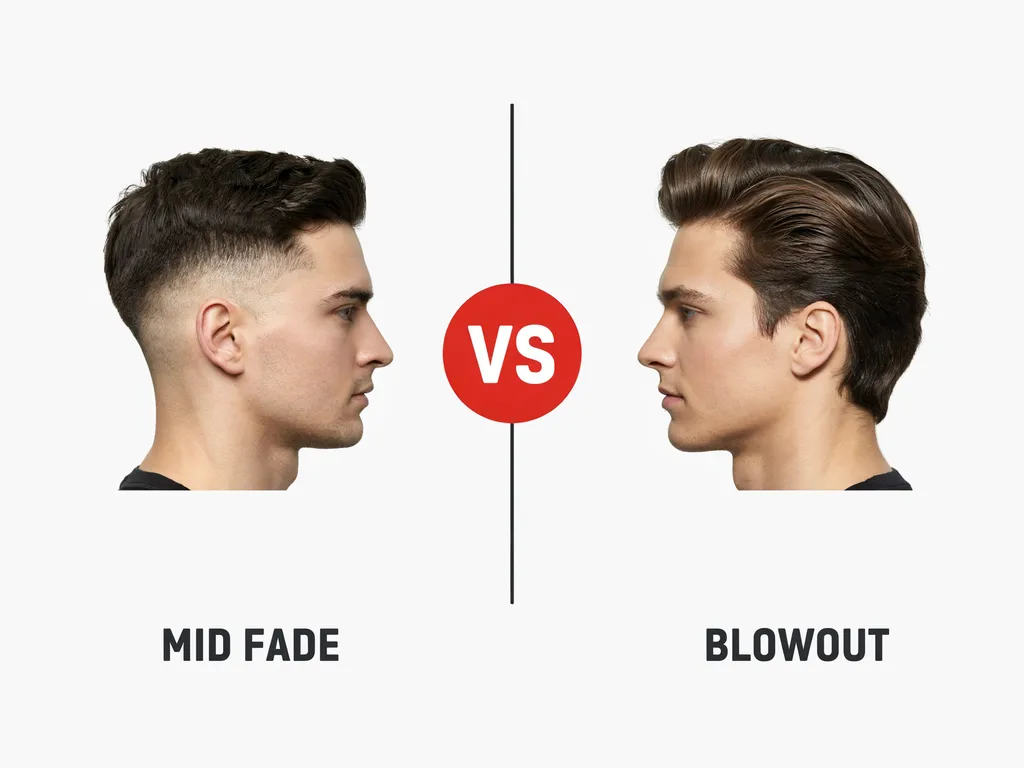
Quick answer: A mid fade and a blowout aren't the same category of thing. A mid fade describes where the fade sits on the sides — at temple level, in the middle of the head. A blowout describes the whole hairstyle: short faded sides with a voluminous, blown-up-and-forward top. They actually work together — a "mid fade blowout" uses a mid fade on the sides and a blown-out top — so the real difference is that one is a placement and the other is a full look.
People line these two up as if they're rival haircuts, but they're answering different questions. Once you see that "mid fade" is about the sides and "blowout" is about the top, choosing between them — or combining them — becomes simple. This guide breaks down what each one actually means, where they overlap, and how to ask for the exact result you want.
What a mid fade actually is
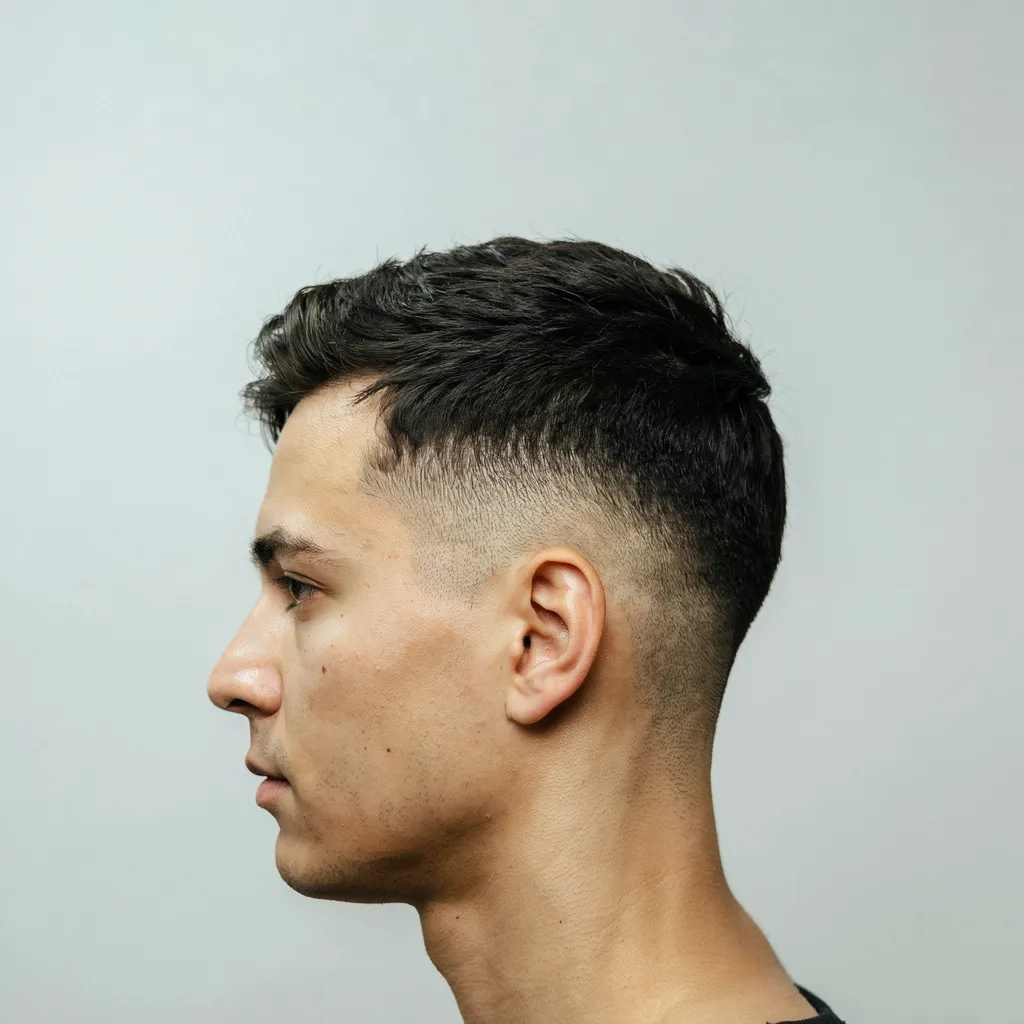
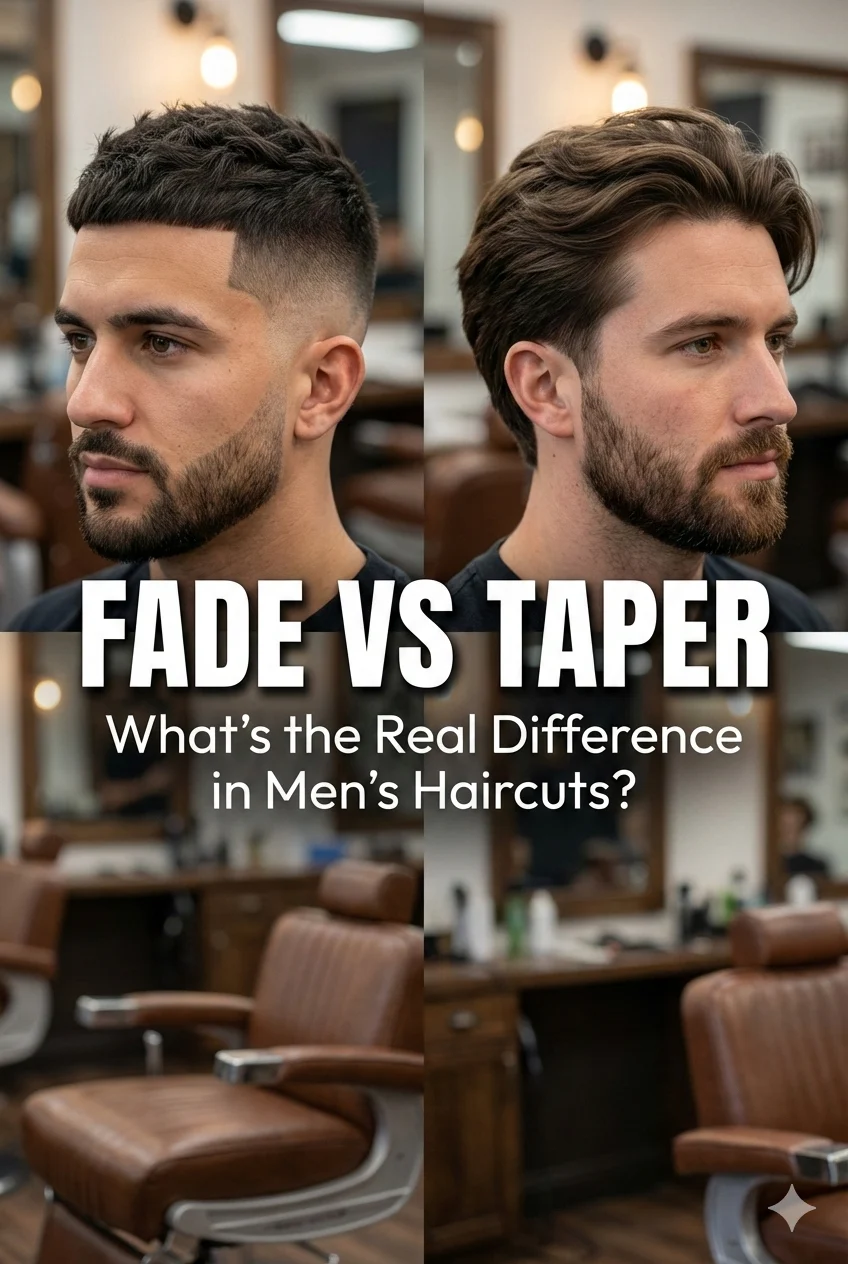
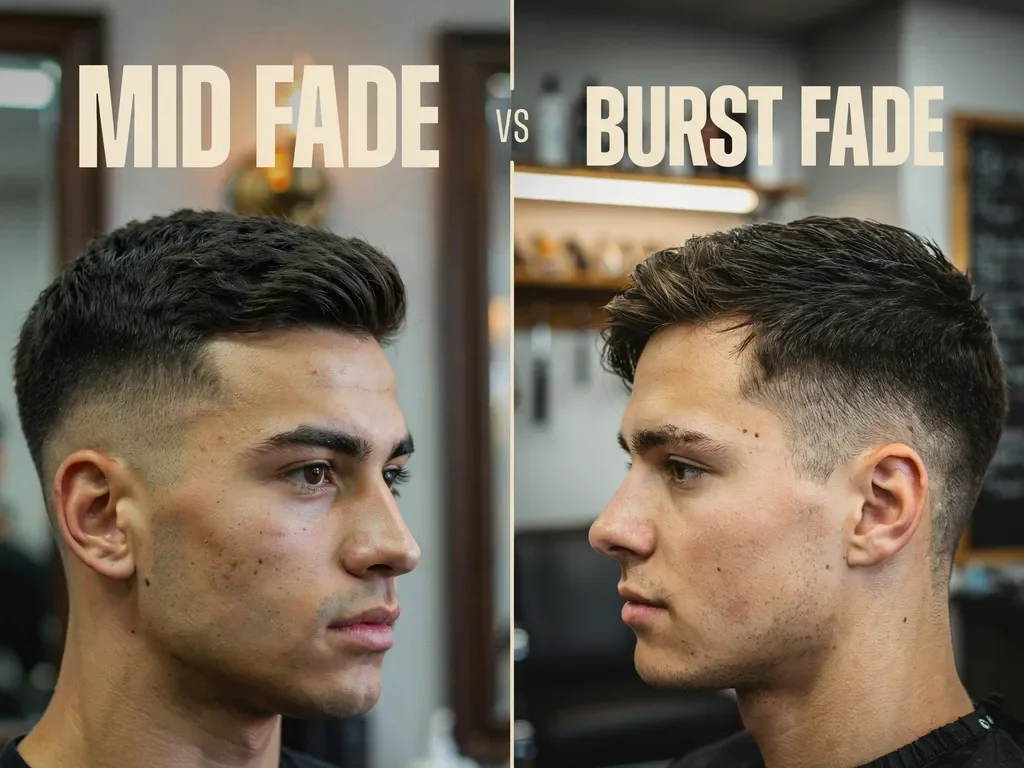
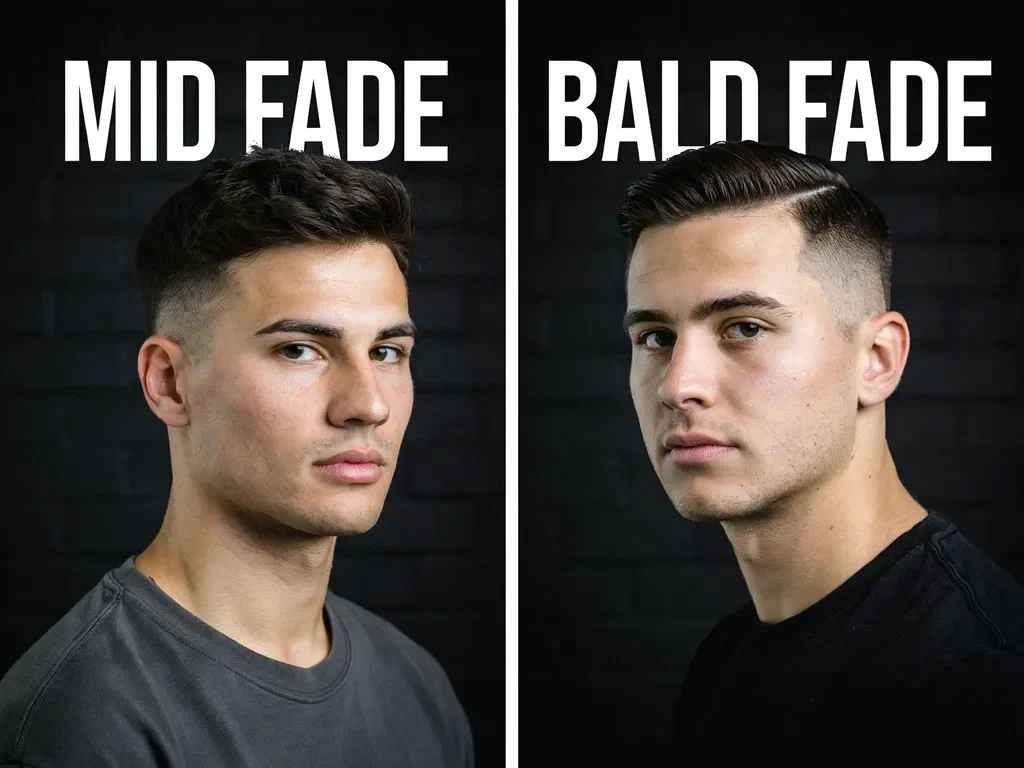
A mid fade is defined by one thing: where the fade begins on the side of your head. It starts at temple level — roughly 1 to 2 inches above the ears, in the middle of the side — and blends the hair progressively shorter down to the neckline, while the top keeps its length. It says nothing about how the top is styled. You can wear a mid fade with a crop, a comb over, a quiff, or almost anything else. For the full breakdown of the cut, see our complete Mid Fade Haircut guide.
In other words, "mid fade" is a description of the sides and back only.
What a blowout actually is
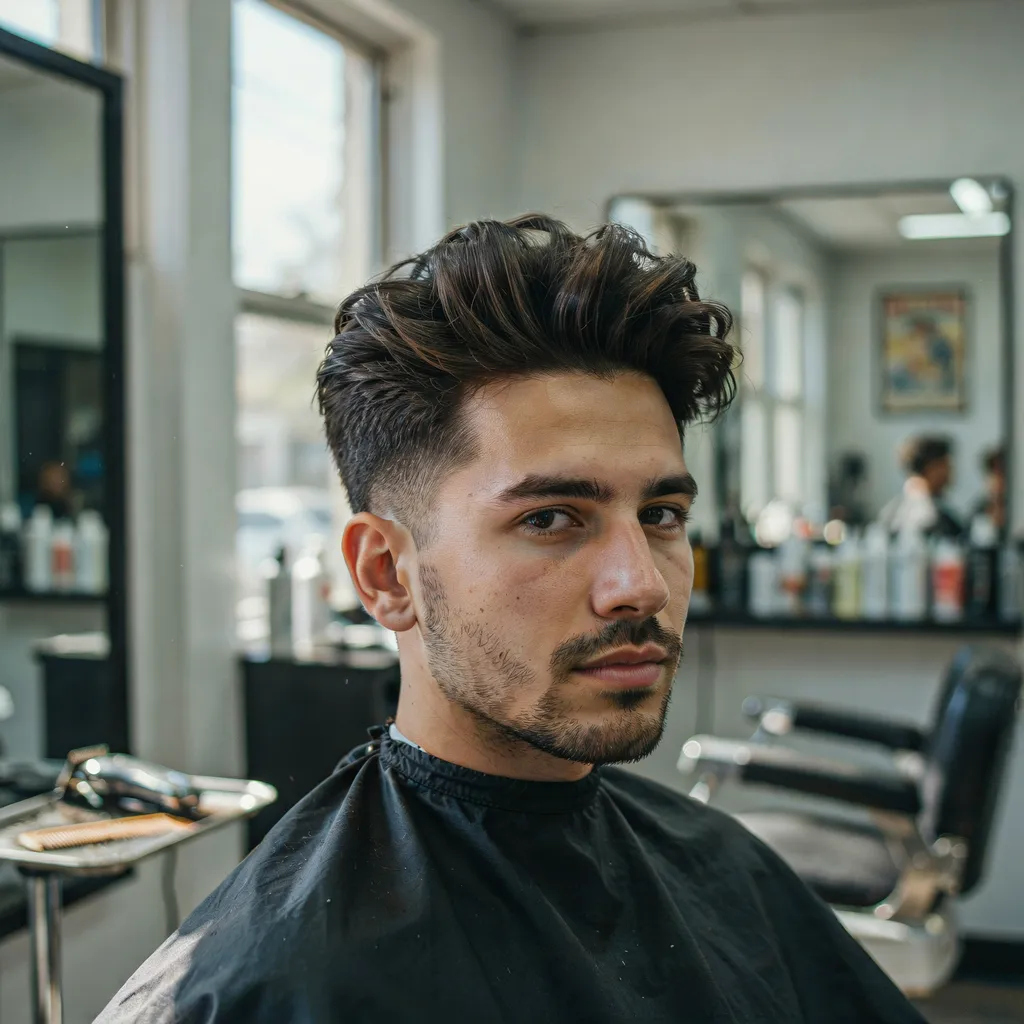
A blowout is a complete hairstyle, not a fade position. The signature of a blowout is the top: the hair is left longer and styled with volume — blown up and pushed forward or outward with a dryer and product, so it looks full, rounded, and lifted. The sides are cut short, usually with a burst fade or a taper around the ears, so all the attention goes to that voluminous top.
So while a mid fade is about the height of the fade, a blowout is about the shape and volume of the finished look. The two aren't competing — they describe different parts of the haircut.
Mid fade vs blowout at a glance
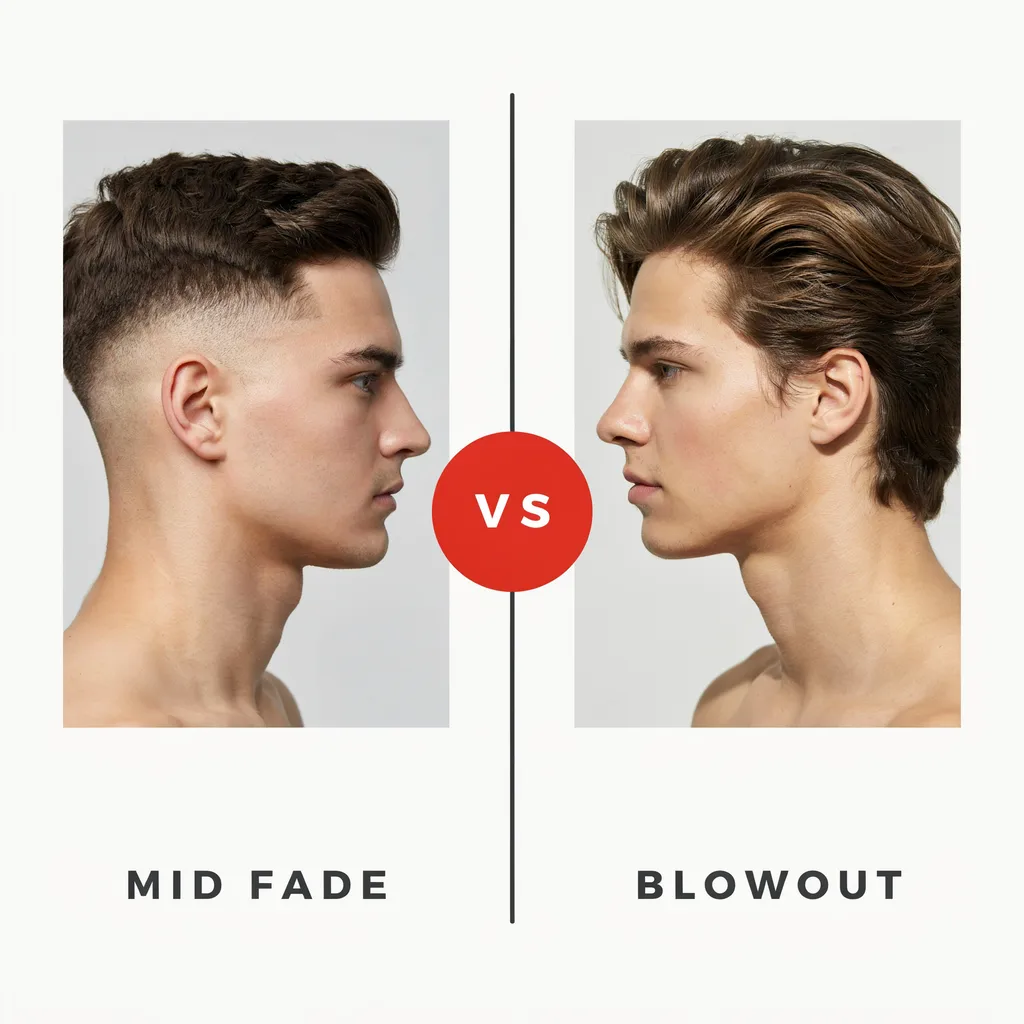
| Mid fade | Blowout | |
|---|---|---|
| What it describes | Fade placement on the sides | The whole styled look (mostly the top) |
| The sides | Faded from temple level down | Short, often a burst or taper fade |
| The top | Any length or style you choose | Long, voluminous, blown up and forward |
| Styling effort | Depends on the top you pick | Higher — needs a dryer and product |
| Vibe | Clean, balanced, versatile | Bold, full, statement volume |
Where they overlap: the mid fade blowout
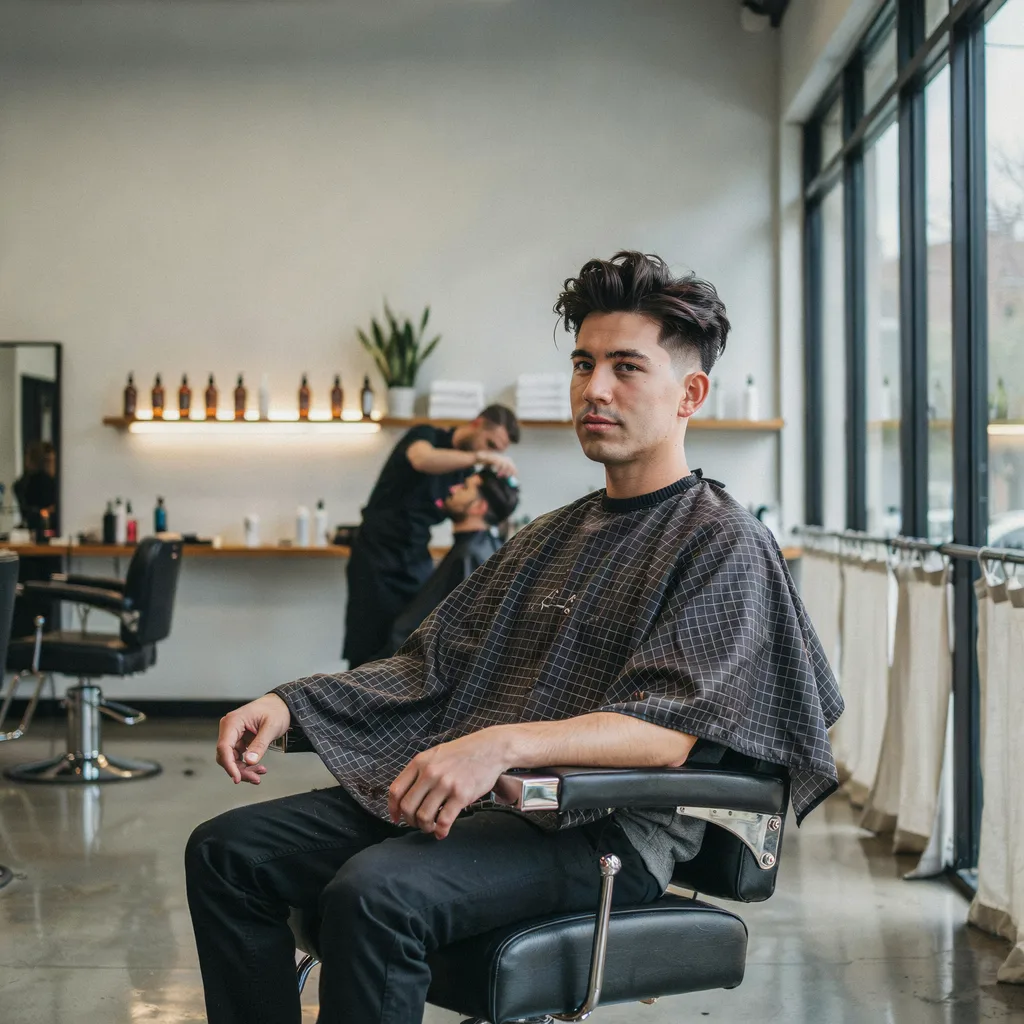
Here's the part that clears up the confusion — you can have both at once. A mid fade blowout keeps the fade at the mid (temple) position on the sides and pairs it with a blown-out, voluminous top. That said, most classic blowouts actually use a burst fade around the ear rather than a full mid fade, because the burst keeps a little more length at the back to support the shape. So a mid fade blowout is a slightly cleaner, more all-around-faded take on the look.
If you like the volume of a blowout but want the sides faded evenly all the way around, ask for a mid fade with a blowout top. If you want the more traditional, back-heavy blowout silhouette, a burst fade is the usual match — our burst fade guide covers that pairing.
Which one is right for you?

Because they're not true opposites, the choice comes down to how much volume and effort you want on top:
- Choose a plain mid fade (with a simple top like a crop or comb over) if you want a clean, low-effort, versatile cut that works everywhere from the office to the weekend.
- Choose a blowout if you want big, styled volume up top and you don't mind spending a few minutes with a dryer and product each morning.
- Choose a mid fade blowout if you want the best of both — balanced faded sides plus a full, lifted top.
Hair type matters too. Blowouts sit best on hair with natural body or a slight wave, which holds the lifted shape; very fine or very curly hair may need more product or a different top style to get the same effect.
How to ask your barber
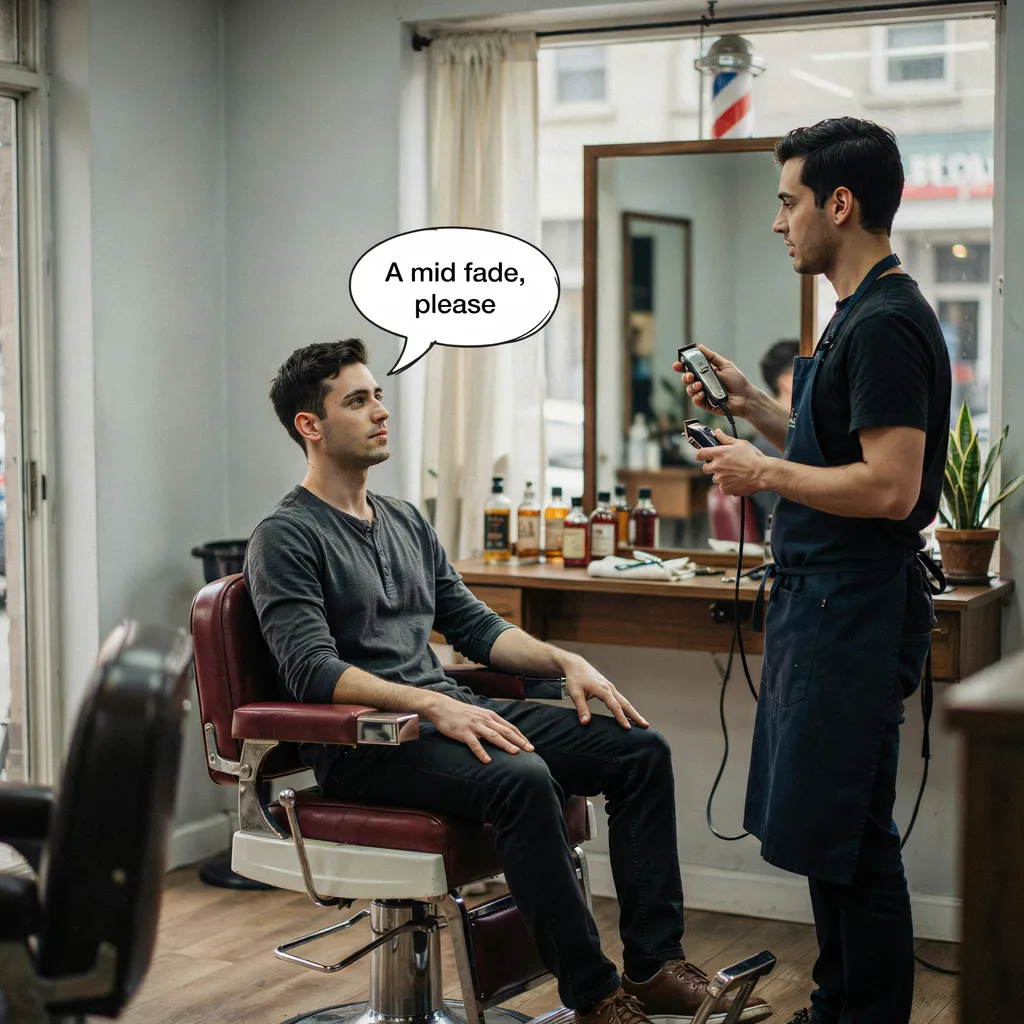
The key is to describe the sides and the top separately, because that's exactly how the barber thinks about it:
"I'd like a mid fade on the sides, starting around temple level — and leave the top long enough to blow out with volume."
Or, for the more traditional look: "Give me a blowout — a burst fade around the ears and plenty of length on top to style up and forward." Bring a reference photo either way, and mention how much time you're willing to spend styling, so your barber leaves the right amount of length.
The bottom line
A mid fade and a blowout aren't rivals — a mid fade is where the fade sits on the sides, and a blowout is a full, voluminous styled look on top. You can wear a mid fade with any top, or combine it into a mid fade blowout. Decide how much volume and styling effort you want up top, describe the sides and top separately, and you'll get exactly the look you're after.
Frequently asked questions
Is a mid fade the same as a blowout? No. A mid fade describes where the fade sits on the sides (at temple level), while a blowout describes the whole hairstyle — short sides with a voluminous, blown-up top. They can be combined into a mid fade blowout.
Can you get a mid fade with a blowout? Yes. A mid fade blowout pairs a temple-level fade on the sides with a long, blown-out top. Note that many traditional blowouts use a burst fade instead, which keeps a little more length at the back.
What fade goes best with a blowout? A burst fade is the classic match because it keeps some length at the back to support the volume, but a mid fade also works if you want the sides faded more evenly all around.
Is a blowout high maintenance? More than a plain mid fade, yes. The voluminous top needs a blow dryer and product to style each day, and the fade still needs a refresh every 2 to 3 weeks.
Which suits fine or curly hair better, a mid fade or a blowout? A plain mid fade is more forgiving on any hair type. A blowout looks best on hair with natural body or a slight wave; very fine or very curly hair may need extra product or a different top to hold the lifted shape.
About the Author
Daniel Reyes got his first mid fade almost by accident. He asked his barber for “just a fade” and got one that started right at temple level. It became the cut he kept going back to, so he built mid-fade.com to cover it properly instead of burying it in generic fade lists.