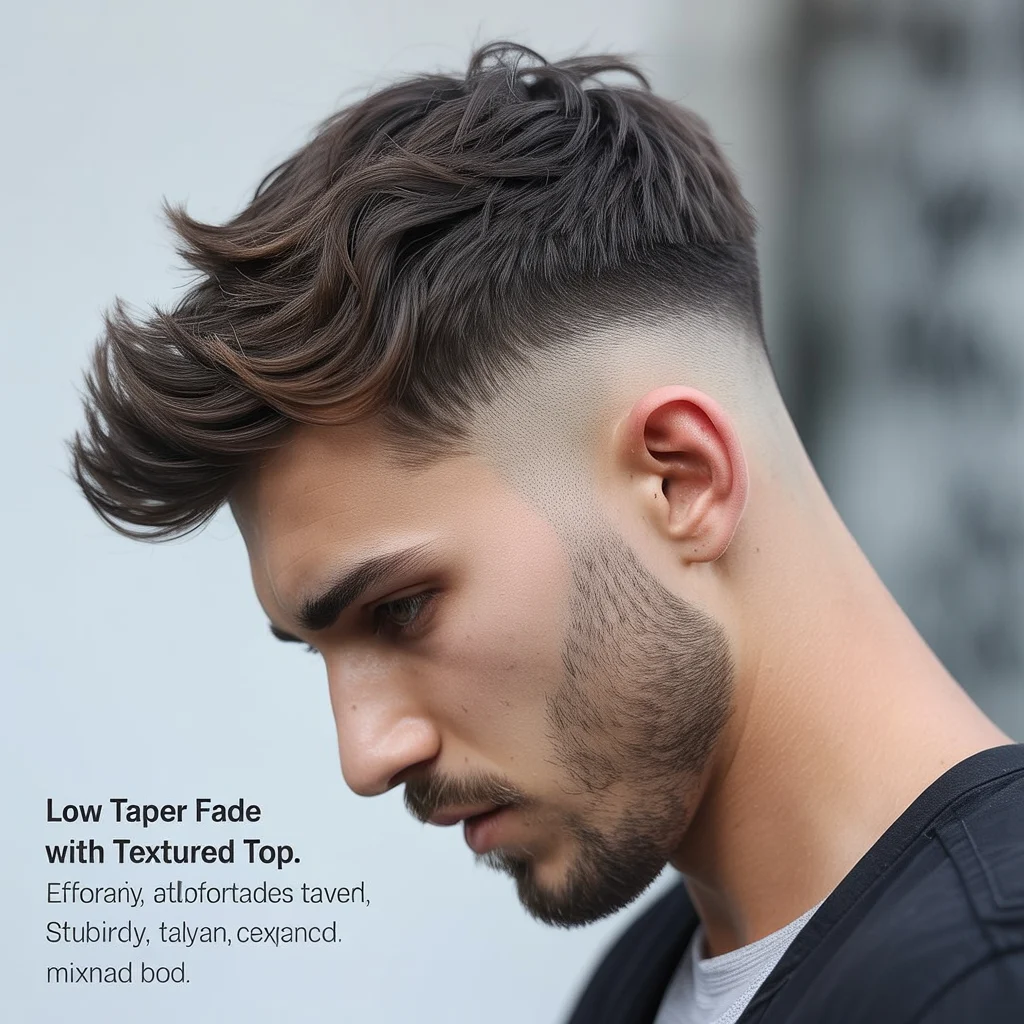
Mid Fade for Thin or Fine Hair: How to Add the Illusion of Density


Quick answer: Thin or fine hair actually pairs particularly well with a mid fade, since the tight, dense sides create visual contrast that makes the top look fuller by comparison. Keep the top at a moderate, manageable length rather than very long (which can make fine hair look flat and stringy), use a lightweight product rather than a heavy one, and consider a slightly textured cut to add the appearance of more volume.
Thin hair, meaning lower density, fewer strands per square inch, has different styling needs than thick hair, but a mid fade is genuinely one of the more flattering haircut categories for this hair type, for reasons that aren’t always obvious.
Why a mid fade specifically flatters thin hair
Fine, thin hair can sometimes look sparse on a longer, all-one-length haircut, since there’s less hair overall to create visual fullness. A mid fade changes this dynamic by creating a strong contrast: extremely dense-looking, tight hair at the sides against a top section that, while still thin in absolute terms, reads as comparatively fuller because of that contrast. This optical effect is one of the most practical reasons thin-haired men are often steered toward fades in general.
Length matters more for thin hair than most other types
Very long hair on a thin-haired head tends to lose whatever volume it has, since the hair’s own weight pulls it flatter the longer it gets. A moderate length, generally not more than a couple of inches on top, tends to hold more visible volume and texture than something significantly longer. This is somewhat counter to instinct, since longer hair is sometimes assumed to hide thinness, but in practice shorter-to-moderate lengths usually look fuller on fine hair, not less full.
Cutting technique that helps

Point cutting, where the ends of the hair are cut at an angle rather than bluntly straight across, creates the appearance of more texture and volume than a blunt cut does, since it avoids a heavy, flat-looking edge. This is a useful technique to specifically request if your hair is on the finer side.
Avoiding over-thinning. Unlike thick hair, which often benefits from thinning shears to remove bulk, thin hair generally should not be thinned further, there’s already limited density, and removing more can make the hair look sparser rather than better. If your barber reaches for texturizing shears on already-thin hair, it’s worth asking whether that’s actually the right call for your specific hair type.
Product choices for thin hair

A lightweight product is essential here, heavy pomades or thick clays can weigh fine hair down completely, flattening whatever natural volume it has and making the thinness more obvious rather than less. Products specifically marketed for fine or thinning hair, often lighter mousses or volumizing sprays, tend to work better than standard clay or pomade formulated with denser hair in mind.
Volumizing or texturizing sprays, applied to the roots specifically, can add lift that a standard styling product doesn’t provide, since they’re formulated to add body rather than just hold.
Blow-drying technique matters
For thin hair specifically, blow-drying with the head tilted forward or using a round brush to lift the roots while drying can add real, lasting volume that’s difficult to achieve with product alone. This takes a couple of extra minutes compared to air-drying but makes a meaningful difference for fine hair types looking to maximize apparent density.
Should thin hair go for a bald or non-bald fade?

Either works, but a slightly deeper fade, closer to skin, can actually enhance the contrast effect that makes thin hair look fuller by comparison, since the greater the contrast between the sides and top, the more pronounced the illusion of top volume. This is one hair type where going a bit more dramatic with the fade depth genuinely serves a styling purpose beyond aesthetics alone.
The bottom line
Thin or fine hair pairs well with a mid fade specifically because the contrast between tight sides and a top section creates the appearance of more volume than the hair actually has. Keep the top at a moderate length rather than very long, avoid over-thinning an already-thin head of hair, use lightweight volumizing products rather than heavy ones, and consider blow-drying technique to add lift. A deeper fade can even work in your favor here by maximizing the volume-enhancing contrast effect.
Frequently asked questions
Does a mid fade make thin hair look fuller? Yes, generally. The contrast between the dense-looking, tightly faded sides and the top creates an optical effect that makes the top read as fuller than it would on a haircut without that contrast.
Should thin hair be kept long or short with a mid fade? Moderate length, generally not more than a couple of inches, tends to hold more visible volume than very long hair, which can pull flatter under its own weight.
Should thin hair be thinned with texturizing shears? Usually not. Unlike thick hair, thin hair typically doesn’t benefit from further thinning, since there’s already limited density and removing more can make it look sparser.
What product works best for thin or fine hair? Lightweight volumizing products, such as light mousses or root-lifting sprays, work better than heavy clay or pomade, which can weigh fine hair down and flatten its natural volume.
Should thin hair go for a deeper fade? It can help. A deeper, closer-to-skin fade increases the contrast between the sides and top, which enhances the illusion of fuller-looking hair on top.
About the Author
Daniel Reyes got his first mid fade almost by accident. He asked his barber for “just a fade” and got one that started right at temple level. It became the cut he kept going back to, so he built mid-fade.com to cover it properly instead of burying it in generic fade lists.