Mid Fade for Afro Hair: Cutting and Styling Tips

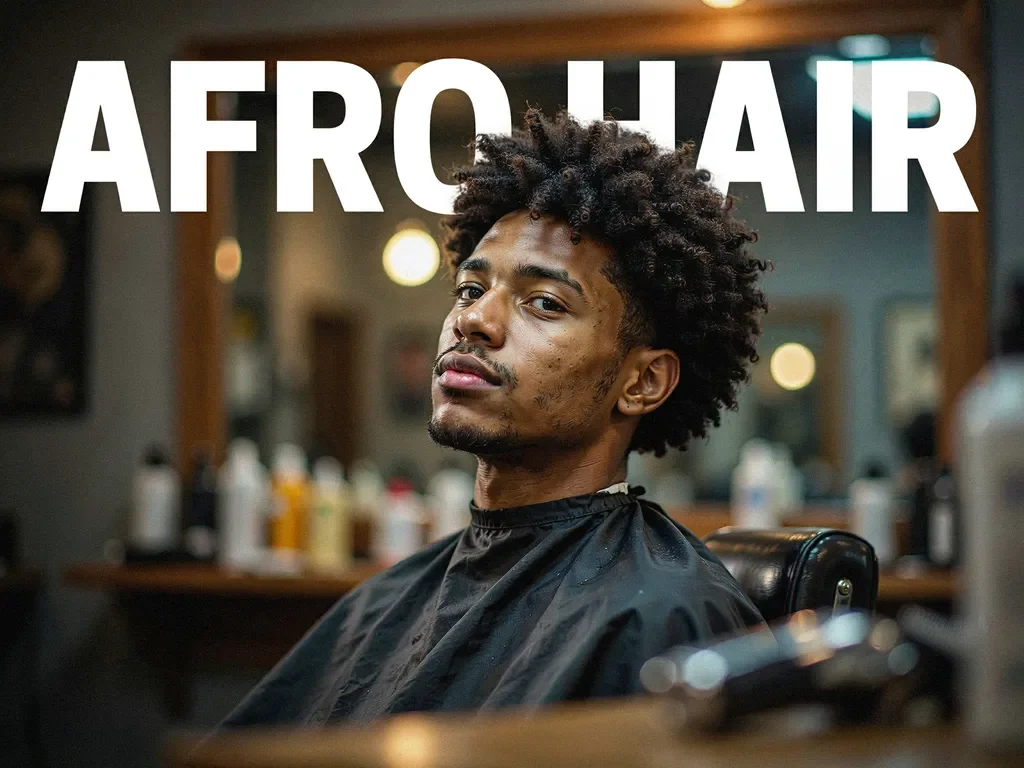
Quick answer: A mid fade works very well with afro-textured hair, and it’s one of the more commonly requested combinations at barbershops that specialize in textured hair. The main technical considerations are cutting the top dry (afro hair shrinks substantially once dry, similar to curly hair) and choosing a barber genuinely experienced with coarse, tightly coiled textures, since the clipper technique for tight fades differs somewhat from what’s used on straighter hair.
Afro-textured hair, tightly coiled, naturally voluminous hair, pairs distinctively well with a mid fade, since the contrast between the tightly faded sides and a full, natural top creates one of the more striking silhouettes available with this haircut.
Why cutting dry matters even more here
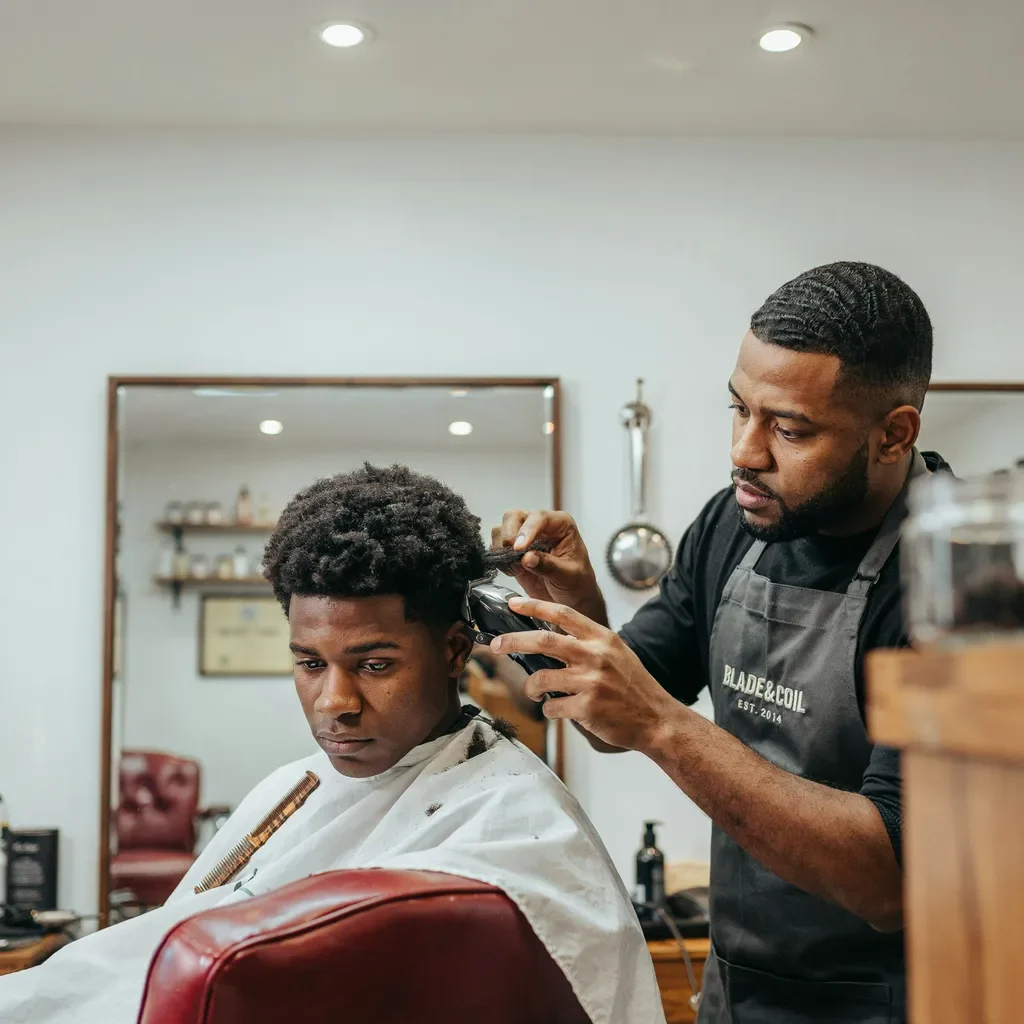
Afro hair typically has the most dramatic shrinkage of any texture type, often 50% or more from its stretched length to its resting, dry state. A barber cutting afro hair wet, using wet-hair length as the reference, can end up leaving the top significantly shorter than intended once it dries and springs back to its natural coil pattern. This makes a dry cut, or at minimum checking length on dry or product-styled hair before finishing, particularly important for this hair type.
Finding the right barber
Not every barber has equal experience with very tightly coiled hair, the clipper angles, blade tension, and blending technique needed for a clean fade on afro-textured hair differ somewhat from techniques developed primarily for straighter hair types. If you’re new to a barbershop, it’s reasonable to ask directly whether they have experience specifically with textured or afro hair, since this is one hair type where technique mismatch is more likely to produce an uneven result.
Top styles that work well
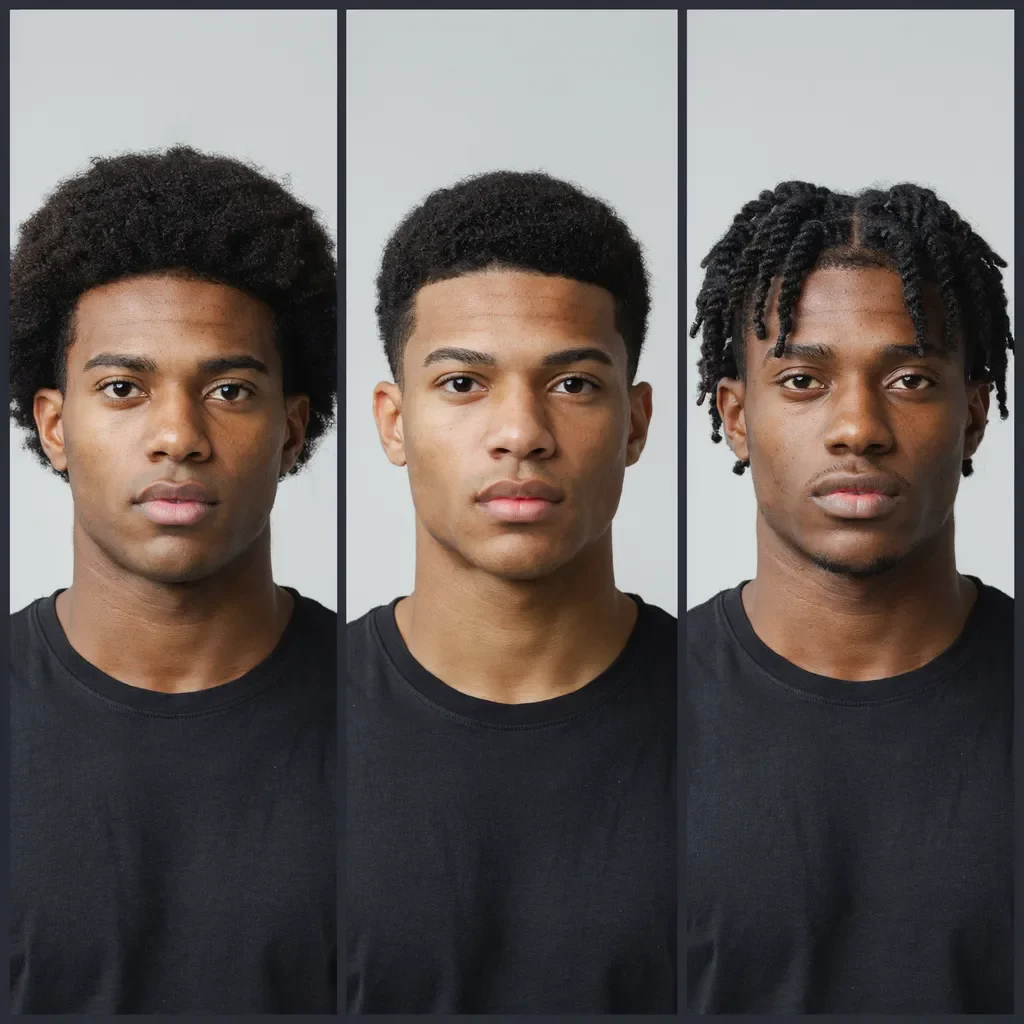
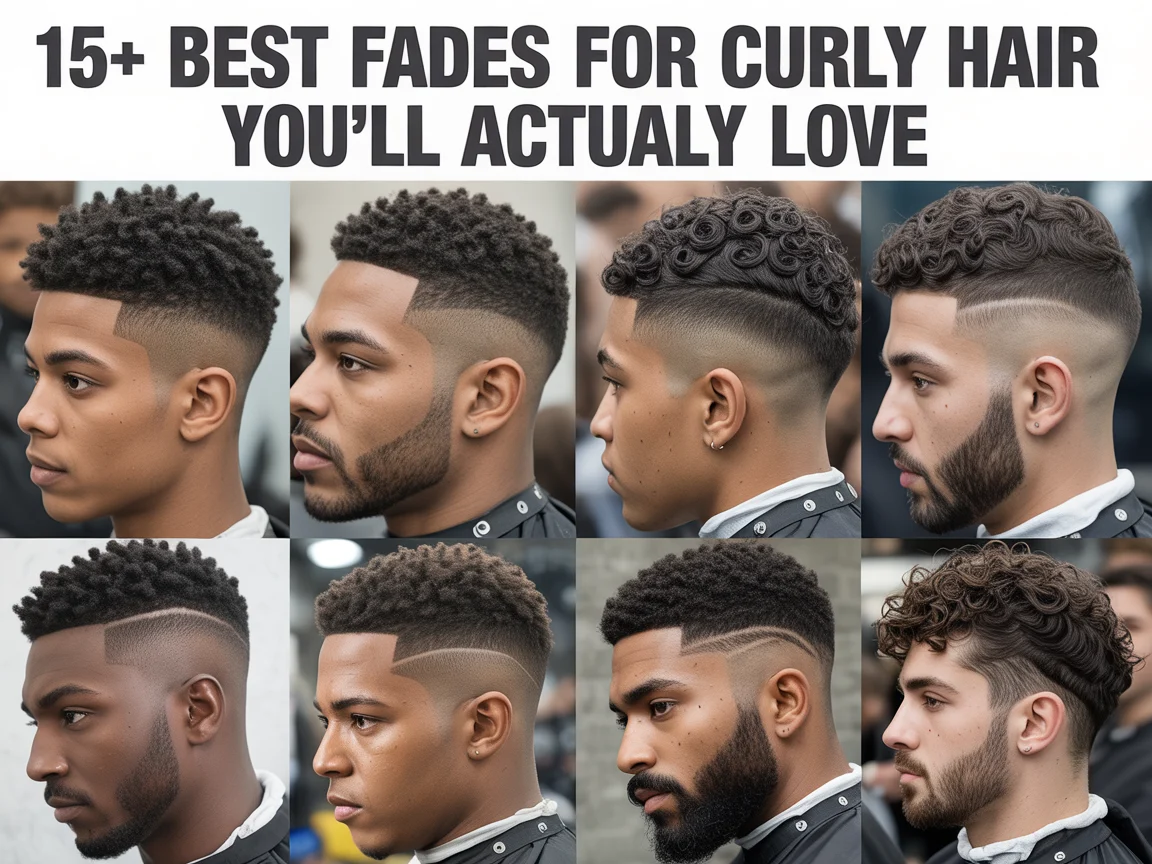
A natural afro top, simply cut to an even, rounded shape and left in its natural state, is a classic and consistently popular pairing with a mid fade, the volume of the afro contrasts dramatically and cleanly against the tight sides.
A tapered afro, where the top gradually decreases in length toward the fade rather than staying uniformly full, creates a slightly more structured, rounded silhouette that some men prefer over a completely uniform afro shape.
Twists or coils styled on top, rather than a loose afro, offer a more defined, structured look while still showing natural texture, and pair well with a mid fade’s clean sides.
A shape-up or edge-up at the front hairline, common with afro-textured styles, adds a crisp, defined line at the forehead that complements the sharpness of the fade at the sides.
Product considerations for afro hair
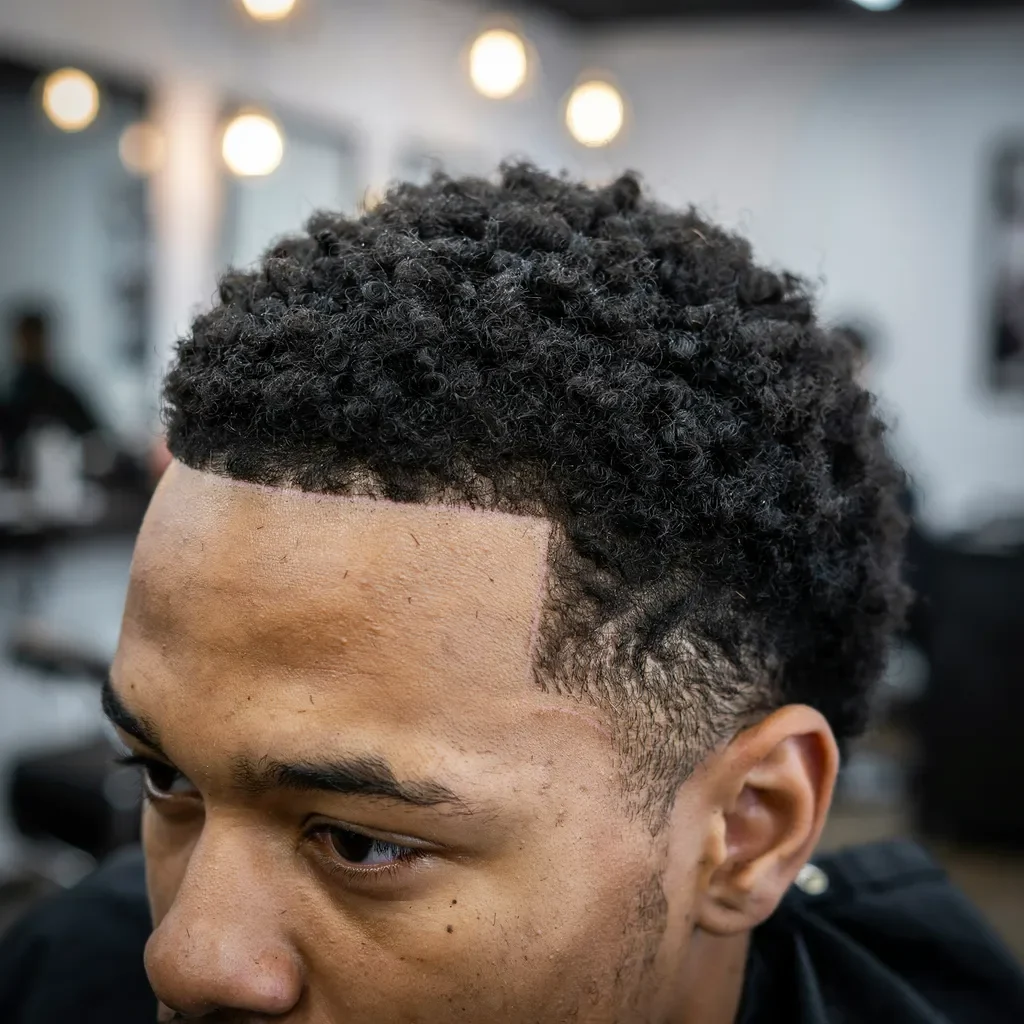
Afro hair tends to be naturally dry, since the tight coil pattern makes it harder for scalp oils to travel down each strand compared to straighter hair. Moisturizing creams, curl butters, and leave-in conditioners formulated specifically for coily or afro-textured hair are generally more important here than for other hair types, this isn’t just a styling preference but a genuine hair health consideration, since afro hair is more prone to dryness and breakage without adequate moisture.
A lightweight oil or moisturizing cream, applied after washing, helps maintain the hair’s natural shine and health while still allowing the coil pattern to hold its shape.
How often does afro hair need cutting with a mid fade?
The fade portion follows a similar schedule to other hair types, roughly every 2 to 4 weeks. The top, if worn as a natural afro, often needs less frequent shaping than styled straight or wavy hair, since the goal is usually maintaining an even overall shape rather than a precise style that shows growth quickly, occasional trims to keep the shape even are usually sufficient between full fade refreshes.
Common concerns
“Will a tight fade look good with a full afro on top?” Yes, this is one of the most visually striking and popular combinations specifically because of the contrast, full, voluminous top against extremely tight, clean sides.
“Does my hair need to be relaxed or straightened for a clean fade?” No. The fade itself is cut very short regardless of texture, so natural, unaltered afro hair works perfectly well without any chemical treatment.
“Will the fade damage my curl pattern?” No, the fade is simply short hair, cut with clippers, and doesn’t chemically or structurally affect the hair’s natural coil pattern in the sections left longer on top.
The bottom line
Afro-textured hair pairs distinctively well with a mid fade, offering some of the most visually striking contrast of any hair type when a full, natural top meets tightly faded sides. Cutting dry (or checking length on dry hair) is important given significant shrinkage, finding a barber genuinely experienced with textured hair matters more here than for straighter types, and moisturizing products deserve real attention given afro hair’s natural tendency toward dryness.
Frequently asked questions
Should afro hair be cut wet or dry for a mid fade? Dry cutting, or at least checking the final length on dry hair, is important, since afro hair shrinks substantially, often 50% or more, once it dries and returns to its natural coil pattern.
Does afro hair need a specialist barber for a mid fade? It’s worth seeking out or confirming experience with textured hair specifically, since the clipper technique for a clean fade on tightly coiled hair differs somewhat from techniques used primarily on straighter hair.
What products does afro hair need with a mid fade? Moisturizing creams, curl butters, and lightweight oils are important, since afro hair is naturally prone to dryness and benefits from more deliberate moisture than straighter hair types typically need.
Does the fade damage natural curl pattern? No. The fade is simply short hair cut with clippers and has no chemical or structural effect on the natural coil pattern of the longer hair left on top.
How often does a natural afro top need trimming? Less frequently than more precisely styled tops in many cases, since the goal is usually maintaining an even overall shape rather than a specific style that shows growth quickly. Occasional trims between fade refreshes are generally sufficient.
About the Author
Daniel Reyes got his first mid fade almost by accident. He asked his barber for “just a fade” and got one that started right at temple level. It became the cut he kept going back to, so he built mid-fade.com to cover it properly instead of burying it in generic fade lists.