Mid Fade With Spiky Hair: Getting Definition That Actually Holds

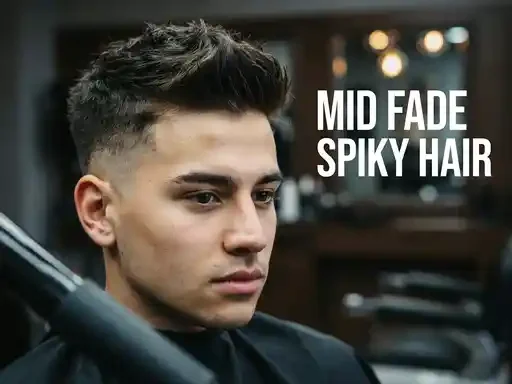
Quick answer: A spiky top pairs individually defined, upward-pointing sections of hair with a mid fade’s clean sides, for a look with more energy and edge than a softly textured or brushed-back style. It needs a strong-hold, matte product (gel or firm clay), moderate length of around one and a half to two and a half inches, and a specific application technique working in small sections rather than styling the whole top as one mass.
Spiky styles have cycled in and out of mainstream popularity over the years, but the underlying technique for achieving genuinely defined, long-lasting spikes rather than a vaguely upward mess of hair remains fairly consistent.
What separates good spikes from a bad attempt
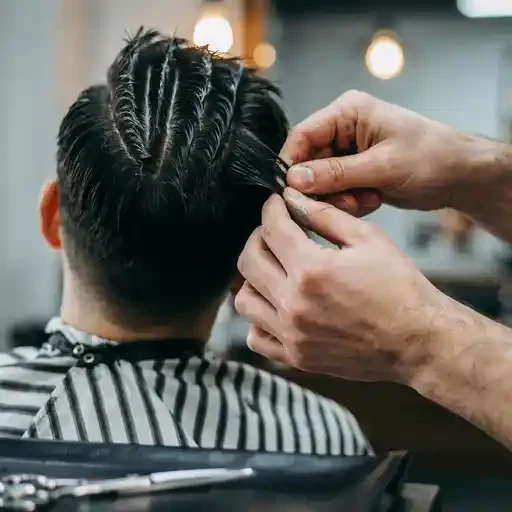
The most common mistake is applying product to the whole top and rubbing hands through it in one general motion, which tends to produce a somewhat undefined, clumpy result rather than distinct, clean spikes. Real definition comes from working in smaller, deliberate sections, pinching and shaping each one individually rather than styling the top as a single mass.
Length needed
Roughly one and a half to two and a half inches is the general sweet spot — long enough to have something to grip and shape into distinct points, short enough that gravity and the hair’s own weight don’t immediately pull the spikes back down. Much longer hair can still be spiked, but it typically needs considerably more product and effort to hold, since there’s more weight working against the upward shape.
Styling technique
- Start with hair that’s damp, not dripping — towel-dried to mostly dry with just a bit of moisture left.
- Apply a strong-hold, matte product — a firm gel or matte clay both work well, though gel typically gives the crispest, most defined edges.
- Work in small sections, roughly finger-width, rather than the whole top at once.
- Pinch each section between your fingers and pull upward, holding briefly to help the shape set before moving to the next section.
- Once the whole top is sectioned and shaped, a very light second pass with your fingertips can adjust any spikes that ended up uneven in height or direction.
- Allow the style to air dry fully, or use a blow dryer on cool or low heat, without disturbing the shape, to help it set more firmly.
Gel versus clay for spikes

Gel tends to give the sharpest, most defined, glossier spikes with strong hold, though it can look slightly wet or shiny rather than matte.
Matte clay or a strong-hold matte product gives a softer-edged, more textured spike with no shine, which some men prefer for a slightly more casual, less overtly styled look.
Neither is objectively better — it comes down to whether you want a crisper, shinier definition or a more textured, matte finish.
Which hair types achieve spikes most easily
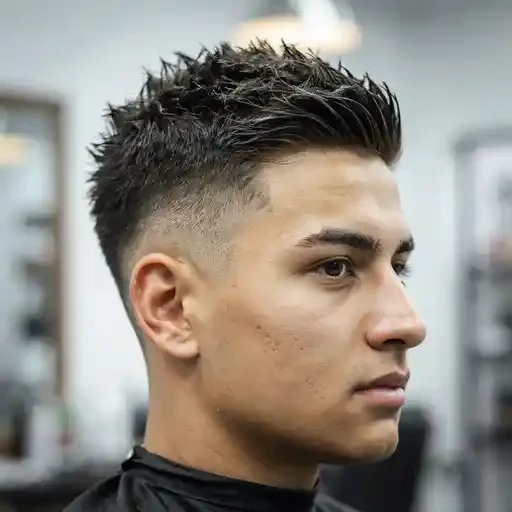
Straight, medium-to-coarse hair generally holds spikes most predictably with standard technique, since it has enough natural grip to hold a shape without being so smooth it slides back down (an issue silky hair sometimes has) or so voluminous it resists precise, individual spike shaping (which can be a challenge with very curly or coily hair, though it’s not impossible with the right product).
Maintenance
The fade needs the usual regular attention, every 2 to 4 weeks. The top, kept at a fairly specific moderate length for the style to work well, often needs trims on a similar schedule, since too much added length starts to work against the sectioned, upward styling technique spikes rely on.
The bottom line
A mid fade with spiky styling delivers a bolder, more energetic look than softer top styles, but genuinely good spikes require working in small sections with the right strong-hold, matte product rather than a single, general application across the whole top. Moderate length — around one and a half to two and a half inches — gives the best balance of enough hair to grip and shape without excess weight working against the upward hold.
Frequently asked questions
What’s the biggest mistake people make styling spiky hair?
Applying product and working through the whole top as one mass rather than in small, individual sections, which tends to produce undefined, clumpy results instead of distinct, clean spikes.
How much hair length do you need for spikes?
Roughly one and a half to two and a half inches is generally ideal, long enough to grip and shape while short enough that the hair’s own weight does not quickly pull the spikes down.
Should you use gel or clay for spiky hair?
Either works, depending on preference. Gel gives sharper, glossier definition, while matte clay gives a softer-edged, textured finish without shine.
Does hair type affect how well spikes hold?
Yes. Medium-to-coarse straight hair generally holds spikes most predictably, while very silky hair can slide back down and very curly or coily hair can be harder to shape into precise individual spikes, though not impossible.
How often does a spiky mid fade top need cutting?
The fade needs attention every 2 to 4 weeks, and the top is often kept on a similar schedule, since too much added length works against the specific, moderate length spiky styling depends on.
About the Author
Daniel Reyes got his first mid fade almost by accident. He asked his barber for “just a fade” and got one that started right at temple level. It became the cut he kept going back to, so he built mid-fade.com to cover it properly instead of burying it in generic fade lists.