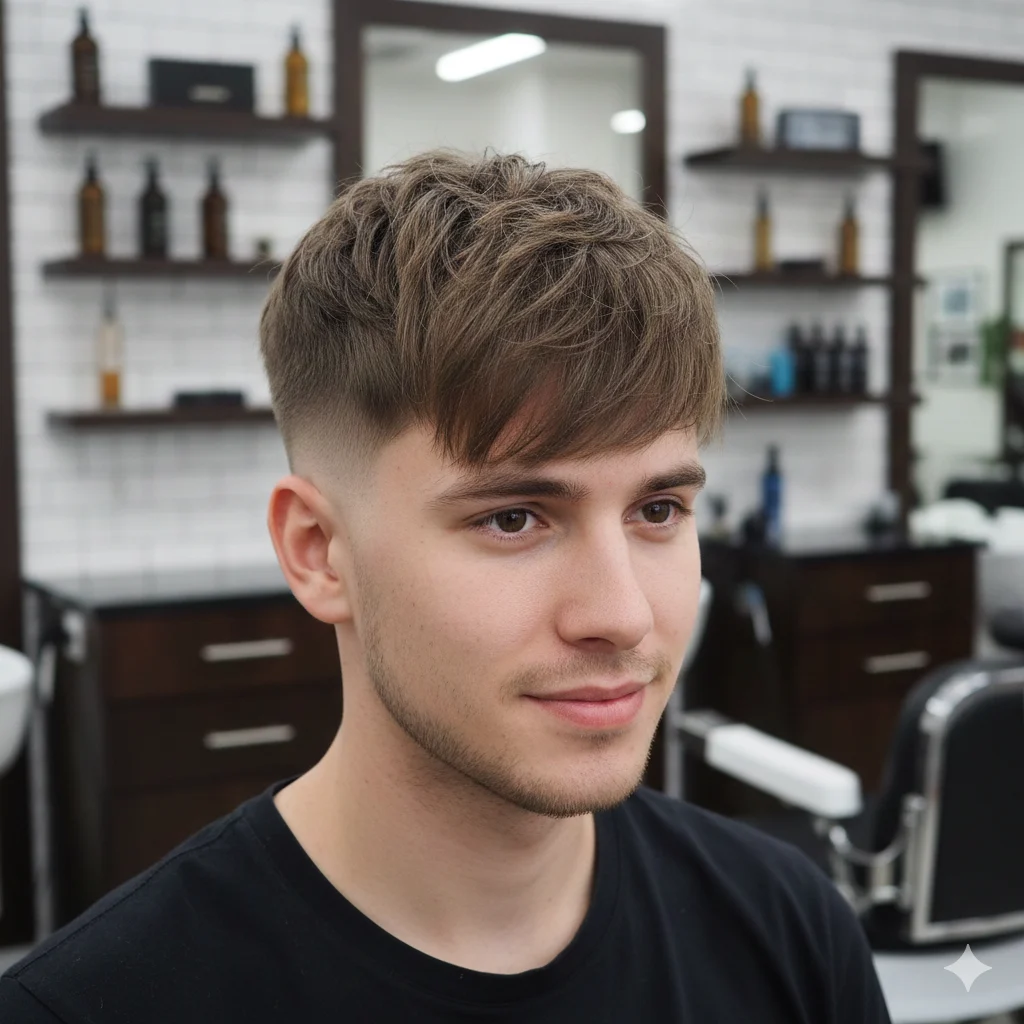
Mid Fade With Dreads or Locs: What to Know Before Cutting


Quick answer: A mid fade pairs well with dreadlocks or locs, creating a striking contrast between the textured, roped strands on top and the clean, tight sides. The main consideration is finding a barber or loctician genuinely experienced working with locs specifically, since fading around established locs requires different handling than a standard haircut, and any locs caught in the fade area need to be carefully managed or removed before cutting.
Locs (also called dreadlocks) require a specific formation and maintenance process distinct from any other hair type in this guide, which means combining them with a fade has some particular logistics worth understanding beforehand.
Working with existing locs versus starting new ones
If you already have established locs, a mid fade is a matter of fading the sides while carefully working around and separating out any locs that extend down into the fade area, since those need to be either trimmed back or incorporated into the top section rather than caught in the fade transition. If you’re starting locs for the first time alongside a new fade, the sides can simply be faded in the normal way while the top hair begins its loc formation process separately.
Finding the right person for the job

This is genuinely one of the more important considerations for this specific combination. A standard barber, even a skilled one, may not have specific experience working around established locs during a fade — the technique for navigating clippers around roped, textured strands differs from working with loose, unlocked hair. Seeking out a barber or loctician who specifically advertises experience with locs, or asking directly about their experience with this exact combination before booking, helps avoid a result where locs are unevenly caught or damaged during the fade process.
How the fade height interacts with loc placement
Because locs at the very bottom of the top section (nearest the fade line) need to be clearly separated from the fade area, some men with established locs find a mid fade placement particularly practical compared to a lower fade, since the temple-level starting point gives a bit more room to work with fewer locs needing careful management right at the transition zone, compared to a lower fade that starts closer to where more locs might naturally hang.
Styling options with locs and a mid fade
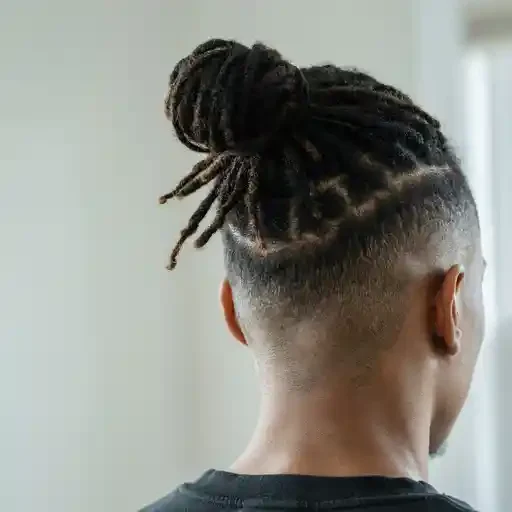
- Locs left loose and hanging creates a relaxed, natural silhouette against the clean fade.
- Locs gathered and styled up — into a bun, ponytail, or half-up style — shows off the fade more prominently while keeping the locs controlled and out of the way, useful for both aesthetic preference and practicality.
- Retwisted, freshly maintained locs paired with a freshly cut fade gives the sharpest, most put-together version of this combination, since both elements look their best right after their respective maintenance.
Maintenance considerations
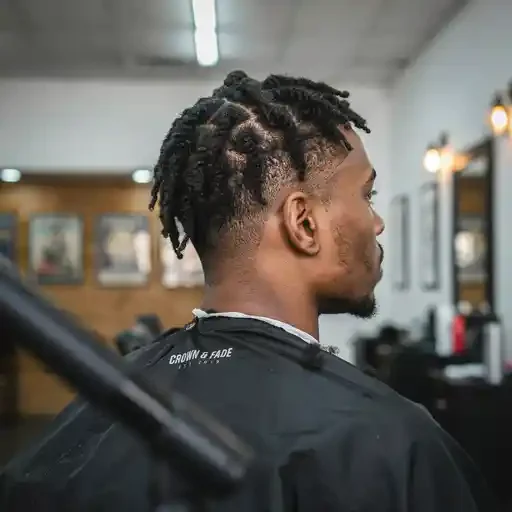
The fade needs its usual regular attention, every 2 to 4 weeks, though scheduling this around your loc maintenance routine (retwisting, typically done every 4 to 8 weeks depending on loc maturity and personal routine) is worth coordinating, since visiting for both around the same time keeps the whole look consistently fresh rather than having one element look fresh while the other looks overdue.
Does loc maturity affect the fade process?
Yes, somewhat. Newer, still-forming locs (sometimes called “starter locs”) are generally more manageable to work around during a fade, since they’re typically less bulky at the roots. More mature, fully locked hair can be thicker and heavier at the base, which some barbers find requires more careful, deliberate technique to fade around cleanly without disrupting the locs themselves.
The bottom line
A mid fade paired with dreadlocks or locs creates a distinctive, high-contrast look, but the combination has real logistical considerations that don’t apply to other hair types in this guide — most importantly, finding someone genuinely experienced working with locs specifically, since the fading technique around established locs differs from standard haircutting. Coordinating your fade schedule with your loc maintenance routine keeps the whole look consistently sharp.
Frequently asked questions
Can any barber fade hair around established locs?
Not necessarily. Working around established locs during a fade requires specific experience, since the technique differs from fading loose, unlocked hair. It is worth seeking out or confirming a barber’s experience with locs specifically.
Does starting new locs work differently with a mid fade than established locs?
Yes. New locs can be started on top while the sides are faded normally, whereas established locs need to be carefully separated from the fade area during cutting to avoid catching or damaging them.
Why might a mid fade placement work well with locs?
The temple-level starting point can give more room to work with, since fewer locs typically hang down into that area compared to a lower fade placement.
How often should you get a fade if you have locs?
The fade needs attention every 2 to 4 weeks, similar to any mid fade. It is worth coordinating this schedule with your loc retwisting routine, typically every 4 to 8 weeks, to keep both elements looking fresh together.
Does loc maturity affect how easily a barber can fade around them?
Yes, somewhat. Newer, still-forming locs are generally more manageable to work around, while more mature, fully locked hair can be thicker at the base and require more careful technique.
About the Author
Daniel Reyes got his first mid fade almost by accident. He asked his barber for “just a fade” and got one that started right at temple level. It became the cut he kept going back to, so he built mid-fade.com to cover it properly instead of burying it in generic fade lists.