Mid Fade With a Hard Part: How to Get a Crisp, Clean Line

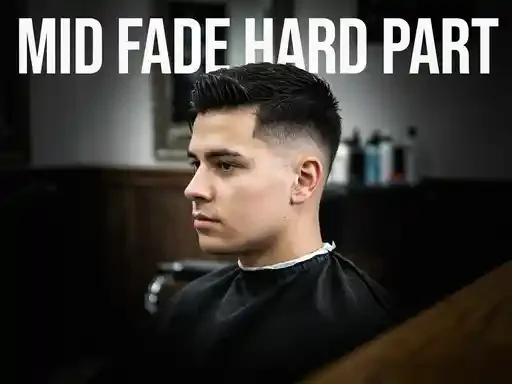
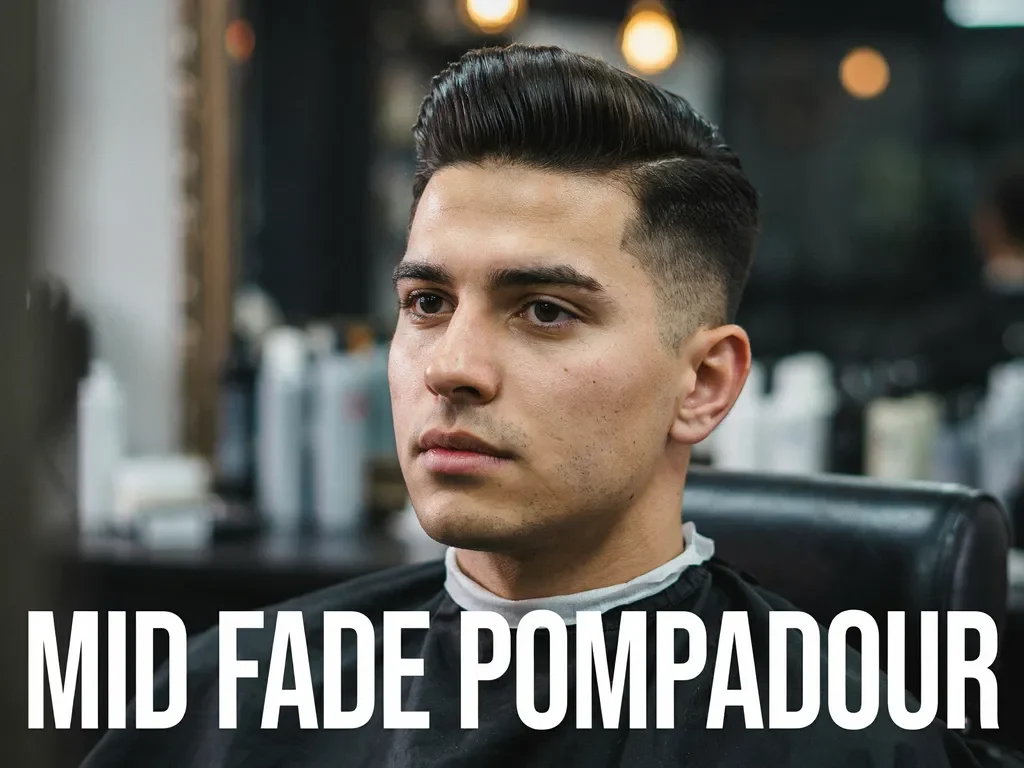
Quick answer: A hard part is a thin line shaved directly into the hair, usually running from the hairline back a few inches, marking where a side part divides the hair. Paired with a mid fade, it adds an extra crisp, defined detail that reinforces the overall sharpness of the haircut — it’s a small addition with a noticeably bold visual effect, and it needs slightly more frequent touch-ups than the fade itself to stay looking clean.
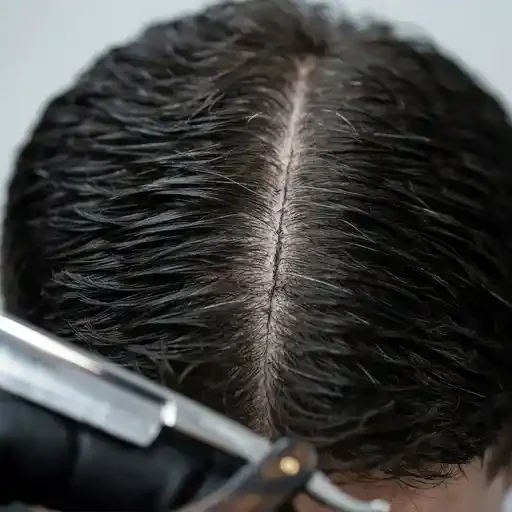
A hard part takes a standard side-parted style and adds a genuinely shaved line rather than relying only on how the hair is combed and styled to create the part’s visual separation.
How a hard part differs from a regular side part
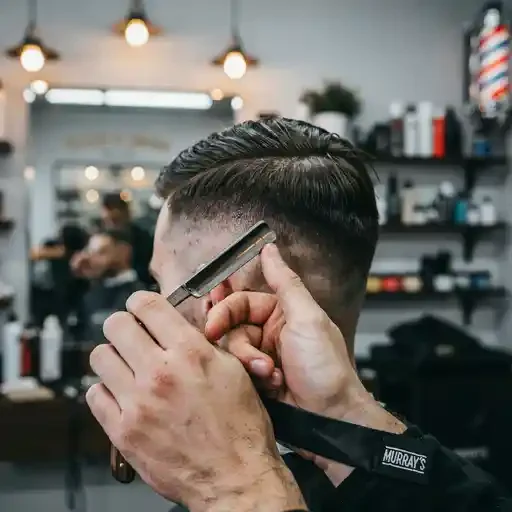
A regular side part is created purely through combing and styling — the hair is directed to fall on either side of a chosen line, but there’s no actual shaved gap. A hard part, by contrast, involves the barber using clippers or a straight razor to shave a thin, defined line directly into the scalp along the part, creating a permanent (until it grows out) visual division that holds regardless of how the hair is styled that day.
How it’s actually cut
A barber uses a fine trimmer or razor to create a thin line, typically running from somewhere near the front hairline back a few inches, following wherever your natural or preferred part falls. This is a precise, detail-oriented cut — a shaky or uneven hand produces an obviously imperfect line, so it’s worth having this done by someone experienced with the technique specifically, rather than assuming any barber can execute it cleanly on the fly.
Does a hard part work with any top style?
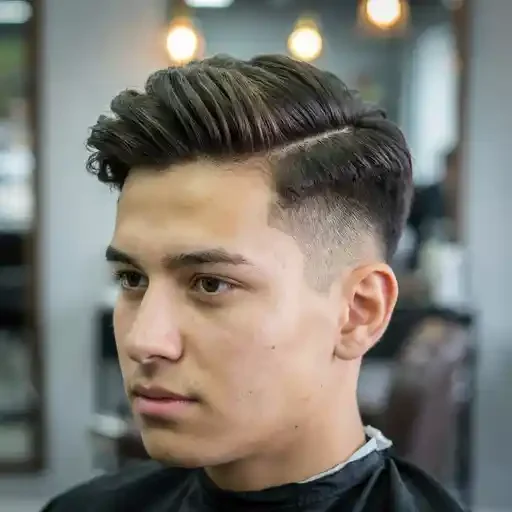
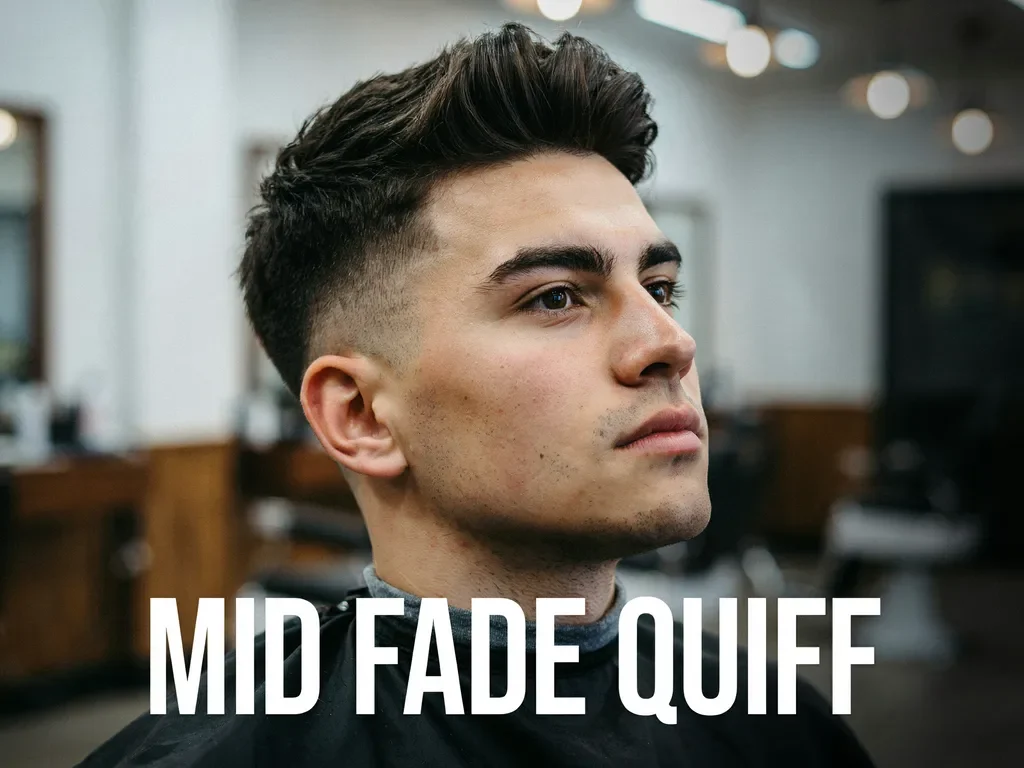
It’s most commonly paired with styles that already involve a side part — a brush back, a side-swept quiff, or a classic combed style — since the hard part reinforces and formalizes a division that’s already part of the look. It’s less commonly paired with styles that don’t naturally have a part, like a crew cut or a fully brushed-back style with no side division, though there’s no strict rule against combining it more creatively if you want a distinctive look.
Maintenance: the detail that needs the most attention
This is the main practical consideration with a hard part specifically — because it’s a very thin, precise line, it grows out and becomes visually blurred faster than the broader fade transition does. Many men find they need the hard part refreshed every 1 to 2 weeks, even if their full fade schedule is closer to every 3 to 4 weeks, simply because a slightly grown-in hard part looks noticeably less crisp than a fresh one, more so than most other details in a haircut.
Can you maintain a hard part yourself between barbershop visits?
This is genuinely one of the more difficult areas to safely self-maintain, given how thin and precise the line needs to be, and how visible any unevenness becomes. Unlike a neckline touch-up, which has some margin for minor imperfection, a hard part either looks clean or looks obviously off — there’s little middle ground. Most men either accept a slightly softer hard part between full appointments or specifically book more frequent, quick touch-up visits just for this detail if keeping it consistently sharp matters to them.
Who tends to like a hard part
Men who already gravitate toward sharper, more defined, deliberate-looking haircuts overall tend to appreciate what a hard part adds — it’s very much in line with the general philosophy of a crisp mid fade rather than a softer, more relaxed one. If your overall style leans more toward texture and casual movement, a hard part can look slightly at odds with that softer aesthetic, though this is entirely a matter of taste.
The bottom line
A hard part adds a small but visually significant detail to a mid fade — a precisely shaved line reinforcing a side part — that requires notably more frequent touch-ups than the rest of the haircut to stay looking sharp. It pairs most naturally with styles that already involve a defined side part, and it’s one of the harder details to safely maintain yourself at home, given how much a slightly uneven line stands out.
Frequently asked questions
What’s the difference between a hard part and a regular side part?
A regular side part is created through combing and styling alone, while a hard part involves an actual thin line shaved directly into the hair with clippers or a razor, creating a permanent visual division.
Does a hard part need more frequent maintenance than the rest of a mid fade?
Yes, generally. Because it is a thin, precise line, it grows out and blurs faster than the broader fade transition, often needing touch-ups every 1 to 2 weeks even on a longer overall haircut schedule.
Can you maintain a hard part yourself at home?
It is difficult to do safely, since the line needs to be very thin and precise, with little margin for unevenness before it looks obviously off. Most men leave this specific detail to a barber.
What top styles pair well with a hard part?
Styles that already involve a side part, such as a brush back or side-swept quiff, pair most naturally, since the hard part reinforces a division that is already part of the look.
Who should consider adding a hard part to their mid fade?
Men who prefer a sharper, more deliberate, defined overall style tend to appreciate what a hard part adds, since it aligns with that crisper aesthetic more than a softer, texture-focused look.
About the Author
Daniel Reyes got his first mid fade almost by accident. He asked his barber for “just a fade” and got one that started right at temple level. It became the cut he kept going back to, so he built mid-fade.com to cover it properly instead of burying it in generic fade lists.