Mid Fade With Finger Waves: How the Pattern Is Actually Created

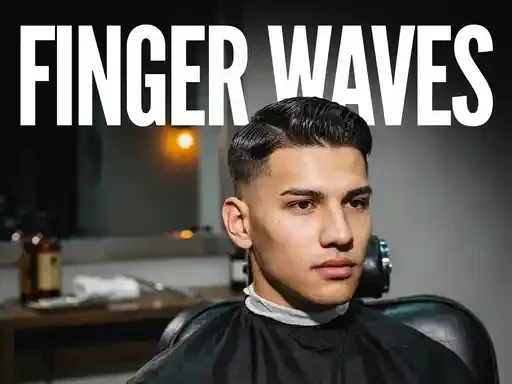
Quick answer: Finger waves, sometimes called S-curls or S-waves, are a styled ripple pattern created using a comb and styling gel, working the hair into defined S-shaped rows across the top of the head. Paired with a mid fade, they create a distinctive, structured look, but similar to 360 waves, this is primarily a styling technique applied to hair that has already been cut short, not something the haircut itself creates.
Finger waves have a specific technique and history distinct from 360 waves, and while they share some surface similarity (both involve a wave-like pattern on natural or coily hair), the process and finished look are meaningfully different.
What defines finger waves specifically
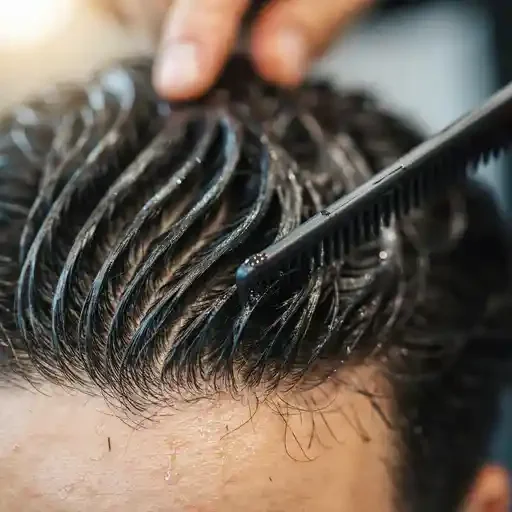
The pattern consists of deliberate, defined S-shaped rows combed into the hair while a strong-hold gel is still wet, then typically held in place (often with a wave cap or scarf) while the gel dries and sets the shape. Unlike 360 waves, which develop gradually through daily brushing over weeks, finger waves are set more immediately through this comb-and-gel technique, though the crispness of the pattern does depend on hair being at the right length and having the styling done skillfully.
Length needed
Hair generally needs to be at least half an inch to an inch long, similar to 360 waves, for there to be enough length for the comb to create visible, defined rows. Much shorter hair does not hold the pattern well; much longer hair can work but requires more gel and more careful technique to set properly.
The basic process
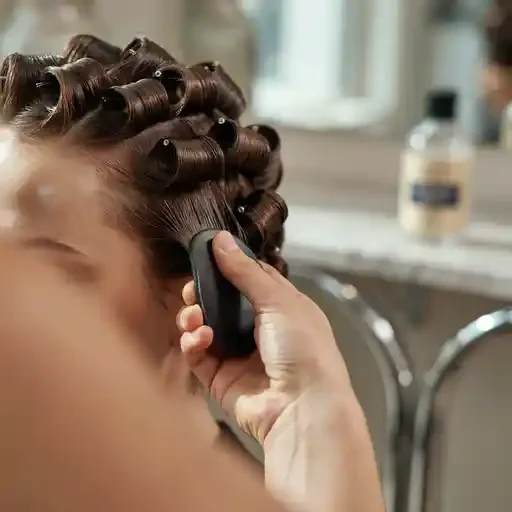
- Hair is washed and a strong-hold styling gel is applied generously while the hair is wet.
- Using a fine-tooth comb, the hair is worked into S-shaped rows, section by section, starting from the front and working back (or following whatever specific pattern direction you are going for).
- Once the pattern is set across the head, a wave cap or silk scarf is worn to hold the shape while the gel dries and sets fully, often for an hour or more, or sometimes overnight for the deepest set.
- Once fully dry, the cap is removed and the waves are left as styled, sometimes with a very light touch-up brush to clean up any disturbed sections.
Finger waves versus 360 waves
The techniques share some tools (wave caps, gel or grease) but differ in process and result. 360 waves develop gradually through consistent daily brushing over an extended period, creating a pattern that spirals from the crown. Finger waves are combed into place in a single styling session and create a more immediately visible, often more precisely patterned result, though one that typically needs to be reset (rewashed, re-gelled, re-combed) more frequently than an established 360 wave pattern, which holds up with just maintenance brushing once trained.
How the mid fade fits in
The fade provides the same clean, framing effect it does for other textured or patterned top styles, a crisp boundary that highlights the wave pattern on top rather than letting it blend into unfaded length at the sides. Keep the top length consistent with what the finger wave technique needs (generally that half-inch to one-inch range), and fade the sides at temple level in the usual way.
Product considerations
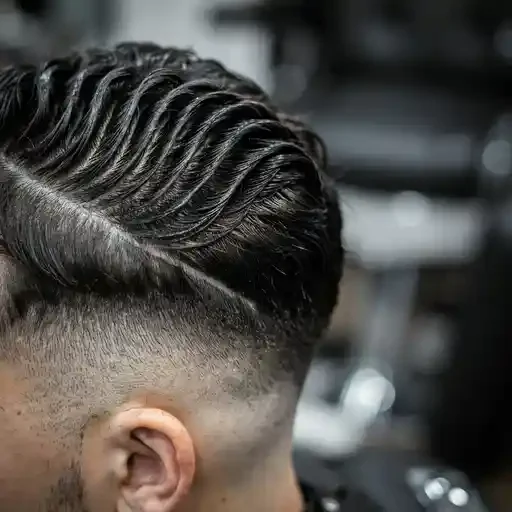
A strong-hold, wet-look gel is standard for this technique, since it needs to hold the combed pattern securely while wet and then set firmly as it dries. This differs from the lighter creams or pomades used for many other styles in this guide, finger waves specifically depend on a gel with genuine holding power.
Maintenance
The fade needs the usual regular attention. The finger wave pattern itself typically needs to be redone every few days to a week or so, depending on how well it holds up to sleeping, sweating, and general daily activity, this is a more frequent styling commitment than many other top styles in this guide, closer to an active daily or every-few-days routine than a wash-and-go option.
The bottom line
Finger waves paired with a mid fade create a distinctive, patterned look achieved through a specific comb-and-gel technique rather than through cutting alone, similar in spirit to 360 waves but with a different process and a result that typically needs to be reset more frequently. The fade itself frames the pattern cleanly, but the wave pattern is entirely a product of skilled styling technique applied afterward.
Frequently asked questions
Does a mid fade create the finger waves pattern?
No. Finger waves are created through a specific comb-and-gel technique applied to hair that is already cut to the right length. The fade frames the pattern but does not create it.
How is finger waves different from 360 waves?
Finger waves are combed into place in a single styling session using gel, while 360 waves develop gradually through consistent daily brushing over weeks to months. The techniques and finished patterns differ.
How often do you need to redo finger waves?
Typically every few days to about a week, depending on how the style holds up to daily activity, sleep, and sweat, making it a more frequent styling commitment than many other options.
What product is needed for finger waves?
A strong-hold, wet-look styling gel, since it needs to hold the combed pattern securely while wet and set firmly as the hair dries.
How long should hair be for finger waves?
Generally at least half an inch to an inch, similar to the length needed for 360 waves, giving the comb enough hair to work into defined, visible rows.
About the Author
Daniel Reyes got his first mid fade almost by accident. He asked his barber for “just a fade” and got one that started right at temple level. It became the cut he kept going back to, so he built mid-fade.com to cover it properly instead of burying it in generic fade lists.