Korean-Style Mid Fade: What Sets This Look Apart

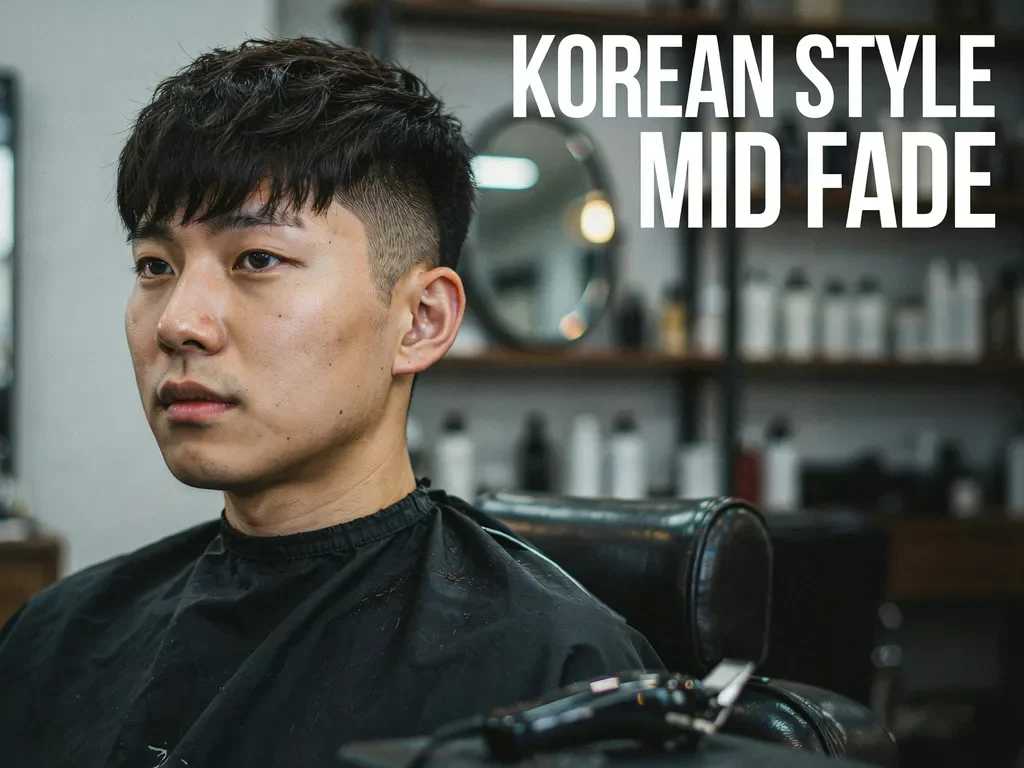
Quick answer: Korean style haircuts paired with a mid fade generally favor a softer, more natural silhouette over sharp, high contrast styling, think a gently textured fringe brought forward or to the side, subtle rather than dramatic volume, and often a slightly softer, less bald fade transition. It is a distinct aesthetic direction within the broader mid fade category, valued for its clean but relaxed, unforced looking finish.
Korean men hairstyling has developed a recognizable set of aesthetic preferences that differ in some specific ways from more traditionally Western fade styling, and understanding these differences helps in communicating clearly with your barber if this is the direction you are after.
Key characteristics of this styling direction
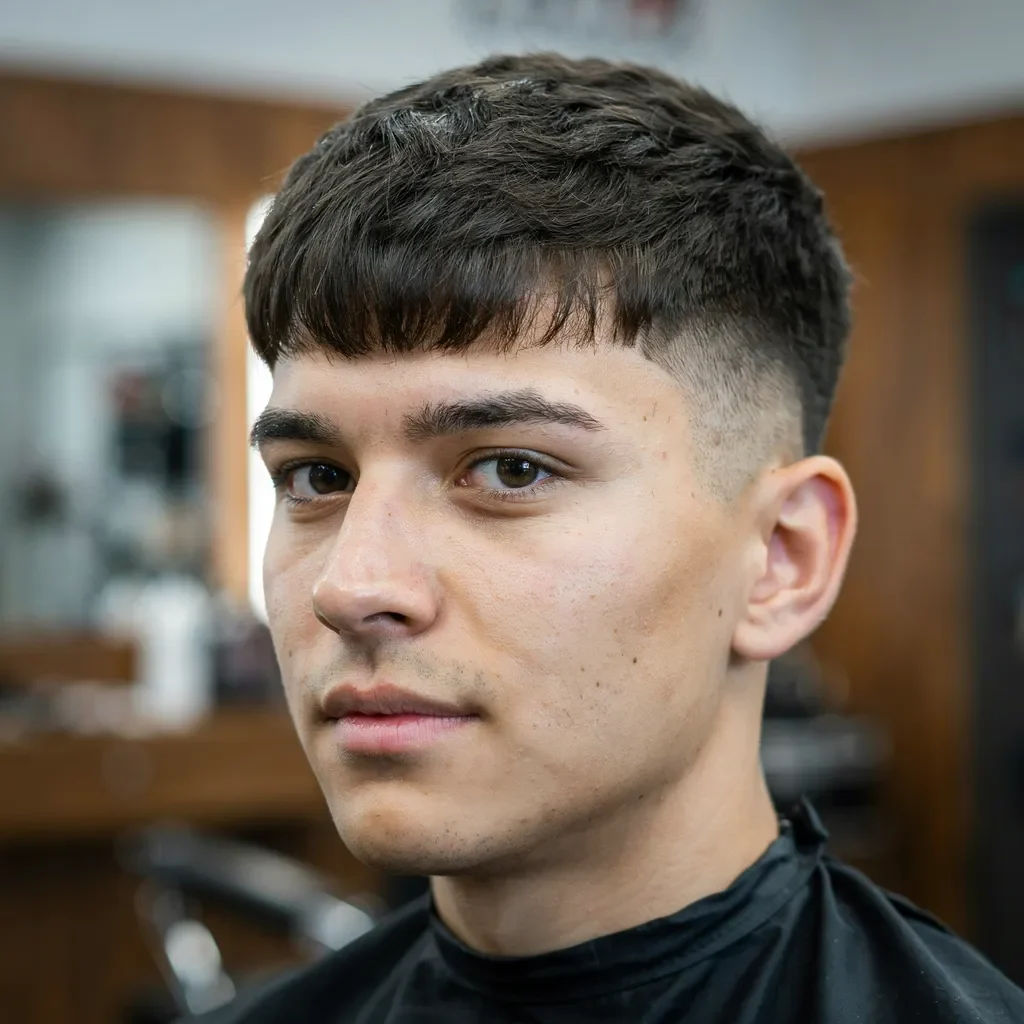
A soft, textured fringe, often brought forward across the forehead rather than swept fully back or up, is one of the most recognizable elements, it is a defining feature of the look far more often than in typical Western fade styling, where fringe is one option among many rather than a near default choice.
Subtle rather than dramatic contrast, the fade itself is often kept a bit softer, not necessarily going all the way to bald, in keeping with the overall gentler, less severe aesthetic compared to some higher contrast Western fade trends.
Natural looking volume and movement, achieved through specific cutting technique, often incorporating point cutting and texturizing, and lighter, more natural finish products rather than heavy, glossy, strong hold styling.
How this differs from a typical Western mid fade quiff or crop
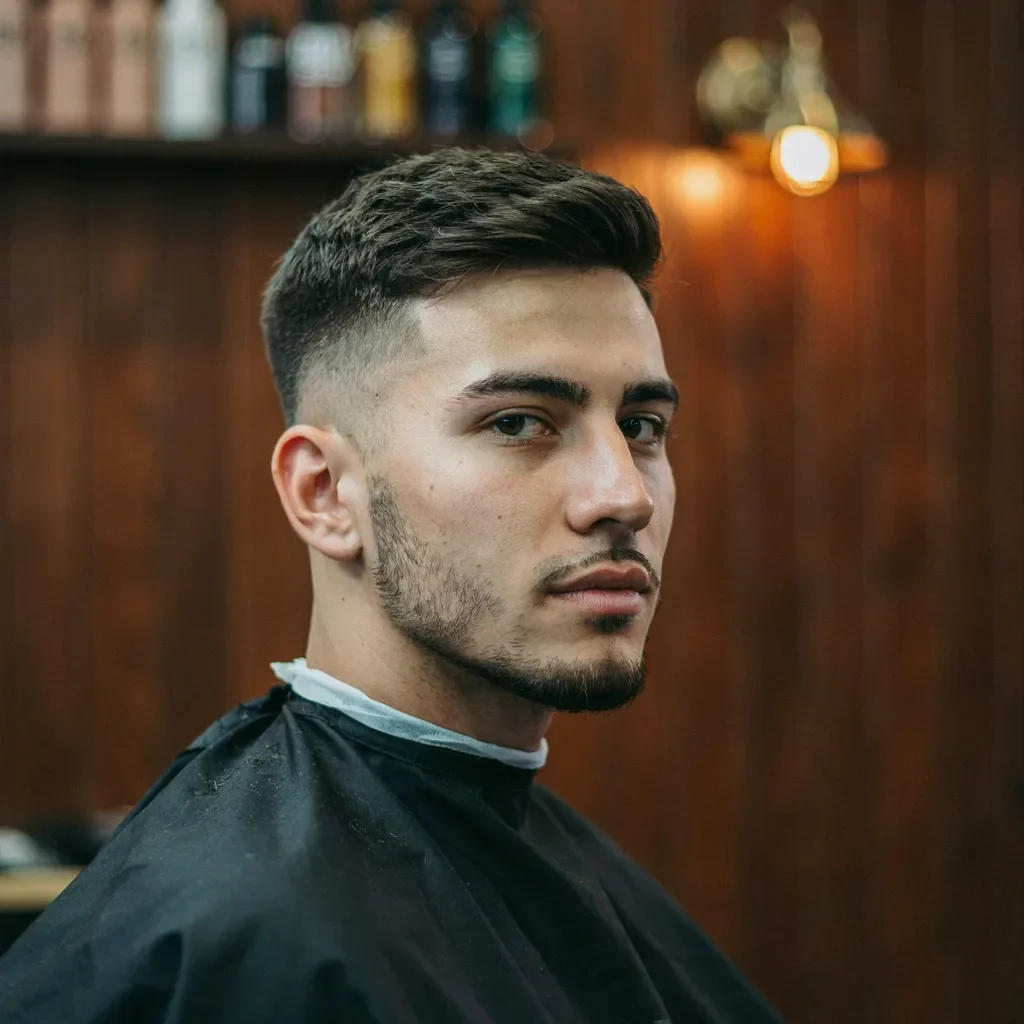
While a quiff or textured crop paired with a Western mid fade often aims for either height, quiff, or a more precisely groomed texture, crop, this styling direction generally favors a softer, more effortlessly natural looking finish throughout, with the fringe playing a more central, defining role than in many Western style variations.
How to communicate this to your barber
Bring reference photos specifically, since Korean style as a verbal description alone can be interpreted quite broadly. Point to the specific elements that appeal to you, the fringe shape and direction, how soft or sharp you want the fade, the overall level of texture and volume, since barbers without specific familiarity with this particular aesthetic direction will benefit from clear visual reference regardless of how you describe it verbally.
Hair type considerations
This styling direction often works particularly well with straight to slightly wavy hair, which is common but not universal, holding the soft, forward styled fringe shape predictably. If your hair is curlier, you can still work toward a similar overall softness and natural looking texture, though the specific fringe shape may look somewhat different due to natural curl pattern, similar to how curly hair generally interprets any fringe forward style with its own natural character rather than lying perfectly flat.
Product approach
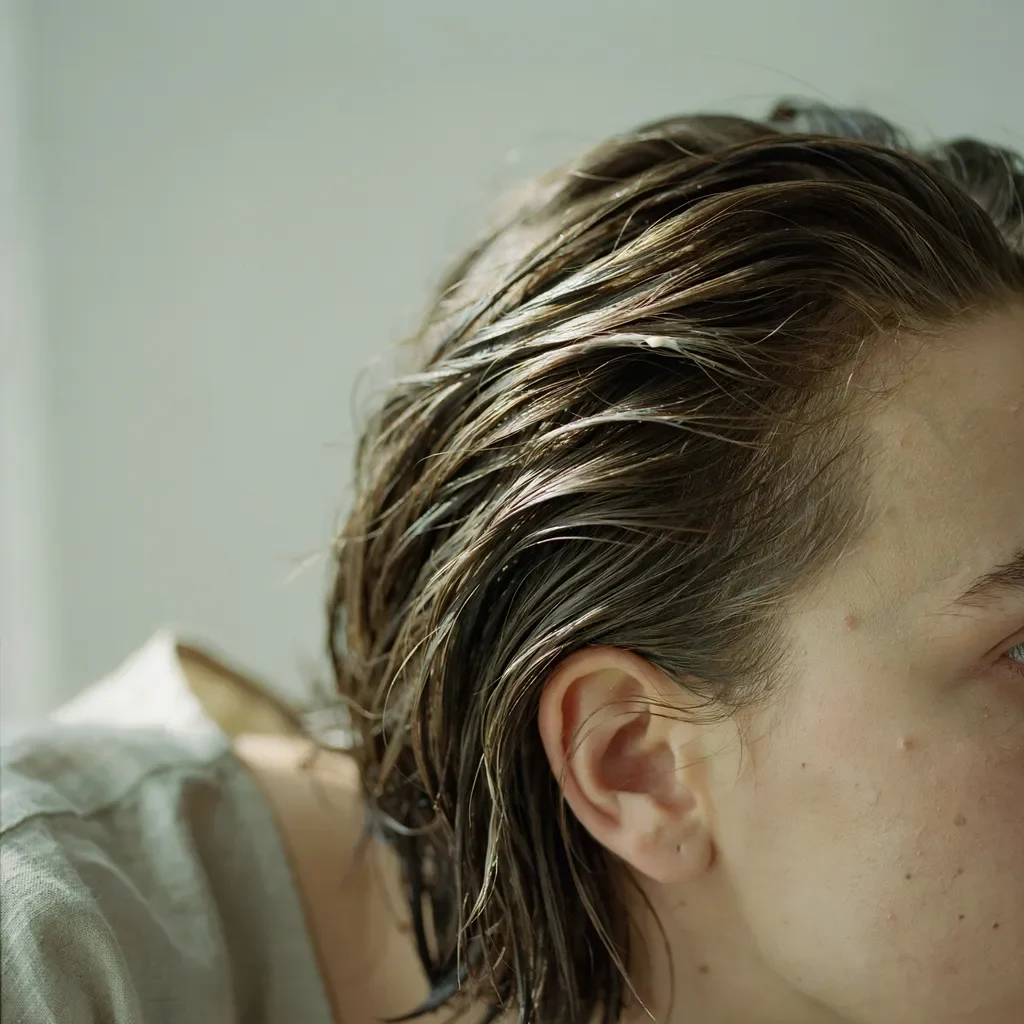
Lighter, more natural finish products, a light wax or cream rather than a heavy, glossy pomade, generally suit this aesthetic better, since the overall look favors texture and natural movement over precise, sculpted control. A texturizing spray can also help achieve the slightly tousled, soft quality that is often part of this styling direction.
Does the fade itself need to be a specific style?
Not strictly, the mid fade placement itself works the same way regardless of the broader stylistic direction on top. What differs is more the depth and contrast preference, often softer rather than maximally dramatic, and how the top is styled, rather than any fundamentally different fade cutting technique.
The bottom line: A Korean style mid fade generally favors a softer, more naturally textured overall look, a forward styled fringe, subtler fade contrast, and lighter, more natural finish products, compared to some higher contrast Western fade styling trends. Bringing specific reference photos remains the most reliable way to communicate this particular aesthetic direction clearly to your barber, given how much the term alone can be interpreted differently.
Frequently asked questions
What defines a Korean style mid fade?
A soft, textured fringe often brought forward, subtler fade contrast rather than a maximally dramatic bald finish, and natural looking volume achieved through lighter products, rather than heavy, glossy styling.
How is this different from a typical Western quiff or crop paired with a mid fade?
This styling direction generally favors an overall softer, more effortlessly natural finish, with the fringe playing a more central, defining role than in many Western style variations.
What hair type works best for this look?
Straight to slightly wavy hair often holds the soft, forward styled fringe most predictably, though curlier hair can achieve a similar overall softness with its own natural texture and character.
What product works best for this styling direction?
Lighter, natural finish products like a light wax, cream, or texturizing spray generally suit the look better than a heavy, glossy pomade, since the aesthetic favors natural movement over sculpted control.
How should you communicate this style to your barber?
Bring specific reference photos, since the term alone can be interpreted broadly, and point to the specific elements you want, fringe shape, fade softness, and overall texture level.
About the Author
Daniel Reyes got his first mid fade almost by accident. He asked his barber for “just a fade” and got one that started right at temple level. It became the cut he kept going back to, so he built mid-fade.com to cover it properly instead of burying it in generic fade lists.