Mid Taper Fade for Thick Hair: A Softer, More Forgiving Option

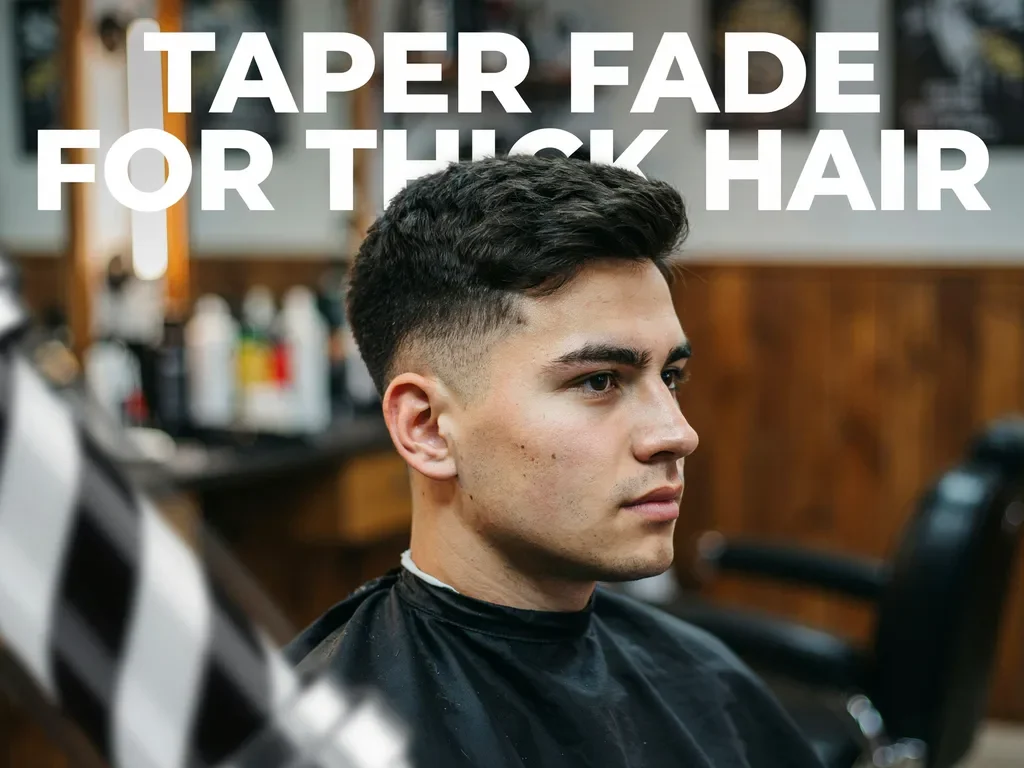
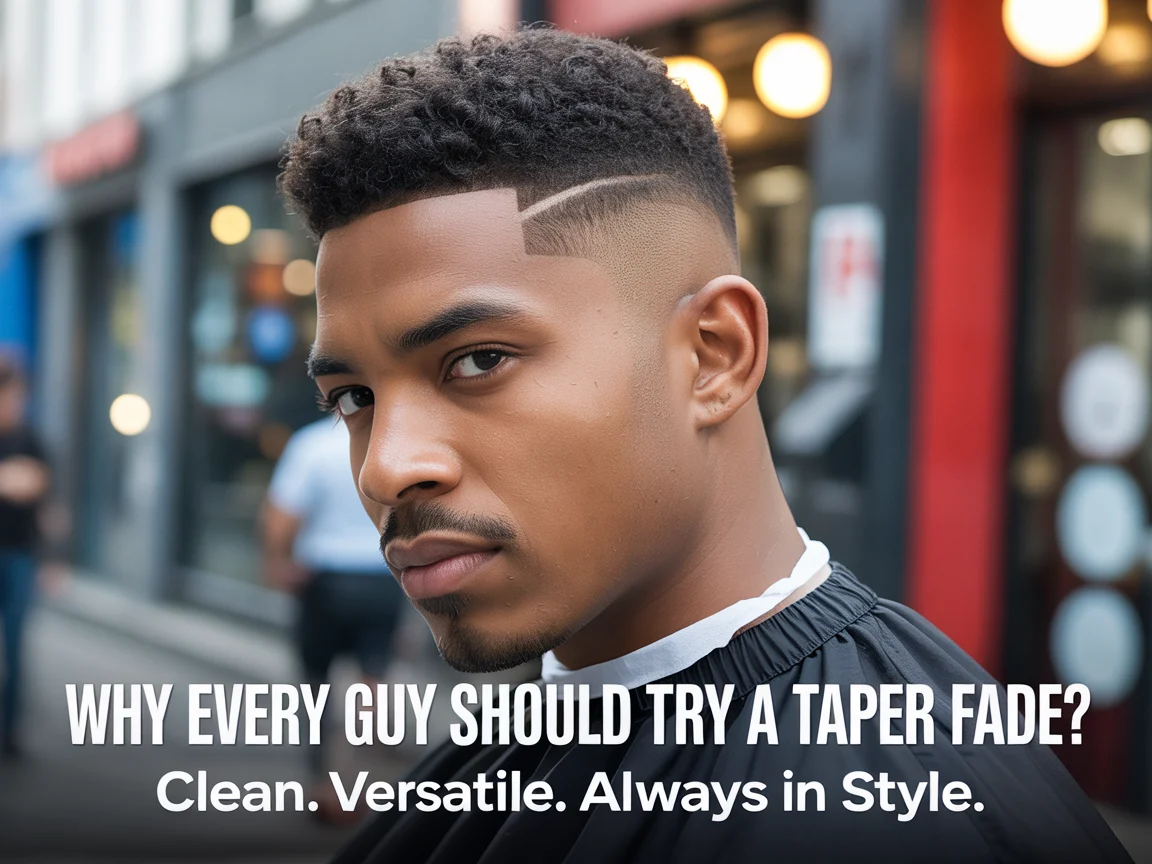
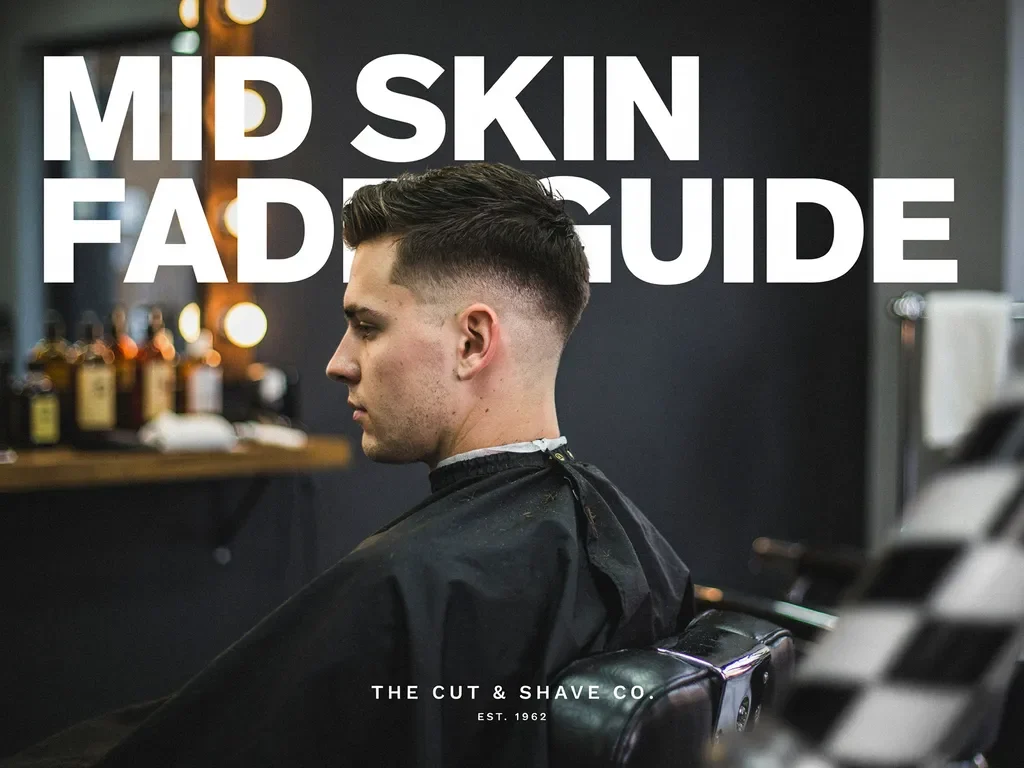
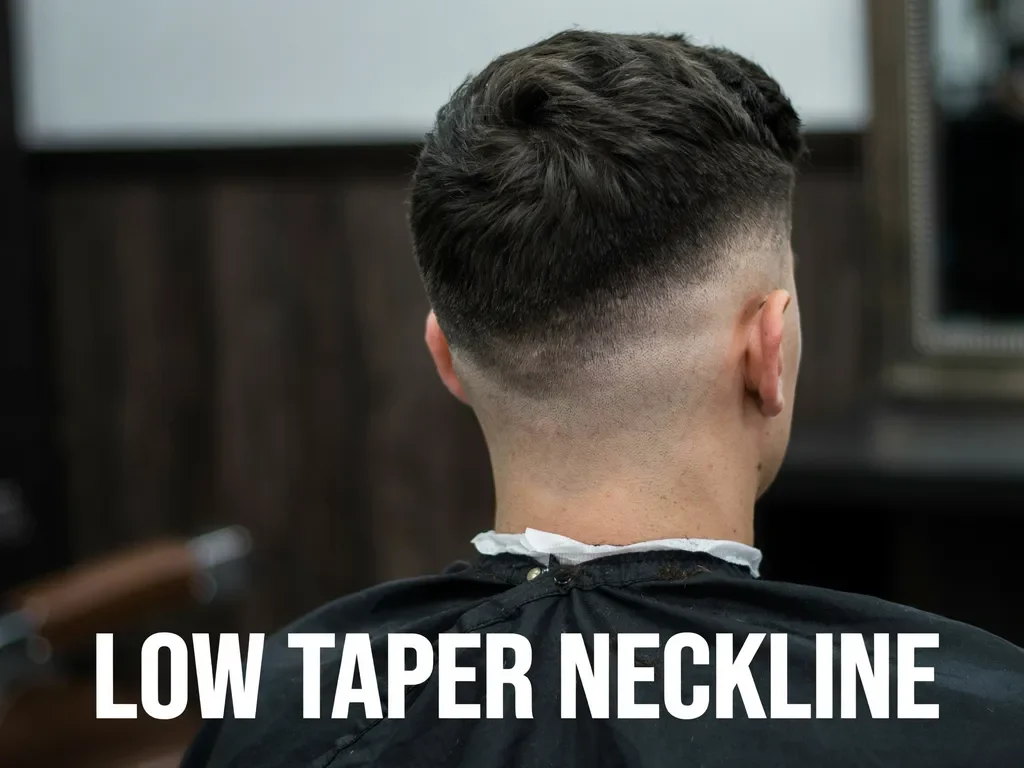
Quick answer: A mid taper fade, where the sides shorten gradually without going all the way to bald, is a particularly practical choice for thick, dense hair, since it provides a softer, more gradual transition that better accommodates thick hair natural bulk and weight than a high contrast, closer to skin fade might. It starts at the same temple height as any mid fade but stops at a shorter, taper style length rather than continuing to bare skin.
Thick hair, meaning high density, many strands per square inch, presents some specific practical considerations that make a taper style fade, softer and more gradual than a sharp skin fade, a particularly good match for this hair type.
Why taper specifically suits thick hair well
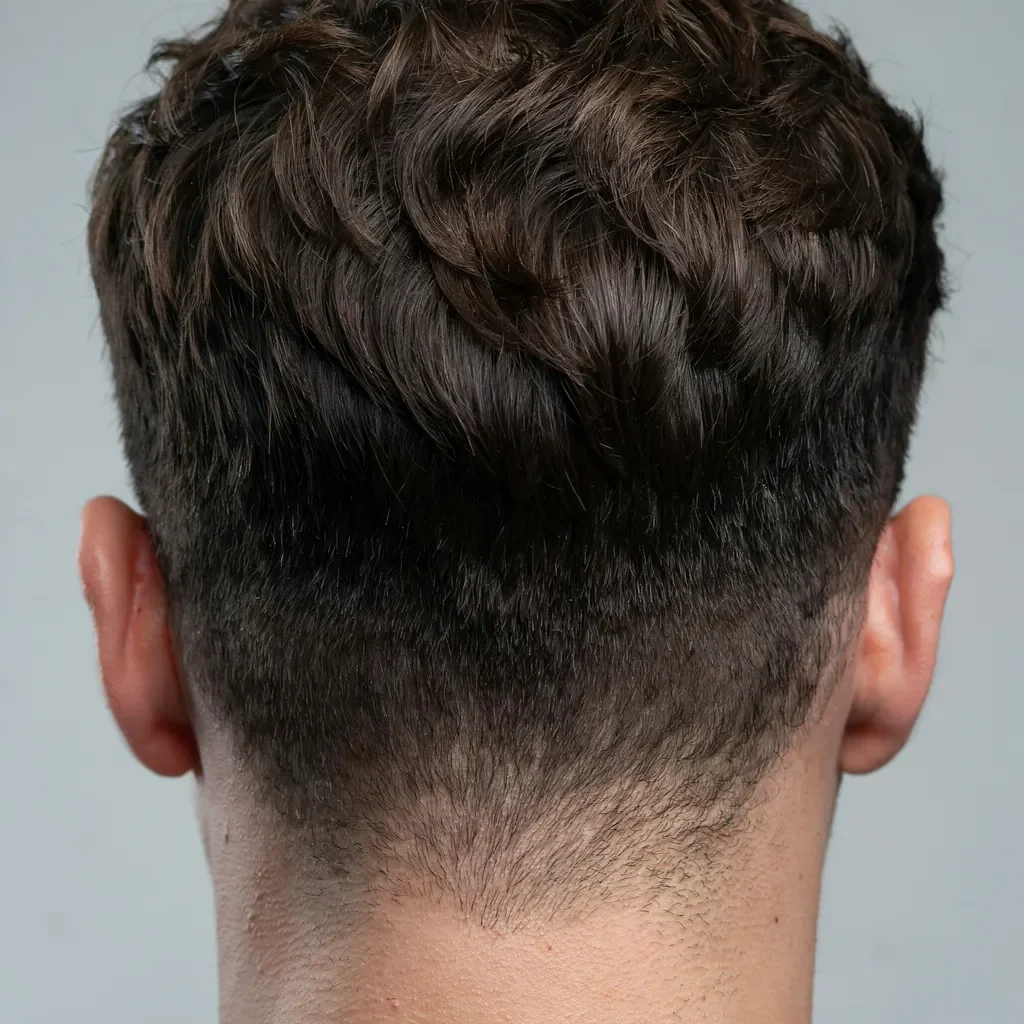
Thick hair carries genuine weight and bulk, and a very high contrast fade, going quickly from significant density down to bare skin, can sometimes look like an abrupt, slightly harsh transition given how much hair is being compressed into that short space at the top of the fade. A taper more gradual reduction gives thick hair density a more forgiving, natural looking path to shorten into, rather than the more dramatic drop off a sharper fade creates.
Does this mean thick hair cannot get a sharper, higher contrast fade?
Not at all, thick hair absolutely can wear a bald or near bald fade if that is the specific look you want, and plenty of men with thick hair do. This article is about a specific recommendation and common practical benefit, not a restriction. A taper fade is simply a particularly well suited, softer option worth knowing about if you are deciding between fade depths and have notably thick or dense hair.
Managing the top with thick hair
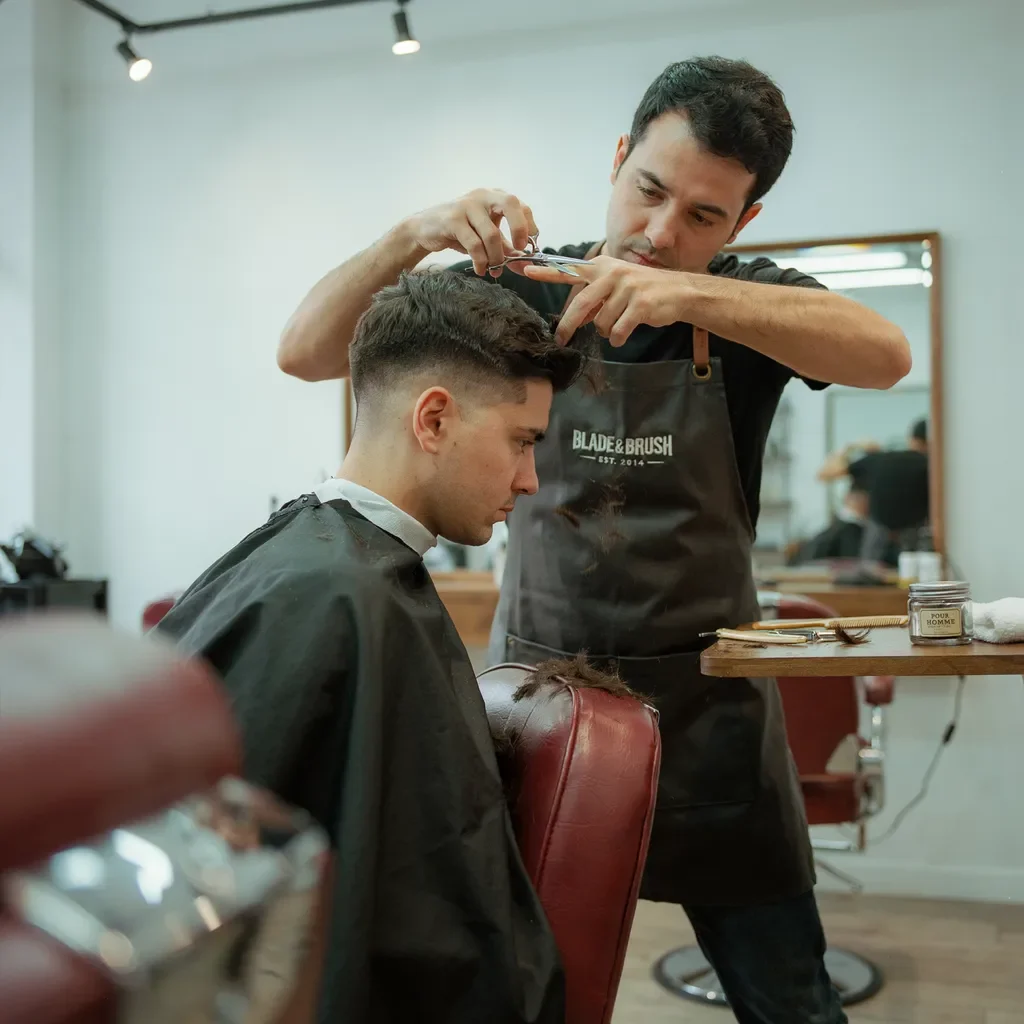
As covered in more detail in this collection dedicated thick hair article, the top section often benefits from thinning or texturizing shears to reduce bulk and prevent a heavy, triangular silhouette, regardless of which specific fade depth you choose. This top management matters somewhat more, not less, when paired with a taper fade, since the softer, less dramatic side transition means the top shape and volume carry relatively more of the overall visual weight of the haircut.
Does a taper fade help thick hair grow out more gracefully?
Yes, generally more so than a sharper fade. Because there is already more length and less abrupt contrast built into a taper finish, the regrowth process tends to be less visually jarring than with a bald fade, where thick hair fast appearing visible regrowth against bare skin can look more noticeable sooner than the same growth would on finer hair.
How to ask your barber for it
Something like: I have thick hair, and I would like a mid taper fade, start the fade at my temple but keep it a soft taper rather than going down to skin, and thin out the top so it does not look too bulky. Mentioning both the fade depth preference and the top thinning request together gives your barber the full picture of what you are going for.
Maintenance
A non bald taper fade generally holds up a bit longer between cuts than a bald finish, typically 3 to 4 weeks rather than 2 to 3, which combines well with thick hair own growth patterns for a genuinely practical, lower frequency maintenance schedule if that is a priority for you.
Does this pairing work with any top style?
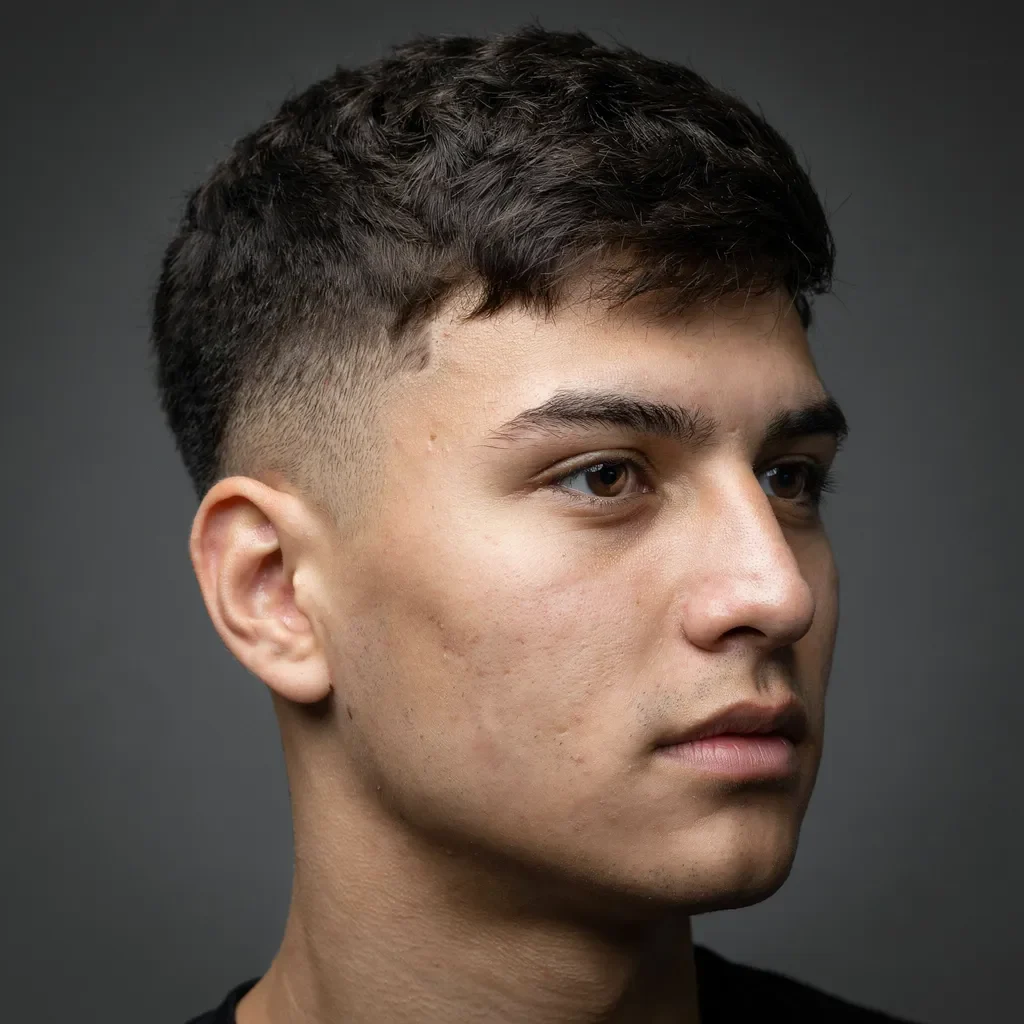
Yes, the taper fade depth is independent of top style choice, similar to how fade depth generally does not restrict style options elsewhere in this collection. Whether you want a textured crop, a quiff, or something longer, a mid taper fade works as the side transition regardless.
The bottom line: A mid taper fade offers thick, dense hair a softer, more gradual side transition that tends to look more naturally forgiving of thick hair inherent bulk than a sharper, closer to skin fade, while also holding up a bit longer between cuts. This is not a restriction, thick hair can absolutely wear a bald fade too, but it is a particularly well suited, practical option worth knowing about specifically if you have notably thick hair and are deciding on fade depth.
Frequently asked questions
Why does a taper fade suit thick hair particularly well?
The more gradual, softer transition accommodates thick hair natural bulk and weight more forgivingly than a sharp, high contrast fade, which can look like an abrupt drop off given how much hair density is involved.
Can thick hair still get a bald fade instead of a taper?
Yes, absolutely. Thick hair can wear any fade depth, this is a specific recommendation and common practical benefit of choosing a taper, not a restriction on other options.
Does the top still need thinning with a taper fade?
Yes, often even more relevant, since the softer side transition means the top shape and volume carry relatively more visual weight, making bulk management on top still worthwhile.
Does a taper fade hold up longer between cuts than a bald fade?
Yes, generally, often 3 to 4 weeks compared to 2 to 3 weeks for a bald finish, which pairs well with thick hair growth patterns for a more practical, lower frequency schedule.
Does a mid taper fade work with any top style for thick hair?
Yes. The fade depth is independent of top style choice, so a mid taper fade works as the side transition regardless of whether you choose a crop, quiff, or longer top style.
About the Author
Daniel Reyes got his first mid fade almost by accident. He asked his barber for “just a fade” and got one that started right at temple level. It became the cut he kept going back to, so he built mid-fade.com to cover it properly instead of burying it in generic fade lists.