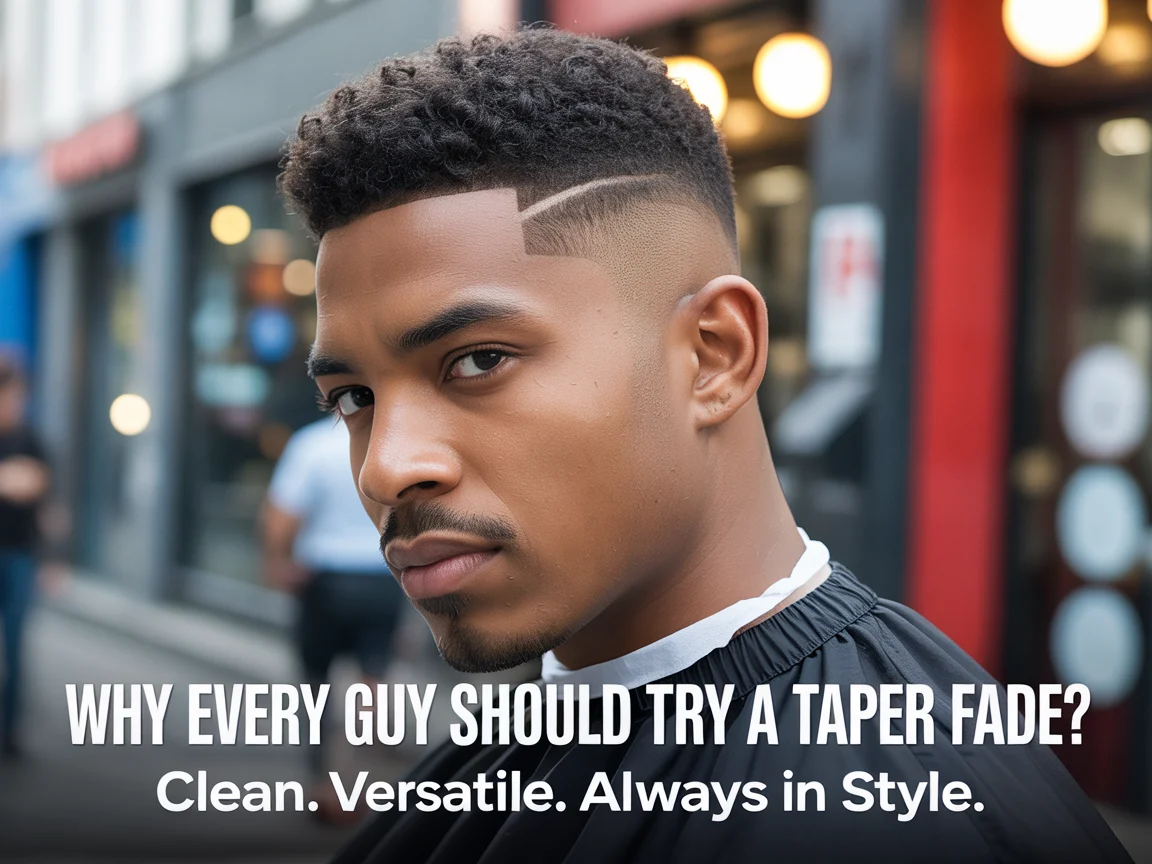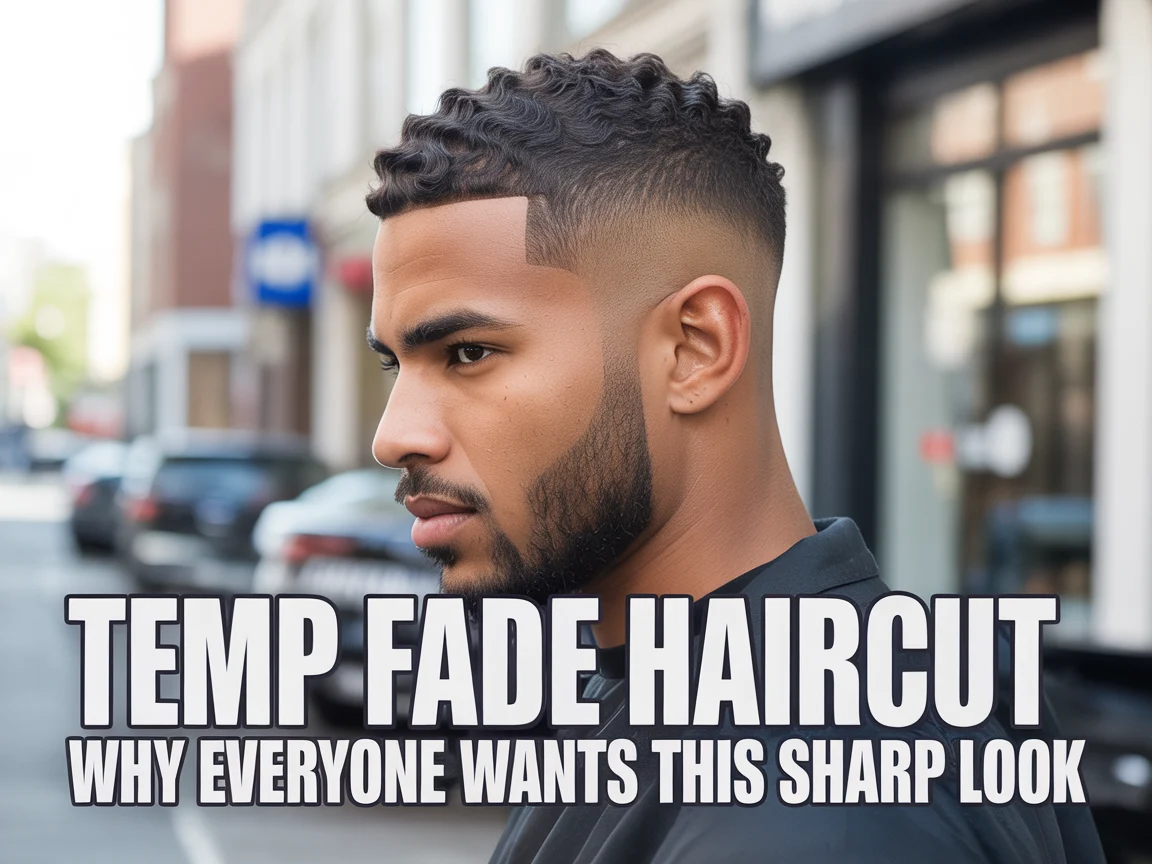
Mid Fade With a Low Taper Neckline: A Softer Finish at the Back

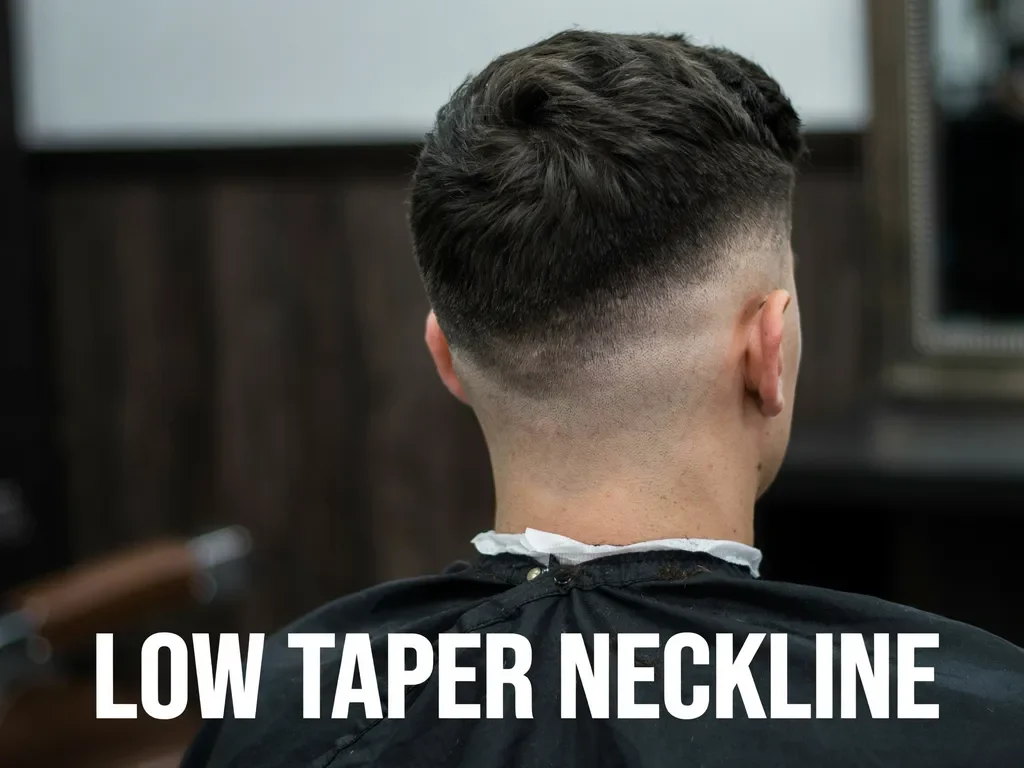
Quick answer: A low taper neckline gradually blends the hair into the skin at the bottom of the neckline, rather than cutting a sharp, defined edge, a blocked neckline. Paired with a mid fade, this creates a softer, more natural looking finish at the back of the haircut, contrasting with the more common sharper, squared off neckline option. It is a subtle but genuinely noticeable stylistic choice worth understanding before your next appointment.
The neckline, the bottom boundary of hair at the back of the neck, has a couple of distinct style options, and choosing between them is a detail many men do not think to specify, defaulting to whatever their barber does automatically rather than actively choosing.
The two main neckline styles, compared
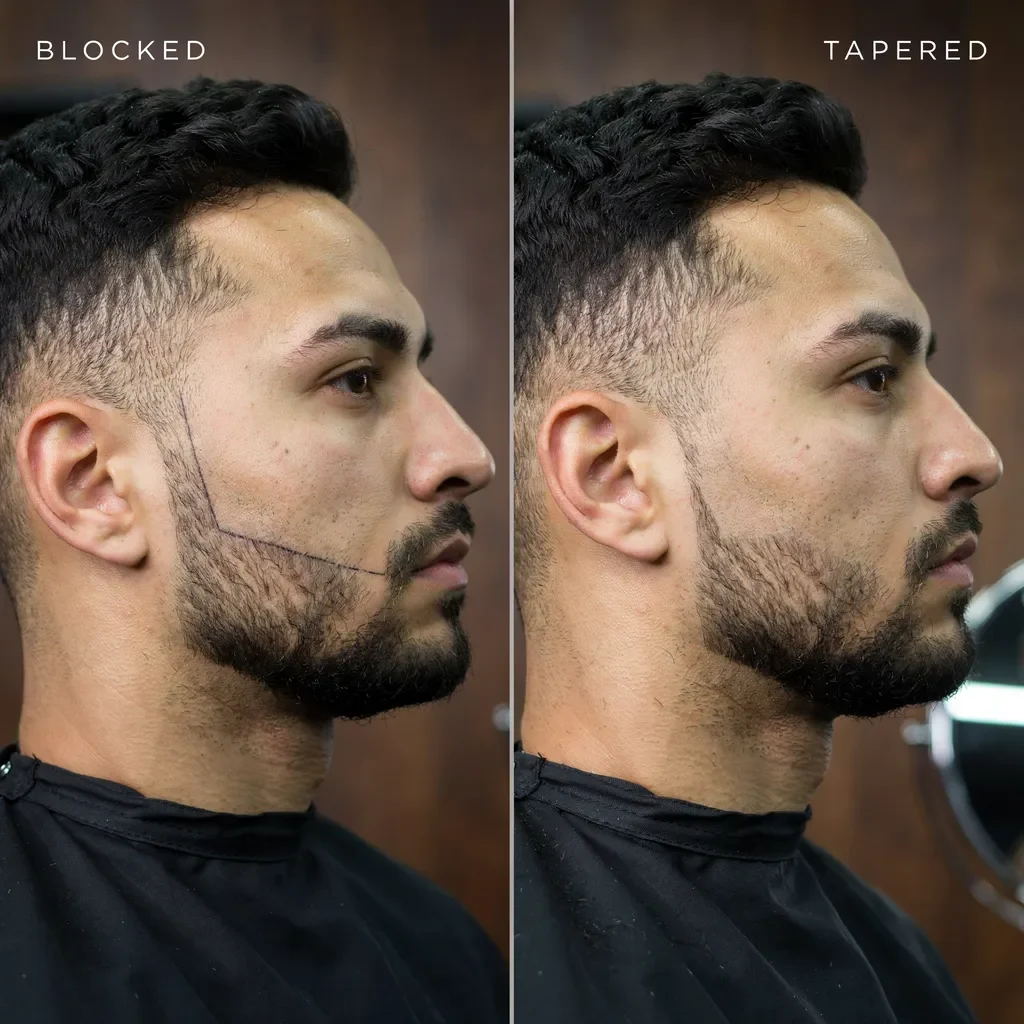
A blocked, or squared, neckline has a defined, straight edge, hair simply stops at a clean line, creating a sharper, more geometric finish at the bottom of the haircut.
A tapered neckline blends gradually from hair into skin, with no hard edge, creating a softer, more naturally fading finish rather than an abrupt stop.
A low taper neckline specifically refers to this gradual blending approach, positioned relatively low on the neck, as opposed to a higher taper, which blends further up.
Why choose a low taper over a blocked neckline
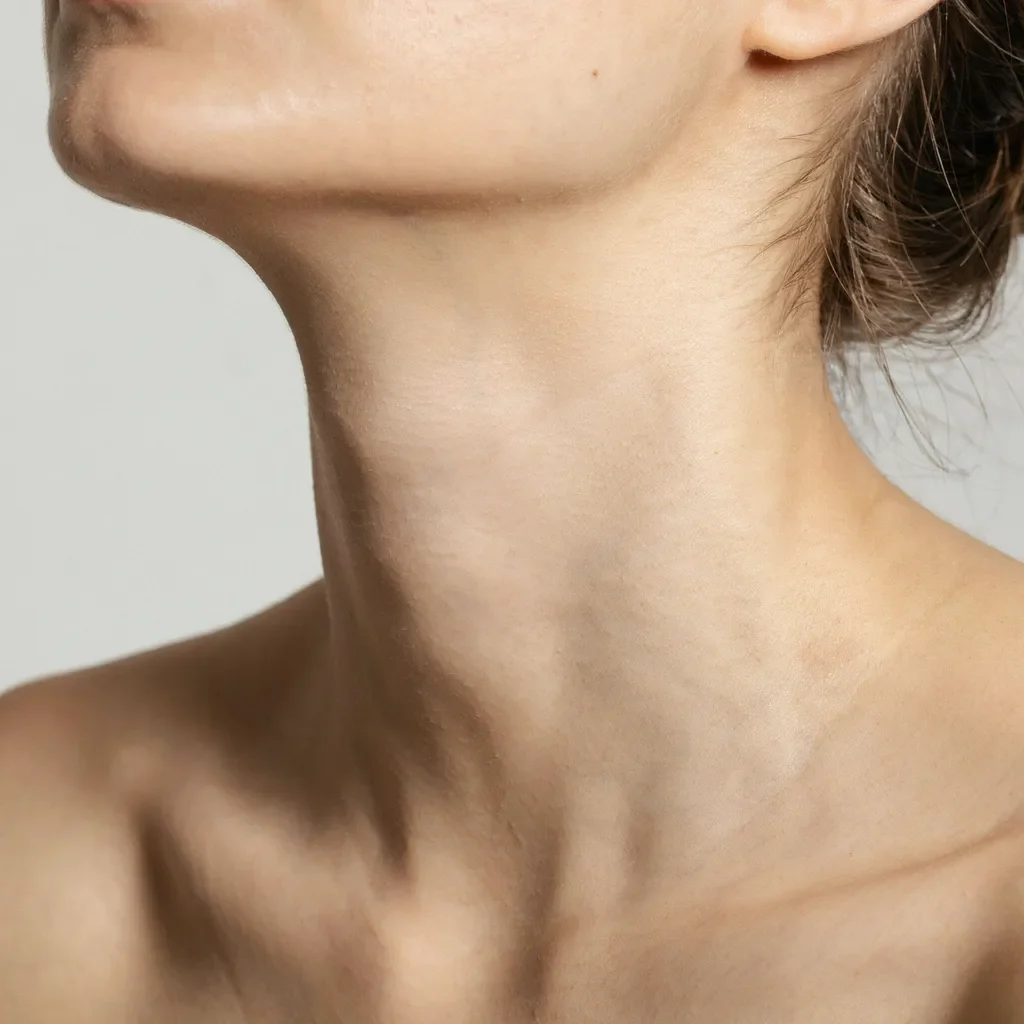
A softer, more natural overall look. Many men simply prefer how a tapered neckline looks compared to a sharp, blocked edge, it reads as slightly more relaxed and less severe.
More forgiving as it grows out. A tapered neckline shows less obvious unevenness as hair regrows compared to a blocked neckline, where any growth immediately disrupts the previously sharp, straight edge.
Easier to maintain at home between cuts, since there is no precise straight line to try to replicate, a slightly imprecise touch up on a tapered neckline blends in more forgivingly than the same imprecision would on a blocked line.
How this pairs with the rest of a mid fade
The neckline choice is independent of the fade placement and depth, you can pair a low taper neckline with any mid fade depth, bald or non bald, and any top style. It is simply a detail affecting specifically the back, bottom boundary of the haircut, separate from the temple level fade transition happening at the sides.
How to ask your barber for it specifically
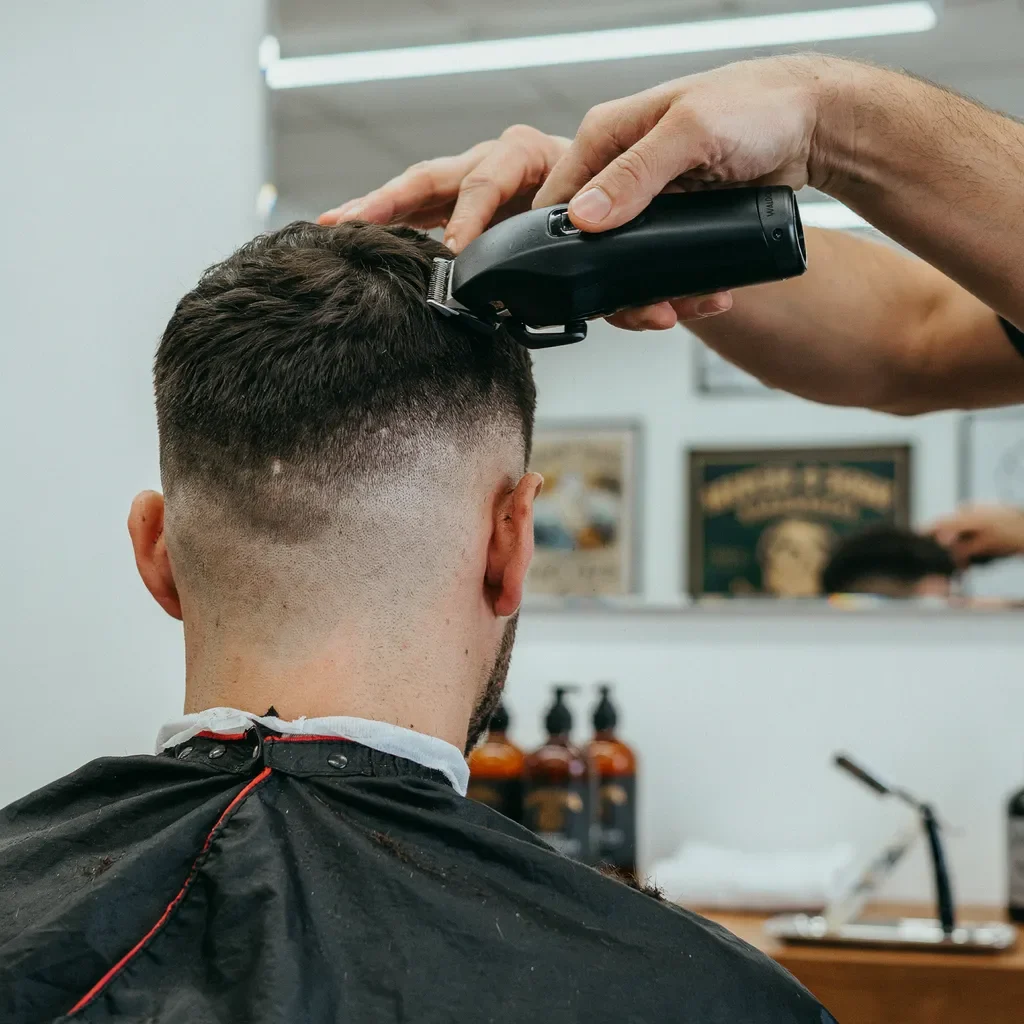
Something like: for the neckline, I would like a soft, low taper rather than a hard blocked line, just blend it into the skin gradually. If your barber typically defaults to one style or the other without asking, this is worth specifying directly rather than assuming, since it is genuinely a matter of preference rather than a technical default.
Does hair type affect how a taper neckline looks?
Somewhat. Straighter hair tends to show the gradual taper blend most cleanly and predictably. Curlier or coilier hair can achieve a similarly soft transition, though the natural texture may make the blend read as slightly less perfectly smooth than on straight hair, this is a natural variation rather than a problem, and many men with textured hair still prefer this softer neckline style over a blocked one.
Maintenance
This detail is genuinely lower maintenance than a blocked neckline, both because a tapered blend is more forgiving as it grows out and because it is an easier detail to touch up yourself at home if needed, using the guidance covered in this collection dedicated neckline maintenance article, without needing to replicate a precise straight line.
The bottom line: A low taper neckline offers a softer, more forgiving alternative to a sharp, blocked neckline, working as an independent styling choice you can pair with any mid fade depth or top style. It is a detail worth actively specifying to your barber rather than leaving to default, since blocked and tapered necklines create genuinely different overall impressions at the back of the haircut.
Frequently asked questions
What is the difference between a blocked and a tapered neckline?
A blocked neckline has a sharp, straight, defined edge, while a tapered neckline gradually blends hair into skin with no hard line, creating a softer overall finish.
Does a low taper neckline work with any mid fade depth?
Yes, it is independent of the fade itself, so it pairs with either a bald or non bald mid fade, and with any top style, since it specifically affects only the neckline area.
Is a tapered neckline easier to maintain than a blocked one?
Generally yes. It is more forgiving as it grows out, since there is no precise straight line to lose, and it is also easier to touch up yourself at home without needing to replicate a sharp edge.
Does hair type affect how well a taper neckline blends?
Somewhat. Straight hair shows the gradual blend most cleanly, while curlier hair can achieve a similarly soft look with slightly less perfectly smooth transition, which is a natural variation rather than an issue.
Should you specify your neckline preference to your barber?
Yes, it is worth actively mentioning, since barbers may default to whichever style they typically use unless you specify otherwise, and blocked versus tapered creates a genuinely different overall look.
About the Author
Daniel Reyes got his first mid fade almost by accident. He asked his barber for “just a fade” and got one that started right at temple level. It became the cut he kept going back to, so he built mid-fade.com to cover it properly instead of burying it in generic fade lists.