Classic vs Modern Mid Fade: What Actually Changed

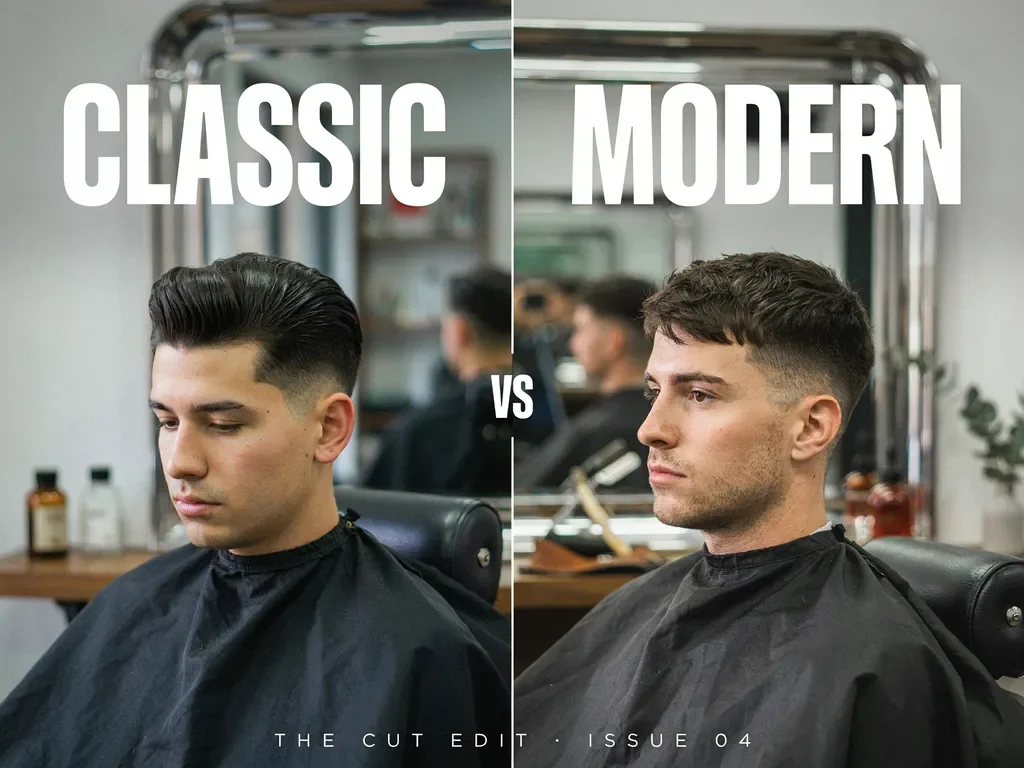
Quick answer: A classic mid fade typically pairs the fade with more structured, precisely groomed top styling, a defined side part, a glossy pompadour, a neat comb over, while a modern approach favors more texture, natural movement, and relaxed styling, a messy or textured crop, curtains, softer product finishes. The fade placement itself has not fundamentally changed, what has shifted is the broader aesthetic preference on top, moving from precise and structured toward textured and relaxed.
Understanding this classic versus modern framing is less about one being objectively better and more about recognizing two genuinely different overall aesthetics you can choose between, both built on the same fundamental fade placement.
What defines the classic approach
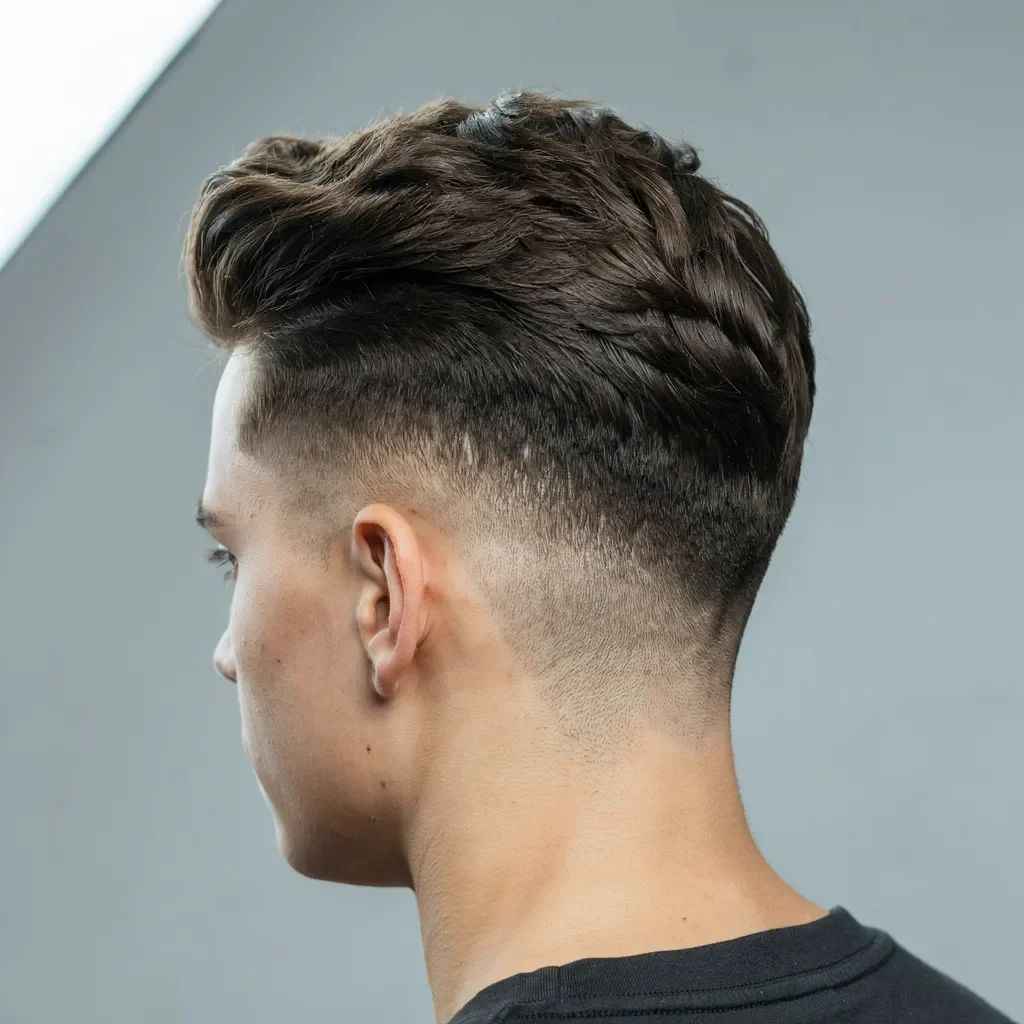
Precision and structure. A classic mid fade top is typically cut and styled with clean, deliberate lines, a defined part, a smoothly combed shape, minimal stray texture.
Glossier product finishes. Oil based pomades and similar strong hold, high shine products are more associated with classic styling than the matte, natural finishes common in more current approaches.
More formal overall character. Classic mid fade styling often reads as more suited to traditional professional or formal settings, given its polished, controlled quality.
What defines the modern approach
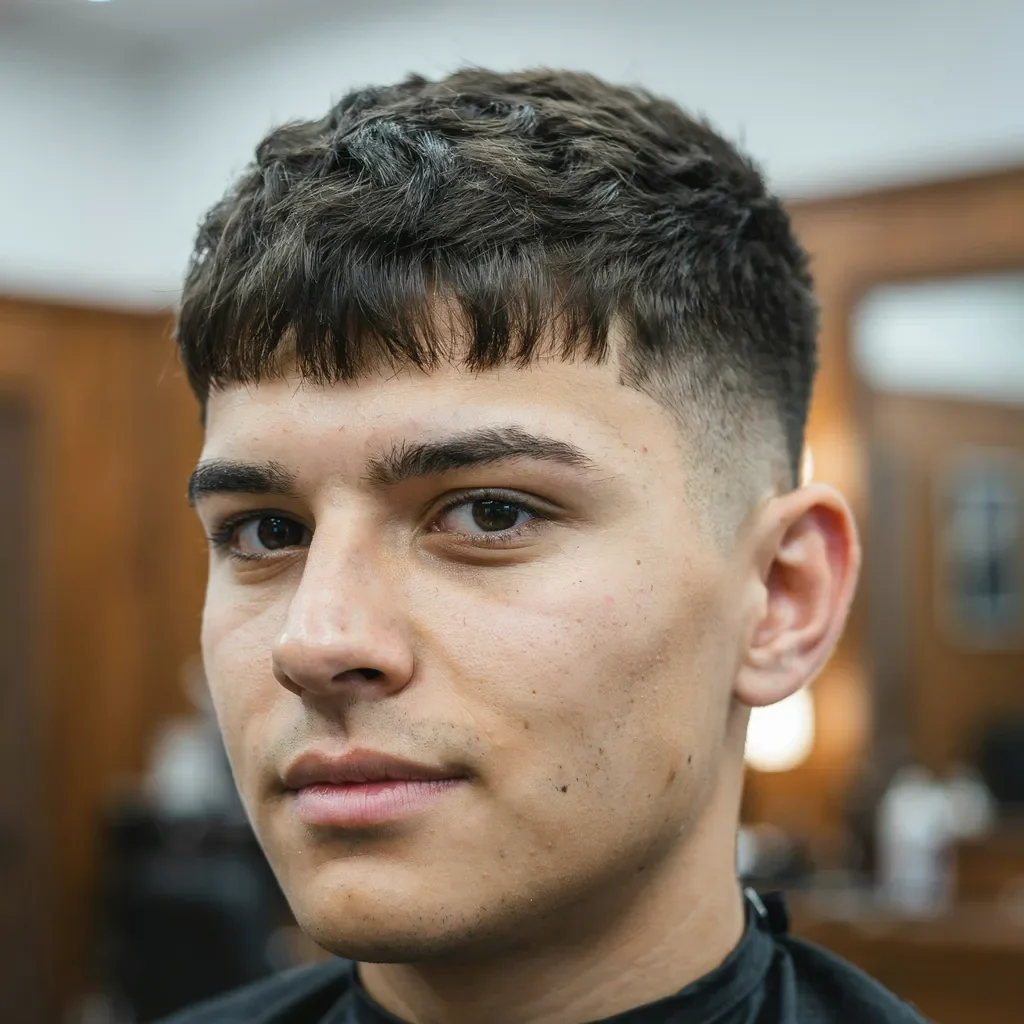
Texture and movement over precision. A modern mid fade top favors visible texture, natural looking separation between sections, and an overall less rigidly controlled shape.
Matte, natural finish products. Clays and lighter creams, rather than glossy pomades, dominate more current styling, contributing to a less polished, more relaxed overall look.
A more casual, versatile overall character, often reading as suitable across a wider range of settings from casual to moderately formal, without leaning as strongly toward traditional formality.
Has the fade itself changed?
Not fundamentally, the core mid fade technique, temple level placement, and gradual blend transition remain essentially the same regardless of which broader aesthetic you are pairing it with. What has changed over time is primarily the top styling trends and product preferences layered on top of that consistent fade foundation.
Can you mix elements of both?
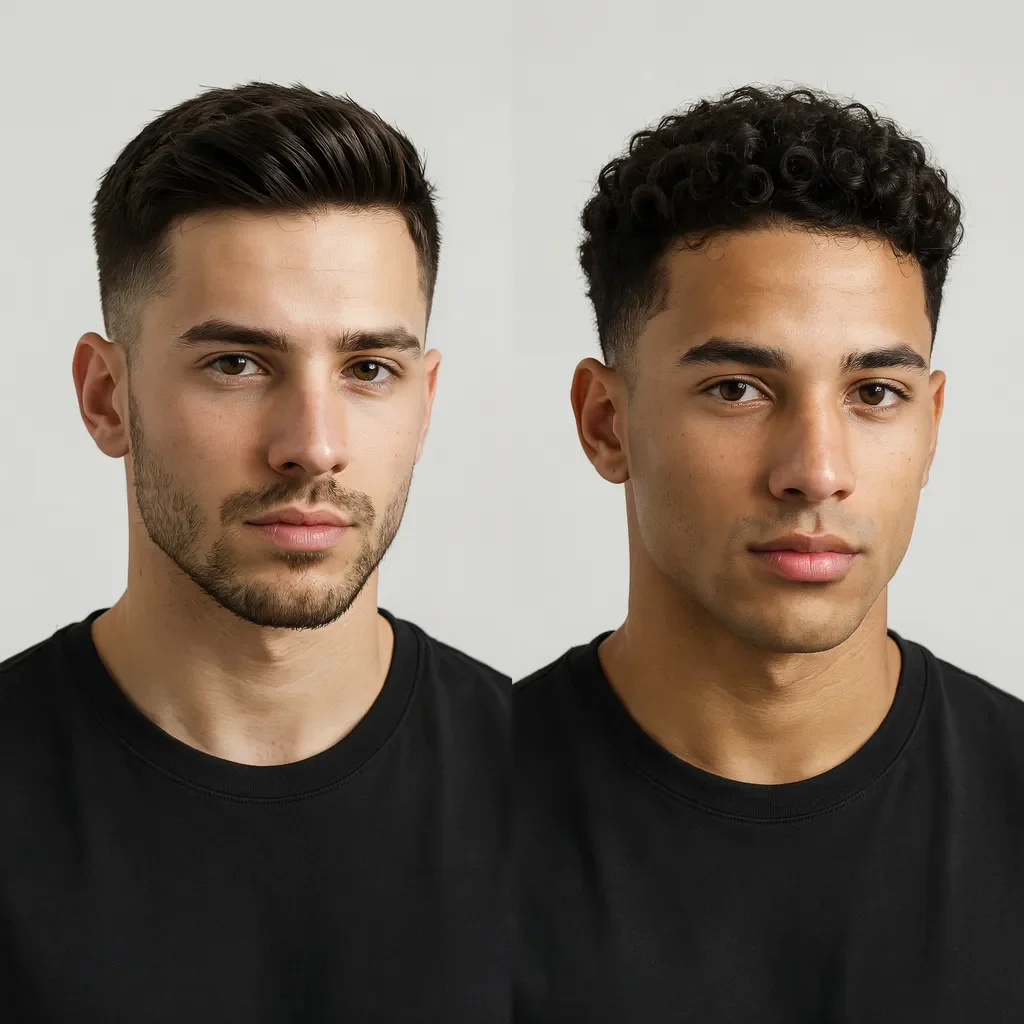
Yes, genuinely, these are not strictly opposing categories with no overlap. A moderately textured top with some structure, not fully sleek and combed, but not completely loose and messy either, is a common middle ground many men land on, taking elements of both approaches rather than committing fully to one aesthetic extreme or the other.
Which approach suits which contexts better?
The classic approach tends to suit more traditionally formal or conservative professional settings particularly well, given its polished character. The modern approach tends to suit more casual settings and creative or less traditionally formal professional environments, where a relaxed, textured look reads as appropriately current rather than under styled.
Does hair type favor one approach over the other?
Not inherently, though some practical considerations exist, very straight, fine hair holds a classic, sleek, controlled shape somewhat more predictably than textured hair does, while naturally curly or coily hair often leans more naturally toward the textured, less controlled modern aesthetic without requiring as much deliberate effort to achieve that look, since some texture is already inherent to the hair type.
The bottom line: Classic and modern mid fade approaches represent two genuinely different overall aesthetics, precise and structured versus textured and relaxed, built on the same consistent fade placement and technique. Neither is objectively better, the right choice depends on personal preference, the settings you move through regularly, and to some degree what your specific hair type holds most naturally and predictably.
Frequently asked questions
What is the main difference between a classic and modern mid fade?
The fade itself remains largely the same, the difference is primarily in top styling, classic favors precise, structured, glossy styling, while modern favors textured, relaxed, matte finish styling.
Has the mid fade cutting technique changed over time?
Not fundamentally. The core temple level placement and gradual blend transition remain consistent, what has changed is mainly the top styling trends and product preferences applied on top of that foundation.
Can you combine classic and modern elements?
Yes, many men choose a middle ground, some texture and relaxation without going fully loose and messy, or some structure without going fully sleek and glossy, rather than committing entirely to one aesthetic extreme.
Which approach suits professional settings better?
The classic approach, with its more polished, controlled character, tends to suit traditionally formal or conservative professional settings particularly well, though the modern approach works fine in many less traditionally formal environments.
Does hair type affect which approach is easier to achieve?
To some degree. Straight, fine hair holds a classic, sleek shape more predictably, while naturally curly or coily hair often leans toward the textured modern aesthetic with less deliberate styling effort required.
About the Author
Daniel Reyes got his first mid fade almost by accident. He asked his barber for “just a fade” and got one that started right at temple level. It became the cut he kept going back to, so he built mid-fade.com to cover it properly instead of burying it in generic fade lists.