How to Fix a Bad Mid Fade

Quick answer: Most bad mid fades come down to four problems: visible lines (unblended steps), patches (spots cut too short), uneven sides, or a fade cut too high. Lines and small unevenness can be re-blended by flicking the clipper along the problem area with the next guard down. Patches and a too-high fade usually can't be undone — the fix is to blend the surrounding hair down to match and wait for regrowth. When in doubt, a barber can rescue most fades.
A fade can go wrong in a handful of predictable ways, and knowing which problem you have tells you whether it's a quick fix or a wait-it-out situation. Here's how to diagnose and fix each one.
First, diagnose the problem

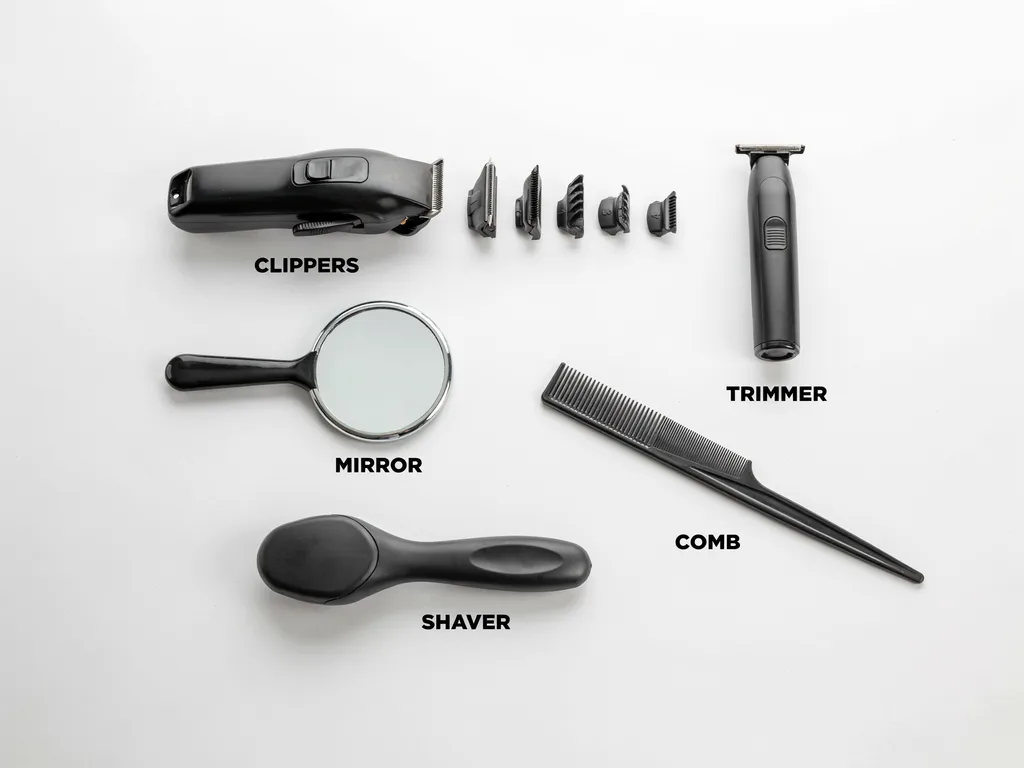
Look at the fade in good light from both sides and the back (use a hand mirror). Bad fades almost always fall into one of these:
- Lines / a bucket look — hard steps between guard lengths that weren't blended.
- Patches / bald spots — small areas cut shorter than the rest.
- Uneven sides — the fade starts higher or is darker on one side.
- Too high — the fade climbs past temple level, so a "mid" became a high fade.
- Bad neckline — a crooked or too-high blocked line at the back.
Each has a different fix.
Fixing lines (the most common issue)
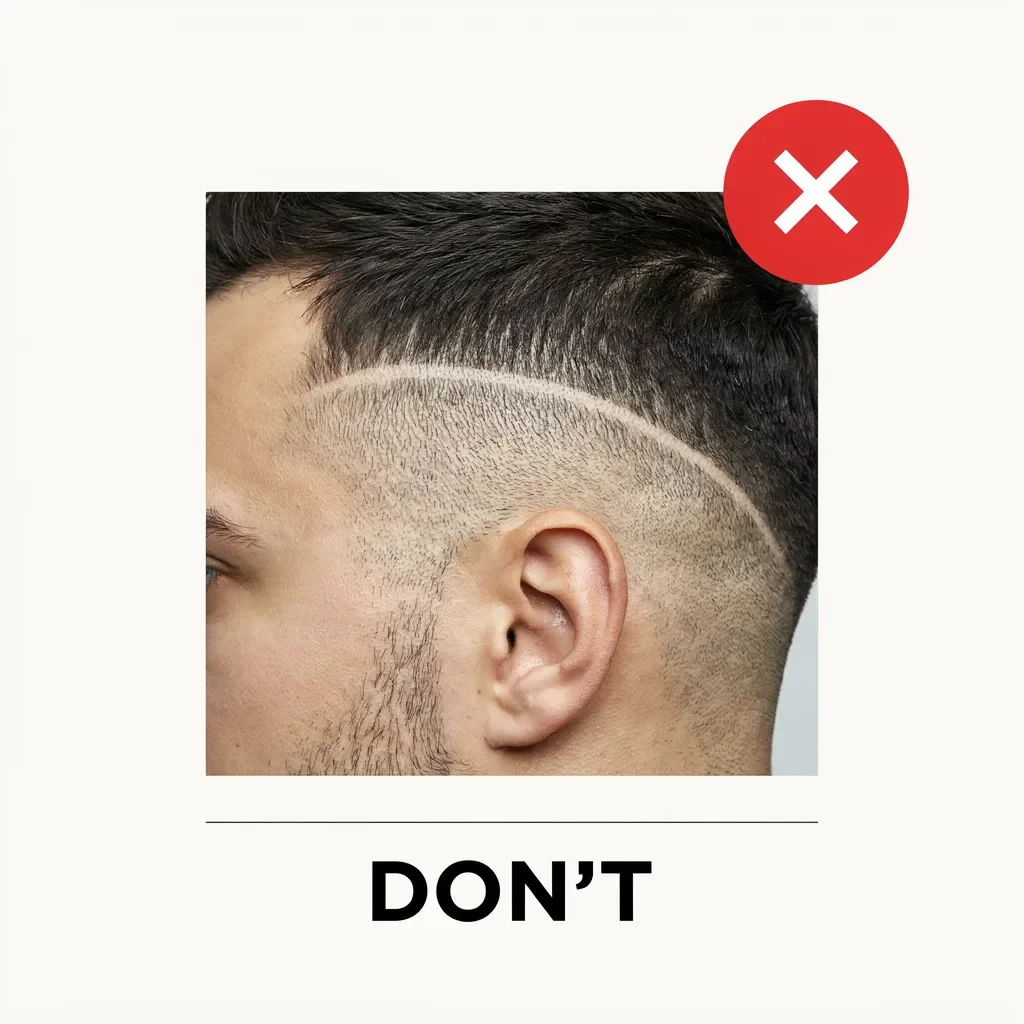
Lines mean the steps between guard lengths weren't blended. This is the most fixable problem:
- Identify the line where two lengths meet.
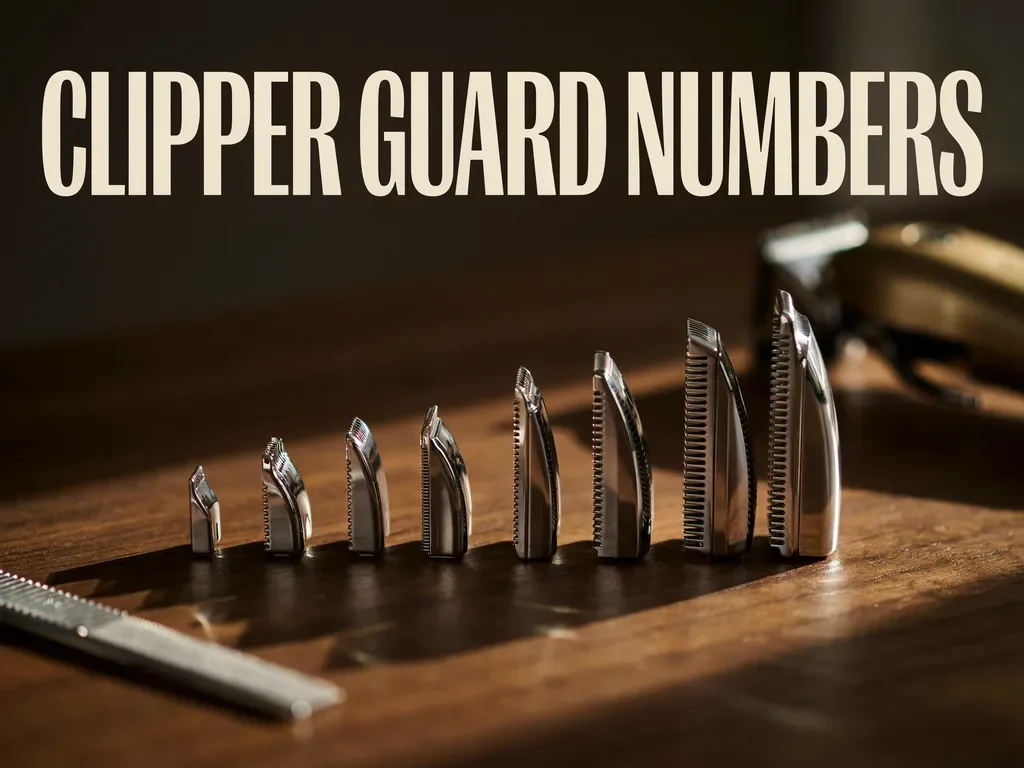
- Take the guard one size down from the higher section.
- Flick the clipper up and out along the line, feathering it.
- Use a half-guard/lever step to smooth the jump.
- Repeat until the line disappears, checking in the light.
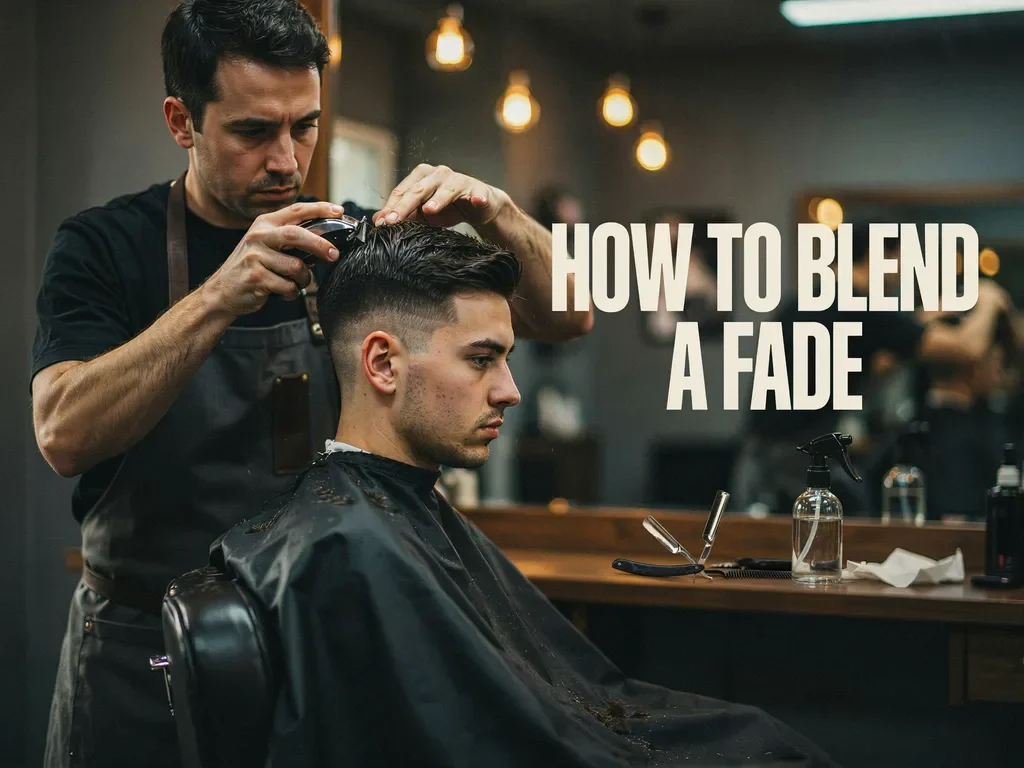
For the full method, see our How to Blend a Mid Fade guide.
Fixing uneven sides
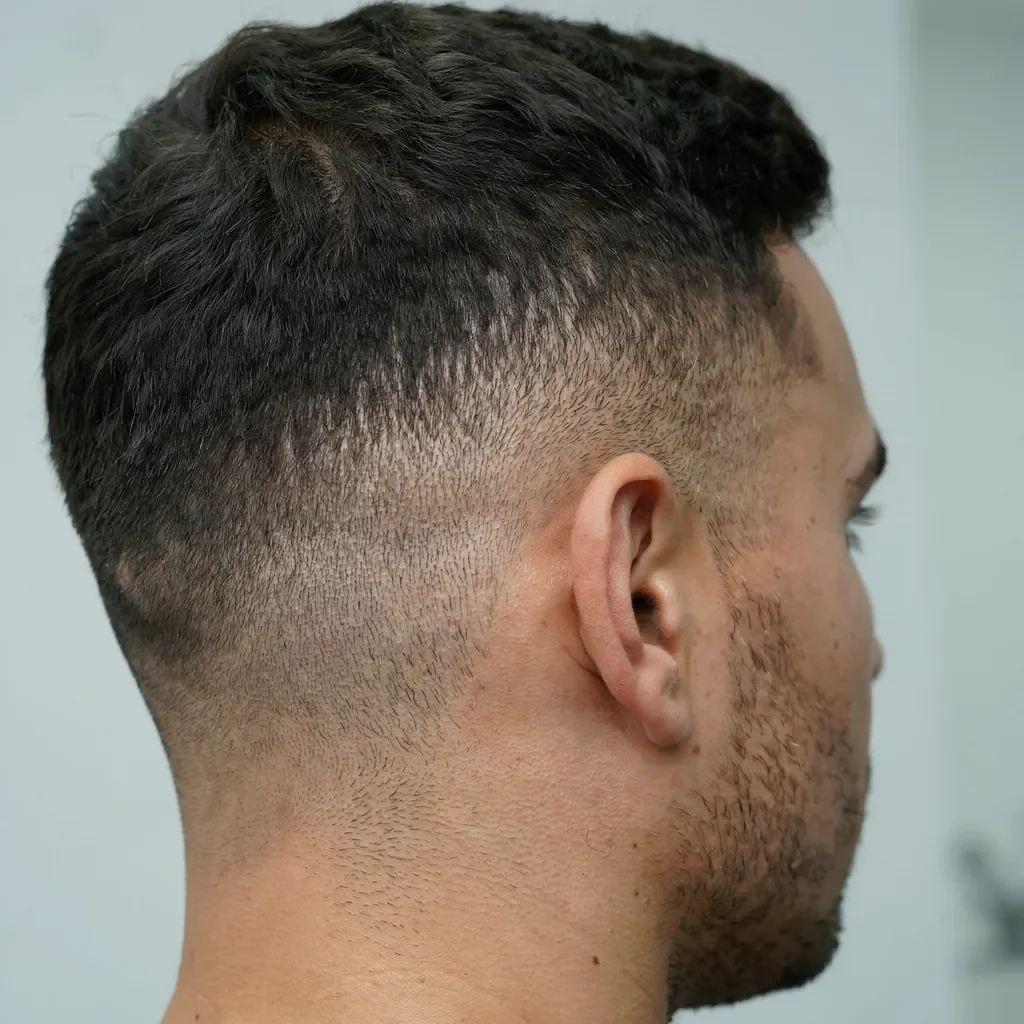
If one side starts higher or looks darker:
- Match the higher side to the lower one is usually impossible (you can't add hair), so instead bring the lower/longer side up to match the shorter one — carefully take a little more off the fuller side until both start at the same height and blend the same.
- Compare constantly, small passes only. It's easy to overcorrect and make it worse.
If the difference is large, this is a job for a barber — over-correcting at home often makes both sides too short.
Fixing patches and bald spots
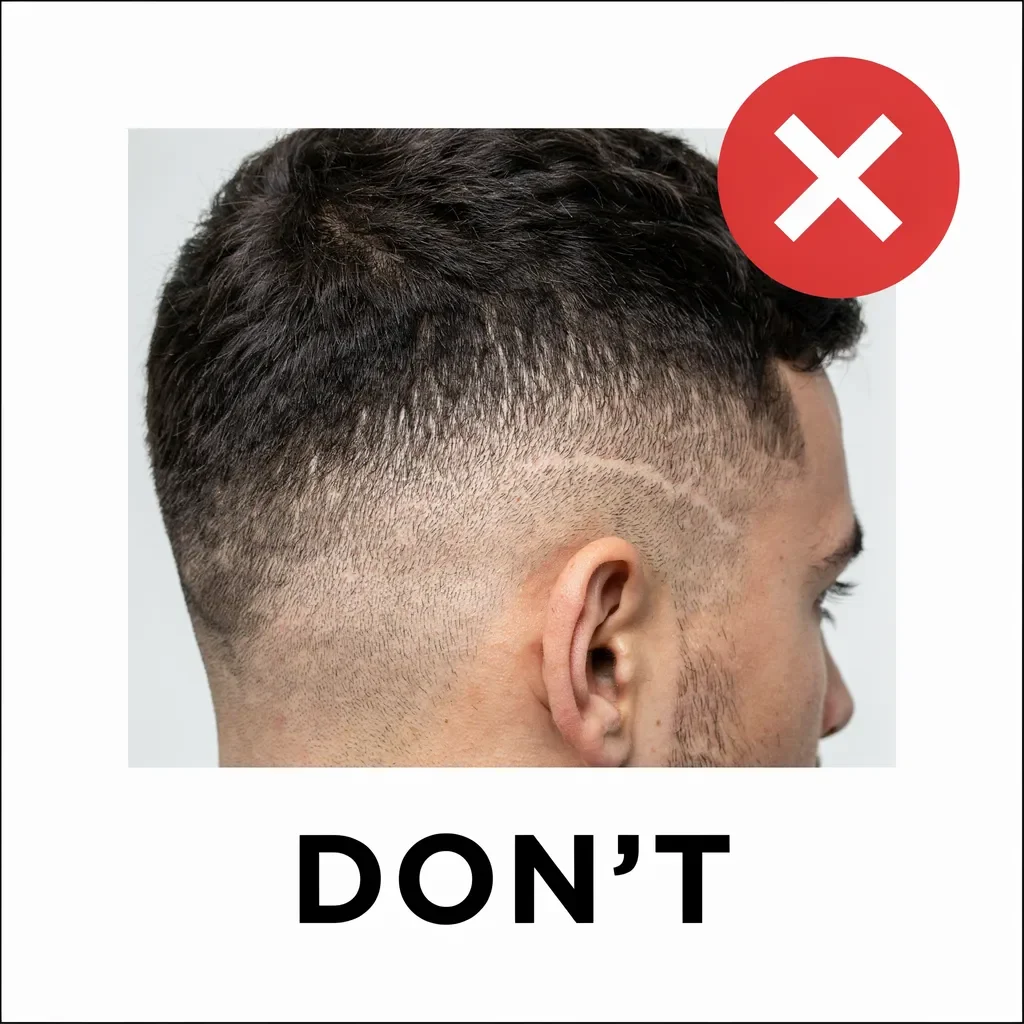
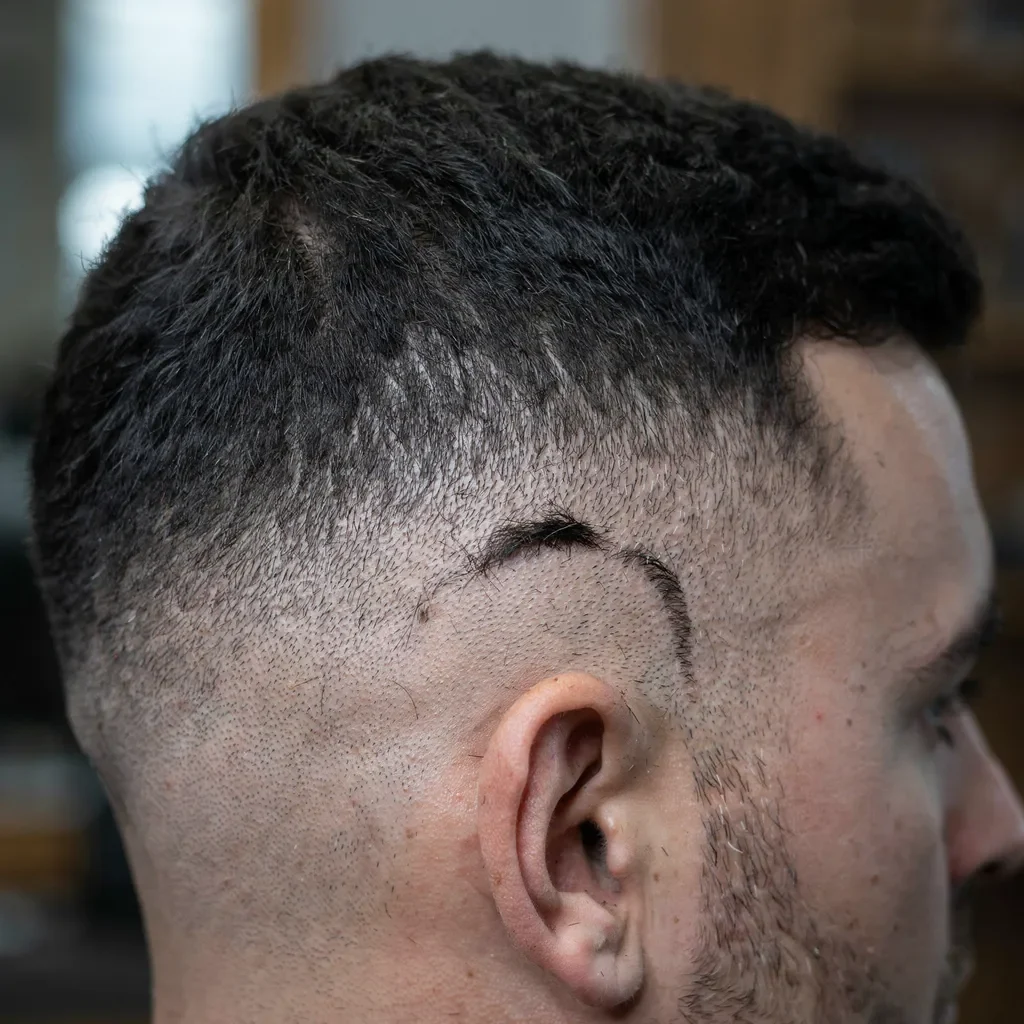
A patch is hair cut shorter than its surroundings — and you can't put it back. The only real fix is to blend the area around it down so the patch is less obvious, or, for a small patch, blend the whole section slightly shorter to even it out. Then let it grow. For a visible patch, a barber can often disguise it by adjusting the fade; otherwise, time is the cure.
Fixing a fade that's too high
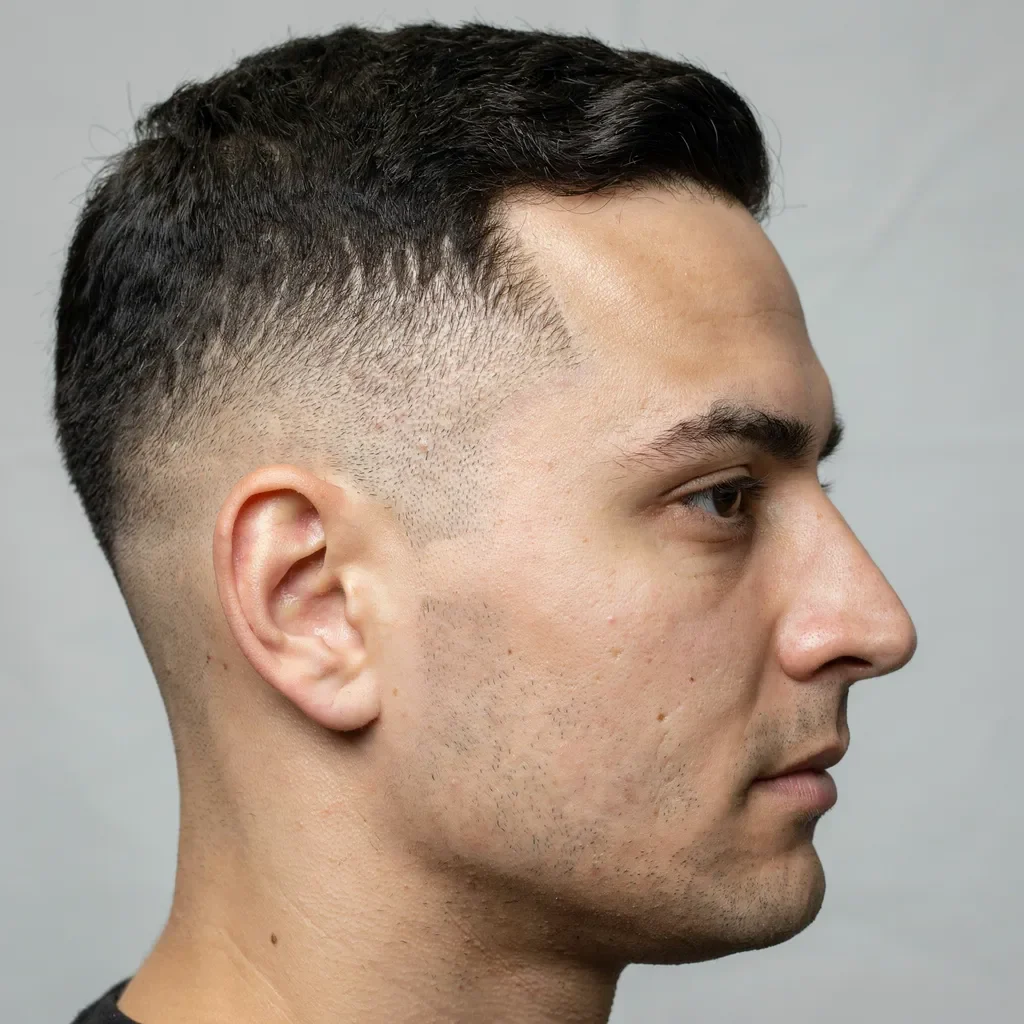
If the fade went above temple level, you have a high fade, not a mid. You can't lower a fade line (the hair below it is already short). Options:
- Accept it as a high fade for now, or ask a barber to reshape it into the cleanest high fade possible.
- Wait for regrowth — in a couple of weeks the lower sections grow and you can have it re-cut as a true mid fade.
Prevention next time: tell your barber "keep the fade at temple level, no higher." See our Where Does a Mid Fade Start guide.
Fixing a bad neckline
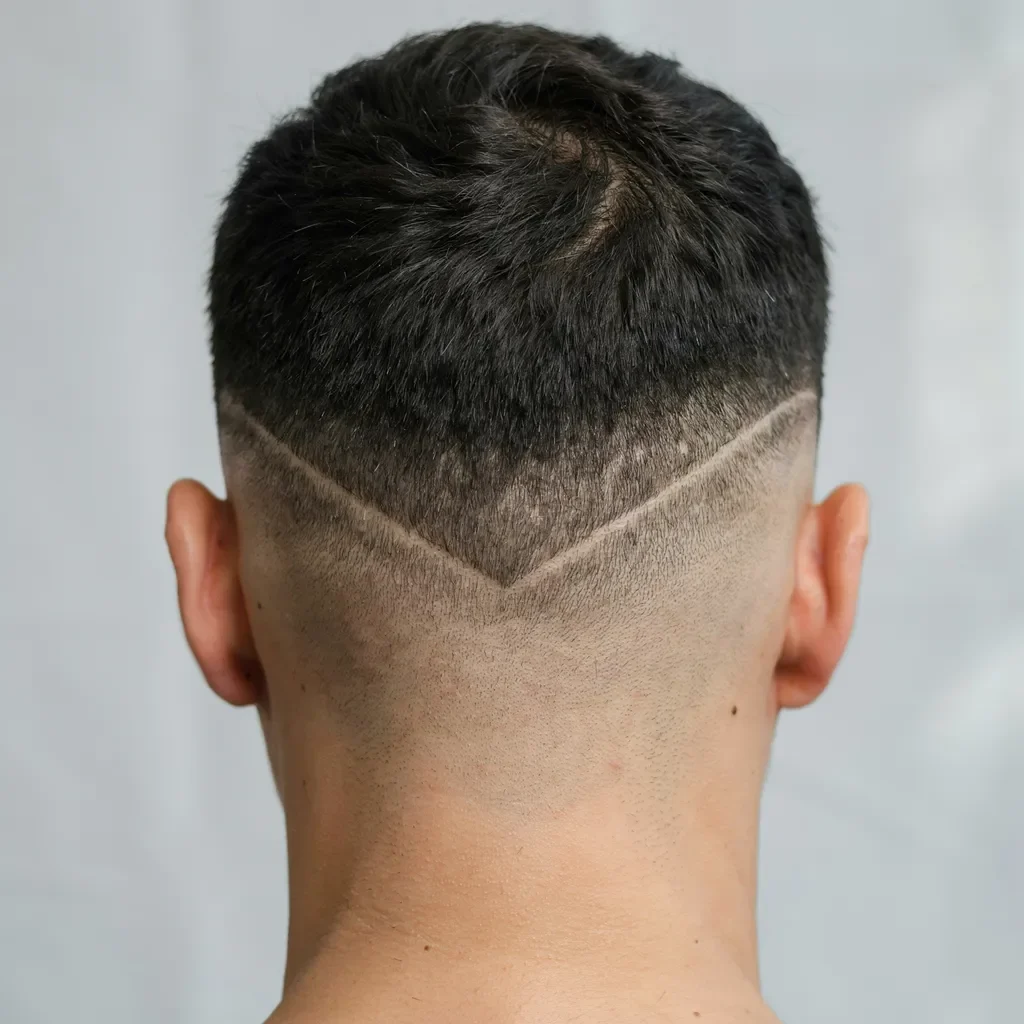
A crooked or too-high blocked neckline is common. The safest fix is to fade it out into a natural neckline rather than trying to re-cut a straight line (which usually climbs higher and makes it worse). A natural neckline hides unevenness and grows out cleanly.
When to just see a barber
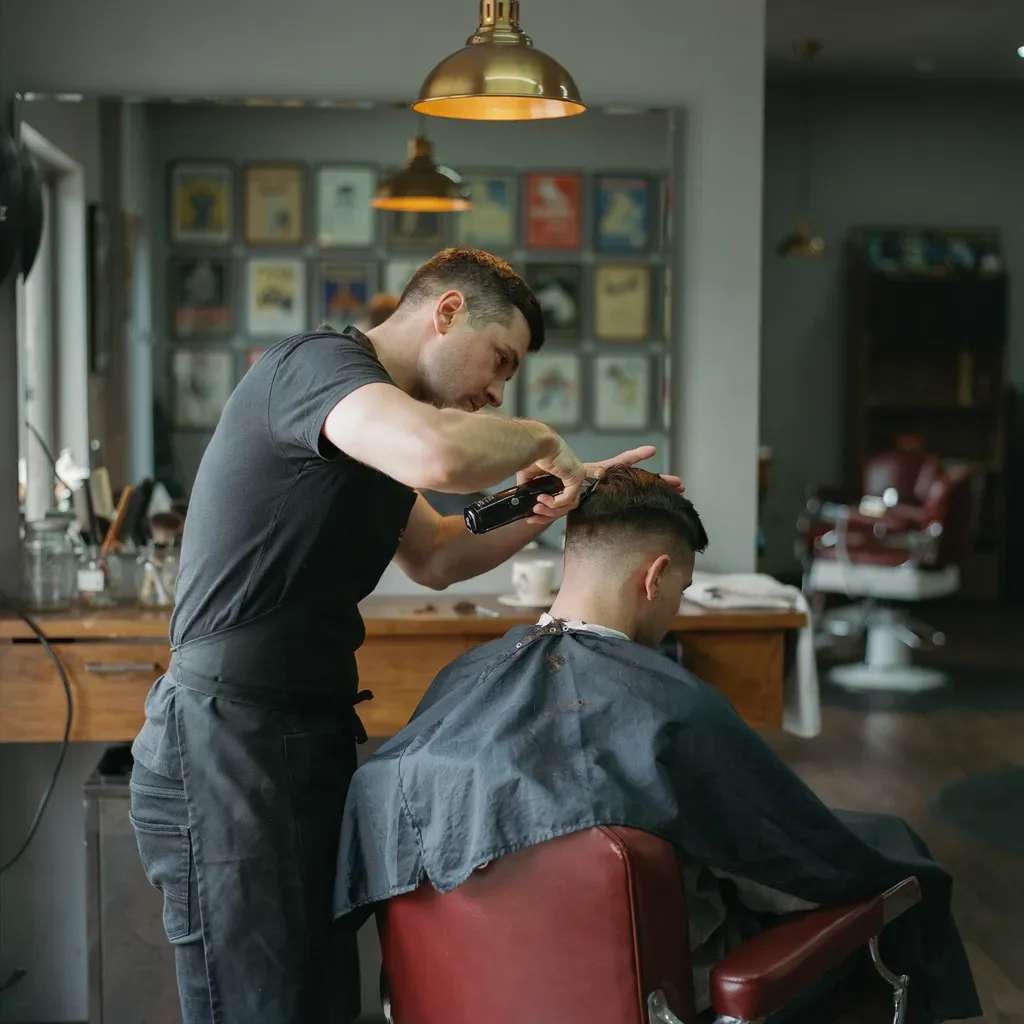
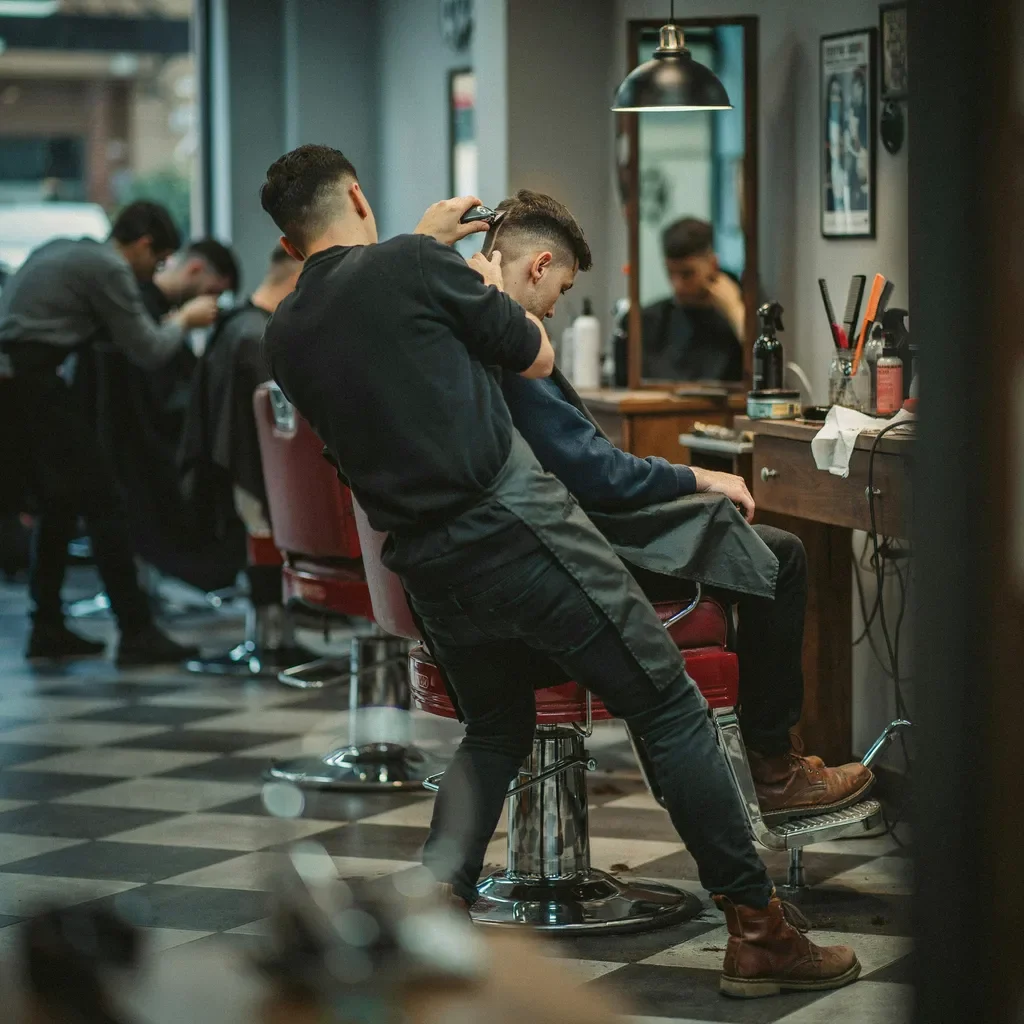
Go to a barber if: the sides are badly uneven, there's a large patch, the fade is much too high, or you're not confident with clippers on the back of your head. Barbers fix bad fades daily and can usually rescue a cut you'd think was ruined — often just by blending everything down a touch to even it out.
The bottom line
Diagnose first: lines and minor unevenness are re-blendable at home by flicking with the next guard down; patches and a too-high fade can't be reversed, so blend the surroundings to match and let it grow. For anything major — big unevenness, patches, or a fade gone way too high — a barber can usually save it. Next time, specify "mid fade, temple level, blended clean" to avoid a repeat.
Frequently asked questions
How do you fix a bad mid fade? Diagnose the problem first. Re-blend visible lines by flicking the next guard down along them. Even out sides with small careful passes. Patches and a too-high fade can't be reversed — blend the surroundings to match and wait for regrowth, or see a barber.
Can you fix a fade that's too high? You can't lower a fade line because the hair below it is already short. Either reshape it into a clean high fade for now, or wait a couple of weeks for regrowth and have it re-cut as a true mid fade.
How do you fix lines in a fade? Take the guard one size down from the higher section and flick the clipper up and out along the line, then smooth the jump with a half-guard step. Repeat until the line disappears.
Can a barber fix a bad fade? Yes. Barbers rescue bad fades daily, often by blending everything down slightly to even it out. For big unevenness, patches, or a fade cut too high, a barber is the safest fix.
How do you fix an uneven fade? Bring the fuller/longer side up to match the shorter side with small, careful passes, comparing constantly. You can't add hair back, so never try to lower the higher side — even it down instead, or see a barber if the gap is large.
About the Author
Daniel Reyes got his first mid fade almost by accident. He asked his barber for “just a fade” and got one that started right at temple level. It became the cut he kept going back to, so he built mid-fade.com to cover it properly instead of burying it in generic fade lists.