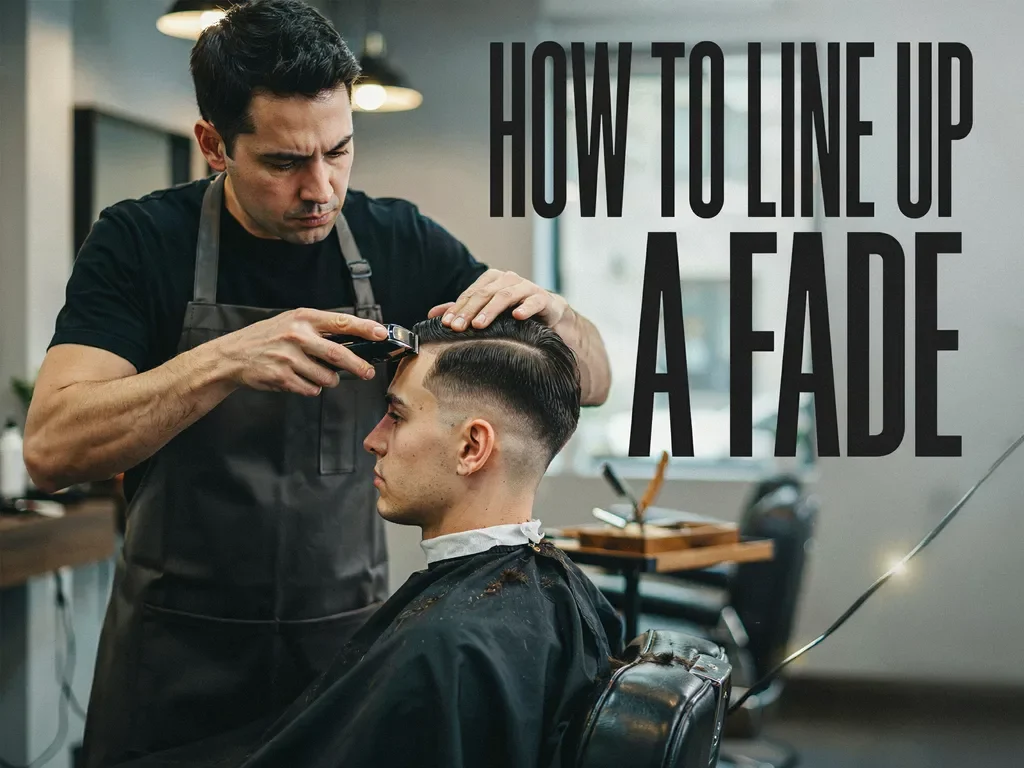
Mid Fade Grow-Out Timeline: What to Expect Week by Week

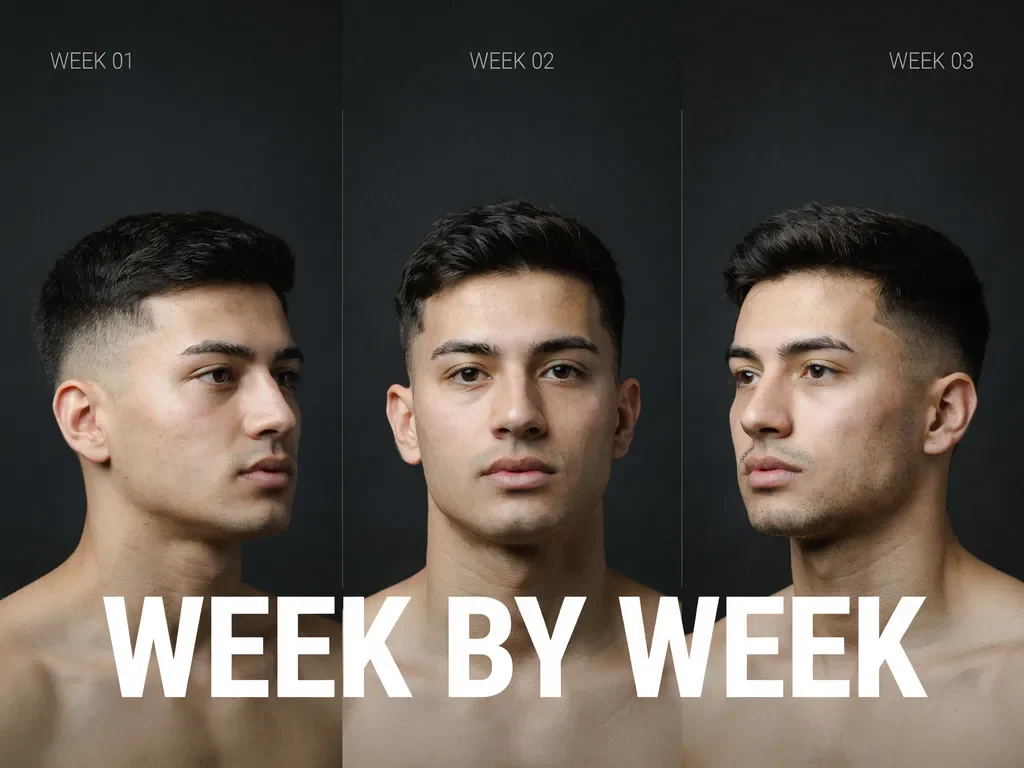
Quick answer: A mid fade looks sharpest in the first few days after cutting and then softens gradually. By week 2 the line is still clean but slightly less crisp; by week 3 to 4 it reads as a settled, less dramatic fade; past week 5 the contrast that defines a fade largely disappears and it starts looking like a regular tapered haircut. Exactly how fast this happens depends on your hair growth speed and how deep the fade was cut.
Knowing this timeline in advance helps with two things: deciding when to book your next cut, and not panicking in week 2 when the fade looks slightly different from the photo you showed your barber on day one. Some softening is normal and expected, it’s not a sign anything went wrong.
Days 1 to 3: peak sharpness
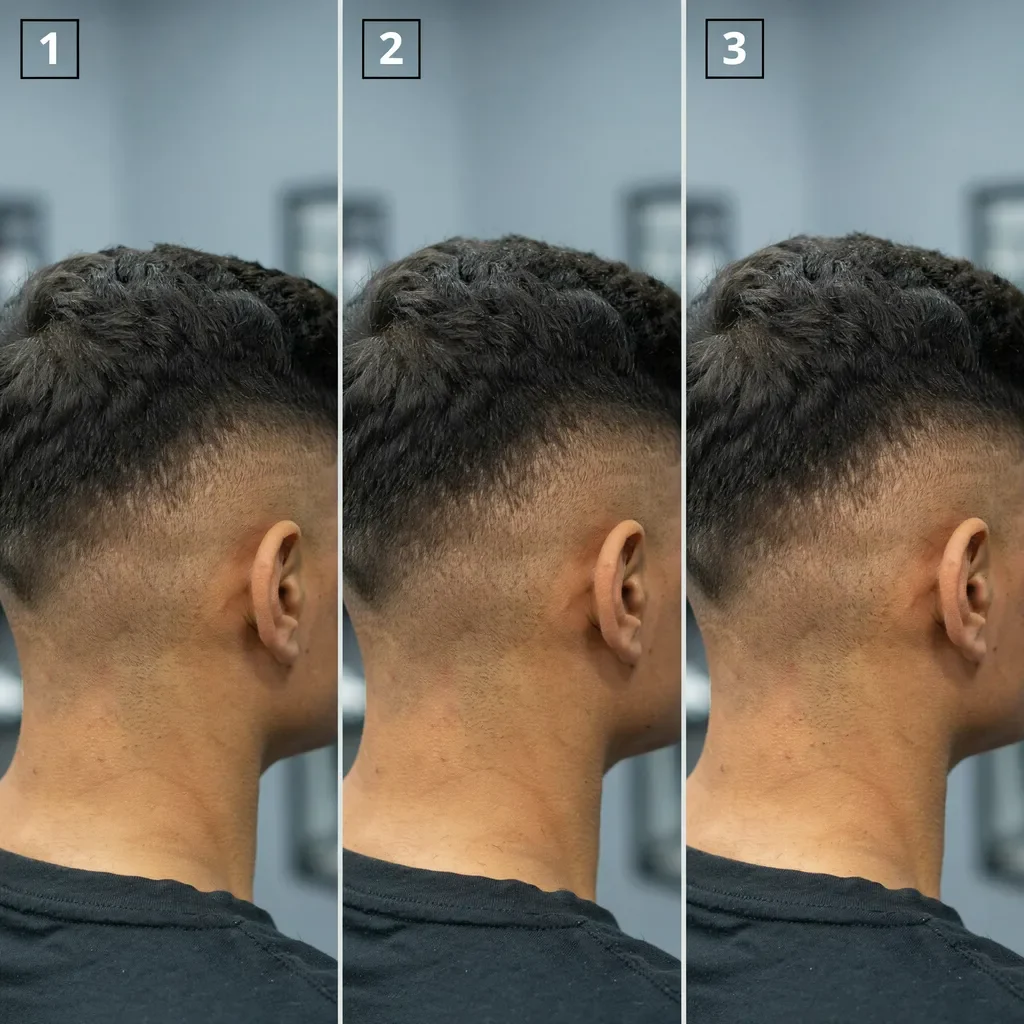
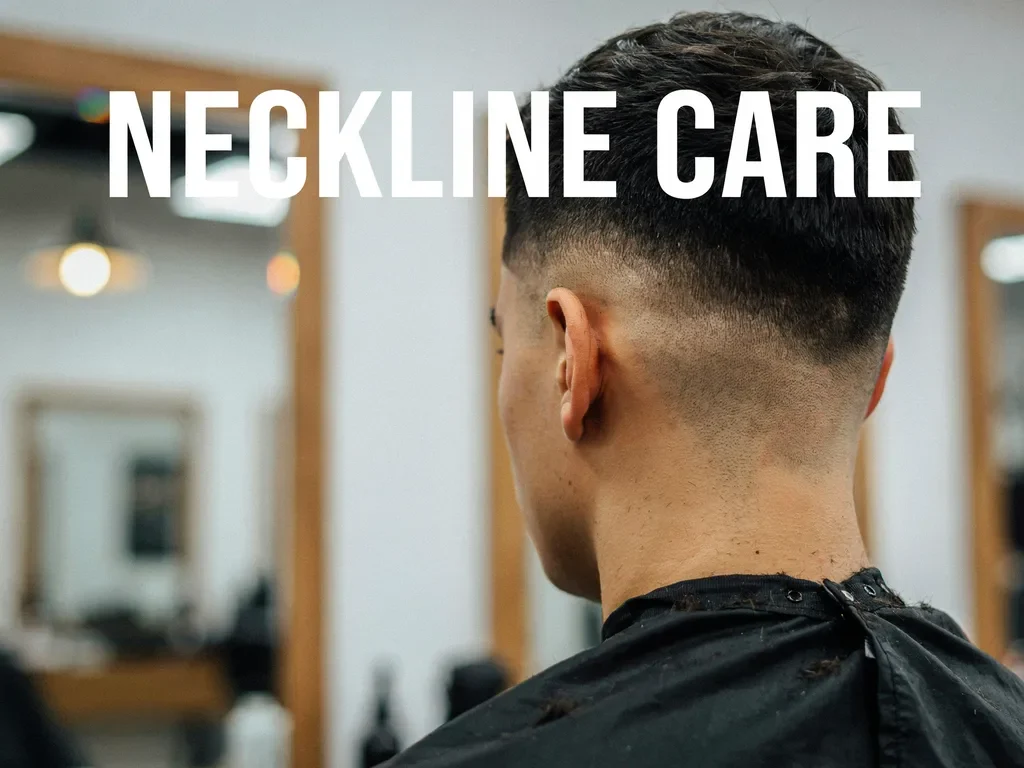
This is what the haircut is supposed to look like. The transition from skin (or short hair) to length is crisp and high-contrast, the neckline is clean, and every line is exactly where the barber left it. If you’re taking “after” photos for reference later, this is the window to do it in.
Days 4 to 7: barely noticeable change
Most men can’t visually detect a difference yet, though the very fastest-growing hair types might start to show the faintest softening right at the very end of this window. For the vast majority of people, week 1 still looks essentially identical to day 1.
Week 2: the first real shift
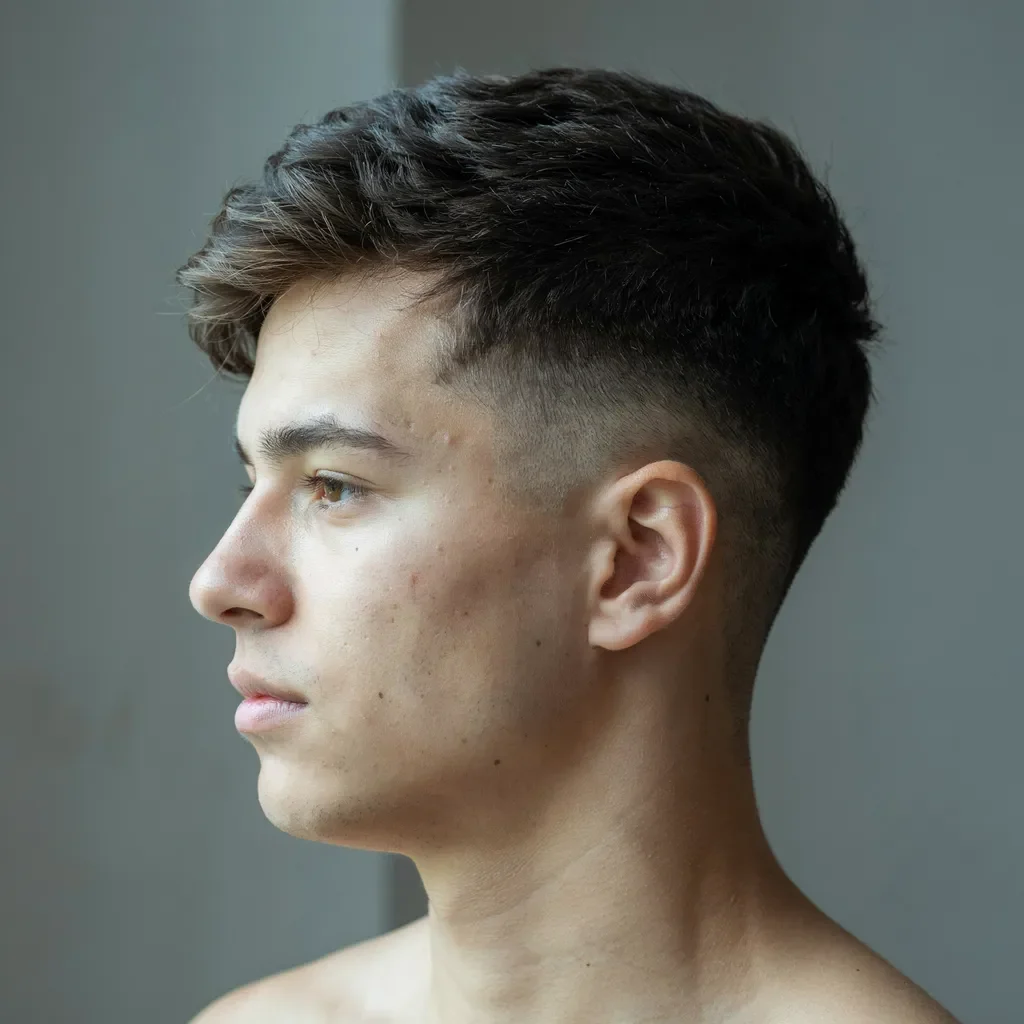
This is usually when the change becomes visible if you’re someone with average-to-fast hair growth. The skin-to-hair transition, if you went bald at the bottom, starts showing a very short shadow instead of bare skin. The line itself is still readable and the haircut still looks deliberate, it’s just no longer razor-fresh. For a non-bald fade, this stage is often barely noticeable at all, because there was no “zero” starting point to grow away from.
Week 3: settled but still a fade
By this point most fades have visibly softened. The high-contrast skin line has usually filled in somewhat if it was bald, and the overall silhouette is a little less sharp. This is the stage a lot of men actually prefer day-to-day, since it looks intentional and low-maintenance without looking freshly cut. If you’re on a 3-week cutting schedule, this is roughly what your haircut looks like right before your next appointment.
Week 4: the tipping point
This is where things start to diverge depending on your specific hair. Slower-growing hair can still look like a legitimate, if soft, fade at 4 weeks. Faster-growing or coarser hair has often lost enough contrast by now that the “fade” quality is fading into a general short-back-and-sides look. The neckline and sideburns are usually the first areas to look genuinely overgrown, even before the fade blend itself does.
Week 5 and beyond: no longer reads as a fade
Past this point, for most hair types, the length difference between the shortest and longest sections has shrunk enough that the haircut no longer has the visual “fade” quality, it’s closer to a uniform, slightly long tapered cut. This isn’t a problem if that’s the look you’re going for on purpose (some men deliberately grow a fade out into something longer and different), but if you want to maintain the mid fade specifically, this is well past the point where a fresh cut is overdue.
What actually determines your personal timeline
Two things move this whole schedule earlier or later:
- Hair growth speed. Faster-growing hair compresses this entire timeline, someone with fast growth might hit “week 3 softening” by their actual week 2. Slower growth stretches it the other way.
- Original depth. A fade taken to bare skin has zero buffer and shows every bit of regrowth immediately. A fade that stopped at a short-but-visible length has a built-in cushion, since it takes longer for that short length to grow enough to blend with the rest.
Can you slow the visible softening down?

Not the underlying hair growth, but you can manage how it looks. A light at-home trim around the neckline and sideburns between full cuts keeps the fastest-growing, most-visible areas looking tidy even as the main blend softens. Some men also use a small amount of matte product to add texture on top, which draws visual attention away from the fade line as it fills in.
The bottom line
A mid fade has a predictable lifecycle: sharpest in the first few days, still clean through week 2, visibly softer by week 3 to 4, and largely lost as a distinct “fade” look past week 5 for most hair types. Knowing where you are in that timeline is more useful than any fixed rule about how often to cut, book your next appointment based on how the line actually looks, not just a number of weeks on a calendar.
Frequently asked questions
How long does a mid fade look sharp after cutting? The sharpest window is roughly the first 3 to 7 days. After that it starts softening gradually, with the pace depending on hair growth speed and how deep the fade was cut.
When does a mid fade start looking overgrown? Most men notice real softening by week 3 to 4. Past week 5, the contrast that defines a fade has usually faded enough that it no longer reads as a distinct fade haircut.
Does a bald mid fade grow out faster-looking than a non-bald one? Yes. A bald finish has no buffer length, so any regrowth is immediately visible as stubble. A non-bald fade has some built-in length already, so it takes longer to visibly change.
Can you keep a mid fade looking sharp longer without a full haircut? Somewhat. Trimming the neckline and sideburns at home between full cuts keeps the fastest-growing areas tidy, though it won’t refresh the main fade blend itself.
What does a mid fade turn into if you let it grow out completely? Without maintenance, it gradually loses its fade quality and becomes a uniform, longer, tapered haircut, since the length difference that created the fade effect shrinks as the shorter sections grow.
About the Author
Daniel Reyes got his first mid fade almost by accident. He asked his barber for “just a fade” and got one that started right at temple level. It became the cut he kept going back to, so he built mid-fade.com to cover it properly instead of burying it in generic fade lists.