Mid Fade Touch-Up Guide: What You Can (and Can’t) Fix at Home

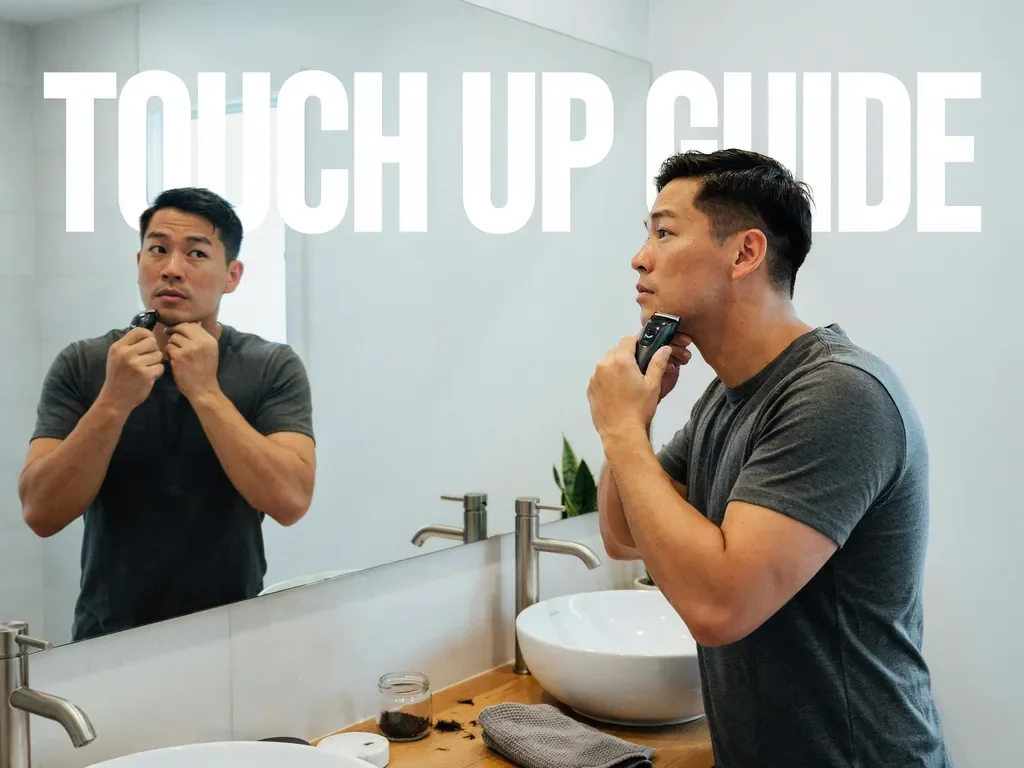
Quick answer: Between full barbershop cuts, it’s safe to touch up the neckline, sideburns, and any obvious stray hairs at home with a trimmer. It is not a good idea to try to re-blend the fade itself, that requires guard-switching technique that’s easy to get wrong and hard to fix once it’s uneven. Think of a touch-up as light maintenance, not a mini haircut.
A full mid fade appointment refreshes the entire blend, but that blend doesn’t degrade evenly. The neckline and sideburns grow noticeably faster-looking than the main fade transition, which means they often need attention well before the rest of the haircut does. Knowing which parts are safe to manage yourself, and which aren’t, keeps the haircut looking sharp longer without risking a mistake you’ll have to explain to your barber.
What’s safe to touch up yourself
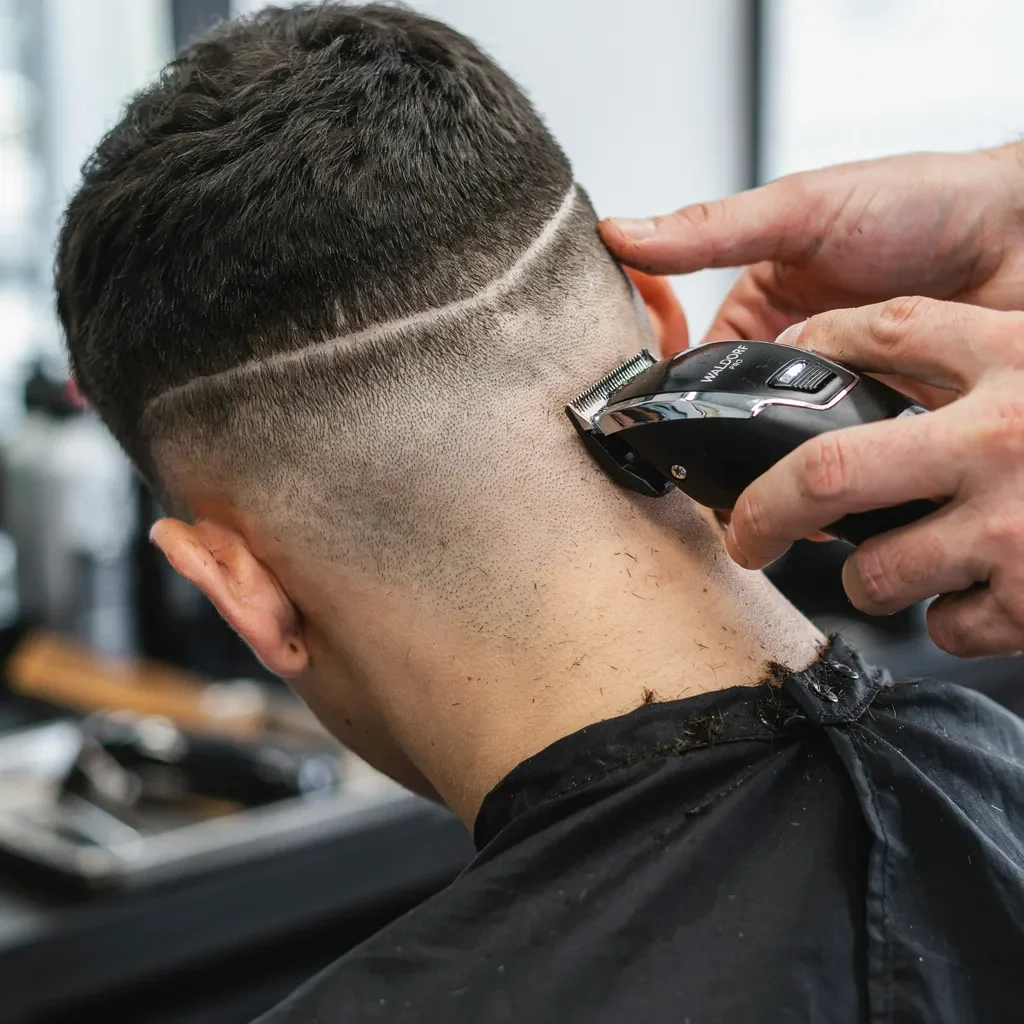

The neckline. This is the single most common area men trim between cuts, and for good reason, it grows in noticeably within a week or two and is easy to reach with a trimmer and a mirror (or a second mirror for a back view). Follow your existing neckline shape rather than trying to redesign it; the goal is maintaining the line your barber already cut, not changing it.
Sideburns. Similarly straightforward. Trim to match the length they were left at during your last cut, working slowly and checking both sides for symmetry as you go.
Stray hairs and obvious flyaways. If a few hairs are clearly sticking out past the rest of the fade line, especially right after washing, a quick pass with scissors or a trimmer on its highest guard can clean these up without touching the blend itself.
What you should leave to a barber
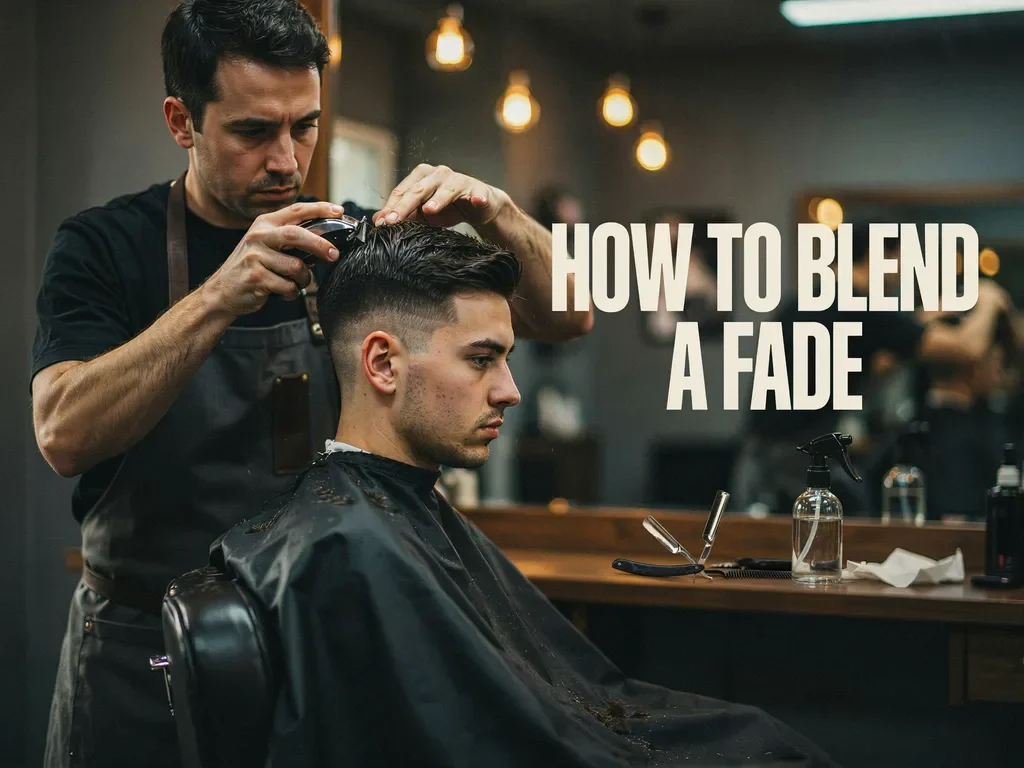
Re-blending the fade transition. This is the part that requires switching between multiple guard lengths at precise angles to create the gradual, seamless look of a proper fade. Attempting this at home with the wrong guard, wrong angle, or in the wrong direction is the most common way a touch-up turns into an accidental haircut mistake. If the fade line itself has softened, that’s a sign you’re due for a full cut, not a DIY fix.
Changing the fade height. Some men try to “extend” a fade higher up the head between cuts to make it look fresher. This almost always creates a visible line where the old and new fade heights meet, which looks worse than a slightly softened original fade. Leave placement changes to your barber.
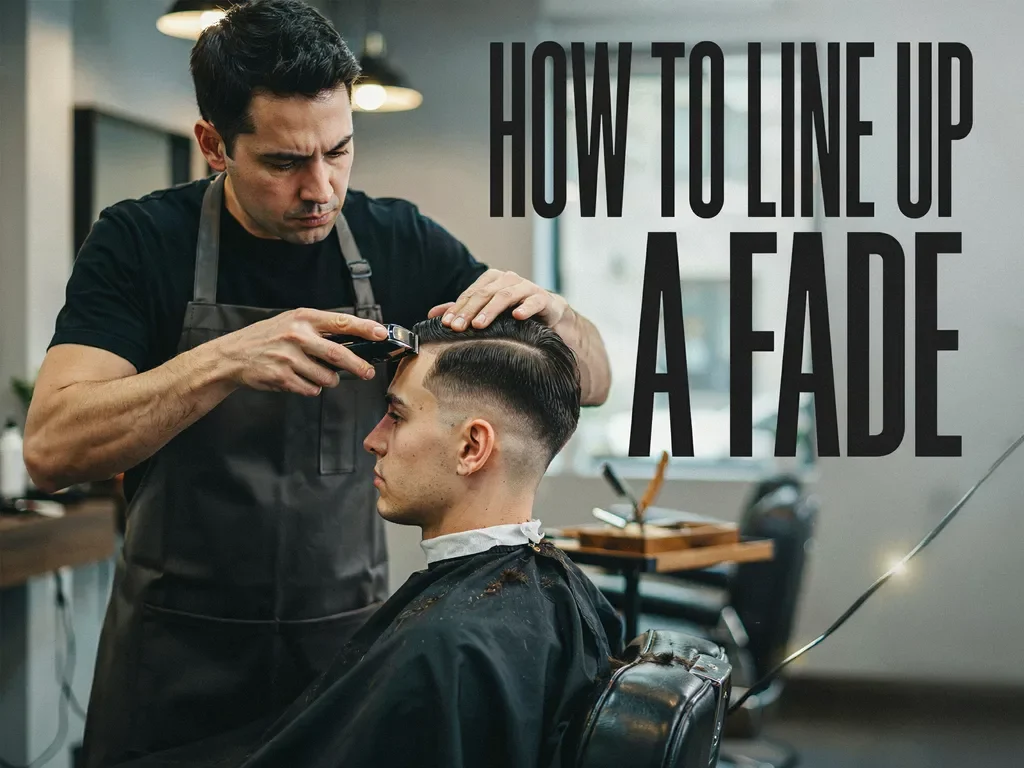
Anything involving a razor. If your fade includes a razor-sharp line at the front hairline, don’t attempt to recreate that at home. A slightly soft hairline is far less noticeable than a crooked or uneven razor line from an inexperienced hand.
The right tools for a safe touch-up
A basic cordless trimmer with adjustable guard lengths is enough for neckline and sideburn work, you don’t need anything close to barbershop-grade equipment for this level of maintenance. Two mirrors (one handheld, facing a wall mirror) make the back of the neckline visible and manageable. Good lighting matters more than people expect; touch-ups done in dim bathroom lighting are far more likely to end up uneven once seen in daylight.
A simple touch-up routine
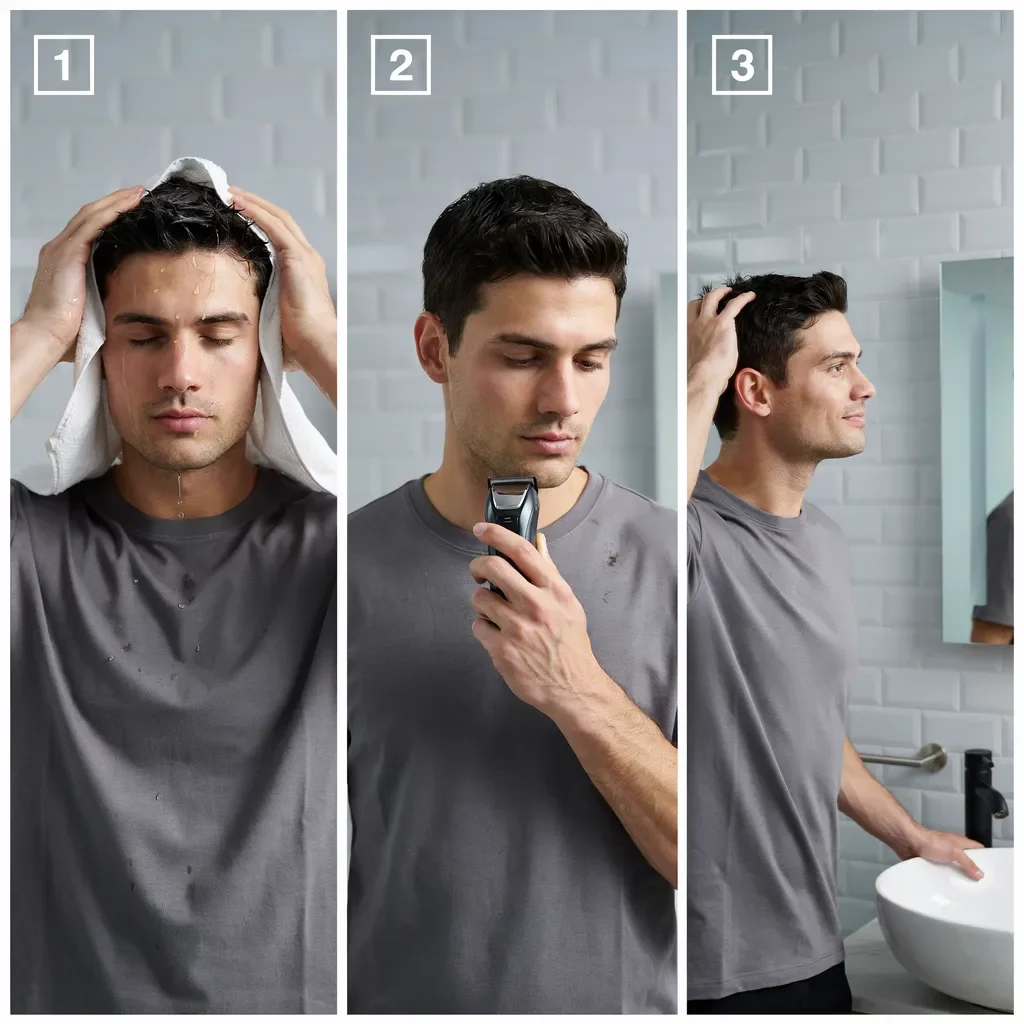
- Wash and fully dry the hair first, trimming wet hair gives an inaccurate read on the actual finished length.
- Set the trimmer guard to match (or go one size longer than) what was used at your last cut, if you’re unsure.
- Start with the neckline, following the existing shape from bottom to top in short, light passes rather than one long stroke.
- Move to the sideburns, checking both sides against each other frequently rather than finishing one side fully before starting the other.
- Do a final check under good lighting, ideally natural daylight, before considering it done.
How often should you touch up between full cuts?
Roughly once a week is reasonable if you’re on a 3 to 4 week cutting schedule, since the neckline and sideburns are the areas that visibly outgrow the rest of the haircut fastest. If you’re getting full cuts every 2 weeks, you likely won’t need a touch-up at all in between.
What if a touch-up goes wrong?
If the neckline or sideburns end up uneven, resist the urge to keep trimming to “fix” it, this is how small mistakes turn into bigger ones. A slightly uneven neckline is easy for a barber to correct and clean up at your next appointment; a heavily over-trimmed one takes longer to grow back to a fixable length. If it’s noticeably off and your next appointment isn’t for a while, it’s reasonable to book an earlier visit specifically to have it corrected.
The bottom line
A mid fade touch-up is about managing the areas that grow fastest, the neckline and sideburns, not attempting to redo the fade blend itself. With a basic trimmer, good lighting, and a light touch, you can meaningfully extend how sharp the haircut looks between full appointments. The moment a touch-up starts feeling like it requires reshaping the actual fade, that’s the signal to book a real appointment instead.
Frequently asked questions
What parts of a mid fade are safe to trim at home? The neckline, sideburns, and any obvious stray hairs are generally safe to touch up at home with a basic trimmer, since they’re straightforward areas without the blending technique the main fade requires.
Can you re-blend a fade yourself between cuts? It’s not recommended. Blending requires switching between guard lengths at specific angles, and getting it wrong is the most common way an at-home touch-up turns into a visible mistake.
How often should you do a touch-up between barbershop visits? Roughly once a week works well for a 3 to 4 week cutting schedule, since the neckline tends to need attention before the rest of the fade does. Shorter cutting schedules may not need a touch-up at all.
What tools do you need for a mid fade touch-up? A cordless trimmer with adjustable guards is enough for neckline and sideburn maintenance. Good lighting and a second mirror for viewing the back of your neck make a noticeable difference in accuracy.
What should you do if a home touch-up looks uneven? Stop trimming rather than trying to fix it further, since repeated correction attempts usually make it worse. A slightly uneven area is easy for a barber to clean up at your next visit.
About the Author
Daniel Reyes got his first mid fade almost by accident. He asked his barber for “just a fade” and got one that started right at temple level. It became the cut he kept going back to, so he built mid-fade.com to cover it properly instead of burying it in generic fade lists.