Mid Fade for Beginners: Your First One, Explained Simply

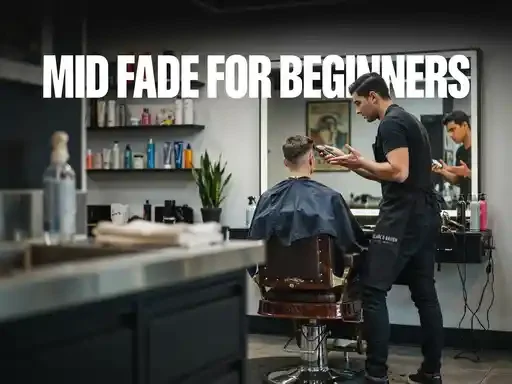
Quick answer: If you’ve never had a fade before, a mid fade is a genuinely good starting point, not too dramatic, not too subtle, and forgiving if you’re unsure about specifics. Bring a reference photo, ask for a non-bald finish for a gentler first experience, choose a simple, low-maintenance top style to start, and don’t be afraid to ask your barber questions during the cut if you’re unsure what’s happening.
Getting your first fade can feel like there’s a lot of specialized terminology and technique to understand before you even sit in the chair. In practice, it’s more straightforward than it might seem, and a mid fade specifically is one of the more approachable starting points.
Why mid fade specifically is a good first choice
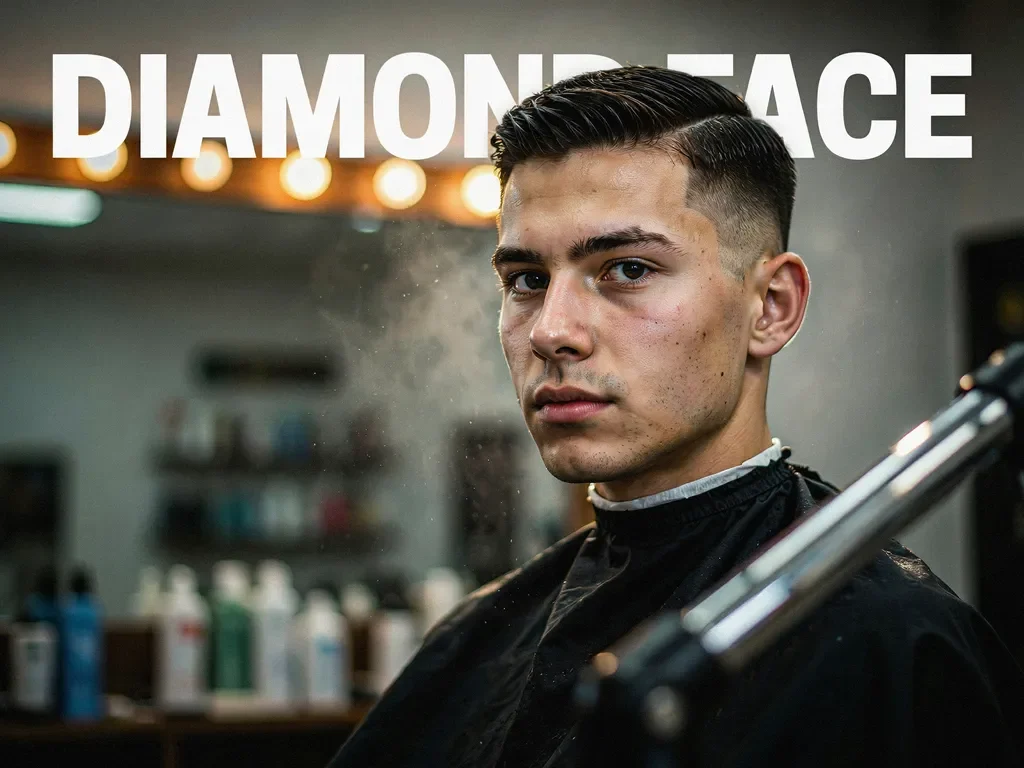
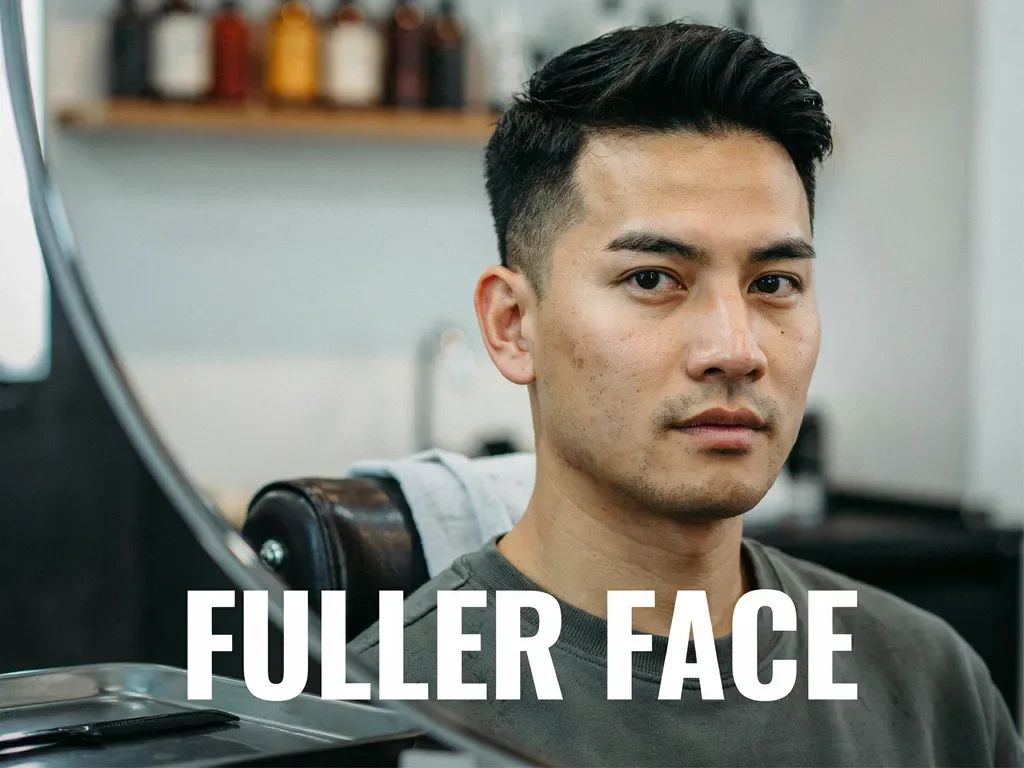
It sits in a comfortable middle ground, not as subtle as a low fade, which some men find barely reads as a real fade, and not as bold as a high fade, which is a bigger visual change from a standard haircut. The temple-level placement is also one of the more universally flattering options across face shapes, making it a safe choice if you are not sure yet what specifically suits you.
What to actually say to your barber
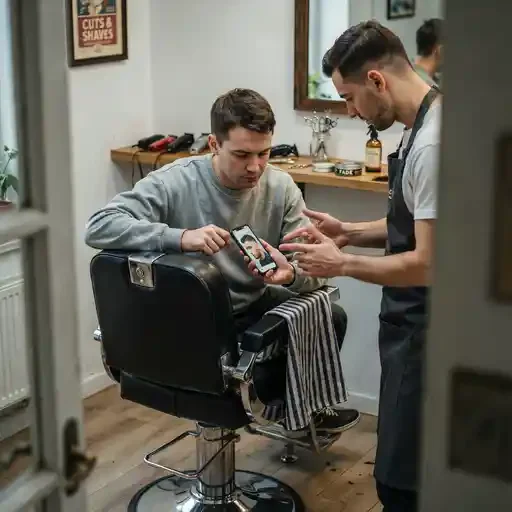
You do not need extensive technical vocabulary. Something simple works fine: “I would like a mid fade, start the fade around my temple, and keep however much length on top.” If you have a reference photo, showing it removes any ambiguity about exactly what you are picturing, which is genuinely one of the most useful things a first-timer can do.
Should your first fade be bald or non-bald?
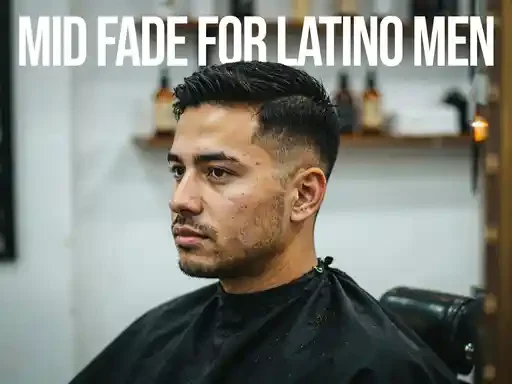
For a first fade, many people find a non-bald finish, stopping short of bare skin, a gentler starting point. It is slightly less dramatic, a bit more forgiving as it grows out, and gives you a chance to see how you feel about the overall style before committing to the sharper, higher-contrast bald version on a future visit if you decide you want it.
Choosing your first top style
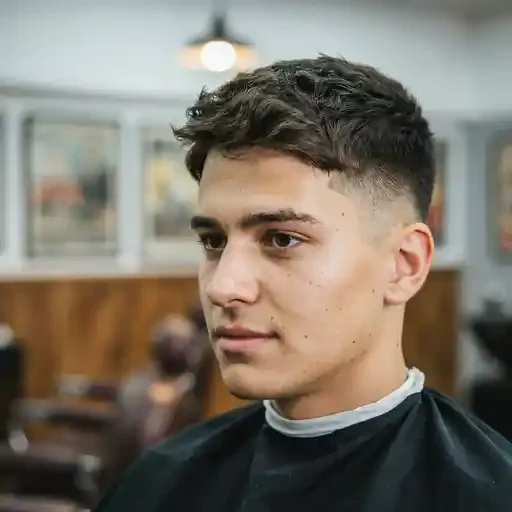
Keep it simple for your first fade. A textured crop or French crop requires minimal daily styling and looks clean without much effort, letting you get used to the fade itself before adding more complex daily styling routines like a quiff or pompadour into the mix. You can always try a more involved top style on a future visit once you know you like the fade.
What actually happens during the appointment
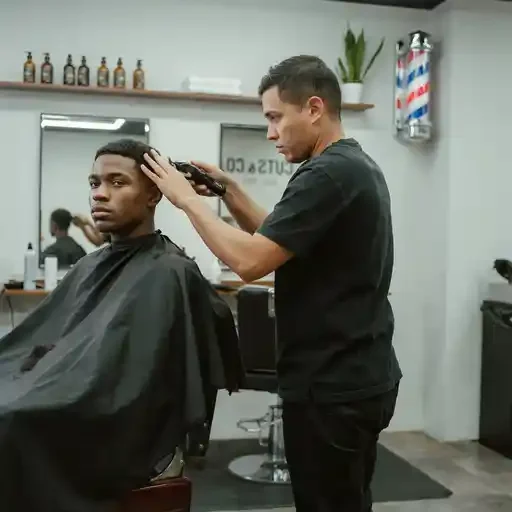
Your barber will typically ask about your preferred length on top and confirm the fade height before starting. They will use clippers with different guard sizes, working from shorter at the bottom to longer moving up, blending between them to create the gradual transition. This part takes some time and precision, do not be surprised if it takes longer than a simple, non-faded haircut. The top is usually cut last, after the fade blend is established.
Is it okay to ask questions during the cut?
Yes, completely. If you are unsure what is happening, or want to check in about the direction things are going partway through, most barbers are used to and comfortable with clients asking questions, especially first-timers. It is much easier to make a small adjustment mid-cut than to be unhappy with something after you have already left.
Common first-timer concerns
What if I do not like it? A fade, especially a non-bald mid fade, is one of the more forgiving styles to grow out or adjust at your next appointment if it is not quite what you expected, it is not a dramatic, hard-to-reverse change.
How do I know what length to ask for on top? If you are unsure, err on the side of slightly longer than you think you want, it is easy for a barber to cut more off at this visit or your next one, but impossible to add length back if it is cut too short.
Will it hurt or feel strange? No, clippers on a fade do not hurt, though the sensation of clippers close to your scalp, if you have not experienced it before, can feel unfamiliar the first time. This is completely normal and nothing to be concerned about.
Maintenance expectations for your first fade
Plan on a touch-up every 2 to 4 weeks to keep it looking sharp, similar to any mid fade, discussed in more detail elsewhere in this collection. Your first cut is a good opportunity to ask your barber directly how long they would recommend before your next visit based on how your specific hair grows.
The bottom line
A mid fade is a genuinely approachable first fade, bring a reference photo, consider a non-bald finish and a simple top style to start, and do not hesitate to ask questions during the appointment. It is a forgiving, adjustable style, so there is little risk in trying it even if you are not entirely sure what to expect going in.
Frequently asked questions
Is a mid fade a good first fade to try?
Yes, generally. It sits in a comfortable middle ground between subtle and dramatic, and its temple placement suits a wide range of face shapes, making it a safe, forgiving starting point.
Should a first fade be bald or non-bald?
Many first-timers find a non-bald finish a gentler starting point, since it is slightly less dramatic and more forgiving as it grows out, while still giving the sharp, defined look a fade is known for.
What should you say to a barber for your first fade?
Something simple works: ask for a mid fade starting around the temple, specify your preferred top length, and bring a reference photo if you have one to remove any ambiguity.
Is it normal to ask questions during your first fade?
Yes, completely normal and encouraged. Most barbers are comfortable with questions, especially from first-timers, and it is easier to adjust mid-cut than to be unhappy afterward.
How long should you ask for on top for a first fade?
If unsure, ask for slightly longer than you think you want, since a barber can always cut more off at this visit or the next, but cannot add length back if it is cut too short.
About the Author
Daniel Reyes got his first mid fade almost by accident. He asked his barber for “just a fade” and got one that started right at temple level. It became the cut he kept going back to, so he built mid-fade.com to cover it properly instead of burying it in generic fade lists.