Mid Fade for Silky or Soft Hair: Getting Product to Actually Hold

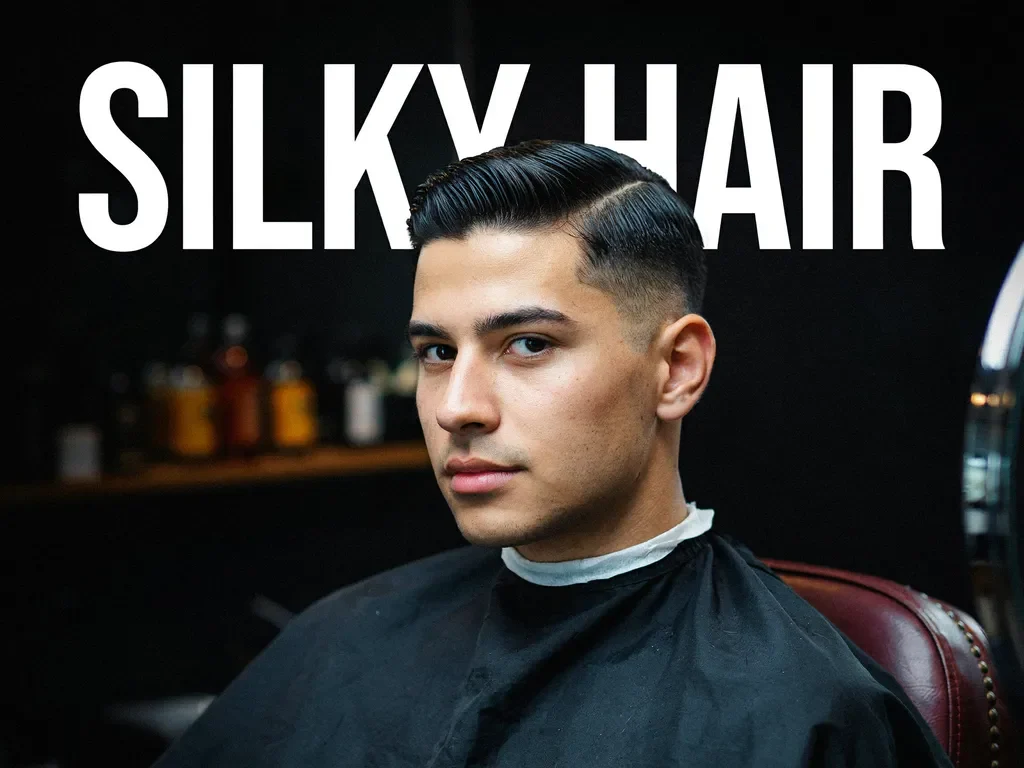
Quick answer: Silky or soft hair, smooth, low-friction hair that tends to slide rather than grip, pairs fine with a mid fade, but often struggles to hold styles the way coarser or textured hair does, since there is less natural friction for product to grip onto. Stronger-hold products (firm pomades or waxes rather than light creams), slightly shorter top lengths, and specific application techniques all help address the most common frustration this hair type has: styles that look great right after applying product and then fall flat within hours.
Silky hair is often naturally shiny and smooth-looking, which are genuine advantages, but the same smoothness that makes it look sleek also makes it one of the more challenging textures to keep styled throughout a full day.
Why silky hair loses style so quickly
Hair texture works partly through friction, coarser or more textured hair has a rougher surface that product and styled shapes can grip onto and hold. Silky, smooth hair has comparatively little of this natural grip, meaning gravity and movement throughout the day work against a style more effectively than they would on textured hair. This is not a product application mistake most of the time, it is simply a structural quality of this hair type that needs to be worked around rather than something a better technique alone fully solves.
Product strength matters more here
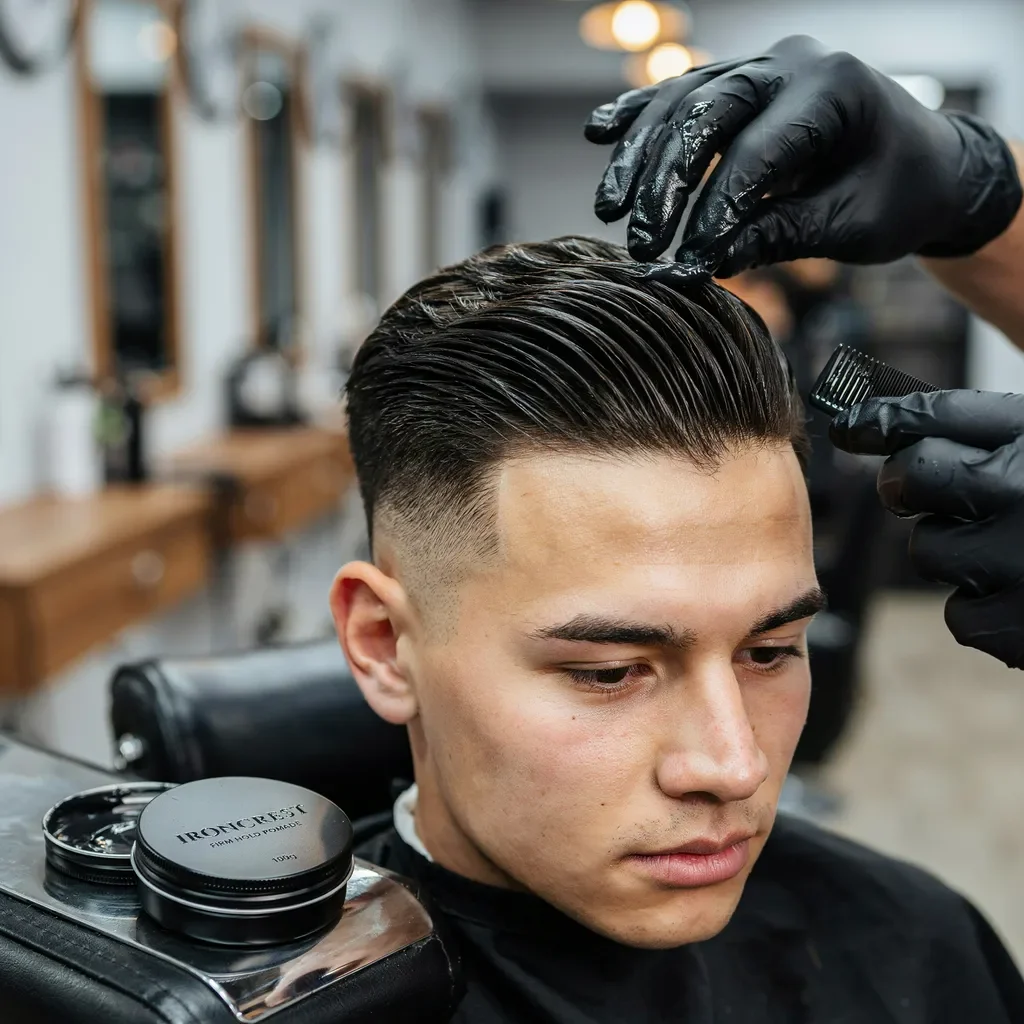
Firm-hold pomades or waxes, rather than lighter creams or clays, tend to work better for silky hair specifically, since the stronger hold compensates for the hairs natural lack of grip. A product that would be plenty strong for coarser or curlier hair often is not quite enough for silky hair to hold a style through a full day.
Matte, stronger-hold clays can also work well, particularly for shorter, more textured top styles, though it is worth testing a couple of different strength levels within a product line if your first attempt does not hold as long as you would like.
Avoid very lightweight or natural hold products marketed for texture enhancement rather than strong hold, these are usually designed for hair types that already have some natural grip, and tend to underperform on silky hair.
Does a shorter top length help?
Often, yes. Longer hair has more weight and surface area for gravity to act on, which works against silky hairs already-limited natural hold even more than it would with coarser hair. A shorter to moderate top length gives product a better chance of maintaining shape throughout the day, since there is simply less hair for gravity to pull down.
Application technique that helps
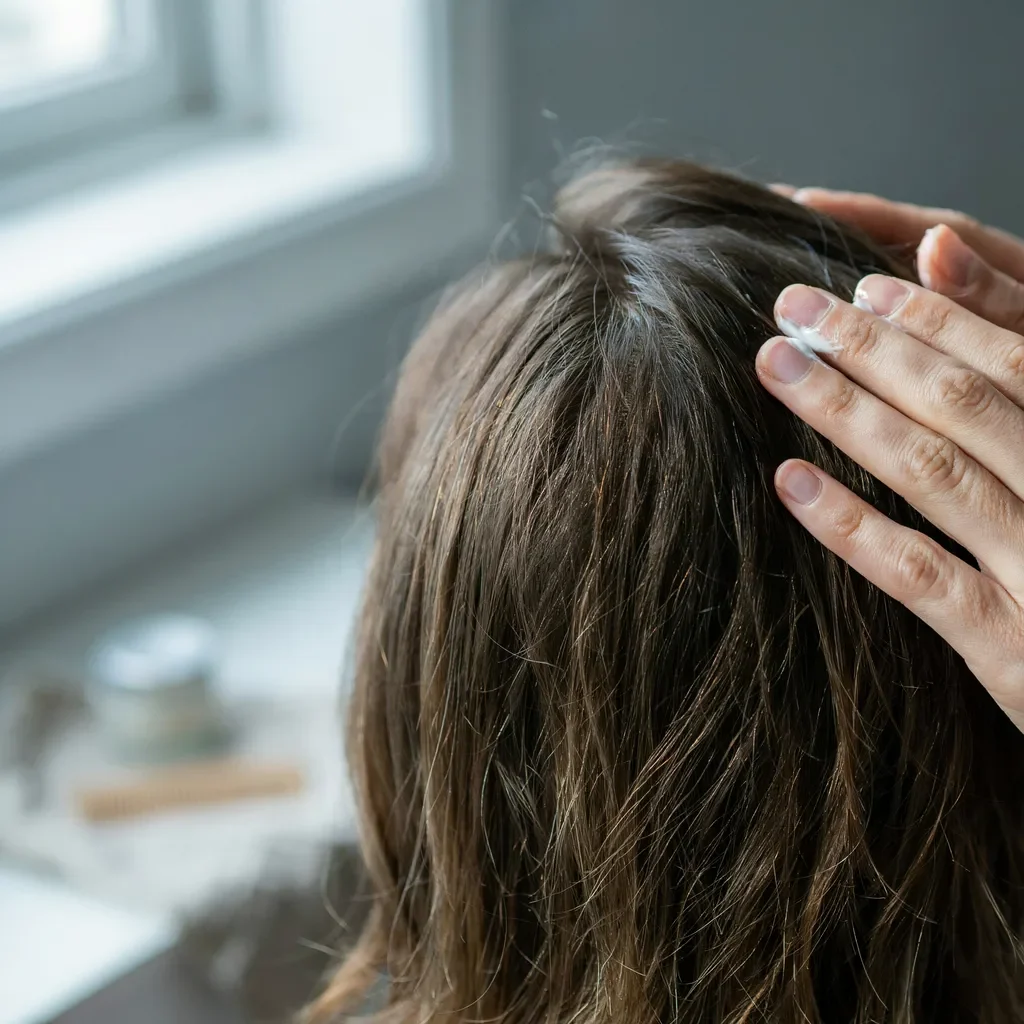
Apply product to hair that is fully dry, not damp. This matters for every hair type, but especially for silky hair, since damp application dilutes hold at exactly the moment you need maximum grip to compensate for the hairs natural smoothness.
Work product all the way to the roots, not just through the mid-lengths and ends. Root-level product application gives more overall lift and structure, which silky hair benefits from more than most textures, since it lacks natural volume-building texture on its own.
Consider a light dusting of texturizing or volumizing powder underneath your main product, applied at the roots before your regular styling product. This is a technique borrowed from more advanced styling routines specifically to address low-grip hair, and it can make a noticeable difference in how long a style holds.
Cutting considerations for silky hair
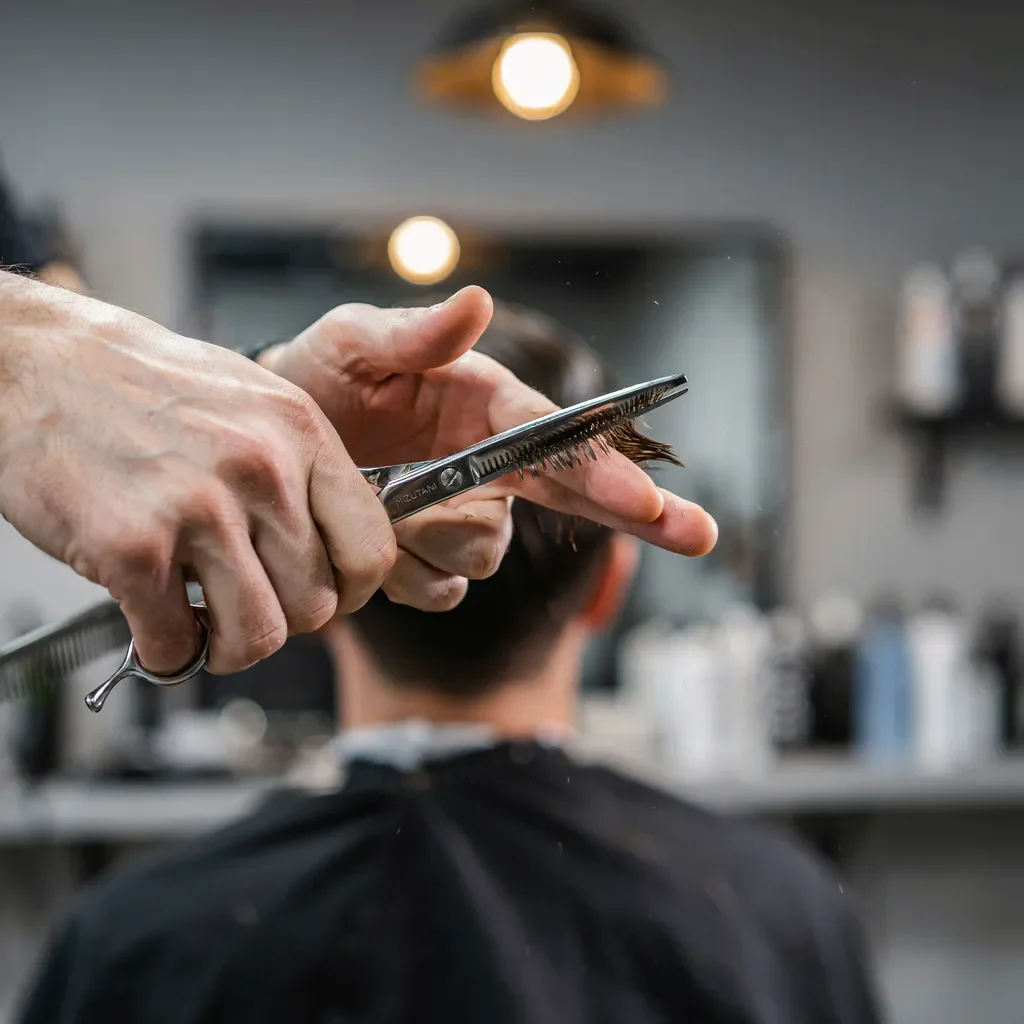
A texturizing or point-cutting technique on top, similar to what is recommended for thin hair, can help create the appearance of more natural texture and grip points in an otherwise very smooth hair type, giving product something more substantial to work with than a completely blunt, uniform cut would provide.
The bottom line
Silky or soft hair works fine with a mid fade in terms of the fade itself, but the top styling requires some specific adjustments to address this hair types natural tendency to lose hold throughout the day. Choose stronger-hold products than you might expect to need, keep the top at a shorter-to-moderate length, apply product to fully dry hair and work it into the roots, and consider a texturizing cut technique to give product more to grip onto.
Frequently asked questions
Why does not product hold well in silky hair? Silky hair has a smooth, low-friction texture, meaning there is less natural grip for product and styled shapes to hold onto compared to coarser or textured hair, which causes styles to fall flat more quickly.
What product works best for silky hair? Firm-hold pomades, waxes, or strong matte clays tend to work better than lighter creams, since silky hair needs a stronger hold to compensate for its natural lack of grip.
Does shorter hair hold styles better on silky hair? Generally yes. Longer hair has more weight for gravity to act on, working against silky hairs already limited natural hold, so a shorter to moderate top length often styles more successfully.
Should you apply product to wet or dry silky hair? Dry hair generally holds product better. Applying to damp hair dilutes hold, which is especially noticeable on silky hair that already struggles with grip.
Can a haircut technique help silky hair hold product better? Yes. A texturizing or point-cutting technique on top can create more natural grip points than a completely blunt, smooth cut, giving product more to work with.
About the Author
Daniel Reyes got his first mid fade almost by accident. He asked his barber for “just a fade” and got one that started right at temple level. It became the cut he kept going back to, so he built mid-fade.com to cover it properly instead of burying it in generic fade lists.