Mid Fade for Wavy Hair: Styling Tips That Actually Work

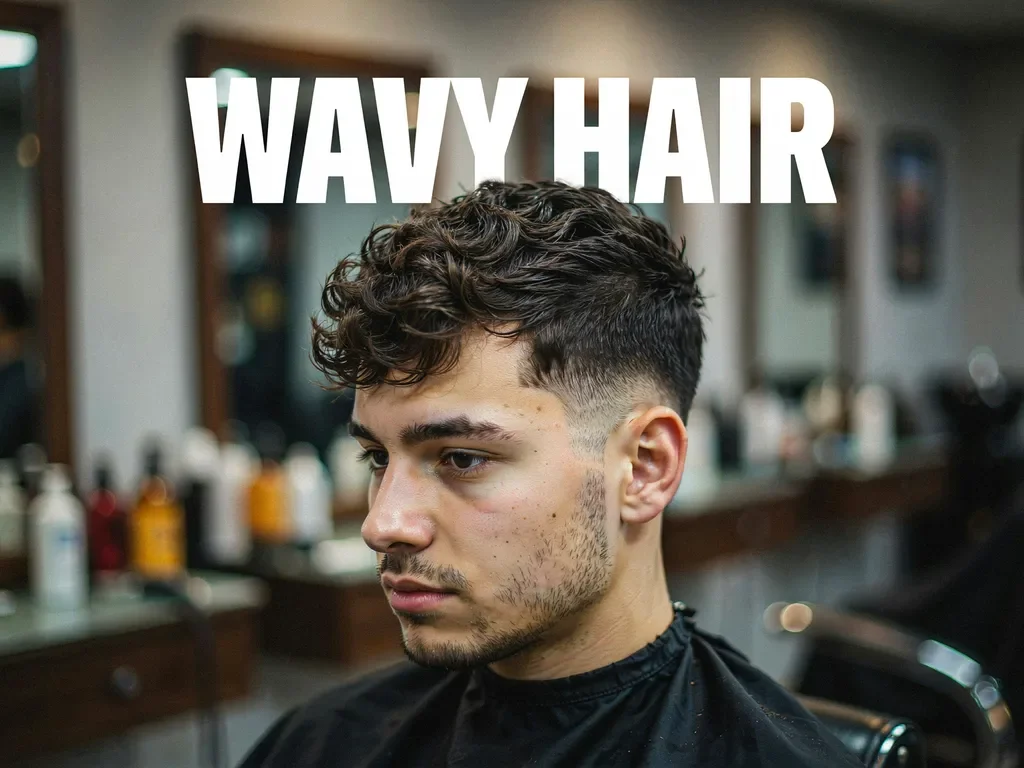
Quick answer: Wavy hair pairs naturally well with a mid fade, since the fade’s clean, tight sides create a defined frame that lets the wave pattern on top read clearly rather than getting lost. The main styling consideration is length, wavy hair generally needs to be at least a couple of inches long before the wave pattern is visible enough to be worth showing off; too short and the waves barely register.
Wavy hair sits between straight and curly in terms of both texture and the technical considerations that matter when cutting and styling it, which means it has some flexibility that fully curly hair doesn’t, while still needing a bit more thought than straight hair.
Why length matters more for wavy hair than for curly or straight
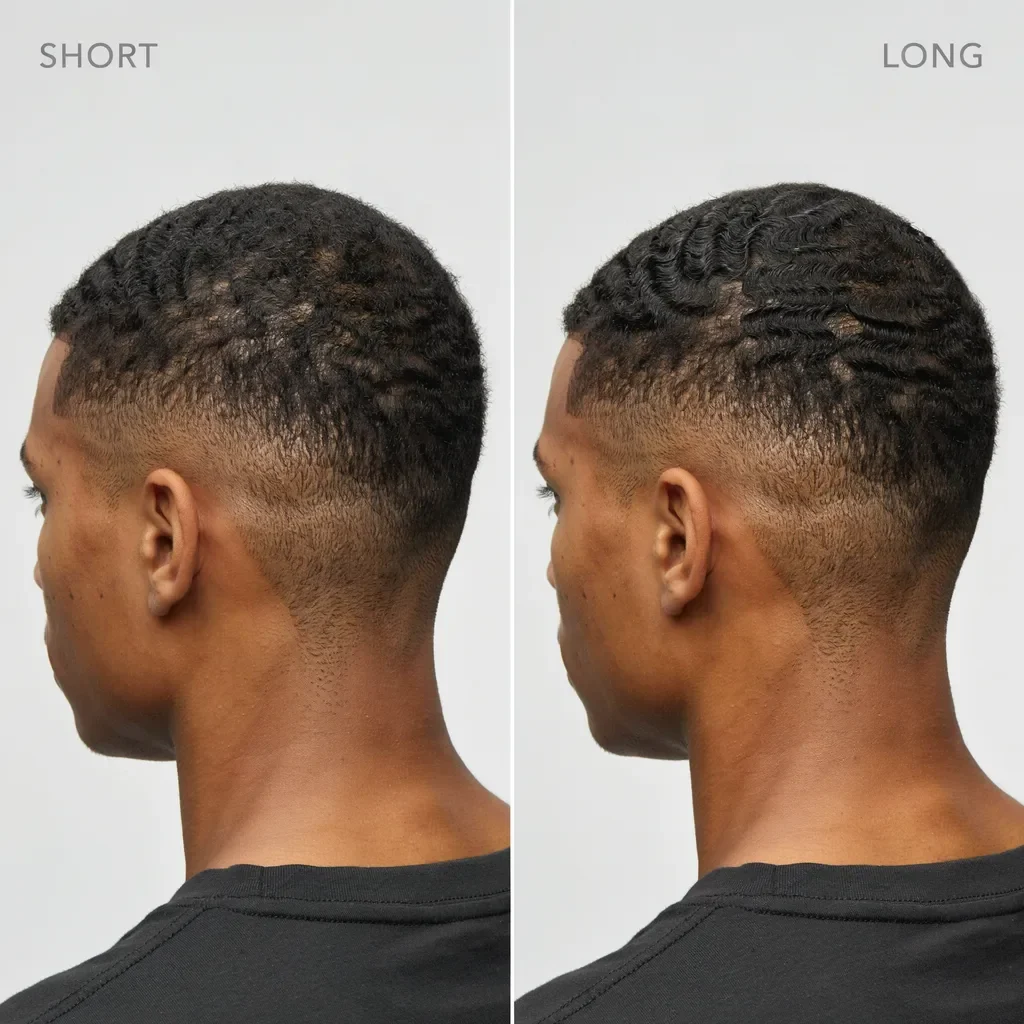
Waves need enough length to actually form a visible S-shape or bend. Cut too short, wavy hair can look like slightly textured straight hair rather than showing distinct waves, since there simply isn’t enough length for the wave pattern to develop and show. Most wavy hair needs at least two to three inches on top before the texture becomes clearly visible, shorter than that, and you’re mostly just seeing textured, not waved, hair.
Wet cutting versus dry cutting for wavy hair
Unlike tightly curly hair, which shrinks dramatically and benefits from a dry cut, wavy hair shrinks much less noticeably, so cutting it wet is generally fine and is actually still the more common and often more precise approach for wavy hair specifically. If your waves are on the looser end, a standard wet cut works well; if they’re closer to a tighter wave pattern (sometimes called “2C” in common hair typing systems), asking your barber to check the length dry as well, similar to curly hair, is a reasonable extra step.
Styles that show off wavy texture
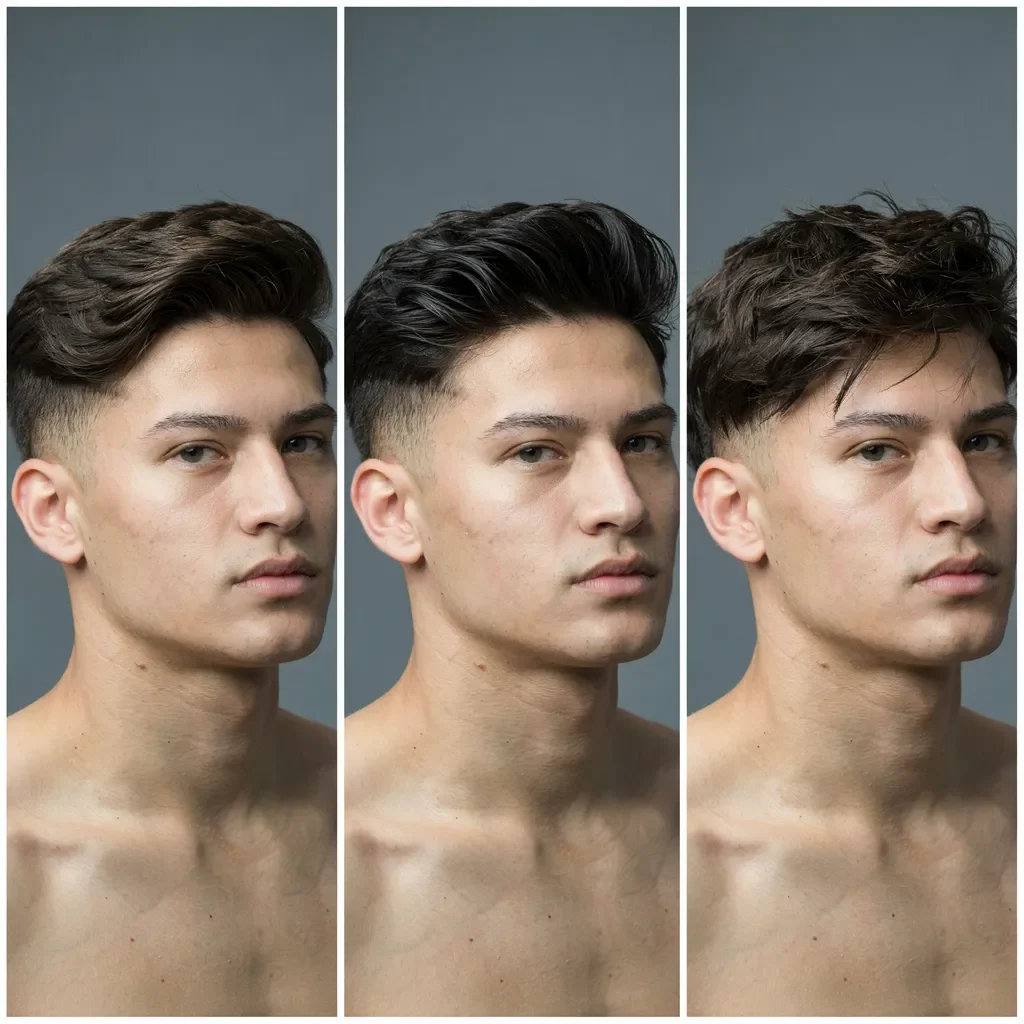
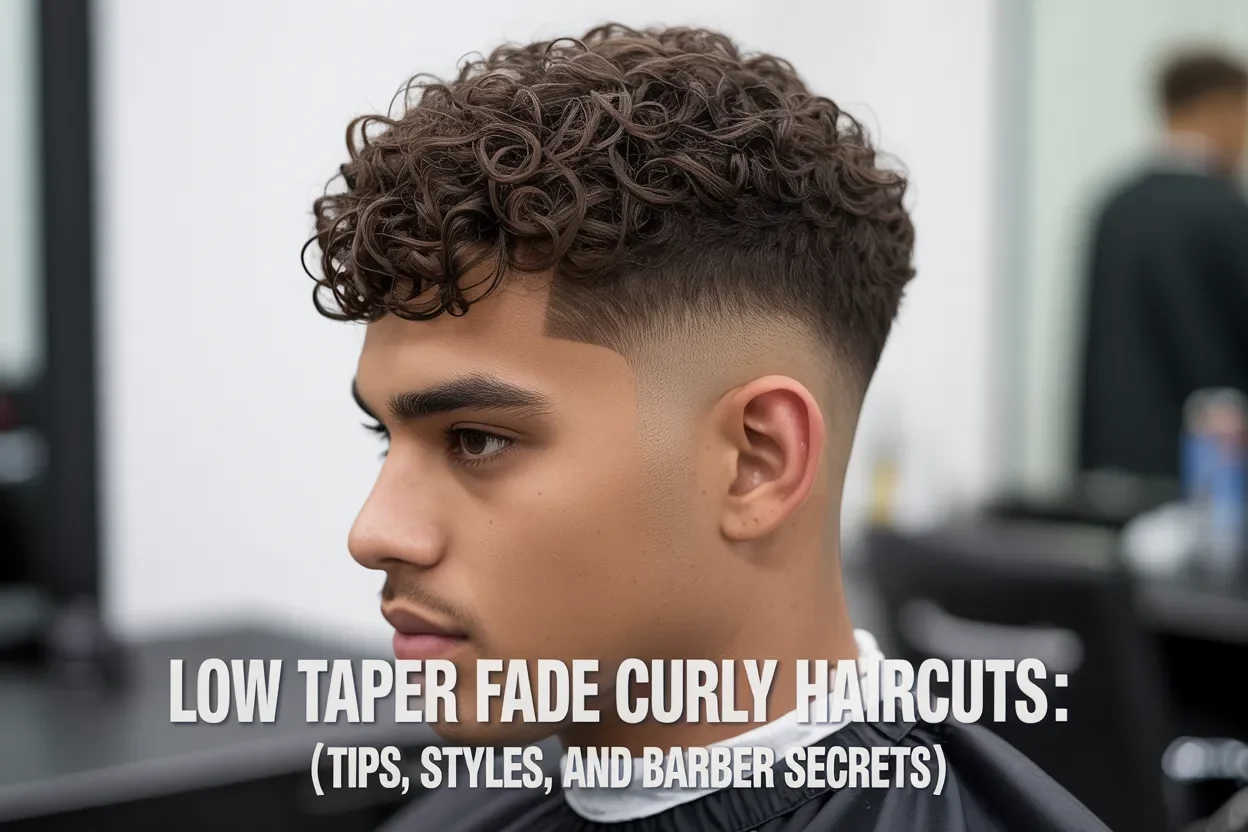
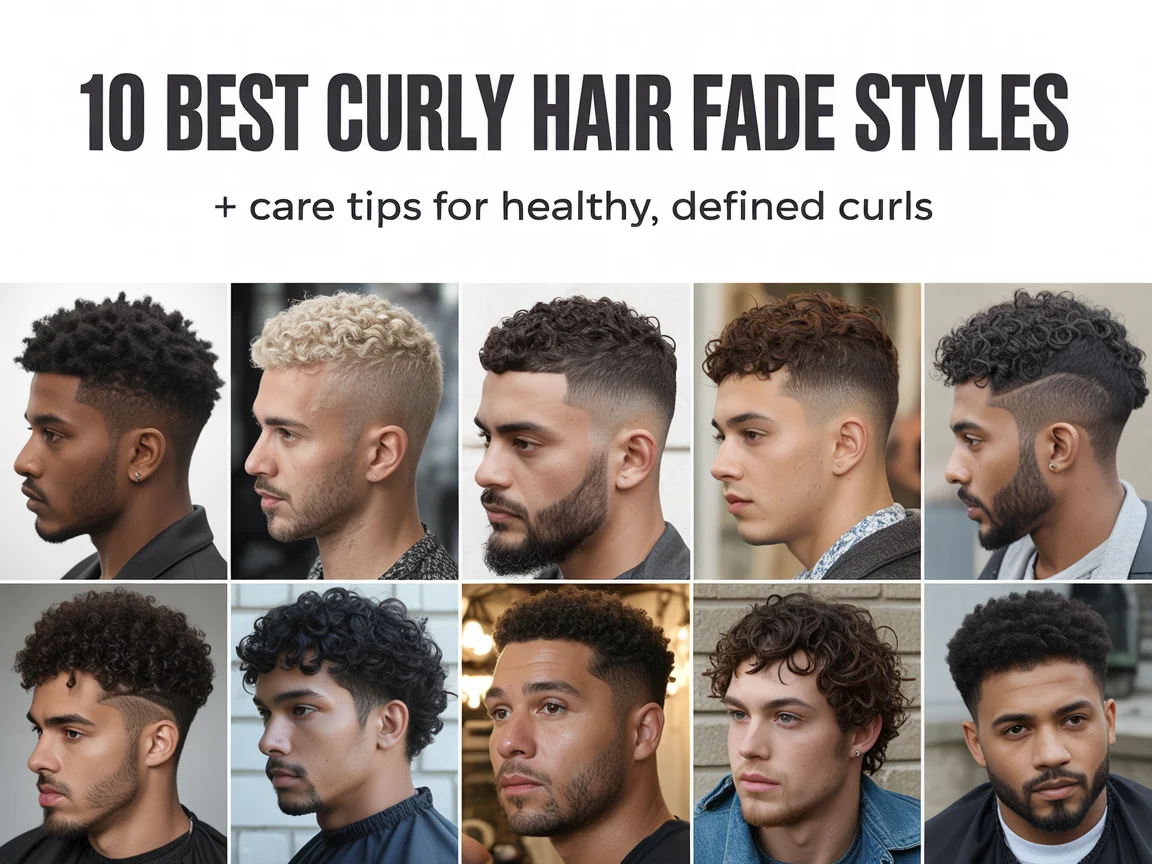
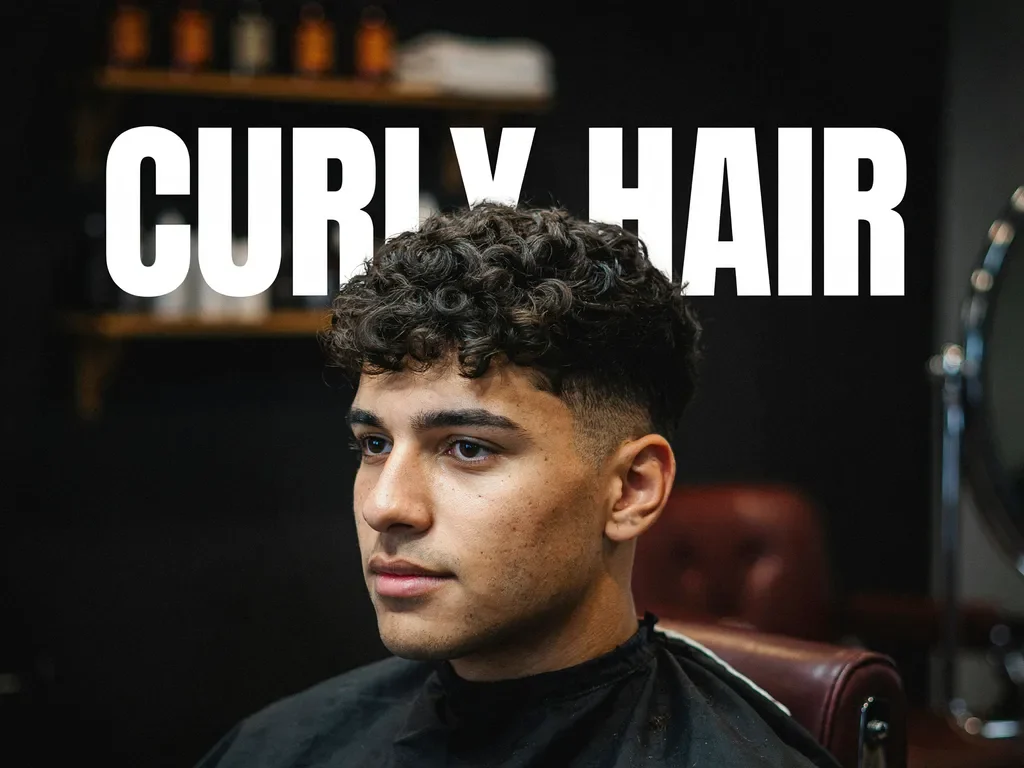
Natural texture, left loose. Simply washing, applying a light product, and letting the waves fall naturally is one of the easiest and most popular ways to wear wavy hair with a mid fade, minimal daily effort, maximum texture payoff.
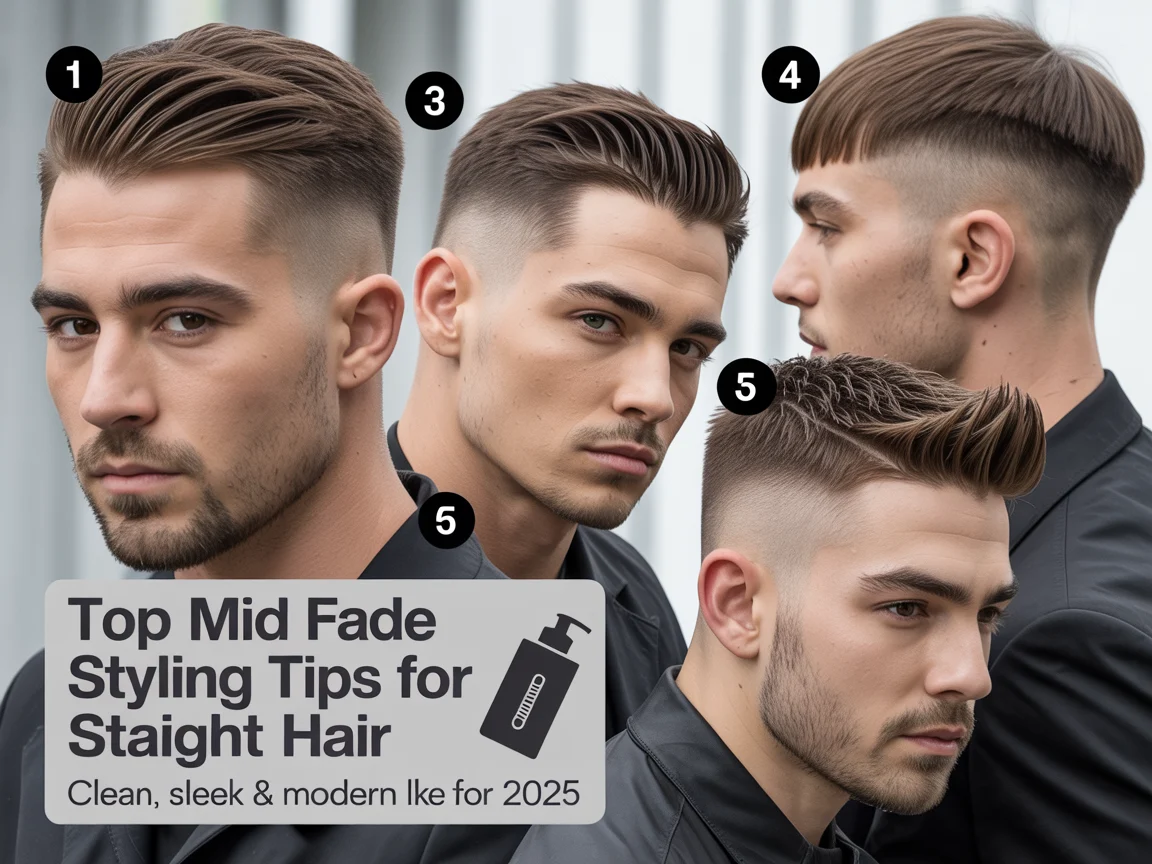
A textured quiff or brushed-back style, where the waves are given some lift and direction rather than left completely loose, adds a bit more structure while still showing the natural pattern.
A messy, undone top works particularly well with wavy hair, since the slight irregularity of waves already lends itself to a relaxed, textured finish rather than a precise, combed one.
Products that work with wavy hair
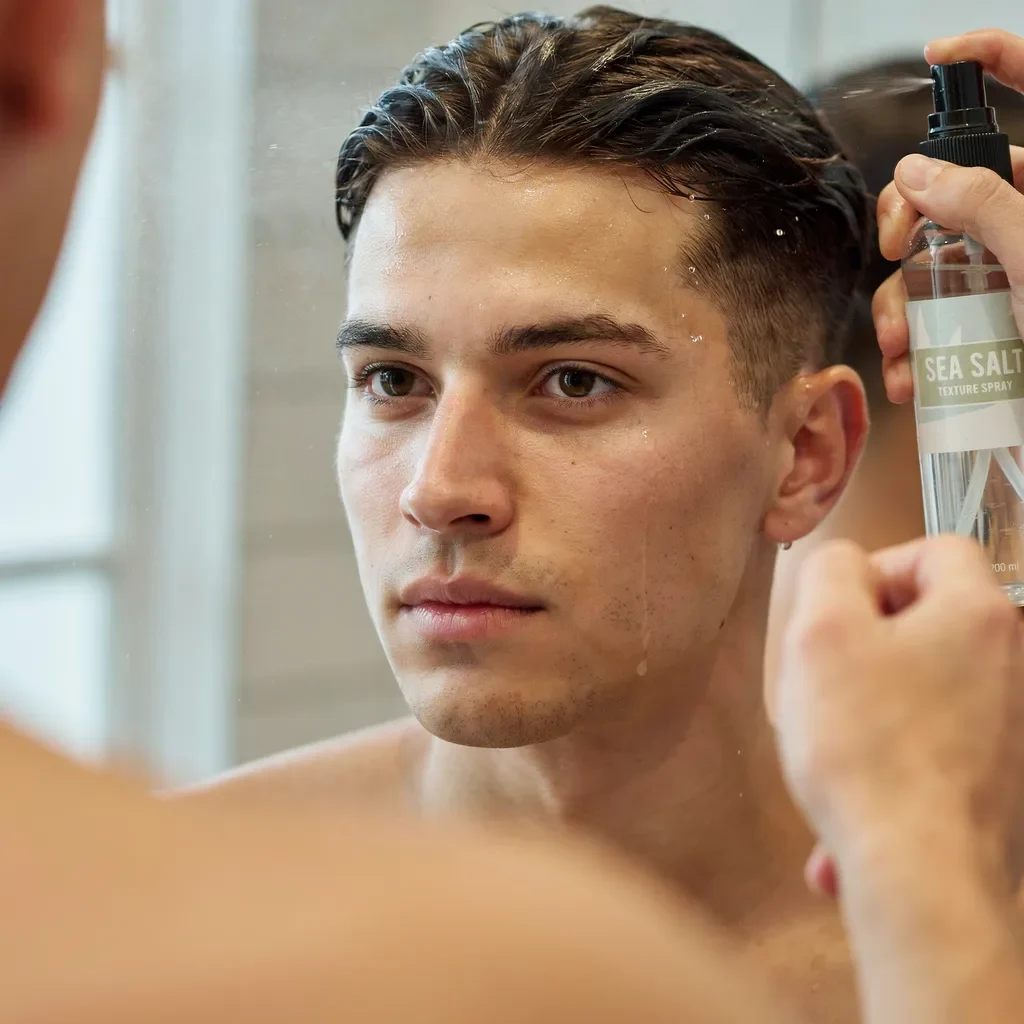
A sea salt spray is one of the most commonly recommended products specifically for wavy hair, since it enhances and defines the natural wave pattern rather than fighting it, adding a slightly tousled, beachy texture. A lightweight cream can be layered underneath for some added hold and moisture without flattening the waves. Heavy pomades or very strong-hold clays tend to be less ideal for wavy hair specifically, since they can smooth out the wave pattern rather than enhancing it, which somewhat defeats the purpose if you want the texture to show.
Does wavy hair need more or less maintenance than straight hair?
Roughly the same in terms of cutting frequency for the fade itself. Where it differs slightly is daily styling, wavy hair often looks good with genuinely minimal effort (a bit of product scrunched in after a shower) in a way that straighter hair sometimes needs more deliberate shaping to achieve a similarly finished look, since the wave pattern is doing a lot of the visual work on its own.
Common questions about wavy hair and fades
“Will the fade make my waves look choppy?” No, similar to curly hair, the fade happens at the sides, well below where wave texture on top begins, so there’s no interaction between the two.
“Should I keep my top shorter or longer to show waves best?” Longer, generally. As covered above, wavy hair needs enough length, at least a couple of inches, for the wave pattern to be clearly visible rather than reading as simply textured.
“Can I still get a defined, styled look with wavy hair, or does it have to be messy?” You can absolutely style wavy hair into more defined shapes like a quiff or side part; it just takes slightly more product and combing effort than letting it fall naturally, since you’re working somewhat against the hair’s default texture rather than with it.
The bottom line
Wavy hair and a mid fade pair well, with the main consideration being length on top, enough for the wave pattern to actually show, generally a couple of inches or more. Wet cutting works fine for most wavy hair, unlike tightly curly hair which benefits from dry cutting. A sea salt spray or lightweight cream enhances the natural texture better than heavier, stronger-hold products, which can smooth waves out rather than showing them off.
Frequently asked questions
Does wavy hair need to be cut wet or dry for a mid fade? Wet cutting generally works fine for wavy hair, unlike tightly curly hair which benefits more from a dry cut due to significant shrinkage. Looser waves shrink much less noticeably.
How long should the top be to show wavy texture with a mid fade? At least two to three inches is generally needed for the wave pattern to be clearly visible. Shorter than that, wavy hair can look simply textured rather than distinctly waved.
What product works best for wavy hair? A sea salt spray is commonly recommended, since it enhances the natural wave pattern. Heavier pomades or strong-hold clays can smooth waves out rather than showing them off.
Does a mid fade disrupt wavy hair texture? No. The fade happens at the sides, well below where the wave pattern on top begins, so it has no effect on how the waves look or behave.
Can wavy hair be styled into more defined looks, or does it have to stay natural? It can be styled into more defined shapes like a quiff or side part with a bit more product and combing effort, though letting it fall naturally with light product is often the lowest-maintenance and most popular approach.
About the Author
Daniel Reyes got his first mid fade almost by accident. He asked his barber for “just a fade” and got one that started right at temple level. It became the cut he kept going back to, so he built mid-fade.com to cover it properly instead of burying it in generic fade lists.