Mid Fade vs Taper Fade: What’s the Real Difference?

Quick answer: The core difference is depth. A mid fade blends the sides down to very short or bare skin, creating bold, high-contrast results. A taper fade also shortens the sides gradually, but stops before reaching bare skin — the hair stays at a short but visible length at the base, giving a softer, more natural finish. Both can start at the same mid placement (temple level), but the depth is what sets them apart.
“Fade” and “taper” are the two most commonly confused terms in men’s haircuts. They are related techniques — both involve graduating the hair shorter as it moves down the head — but they produce noticeably different results in terms of contrast, sharpness, and how long they stay looking fresh. This guide gives you the complete, honest breakdown.
Understanding taper vs fade as techniques
Before comparing the mid versions specifically, it helps to understand what each technique actually means at its core.
Tapering is the older of the two techniques and refers to gradually reducing the hair length from longer at the top to shorter at the bottom, without necessarily reaching skin. A taper leaves a visible, short length of hair at the base. It has been a standard part of men’s haircuts for over a century — the classic “short back and sides” is essentially a taper.
Fading is a more modern, more extreme version of tapering. A fade also reduces the length from top to bottom, but it takes the shortest point all the way down to zero — bare skin — at the very base. The gradient is smoother and more deliberate, and the contrast between the top and the bottom is sharper.
Think of it this way: all fades involve tapering, but not all tapers are fades. A taper is the softer version; a fade is the more dramatic, skin-level version.
What is a mid taper fade specifically?
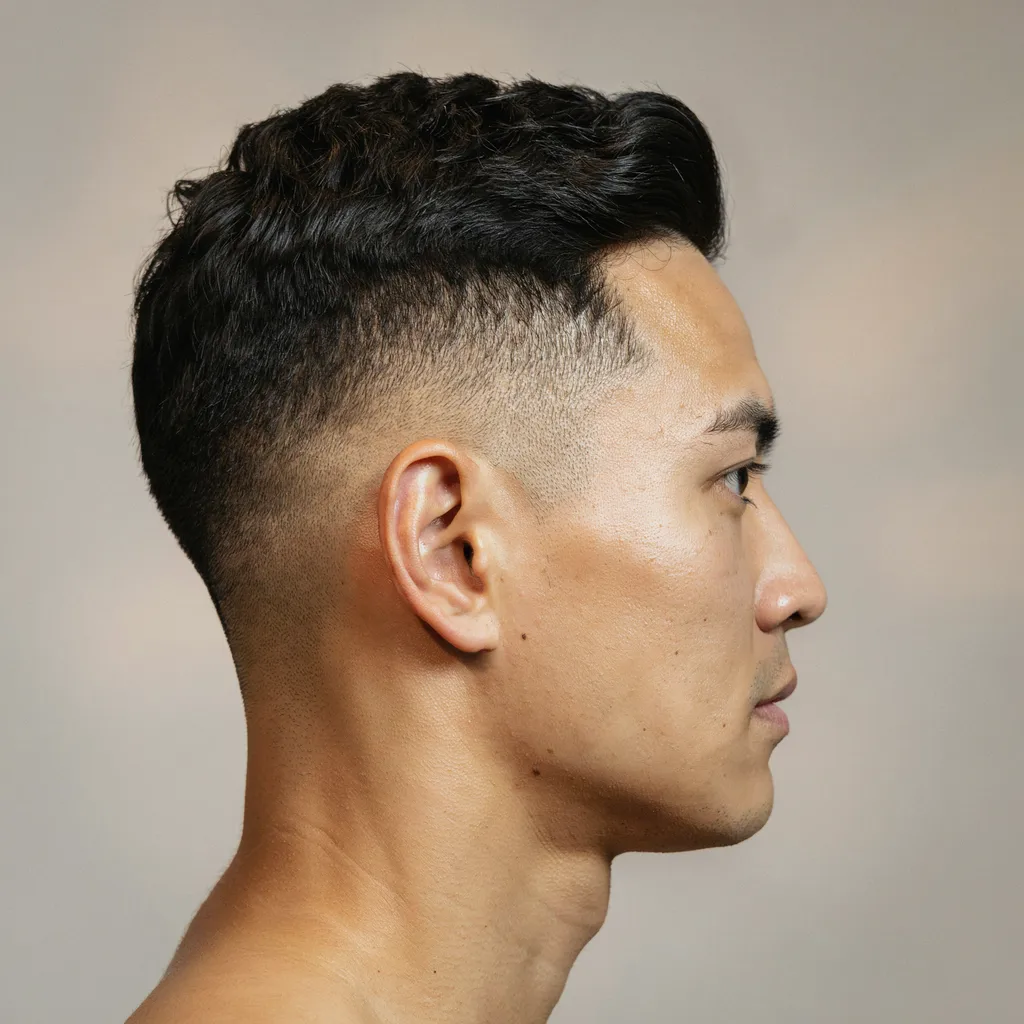
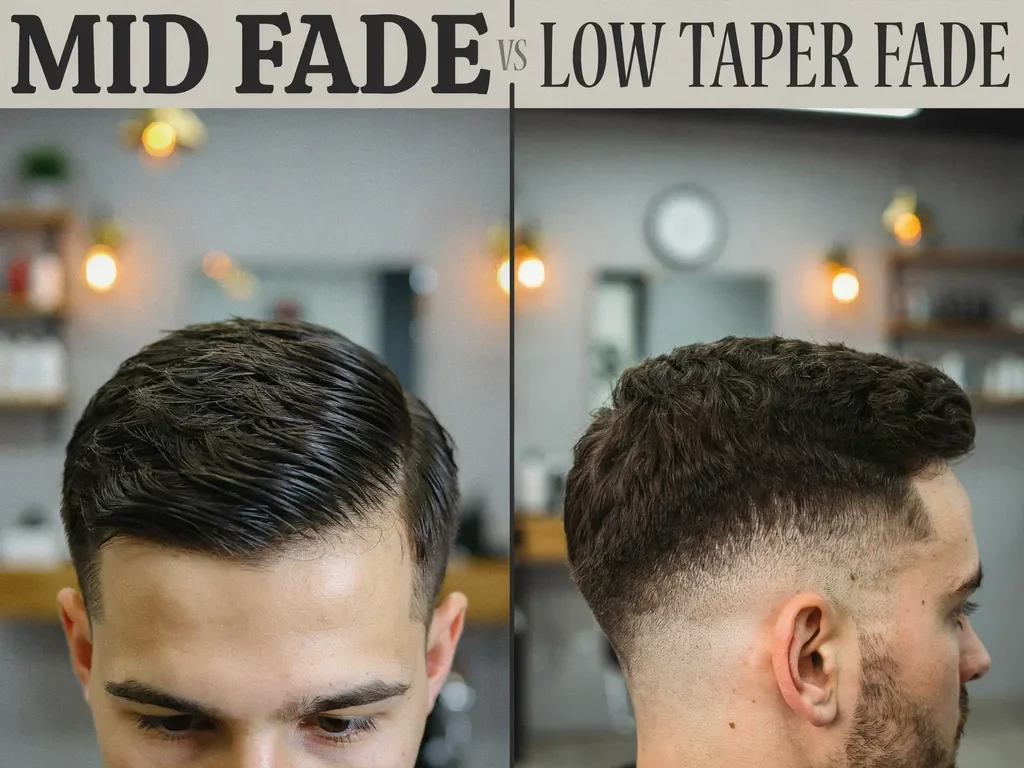
A mid taper fade — sometimes just called a “mid taper” — starts the graduation at temple level (same as a mid fade) but blends down to a short clipper length at the base rather than bare skin. The result is a clean, graduated look with moderate contrast. It reads as modern and intentional without the boldness of a skin fade.
For a full visual guide, see our dedicated Mid Taper Fade guide.
What is a mid fade specifically?
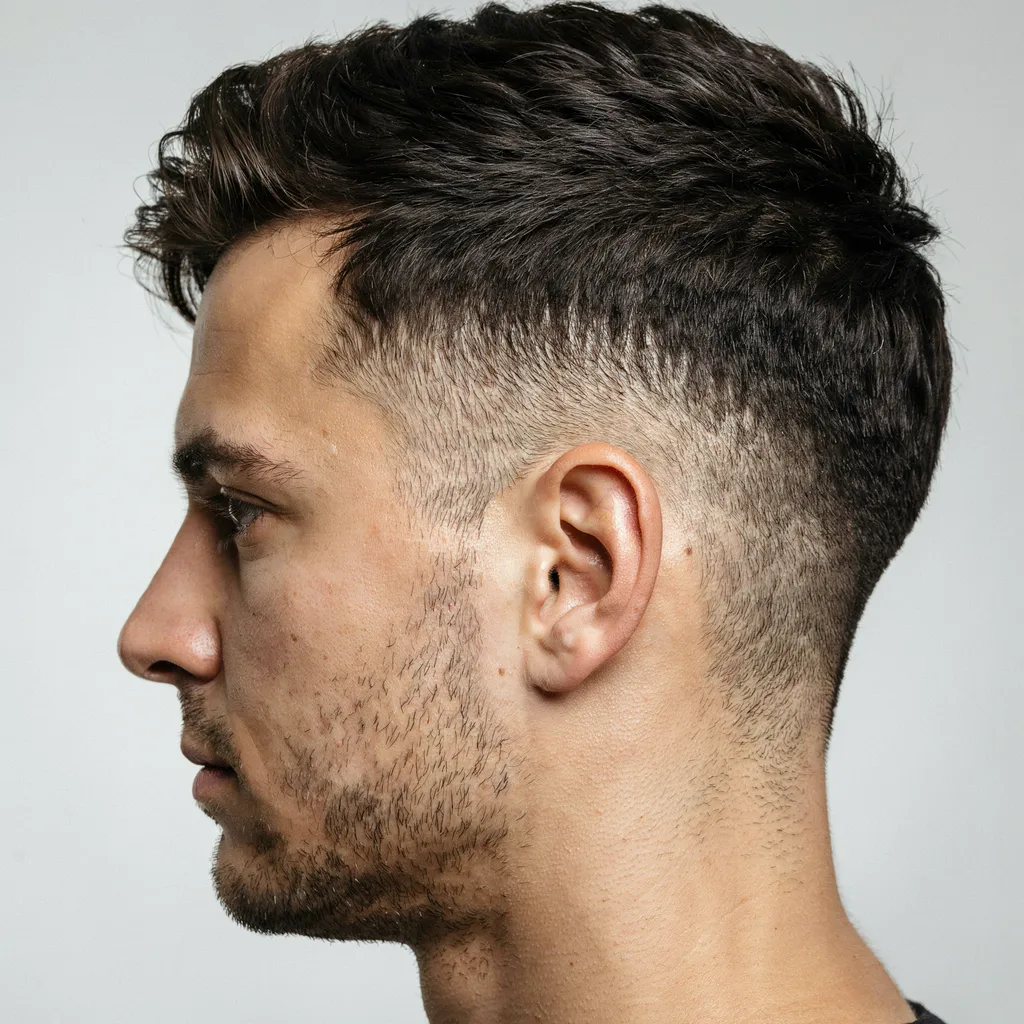
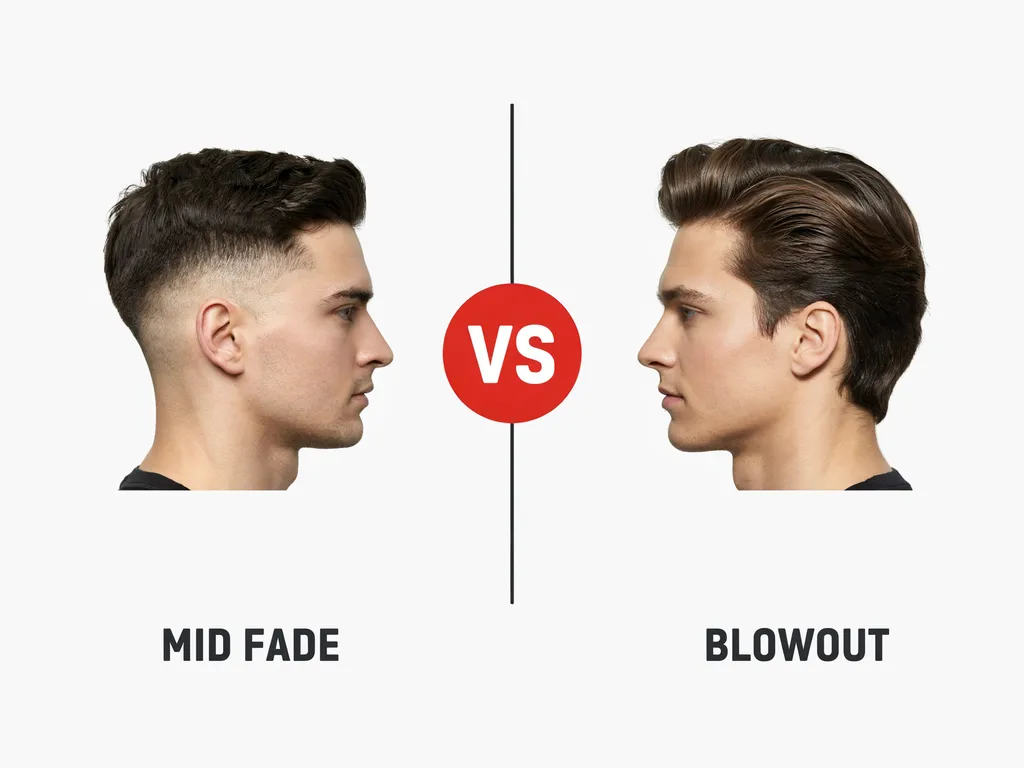
A mid fade starts at the same temple-level position but blends all the way to bare skin at the bottom. The contrast is sharper, the gradient is more dramatic, and the transition from short sides to the styled top is more pronounced. For the complete overview of everything mid fade, see our Mid Fade Haircut guide.
Side-by-side comparison
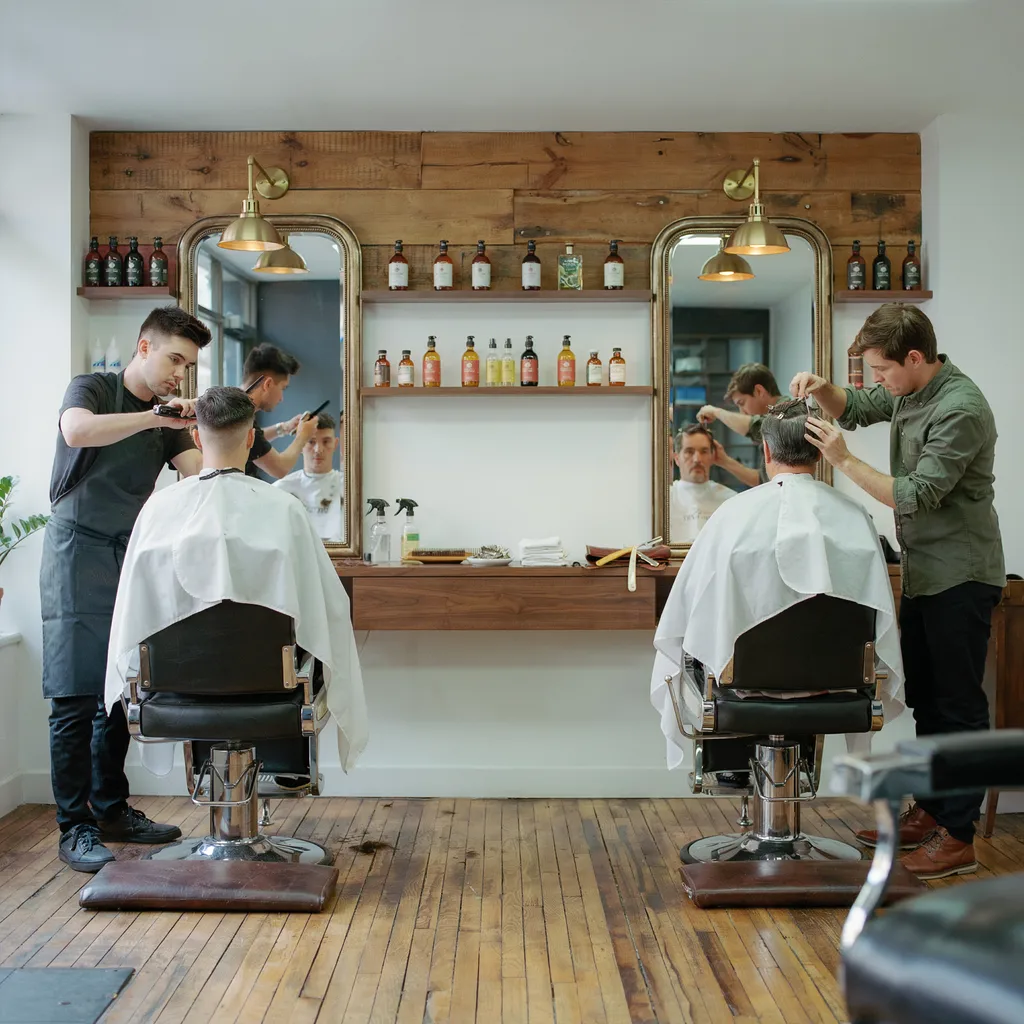
| Mid Taper Fade | Mid Fade (skin) | |
|---|---|---|
| Starting height | Temple level | Temple level |
| Bottom depth | Short — stops before skin | Zero — bare skin |
| Contrast level | Moderate, natural | High, bold |
| Sharpness | Softer finish | Maximum definition |
| Grow-out | More gradual, natural | Shows regrowth faster |
| Maintenance | Every 3–4 weeks | Every 2–3 weeks |
| Best setting | Formal + casual | Casual + creative |
| Best for | Conservative + everyday | Modern, bold looks |
How they look different in person
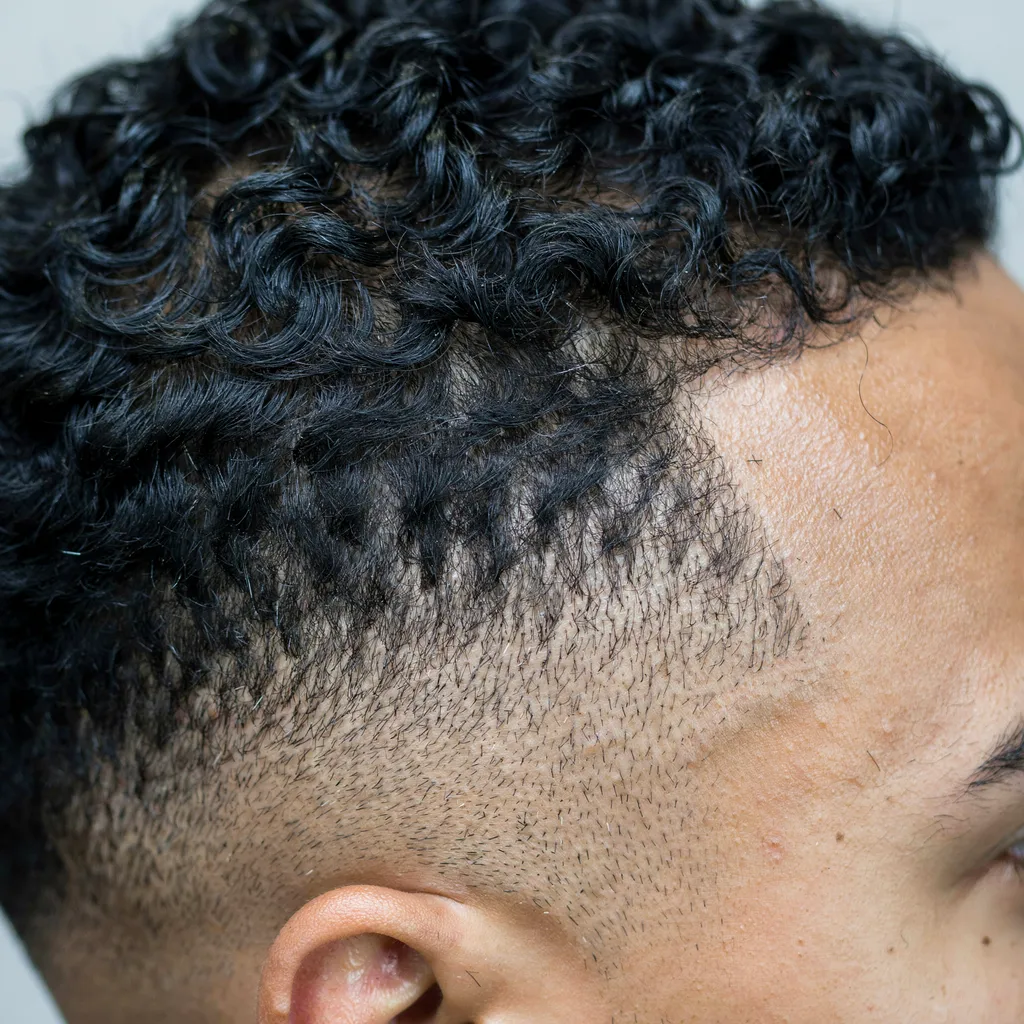
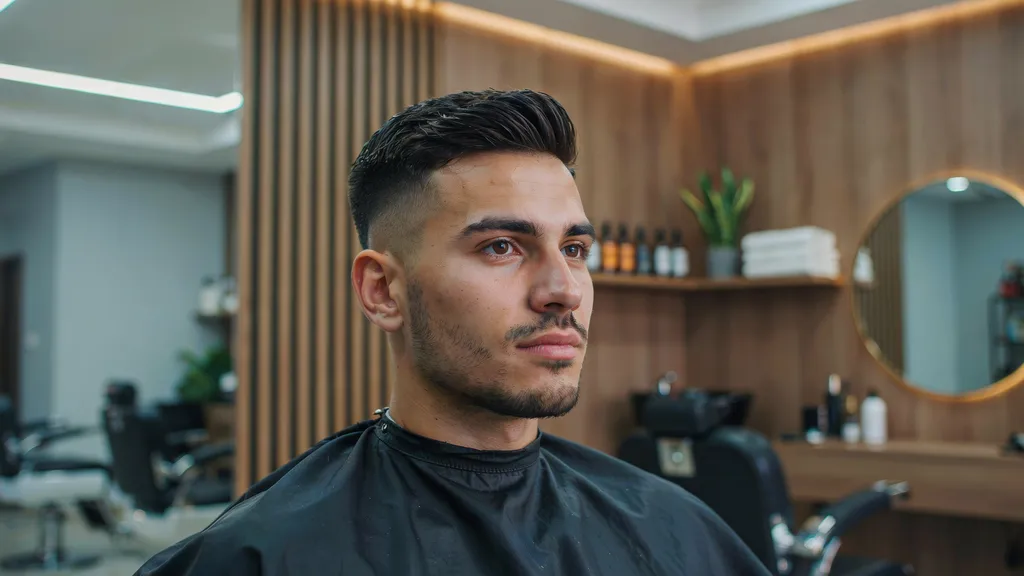
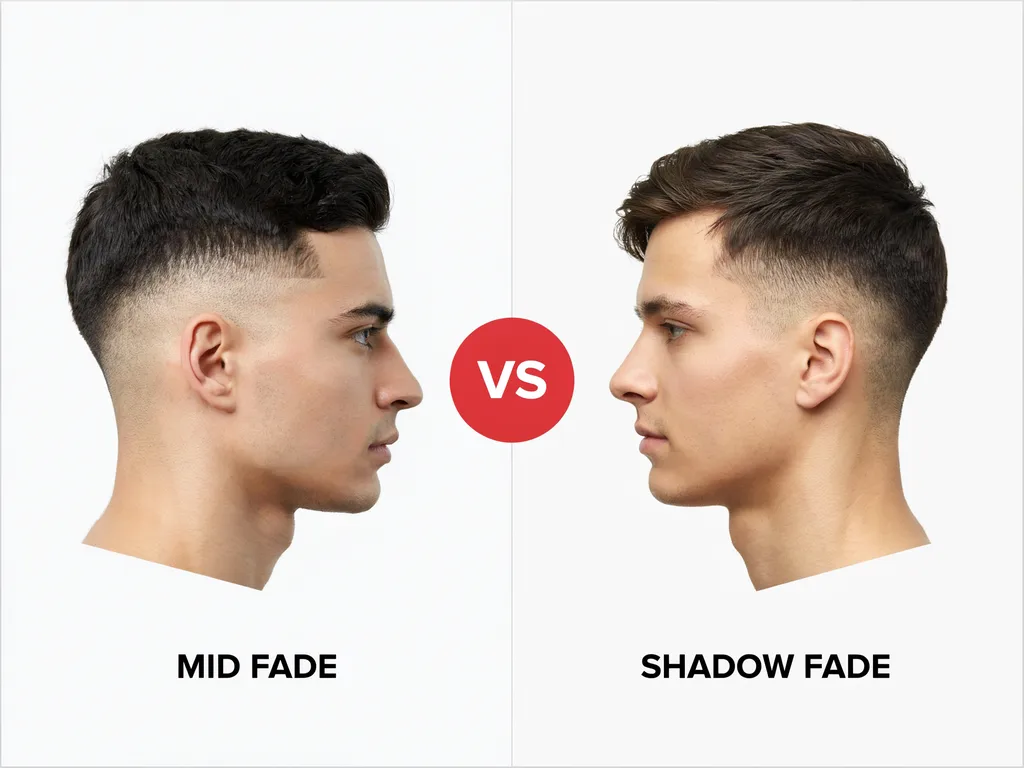
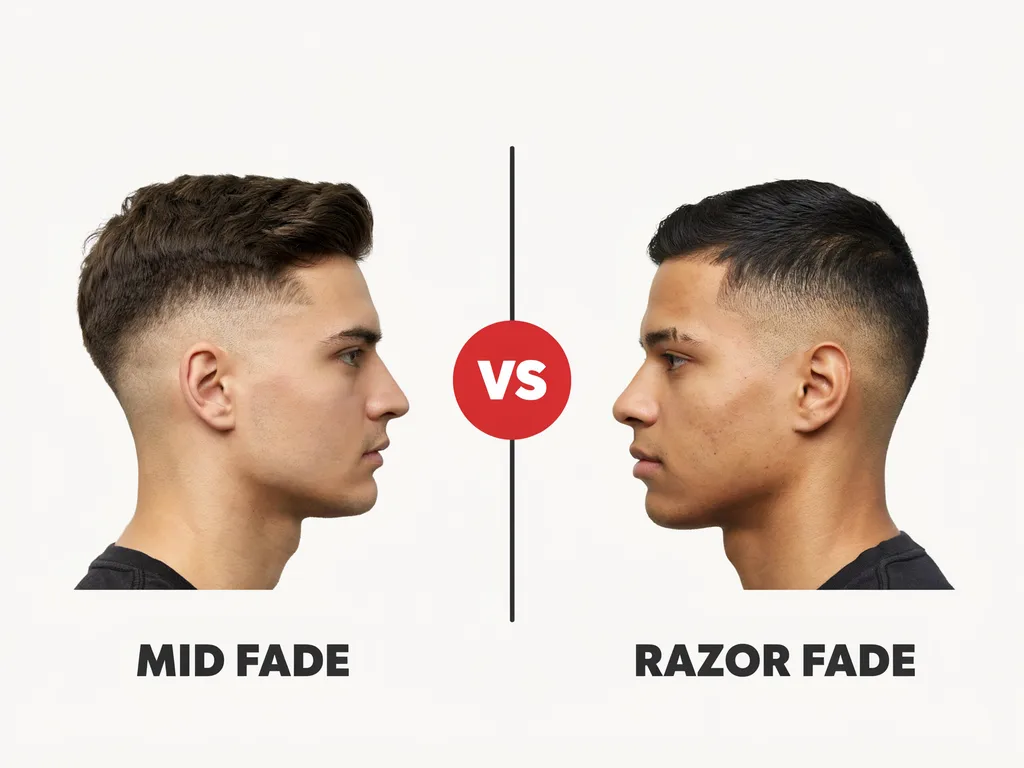
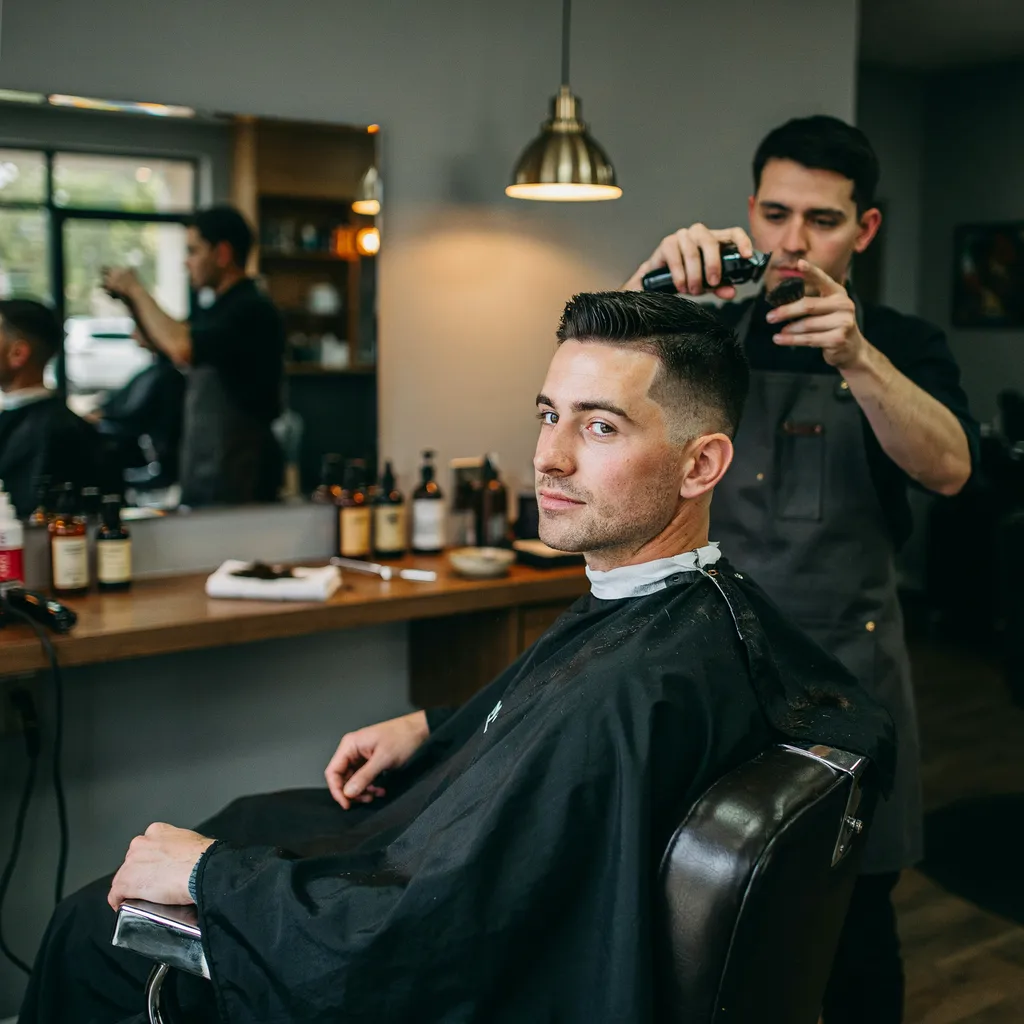
Mid taper fade: The sides are noticeably shorter than the top, but the bottom of the sides still has a short, visible layer of hair. There is no bare scalp showing. The contrast is clean and deliberate but softer — it reads as well-groomed without being dramatic. From any angle, the cut looks neat and controlled without the “shaved” quality of a skin fade.
Mid fade (skin): The bottom of the sides fades to completely bare skin, then builds up rapidly as you move toward the top. The gradient is smooth but the contrast is stark — the full top and the bare-bottomed sides create a bold, high-definition look. It photographs dramatically and reads as a strong, modern style choice.
Which grows out better?
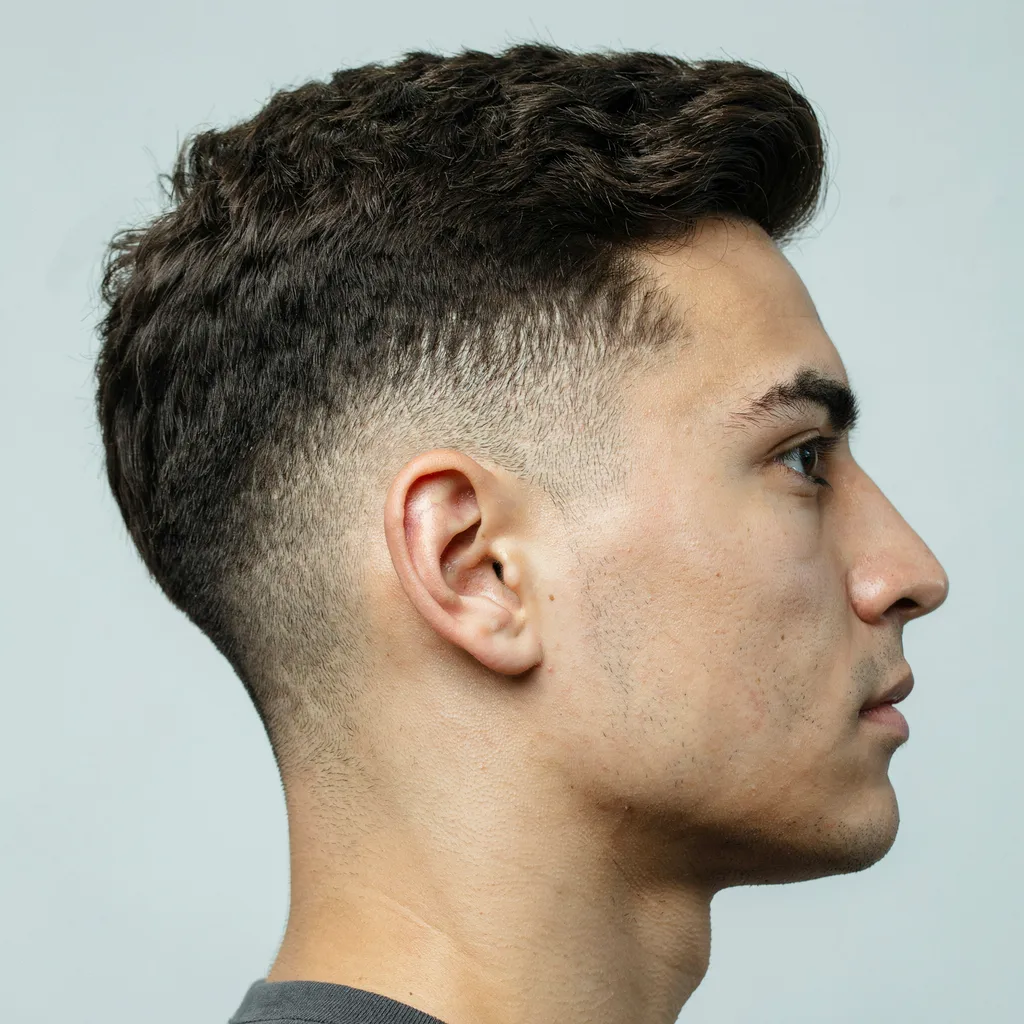
The mid taper grows out more gracefully. Because the base is not bare skin, a few weeks of regrowth fills in the shorter areas gradually without a dramatic change in appearance. A mid skin fade, by contrast, shows new growth as a shadow at the base quite quickly — usually within a week — because any hair over bare skin is immediately visible.
If your barber visits are inconsistent or you prefer lower maintenance, the mid taper is the smarter choice. If you can commit to a regular schedule every 2 to 3 weeks, the mid skin fade delivers the stronger result.
Which suits formal settings better?
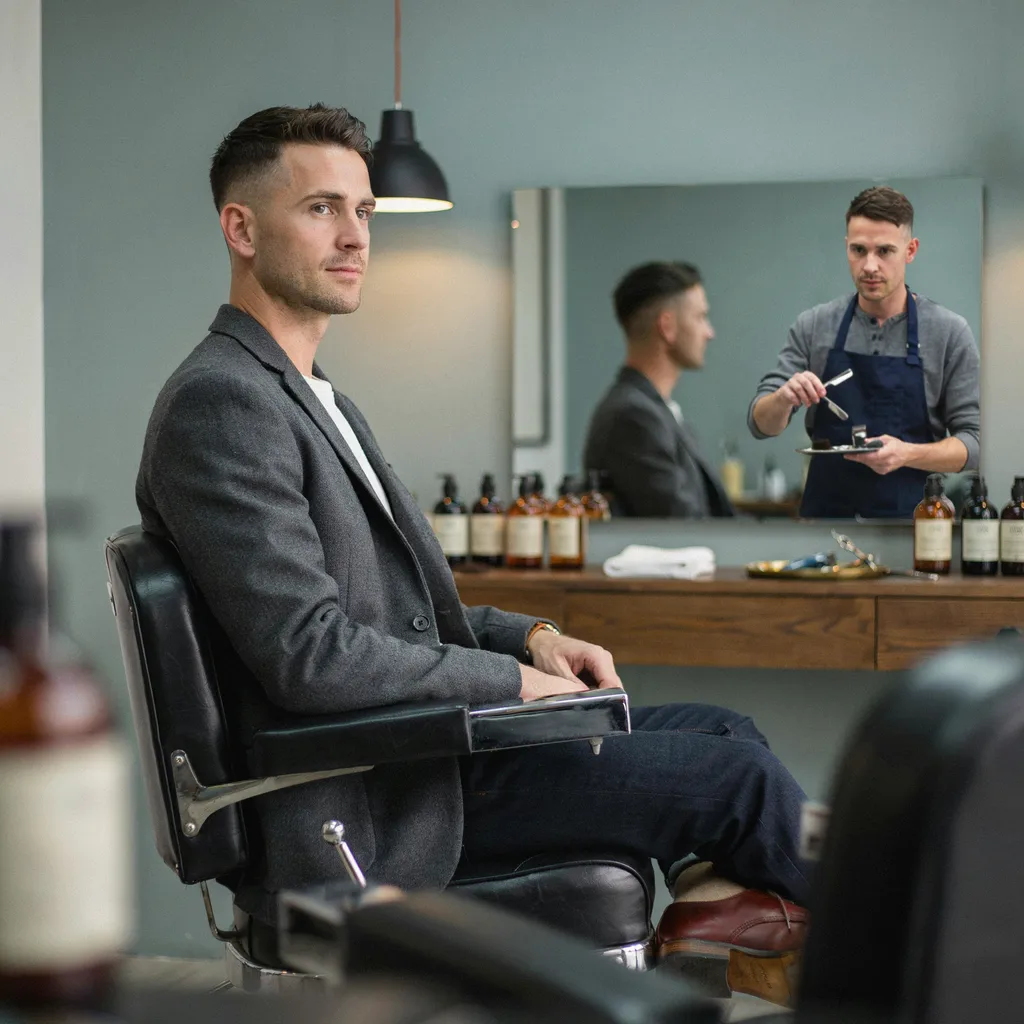
The mid taper fade is the safer choice for formal or conservative environments — law firms, finance, government roles, and traditional workplaces where grooming standards are strict. The softer finish and the absence of bare skin at the base read as more conventional. The mid fade (skin) is appropriate in most modern workplaces but can look too casual for the most conservative settings.
Which hair type suits each better?
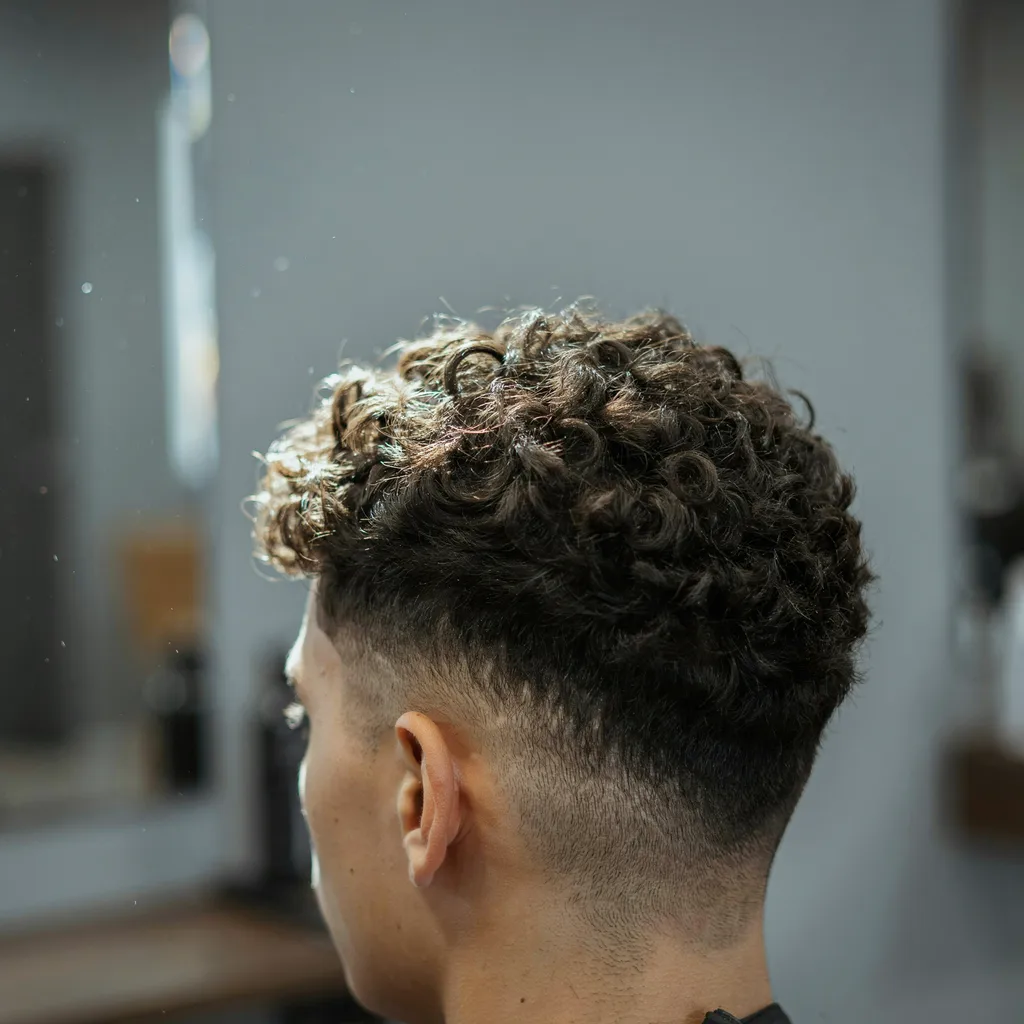
Both work with all hair types, but:
- Straight and fine hair — the mid taper often looks more natural, since the softer base does not expose a stark contrast that can highlight sparse areas.
- Thick and curly hair — both work, but the mid skin fade is particularly popular because the clean bare base creates dramatic contrast with the volume on top. See best fades for curly hair.
- Afro-textured hair — the mid taper is extremely popular for its clean shape without full skin exposure. See mid taper fade for Black men.
Which is more expensive?
In most barbershops, a mid skin fade costs the same as or slightly more than a mid taper, because achieving a clean skin fade requires more precision and more time spent on the blending. The price difference, where it exists, is usually small — but it varies by barbershop and barber.
How to ask your barber for each

For a mid taper fade:
“I’d like a mid taper — start the graduation at temple level, blend it short but keep a bit of length at the base. I don’t want it to go all the way to skin.”
For a mid fade (skin):
“I’d like a mid skin fade — start at temple level and take it all the way down to skin at the bottom.”
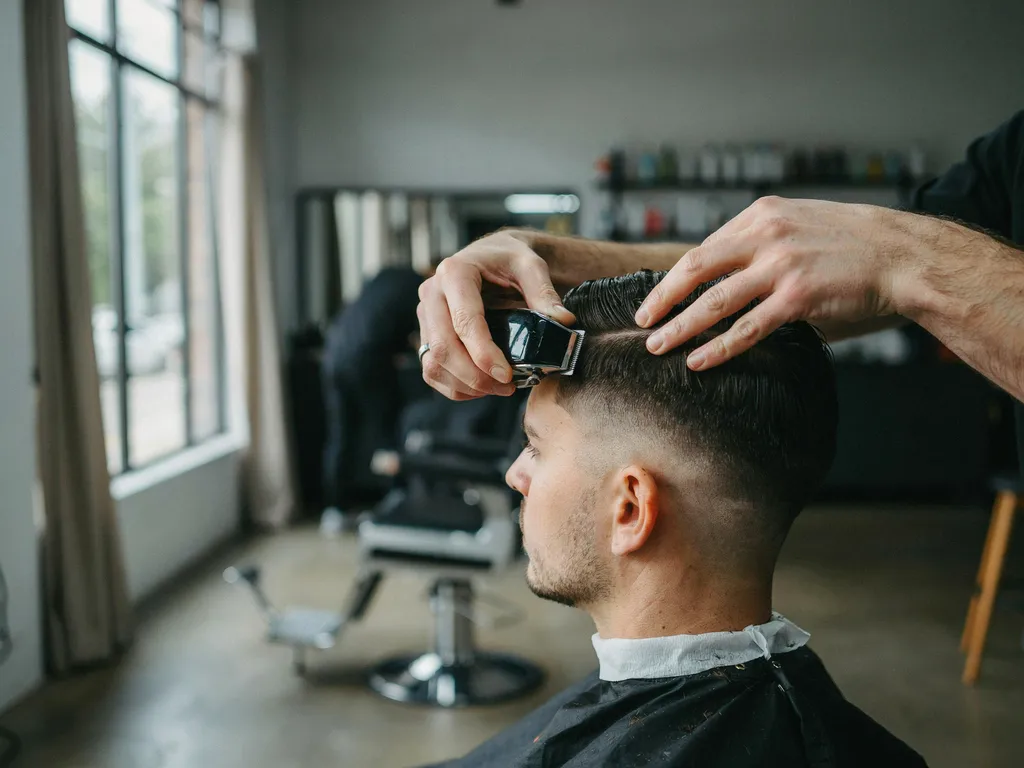
Being explicit about the depth — “stop before skin” or “take it to skin” — removes all ambiguity. A reference photo alongside your verbal description is always the clearest communication.
Which should you choose?
Choose a mid taper if:
- You want a clean, modern look without maximum contrast.
- You prefer lower maintenance and a cut that grows out naturally.
- You work in a conservative environment.
- You are new to fades and want to start with something softer.
Choose a mid skin fade if:
- You want the sharpest, boldest version of the mid fade.
- You can maintain a regular barber schedule every 2 to 3 weeks.
- You want a cut that photographs and reads as a strong style statement.
- You have thick or curly hair and want maximum contrast with the top.
The bottom line
A mid taper and a mid fade start at the same place — temple level — but end differently. The taper stops before skin for a softer, more natural result. The fade goes to bare skin for maximum contrast and sharpness. Both are excellent cuts; the right choice depends on how bold you want to go and how often you can get to the barber.
Frequently asked questions
What is the difference between a mid fade and a mid taper? A mid fade blends all the way to bare skin at the base for bold contrast. A mid taper stops before reaching skin, leaving a short but visible layer of hair at the base for a softer, more natural finish. Both start at temple level.
Is a taper fade the same as a fade? Not exactly. Both graduate the hair shorter toward the bottom, but a fade goes all the way to bare skin while a taper stops before skin. All fades involve tapering, but not all tapers are fades.
Which lasts longer, a mid taper or a mid fade? A mid taper lasts slightly longer — typically 3 to 4 weeks before it looks significantly grown out. A mid skin fade shows regrowth faster and usually needs a refresh every 2 to 3 weeks.
Is a mid taper or mid fade better for a professional setting? A mid taper is the safer choice for conservative formal environments because the softer finish reads as more conventional. A mid skin fade suits most modern workplaces but can feel too bold in very strict settings.
Which is better for thick hair — a mid taper or mid fade? Both work well for thick hair. A mid skin fade is particularly popular because the bare base creates a dramatic contrast with the volume on top, making thick hair look full and well-managed simultaneously.
About the Author
Daniel Reyes got his first mid fade almost by accident. He asked his barber for “just a fade” and got one that started right at temple level. It became the cut he kept going back to, so he built mid-fade.com to cover it properly instead of burying it in generic fade lists.