Mid Fade Quiff: How to Get and Style This Look

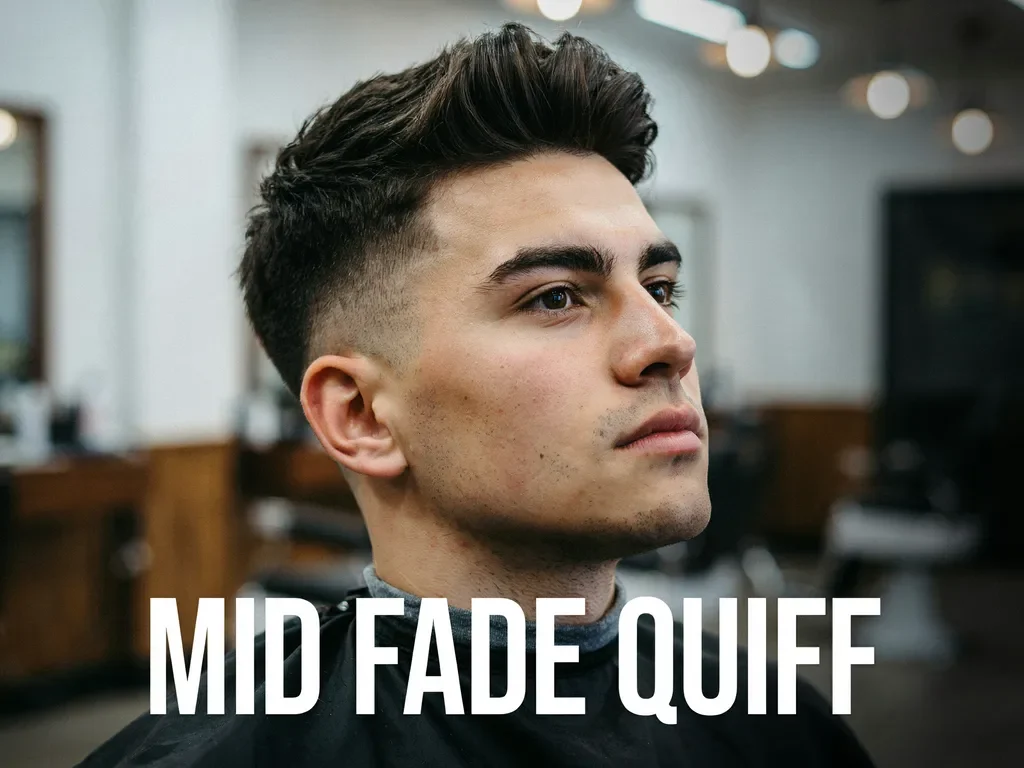
Quick answer: A mid fade quiff combines the tight, temple-level fade with a top section left long enough at the front to be brushed upward and slightly back, creating height and volume above the forehead. It is one of the most classic pairings with a mid fade, works on most face shapes and hair types, and needs a moderate amount of daily styling to maintain the lifted shape.
The quiff has been a consistently popular men’s style for decades because it strikes a balance between polished and textured, sharp enough to look deliberate, relaxed enough not to look overly formal.
What makes a quiff a quiff
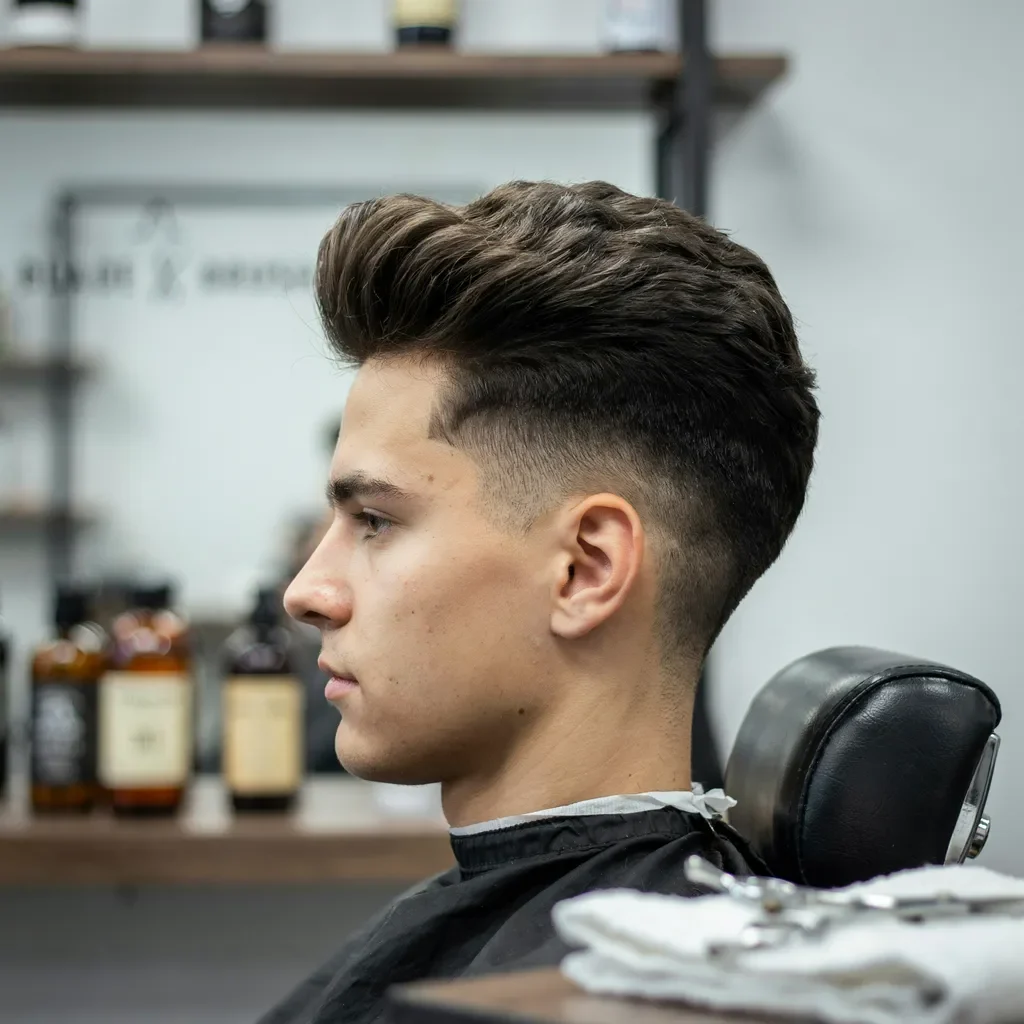
The defining feature is height and forward volume concentrated at the front of the head, typically brushed or combed upward and back rather than falling forward or lying flat. The length needed varies, a shorter, more textured quiff might only need two to three inches at the front, while a more dramatic, pompadour-adjacent quiff needs more length to achieve real height.
How to ask your barber for it
Rather than just saying “quiff,” describe the specific version you want: “leave more length at the front, gradually shorter toward the back and crown, and fade it at the temples.” If you have a reference photo, bring it, quiffs vary quite a bit in height and how much of the top is left long versus tapered, and a photo removes any ambiguity.
Styling technique
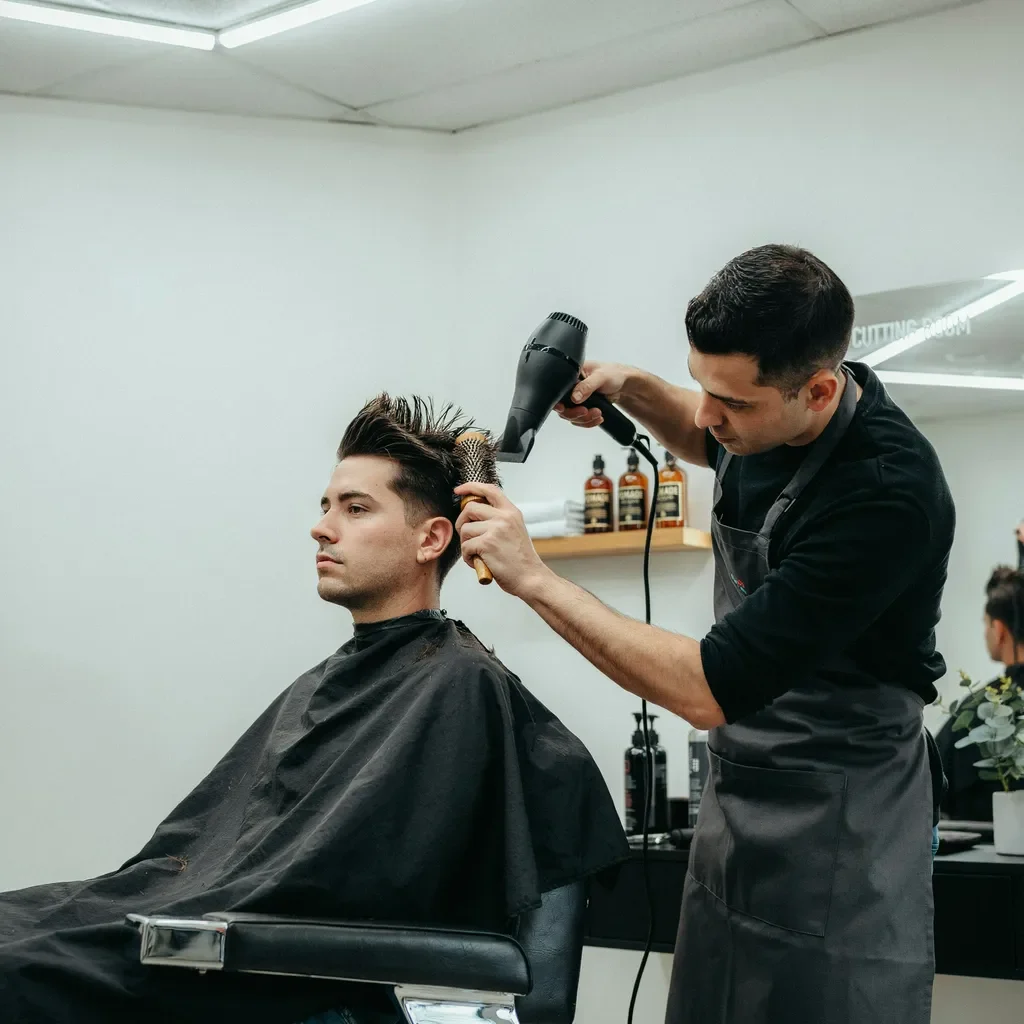
- Start with damp, not soaking wet, hair. Towel-dry until it is just damp.
- Apply product to the roots at the front first. A strong-hold pomade or clay works best for a quiff specifically, since you are fighting gravity to hold height.
- Blow-dry with a round brush, lifting the front section up and back as you dry. This is the step that actually builds lasting volume, product alone on already-dry hair will not achieve the same lift.
- Comb or brush the front section up and slightly back once dry, using your fingers or a comb to shape the final line.
- Set with a light hairspray if you want the shape to hold through a long day, particularly for finer hair types that lose height faster.
Hair types and the quiff
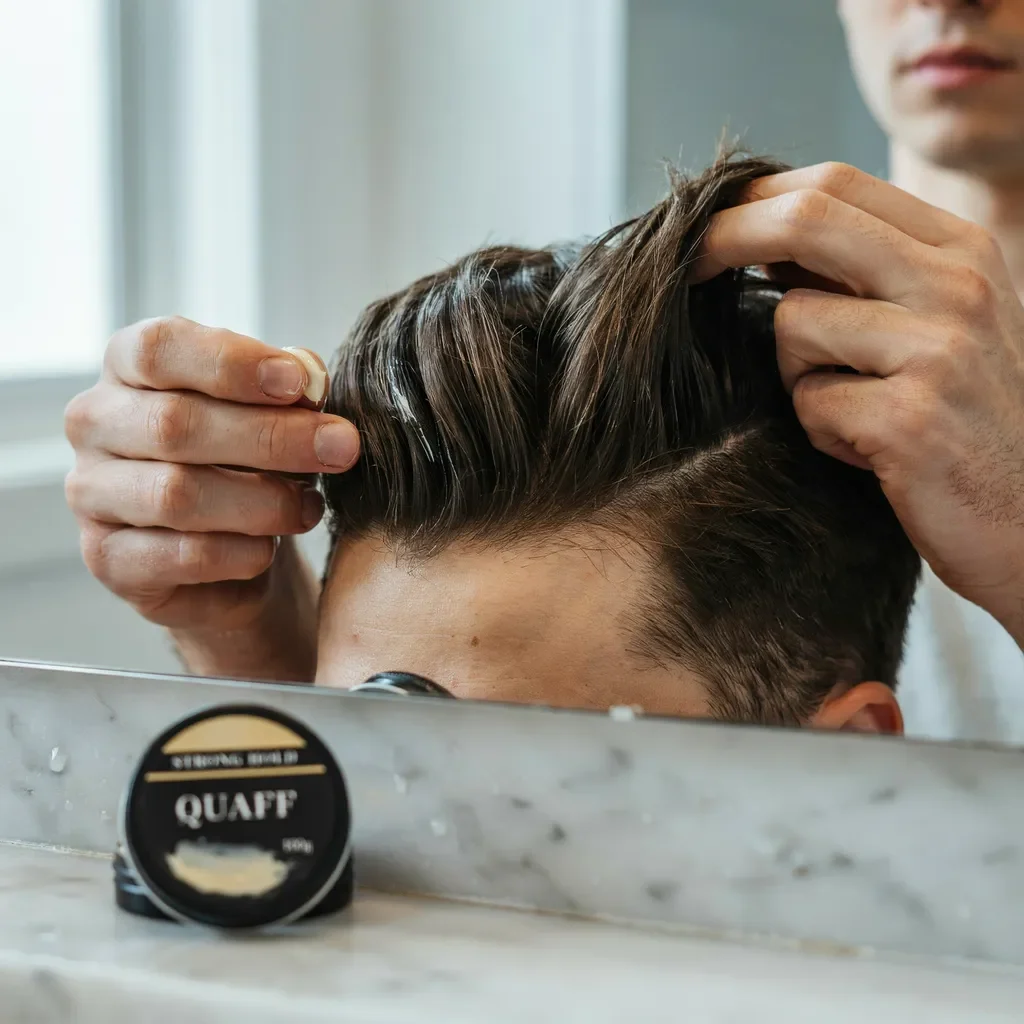
Straight and wavy hair generally hold a quiff shape most predictably with standard technique. Curly hair can absolutely wear a quiff, but often needs slightly more length to achieve comparable height, since curl shrinkage reduces the effective length available to work with. Very fine hair may need the blow-drying step specifically (rather than product alone) to build enough volume for the style to read clearly.
Maintenance
The fade itself follows the standard mid fade schedule, every 2 to 4 weeks. The front section needs enough length maintained to keep building height, so many men ask their barber to trim the back and sides more aggressively while leaving the front section largely untouched between fuller cuts, extending the time before the quiff-specific length needs a proper trim.
Common mistakes
Using too little product and expecting it to hold all day. A quiff genuinely needs a firm-hold product, not a light one, since it is actively working against gravity in a way most other styles are not.
Skipping the blow-dry step. Product on already-dry, flat hair can add hold but rarely builds the same amount of lift as directing the hair upward while it is actually drying.
Choosing too dramatic a fade contrast for a subtle quiff, or vice versa. A very tall, dramatic quiff pairs well with a higher-contrast, sharper fade; a shorter, more casual quiff often looks more balanced with a slightly softer fade transition.
The bottom line
A mid fade quiff is a reliable, classic combination that works across most hair types and face shapes, with the main requirements being enough length at the front, a strong-hold product, and a proper blow-dry technique to build lasting height. It needs more daily styling effort than a simple textured crop, but the payoff is a genuinely sharp, deliberate look.
Frequently asked questions
How much length do you need on top for a mid fade quiff? Generally at least two to three inches at the front for a basic quiff, more for a taller, more dramatic version. Curly hair often needs additional length to account for shrinkage.
What product works best for a mid fade quiff? A strong-hold pomade or clay, since the style needs to hold height against gravity throughout the day. Lighter products often are not sufficient on their own.
Do you need to blow-dry a quiff, or can you just apply product? Blow-drying with a round brush while lifting the hair up and back builds significantly more lasting volume than applying product to already-dry, flat hair.
Does curly hair work with a quiff? Yes, but it typically needs somewhat more length than straight hair to achieve comparable height, since curl shrinkage reduces the effective length available.
How often do you need a haircut to maintain a mid fade quiff? The fade itself needs attention every 2 to 4 weeks, similar to any mid fade. The front section is often trimmed less frequently to preserve the length needed for height.
About the Author
Daniel Reyes got his first mid fade almost by accident. He asked his barber for “just a fade” and got one that started right at temple level. It became the cut he kept going back to, so he built mid-fade.com to cover it properly instead of burying it in generic fade lists.