Mid Fade From the Back: What It Looks Like (Back View Guide)

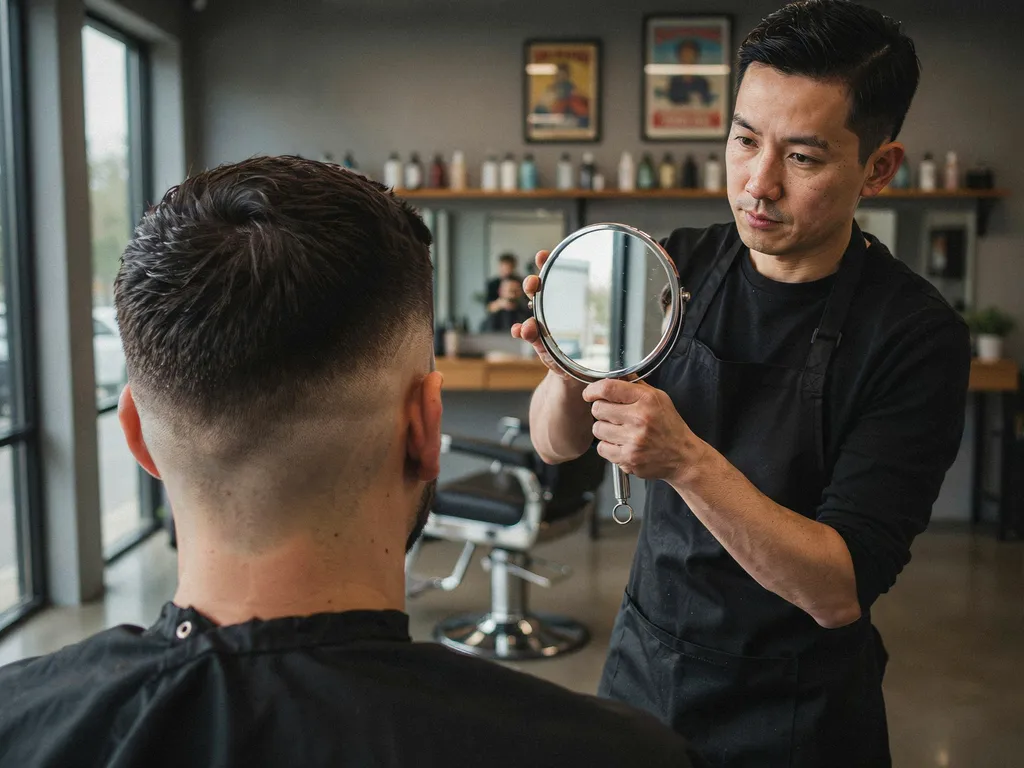
Quick answer: From the back, a mid fade shows a smooth blend that starts around the middle of the head and fades down to short or skin at the neckline, with no harsh lines. The back connects seamlessly to the faded sides, and the bottom is finished with a chosen neckline shape — usually a natural rounded, a blocked (square), or a tapered fade-out. A clean back view is the clearest sign of a well-cut mid fade.
People judge a haircut from the front in the mirror, but everyone else sees the back. The rear view is where a fade either looks sharp and professional or gives away a rushed job. This guide shows you exactly what a mid fade looks like from behind, the neckline options you can choose, and how to keep the back looking clean between cuts.
What a mid fade looks like from the back
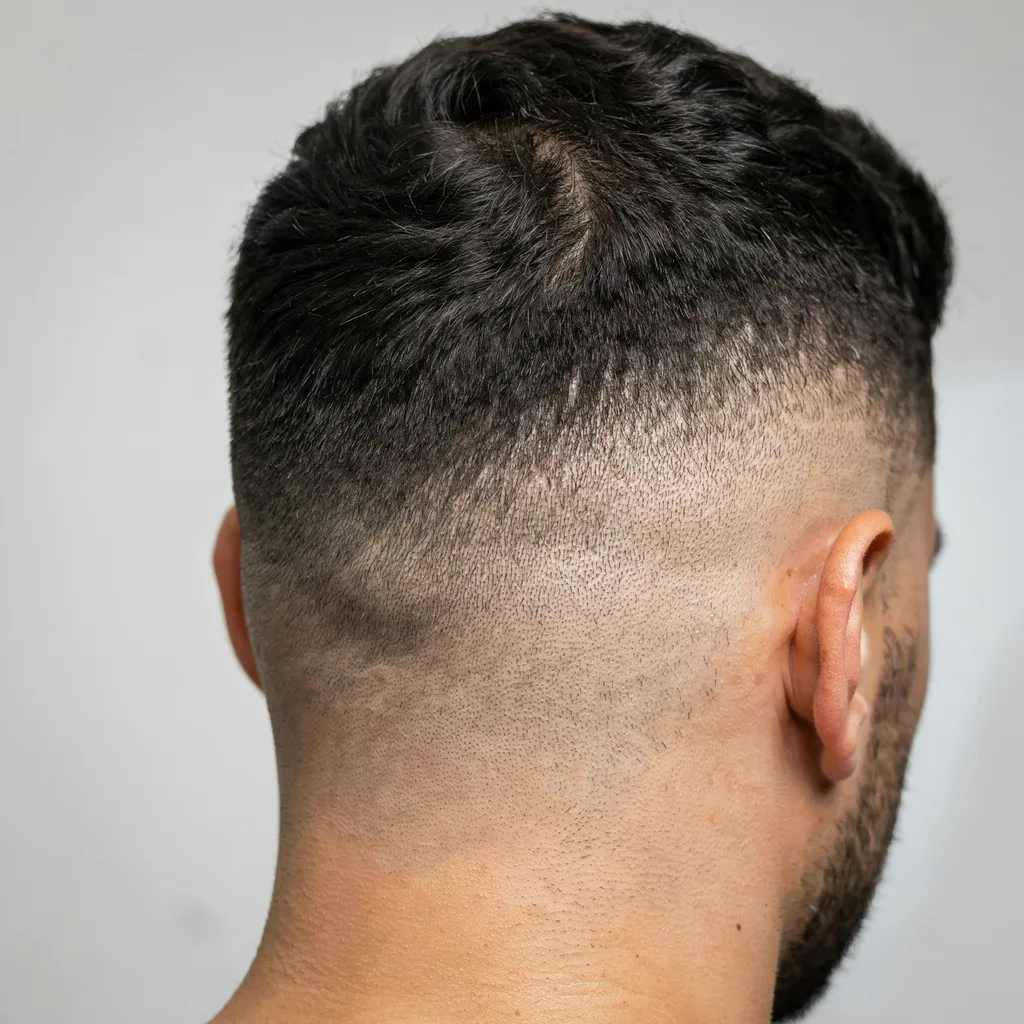
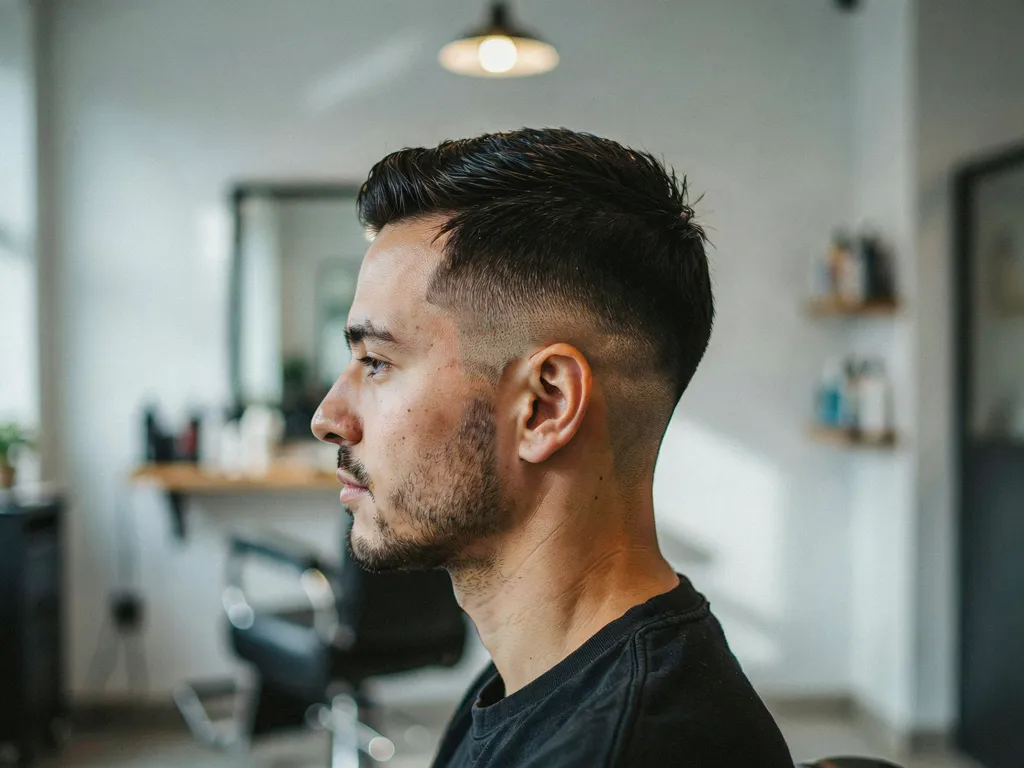
From behind, a mid fade reads as a gradual, even gradient. The hair is full and at its longest near the crown and upper back of the head, then blends progressively shorter as it travels down toward the nape of the neck. By the time it reaches the bottom, it’s blended to a very short length or all the way to skin, depending on the variation you chose.
The defining feature of a good back view is the seamless connection between the back and the sides. Because a mid fade wraps around the whole head at the same temple-level starting height, the faded sides and the faded back should meet without any visible step, line, or patch. When it’s done well, you can’t tell where the side ends and the back begins — it’s one continuous blend. For the full breakdown of the cut overall, see our complete Mid Fade Haircut guide.
The neckline: where the back view is won or lost
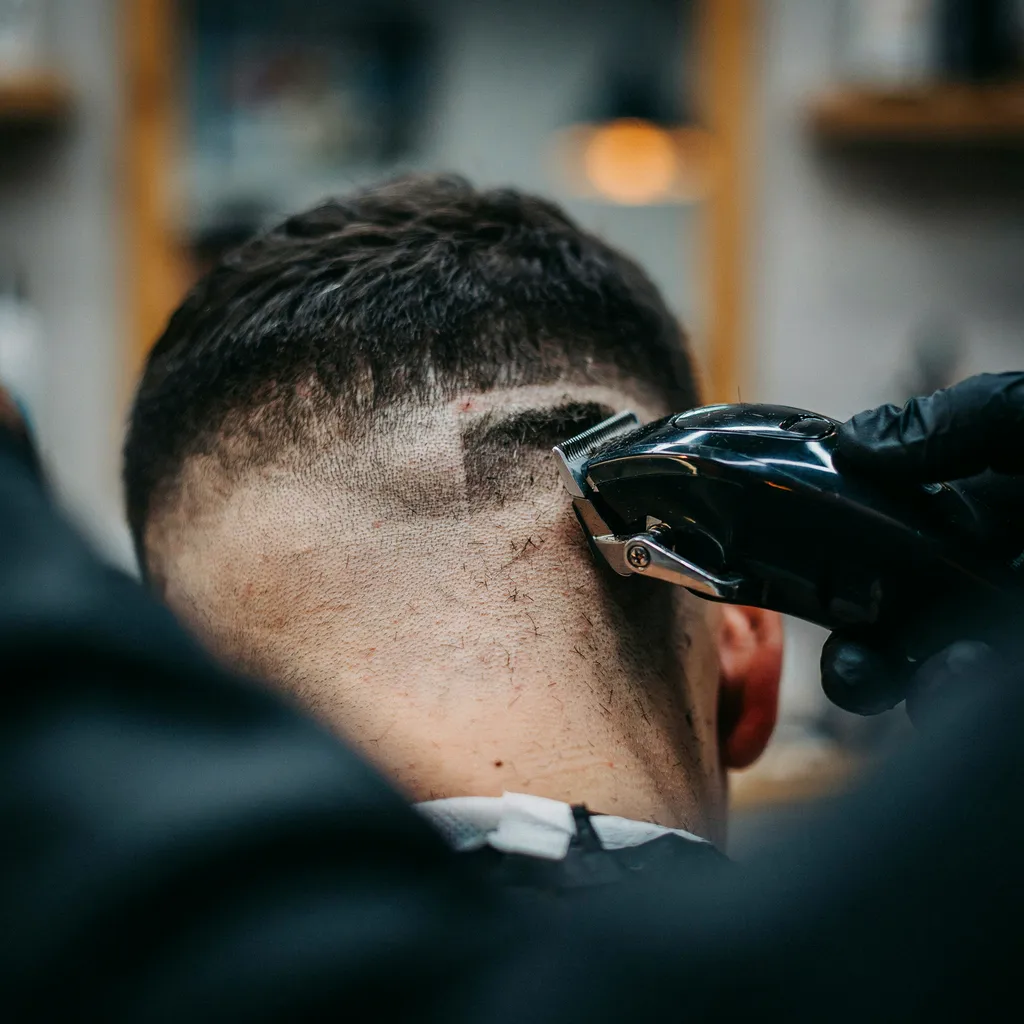
The single biggest factor in how your back view looks is the neckline — the way the very bottom of the haircut is shaped at the nape. There are three common finishes, and they change the whole vibe of the cut:
- Natural / rounded neckline. The hair is faded out softly so it follows your natural hairline, with no hard edge. This is the most low-maintenance option because it grows out cleanly and doesn’t leave an obvious outline as it gets longer. Most barbers recommend it for a mid fade.
- Blocked (square) neckline. A straight, sharp horizontal line is cut across the bottom. It looks crisp on day one but grows out faster and can look untidy within a week or two as stray hairs fill in below the line.
- Tapered / faded-out neckline. The fade simply continues all the way down and disappears into the skin with no defined edge at all. This is the cleanest match for a mid bald (skin) fade and keeps the back looking sharp the longest.
If you want the back to stay neat with minimal upkeep, a natural or tapered neckline is the smart choice.
How the back changes with different mid fade variations
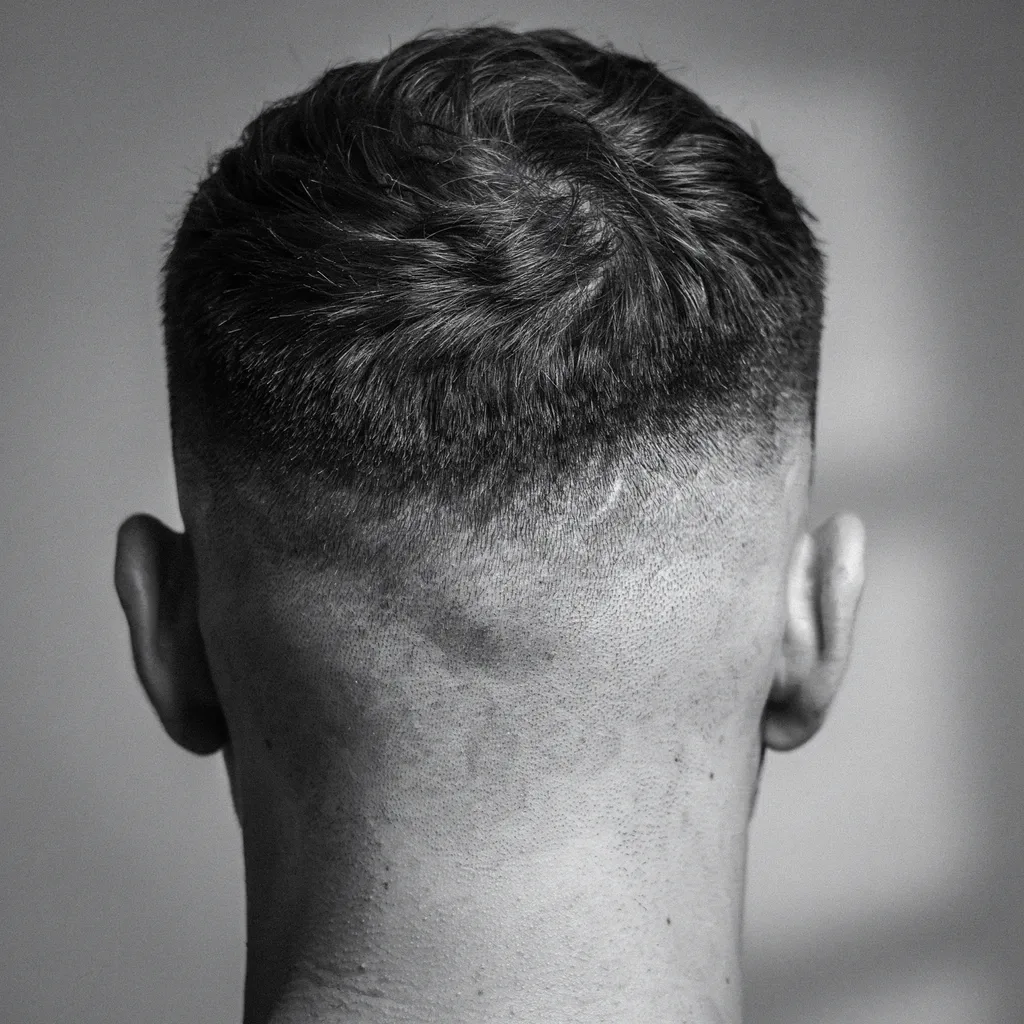
The back view shifts depending on which mid fade variation you pick:
- A mid drop fade shows the most dramatic back view, because the fade line curves downward behind the ears and dips lower at the back — creating a rounded, head-hugging shape that’s very visible from behind.
- A mid taper fade keeps a softer, more natural back, blending short but stopping before skin.
- A mid burst fade fans out in a semi-circle around each ear, so from the back you’ll often see a longer strip of hair running down the centre of the nape with the bursts curving away on either side.
Each one is still a mid fade — they just create a different silhouette when viewed from the rear.
Adding a design to the back
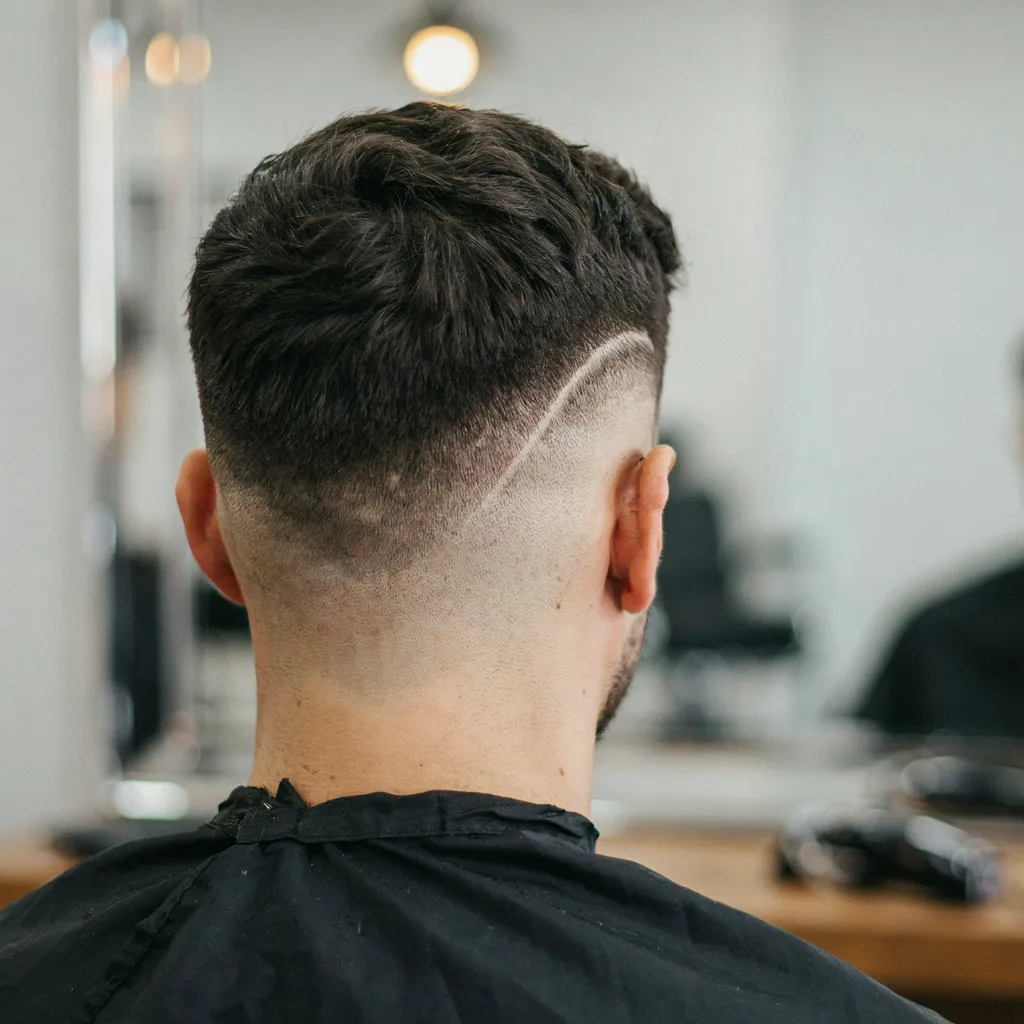
Because a mid fade leaves a clean, faded canvas around the back and sides, it’s a popular base for hair designs — lines, parts, or patterns shaved into the faded area. From the back, a single hard line or a small geometric pattern can add personality without much effort, and the faded backdrop makes the design stand out. If you like the idea of detailing, the back and the area behind the ears are the most visible spots to place it.
How to keep the back of your mid fade sharp
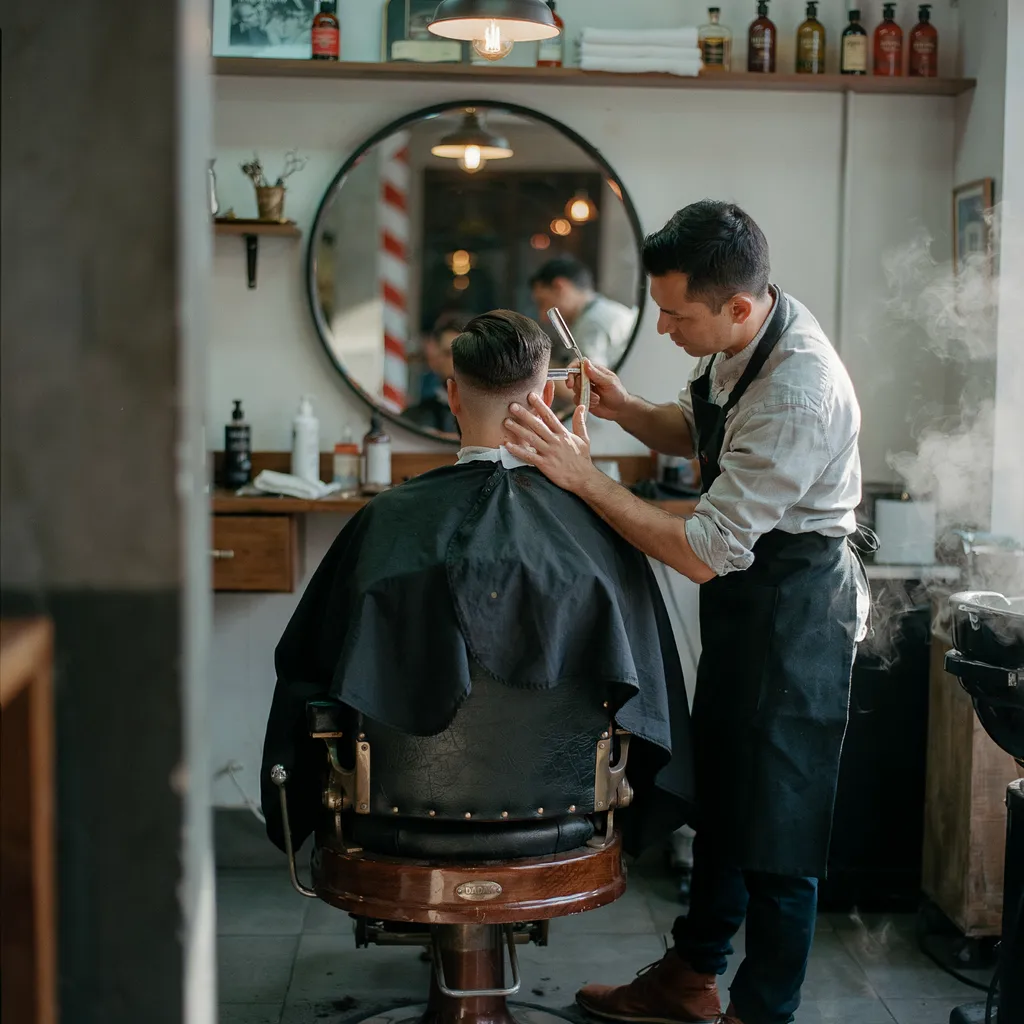
The back and neckline are the first areas to lose definition as your hair grows, usually within 2 to 3 weeks. A few habits keep it looking fresh:
- Book a neckline touch-up. Many barbers offer a quick, cheaper clean-up of just the back and neckline between full cuts — it takes a few minutes and resets the sharpest part of the cut.
- Choose a natural or tapered neckline if you can’t get back to the chair often, since these grow out far more gracefully than a blocked line.
- Keep the nape clean at home with a small trimmer along the very bottom, but avoid trying to re-cut the fade itself — that’s where home jobs go wrong.
For more on timing and upkeep across the whole cut, our broader maintenance advice in the Mid Fade Haircut guide covers the full refresh schedule.
How to ask your barber about the back
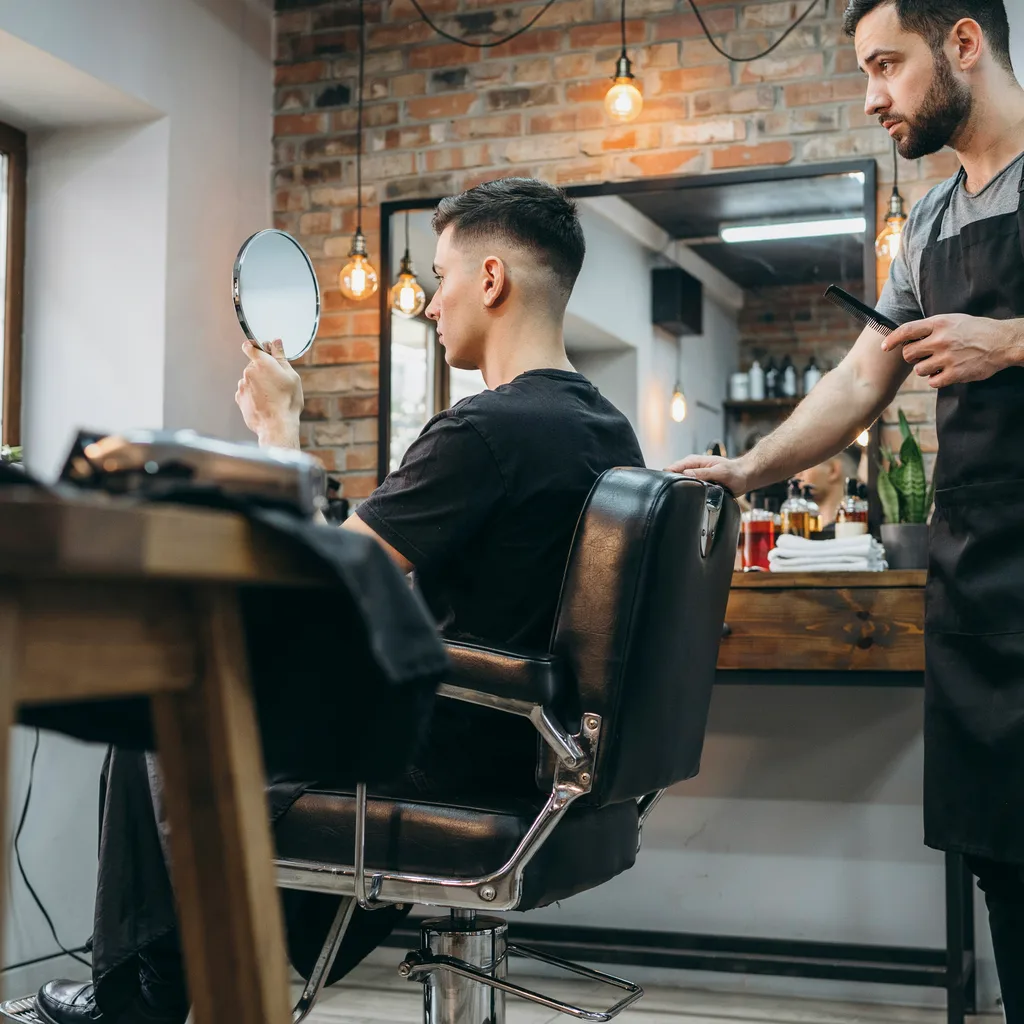
Since you can’t watch the back being cut, describe what you want before they start:
“I’d like a mid fade all the way around, blended into the back with no harsh line — give me a [natural / tapered] neckline so it grows out clean.”
If you want a design, mention it up front and show a photo. And it’s worth asking your barber to hand you a mirror at the end so you can check the back yourself — a good blend should look as smooth from behind as it does from the side.
The bottom line
From the back, a mid fade should look like one continuous, seamless blend from full at the crown to short or skin at the neckline, finished with a clean neckline shape. The back view is the truest test of a fade — get the blend and neckline right and your cut looks sharp from every angle.
Frequently asked questions
What does a mid fade look like from the back? From the back, a mid fade is a smooth gradient that blends from full hair near the crown down to short or skin at the neckline, with the back connecting seamlessly to the faded sides and no harsh lines.
What neckline is best for a mid fade? A natural (rounded) or tapered neckline is usually best, because both grow out cleanly. A blocked square neckline looks sharp at first but gets untidy faster.
Why does the back of my fade look uneven? An uneven back usually means the side and back blends weren’t connected smoothly, or the neckline grew out. A neckline touch-up or a re-blend fixes it.
How often should I clean up the back of a mid fade? The back and neckline lose definition first, usually within 2 to 3 weeks. A quick neckline touch-up between full cuts keeps it sharp.
Can you add a design to the back of a mid fade? Yes. The faded back and the area behind the ears are popular, highly visible spots for lines or patterns, and the faded backdrop makes the design stand out.
About the Author
Daniel Reyes got his first mid fade almost by accident. He asked his barber for “just a fade” and got one that started right at temple level. It became the cut he kept going back to, so he built mid-fade.com to cover it properly instead of burying it in generic fade lists.