How Much Hair Is Left on Top With a Mid Fade?

Quick answer: A mid fade does not touch the hair on top — the fade only affects the sides and back, starting at temple level and blending down. How much hair you keep on top is entirely your own choice, completely separate from the fade itself. You can pair a mid fade with anything from a very short buzz cut on top to several inches of length, depending on the style you want.
This is one of the most practical questions to answer before your first mid fade — and the answer surprises a lot of people. The fade and the top are two independent decisions. Here is how to think about them separately, and how to choose the right top length for your face, hair type, and lifestyle.
The fade only affects the sides and back
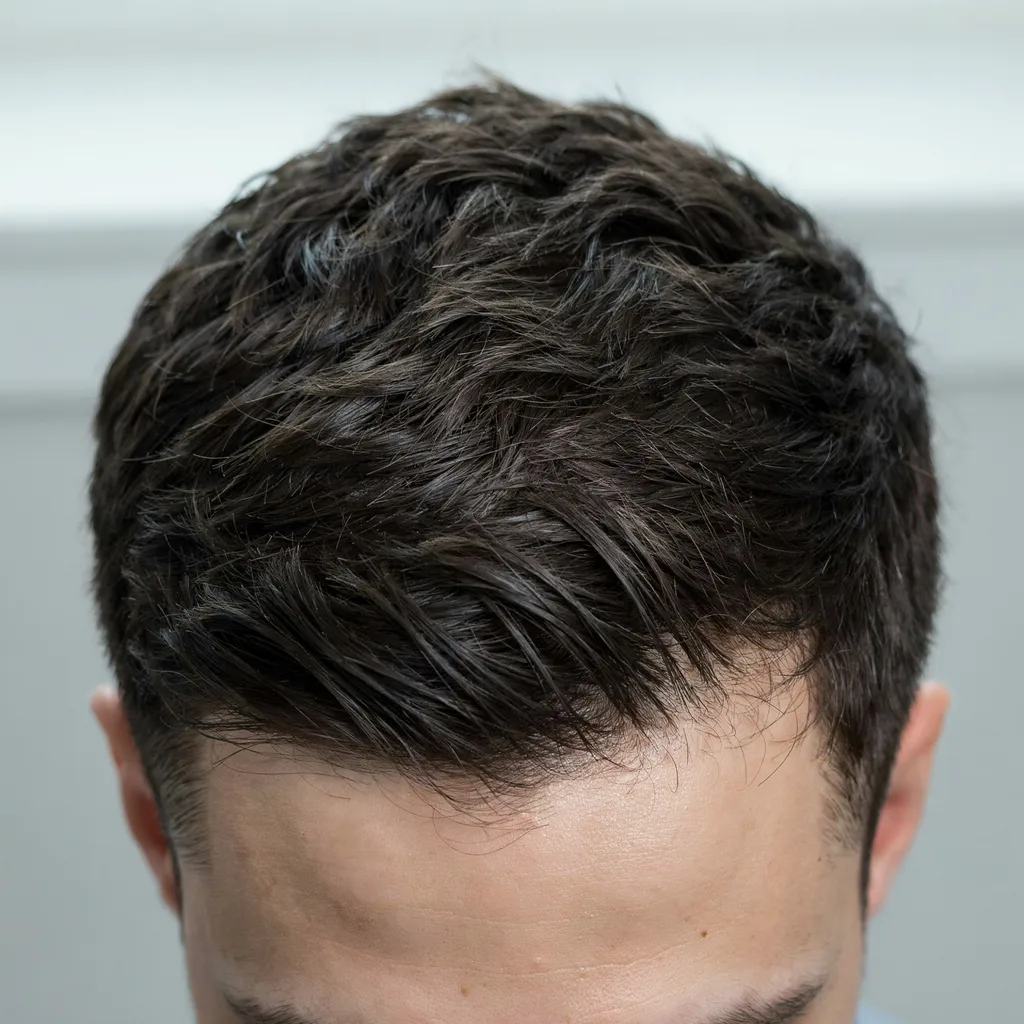
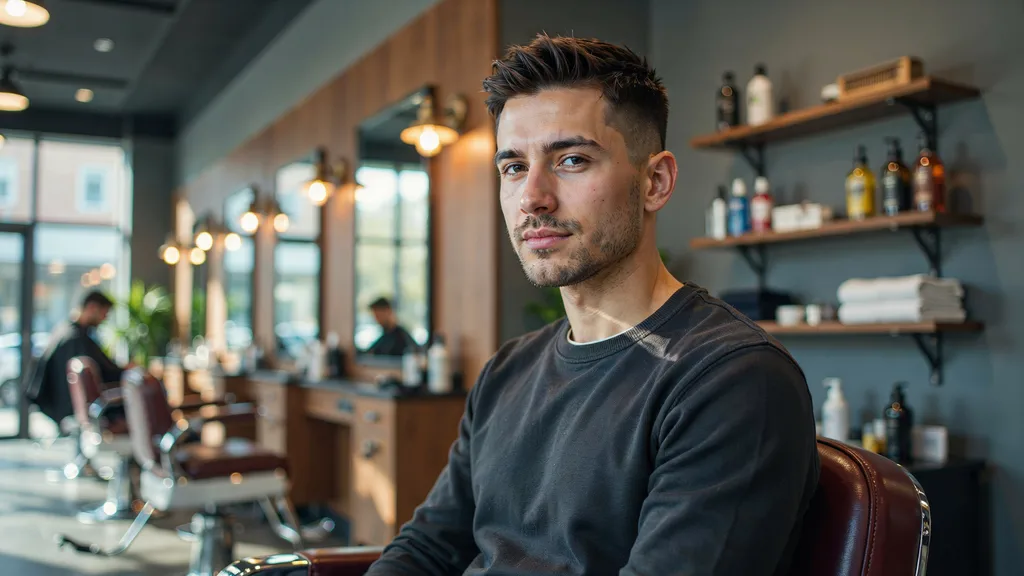
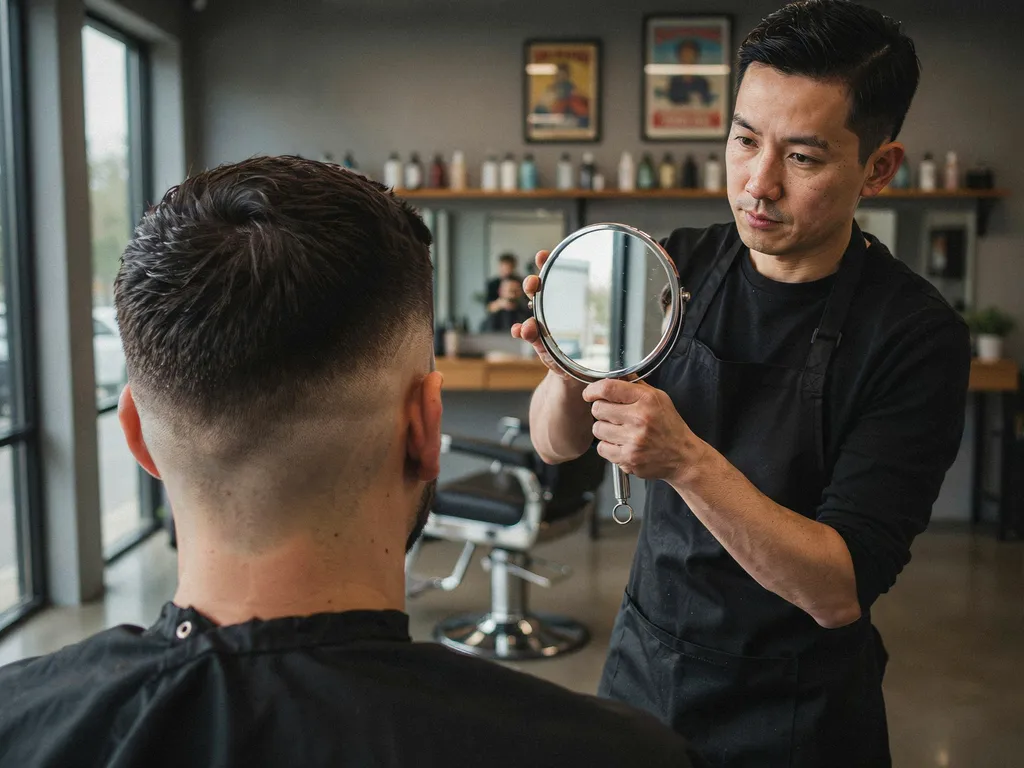
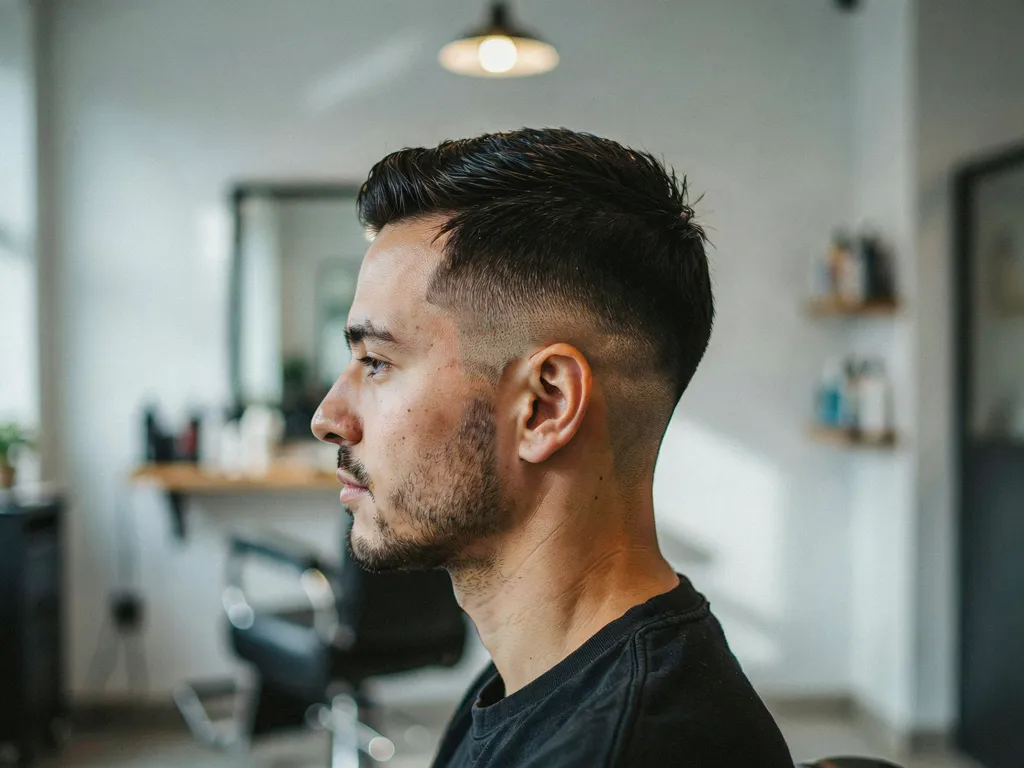
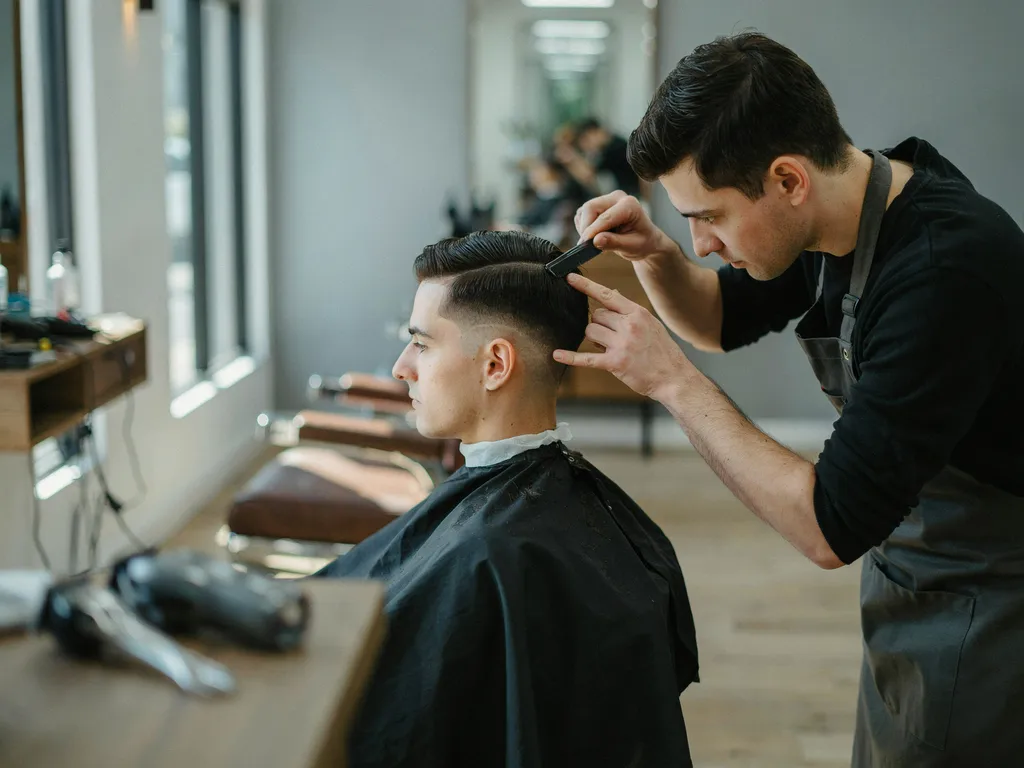
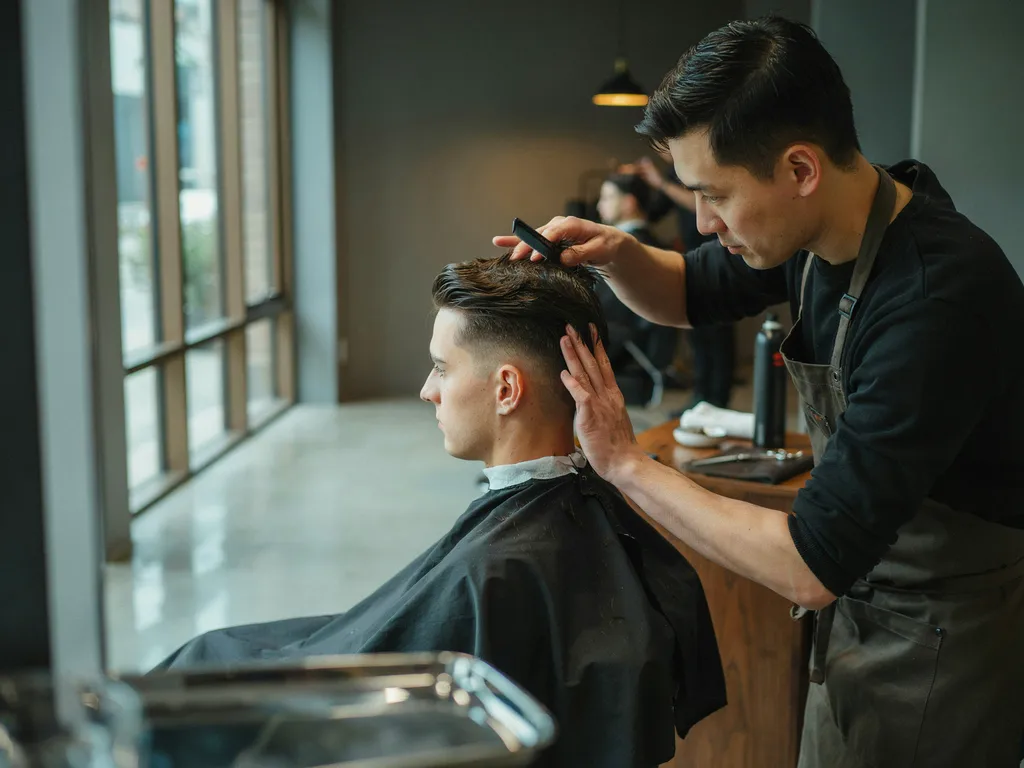
The most important thing to understand is that a mid fade is a technique applied to the sides and back of the head only. It starts at temple level, blends down past the ear, and wraps around to the neckline. Everything above the temple-level fade line — all the hair on the crown and top — is untouched by the fade itself.
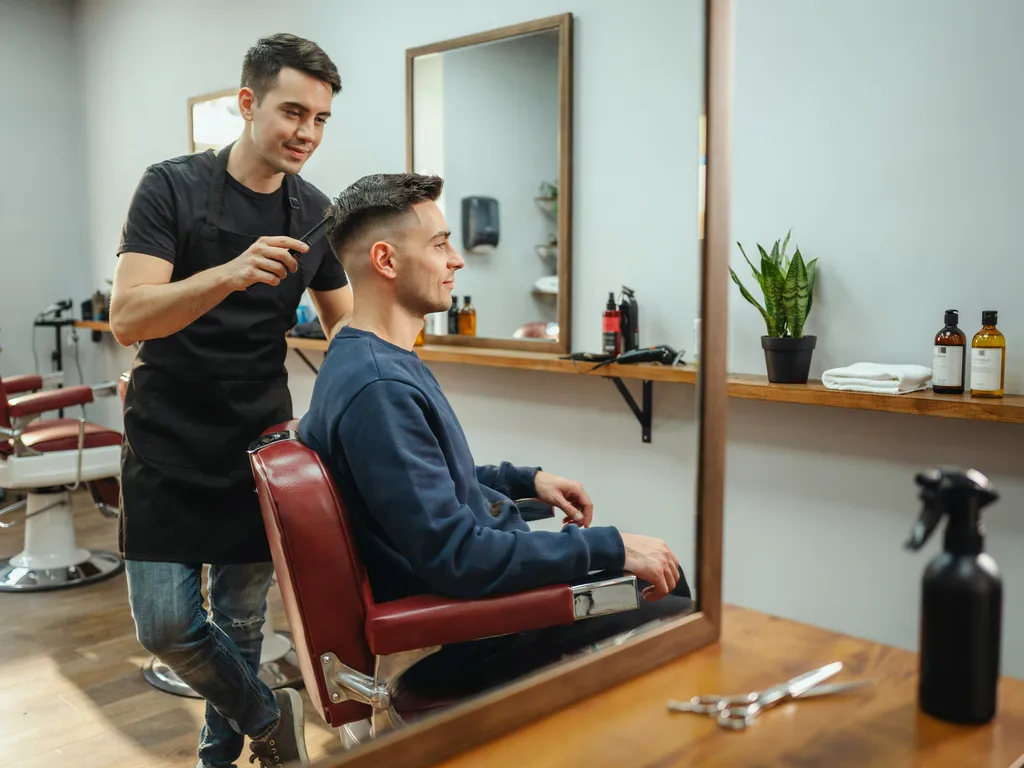
This means that when you ask for a mid fade, you’re only specifying one half of your haircut. The other half — the top — needs its own instruction. When a barber asks “what would you like on top?” after you’ve asked for a mid fade, they’re not being difficult. They genuinely need a second set of instructions, because the fade tells them nothing about the top. For everything about the cut as a whole, see our complete Mid Fade Haircut guide.
The common top lengths with a mid fade
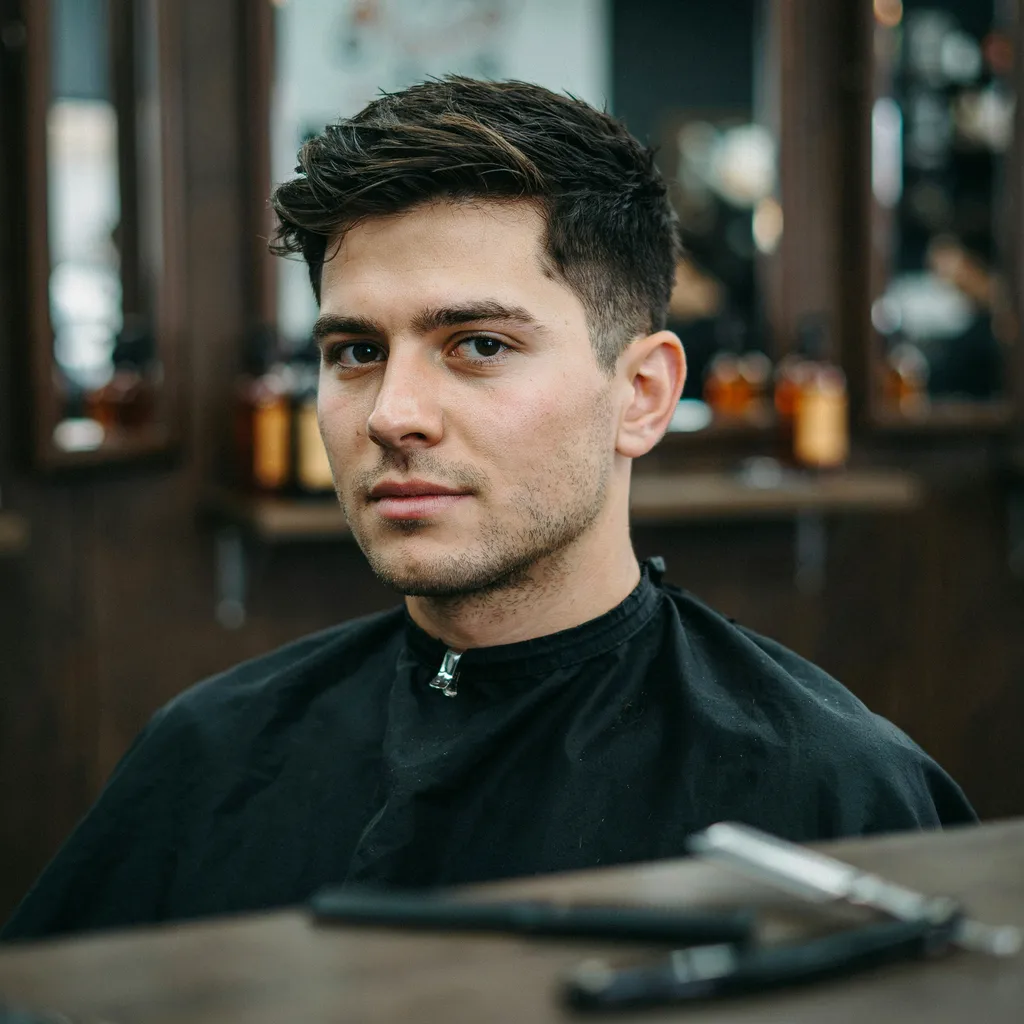
There is no single “correct” amount of hair on top — but these are the most popular options, from shortest to longest:
Very short (buzz cut length, #1–#3 on top): A mid fade buzz cut keeps the top very short — sometimes the same length as the upper fade — for a clean, low-maintenance look with a strong contrast between the very short top and the even shorter faded sides. This is one of the most popular combinations for men who want minimal styling.
Short textured (1–2 inches): This is the sweet spot for most mid fades. At 1 to 2 inches on top, you have enough length for texture, movement, and styling, but short enough that it stays tidy without much effort. This length supports the textured crop, messy top, and most casual styles.
Medium (2–3 inches): At 2 to 3 inches, you get genuine styling flexibility — enough for a comb over, a slick back, a quiff, or a pompadour. This length creates the strongest visual contrast with the faded sides because the difference in length is most dramatic.
Longer (3+ inches): A mid fade with longer hair on top — 3 inches or more — is less common but increasingly popular, particularly for men with curly or wavy hair who want volume and movement. It creates a bold, high-contrast silhouette. The fade keeps the sides clean and defined while the top does the styling heavy lifting.
How to choose the right top length for you

Three factors should guide your decision:
Your lifestyle and how much time you want to spend styling: If you want to shower, run a hand through your hair, and go — keep the top short (1 inch or under). If you enjoy styling and want to experiment with different looks — go for 2 to 3 inches. Longer tops require more product and more time every morning.
Your hair type: Thick or curly hair can carry longer lengths without looking shapeless — in fact, longer curls on top of a mid fade are one of the strongest-looking combinations in men’s hair. See best fades for curly hair. Thin or fine hair generally looks best kept shorter on top, because length can emphasise flatness rather than adding volume.
Your face shape: The top length adjusts the overall silhouette of your head in profile. If you have a rounder face, a touch more height on top (a quiff or volume at the crown) helps balance the proportions. If you have a longer face, keeping the top flatter and shorter avoids adding unwanted height.
The contrast relationship between top and sides
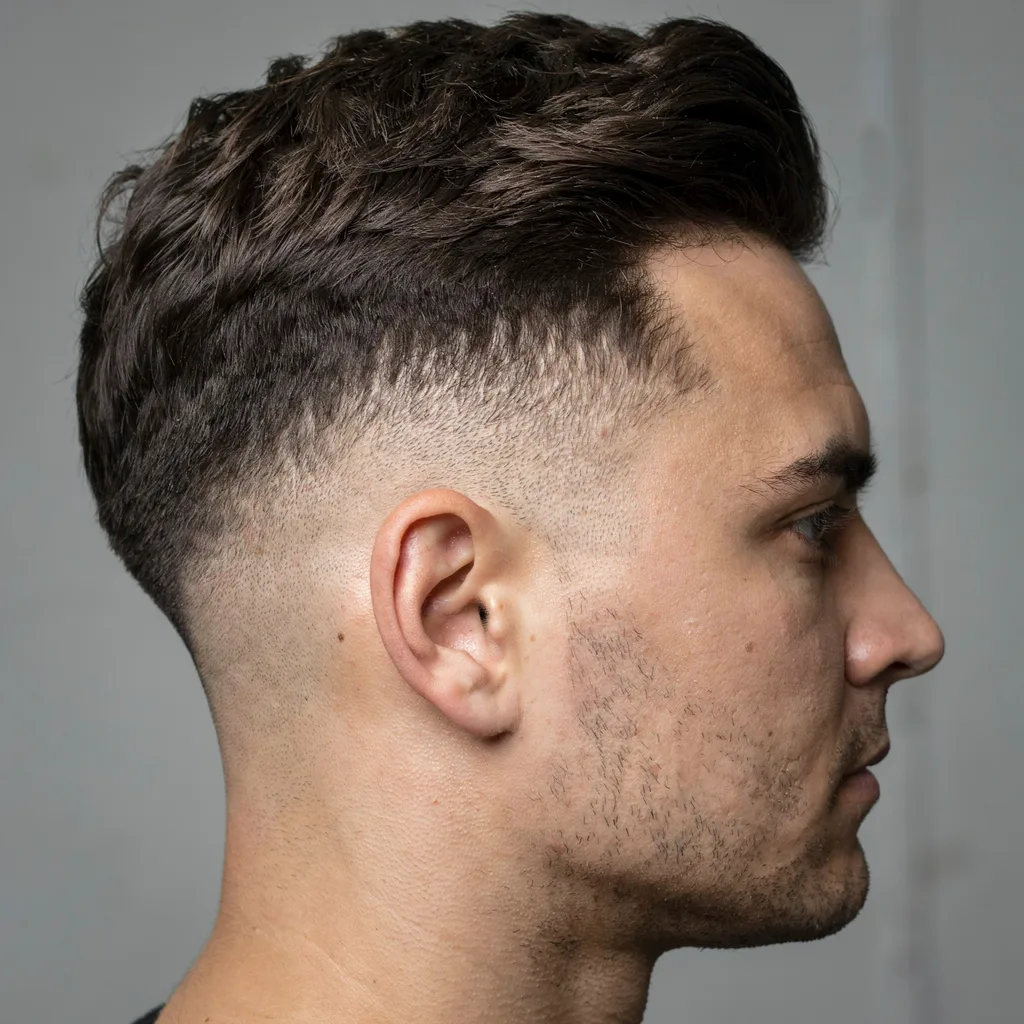
One thing worth understanding is that the visual impact of your mid fade is partly determined by the difference between the top length and the faded sides. The more contrast between the two, the bolder and more dramatic the cut looks.
A very short top (buzz cut) with a mid skin fade still looks clean and deliberate, but the overall cut reads quite uniform and low-key. A 2–3 inch styled top with a tight mid skin fade creates a dramatic, head-turning contrast. Neither is better — they’re just different characters. Choose based on how bold or understated you want to look.
Can you change the top length without changing the fade?
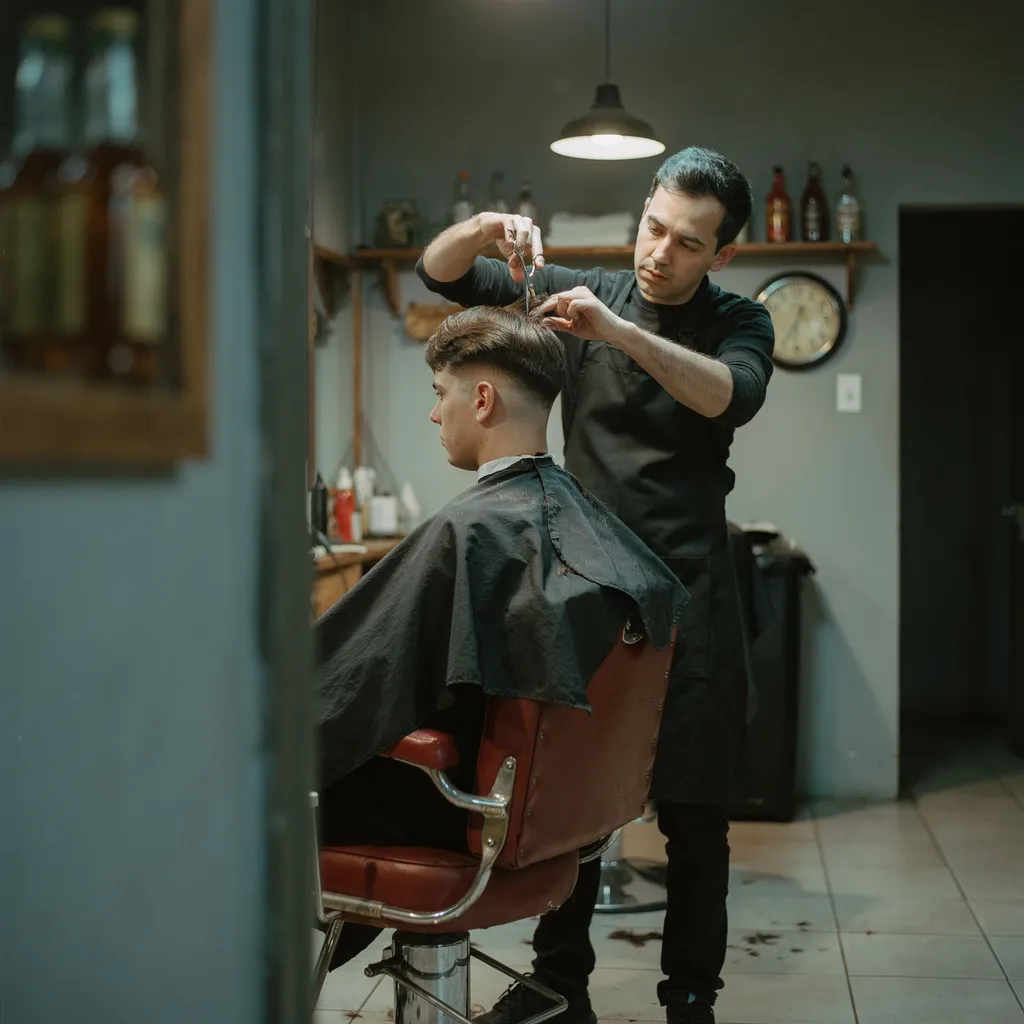
Yes, absolutely. The fade and the top are independent. If you come back to the barber in a few weeks and want to try a different top length, your barber can adjust the top without changing the fade height at all. This makes the mid fade particularly flexible for men who like to experiment — the base stays the same while the top evolves.
How to tell your barber what you want on top
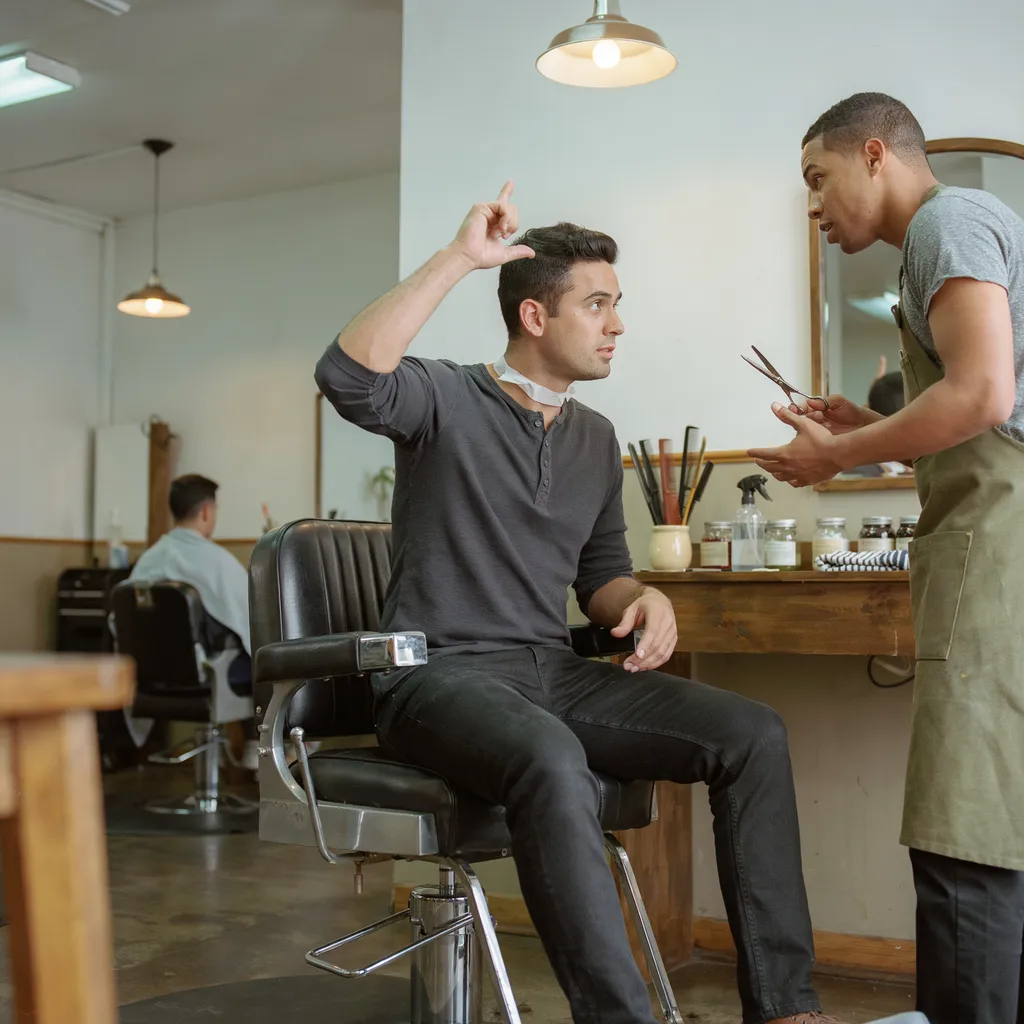
After asking for a mid fade, specify the top using either a clipper guard number (for short tops), an inch measurement, or a style name:
- “Mid fade, then a #3 on top” — short, textured buzz.
- “Mid fade, then leave about 2 inches on top, texturize it.”
- “Mid fade, then a textured crop on top.”
- “Mid fade, then leave it long enough to slick back.”
Bringing a reference photo for the top is the clearest communication of all — show the front and side view of the top style you want, separately from whatever fade photo you’re using. For detailed guidance on the conversation with your barber, our guide on how to ask your barber for a mid fade covers the full script.
The bottom line
A mid fade leaves your top hair completely untouched — the fade is a sides-and-back technique only. How much hair stays on top is your decision, from a short buzz to several inches of length. Choose based on your lifestyle, hair type, and face shape, and tell your barber both what fade you want and what you want on top to get the full picture right.
Frequently asked questions
Does a mid fade cut the hair on top? No. A mid fade only affects the sides and back, starting at temple level. The hair on top is left at whatever length you specify separately.
How long should the top be for a mid fade? There is no single correct answer. Most men go for 1 to 2 inches on top for a versatile, low-maintenance look. Longer tops (2–3 inches) create more contrast and more styling options. Shorter tops (buzz cut length) give a clean, minimal result.
What top style looks best with a mid fade? The best top style depends on your hair type, face shape, and lifestyle. Textured crops, comb overs, slick backs, and quiffs are among the most popular pairings. Any style that works for your hair type can work on top of a mid fade.
Can I have a mid fade with long hair on top? Yes. A mid fade with longer hair on top (3 or more inches) is a strong-looking combination, particularly for curly or wavy hair. The faded sides keep the look clean and defined while the length on top adds volume and movement.
What is the difference between a mid fade and a mid fade buzz cut? A mid fade buzz cut combines a mid fade on the sides with a very short, uniform length on top (usually a #1 to #3 clipper guard). A standard mid fade leaves more length on top for styling.
About the Author
Daniel Reyes got his first mid fade almost by accident. He asked his barber for “just a fade” and got one that started right at temple level. It became the cut he kept going back to, so he built mid-fade.com to cover it properly instead of burying it in generic fade lists.