Mid Fade From the Side: The Full Profile Look Explained

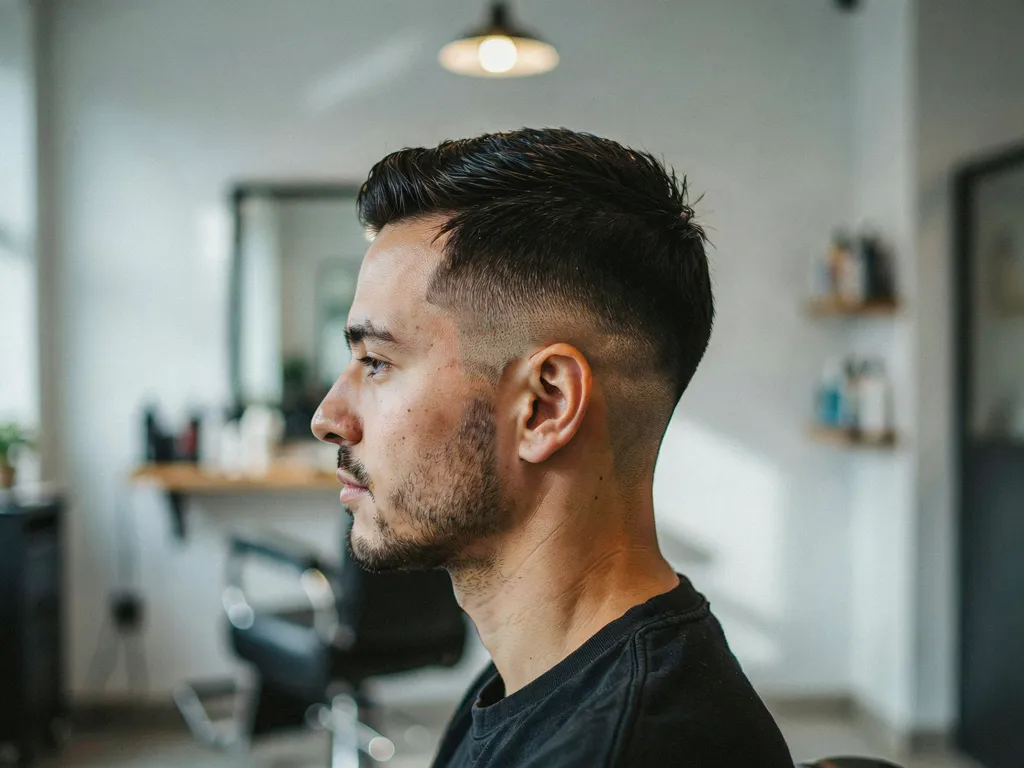
Quick answer: From the side, a mid fade shows its defining feature most clearly: the fade line begins at temple level, about 1 to 2 inches above the ear, and blends smoothly down and around the ear to the neckline. The profile reveals the contrast between the full top and the short sides, how the fade wraps the ear, and how the sideburn connects into the blend. The side view is the angle where a mid fade’s balance is easiest to see.
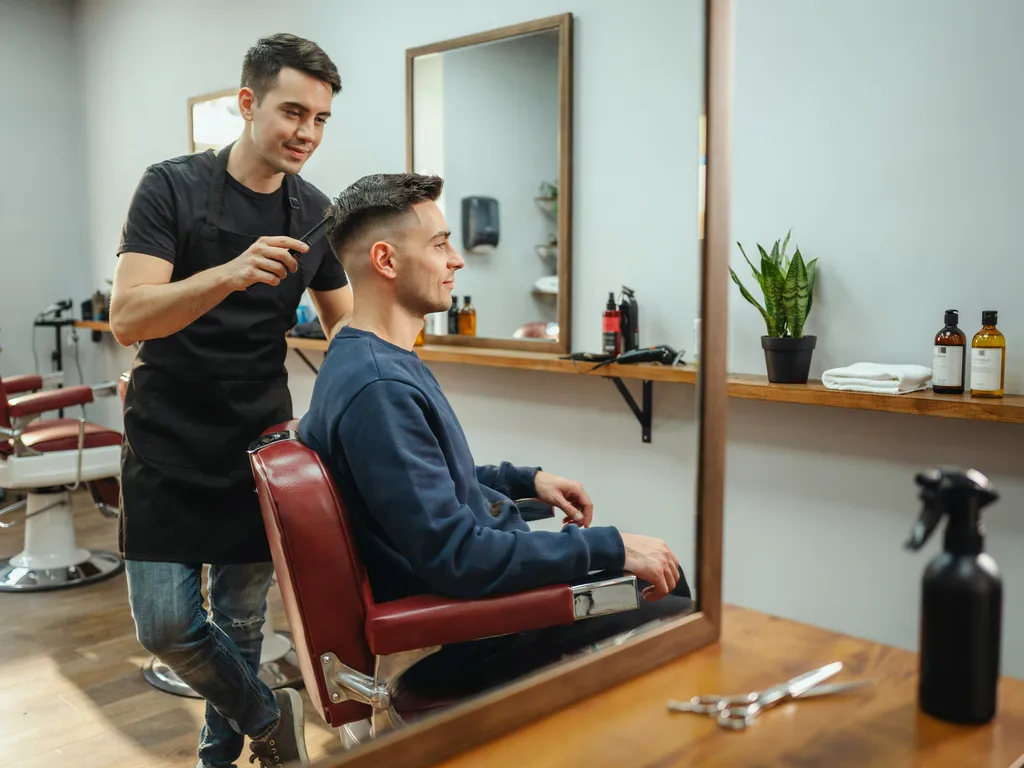
The side profile is the “signature” view of a fade — it’s the angle that shows exactly where the fade starts and how cleanly it blends. If the front shows your style and the back shows the finish, the side shows the craftsmanship. This guide breaks down what a mid fade looks like in profile, how the fade handles the ear and sideburn, and how that side placement frames your face.
What a mid fade looks like from the side
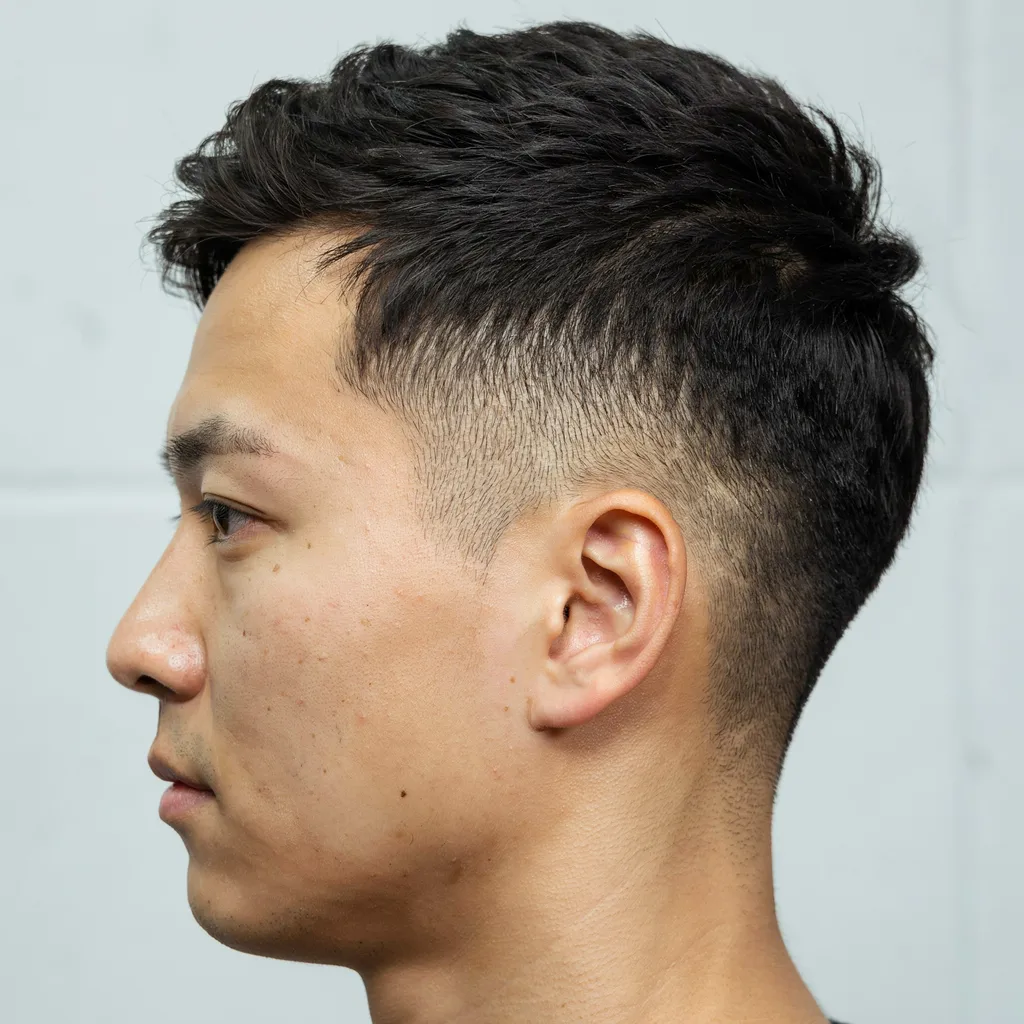
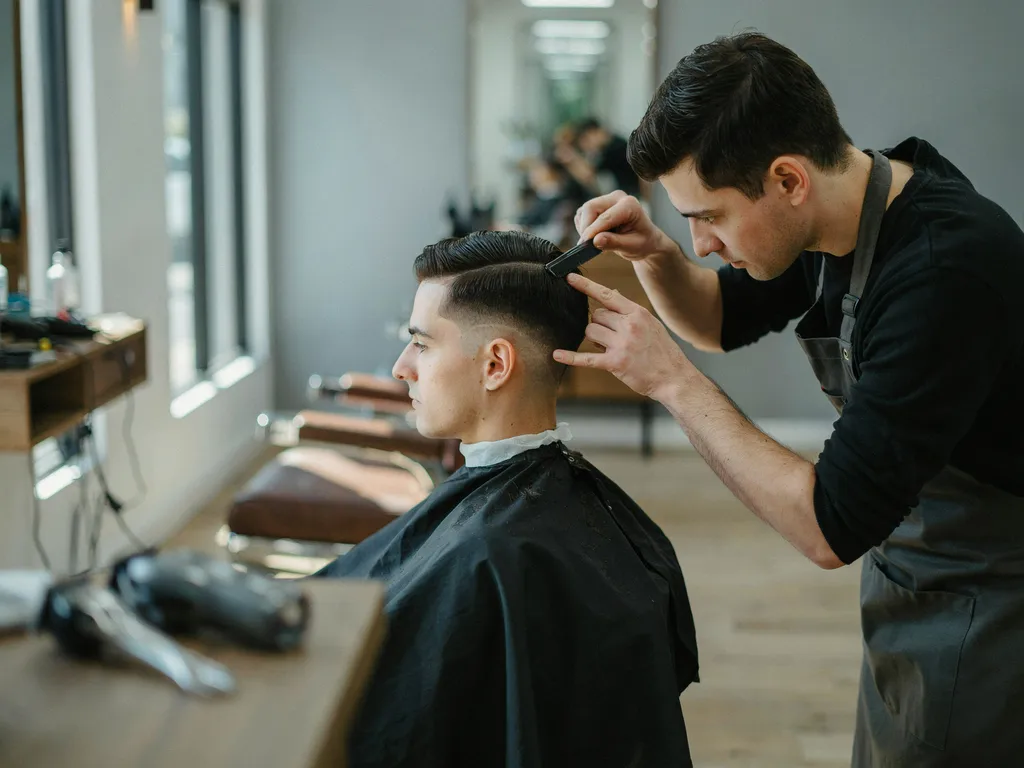
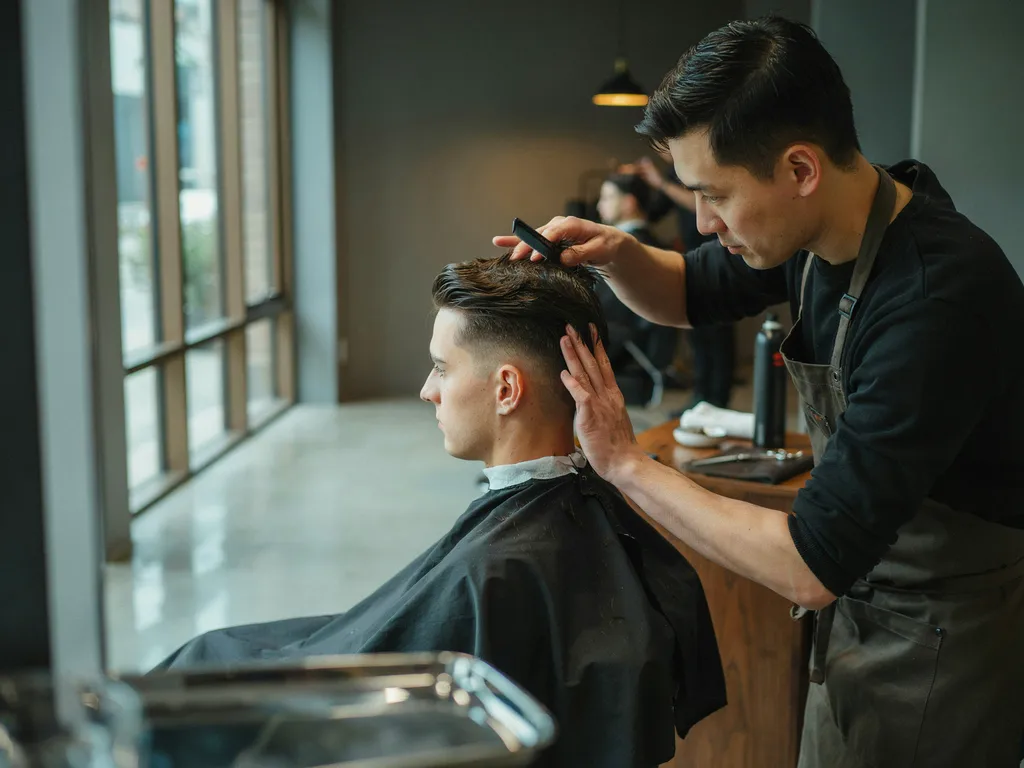
In profile, a mid fade reads as three clear zones stacked from top to bottom. At the top, your hair sits at full length in whatever style you’ve chosen. Around the middle of the side — at temple level — the fade line begins, and this is the most recognisable marker of the cut when viewed from the side. From that line downward, the hair blends progressively shorter until it reaches short or skin at the bottom, curving around the ear and down to the neckline.
The side view is where the mid fade’s balance becomes obvious. The fade line sits high enough to create a visible, modern contrast, but low enough that the upper side of the head keeps some length — unlike a high fade, which exposes much more of the side in profile. For the complete picture of the cut and its variations, see our full Mid Fade Haircut guide.
How the fade wraps around the ear
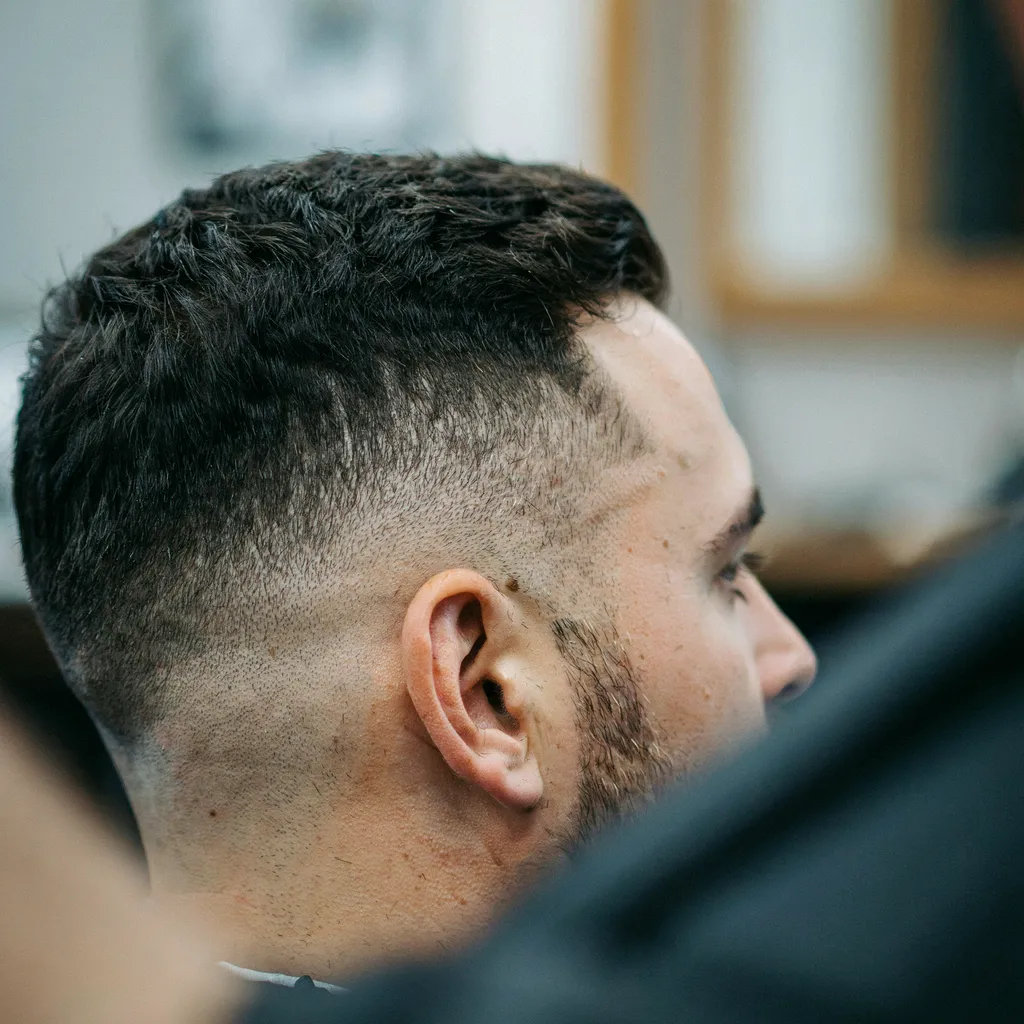
One of the most important details visible from the side is how the fade handles the ear. A skilled barber blends the hair cleanly around the top and back of the ear so there are no tufts, gaps, or harsh lines near it. On a mid fade, the fade is already fairly short by the time it reaches ear level, so the area around the ear looks neat and close.
This is also where variations show themselves most in profile:
- A mid drop fade curves below the ear from the side, “dropping” along the hairline for a rounded look.
- A mid burst fade fans out in a semi-circle around the ear, which is unmistakable from the side.
- A standard mid fade blends straight down past the ear without curving, for the cleanest, most uniform profile.
The sideburn: a detail that defines the profile
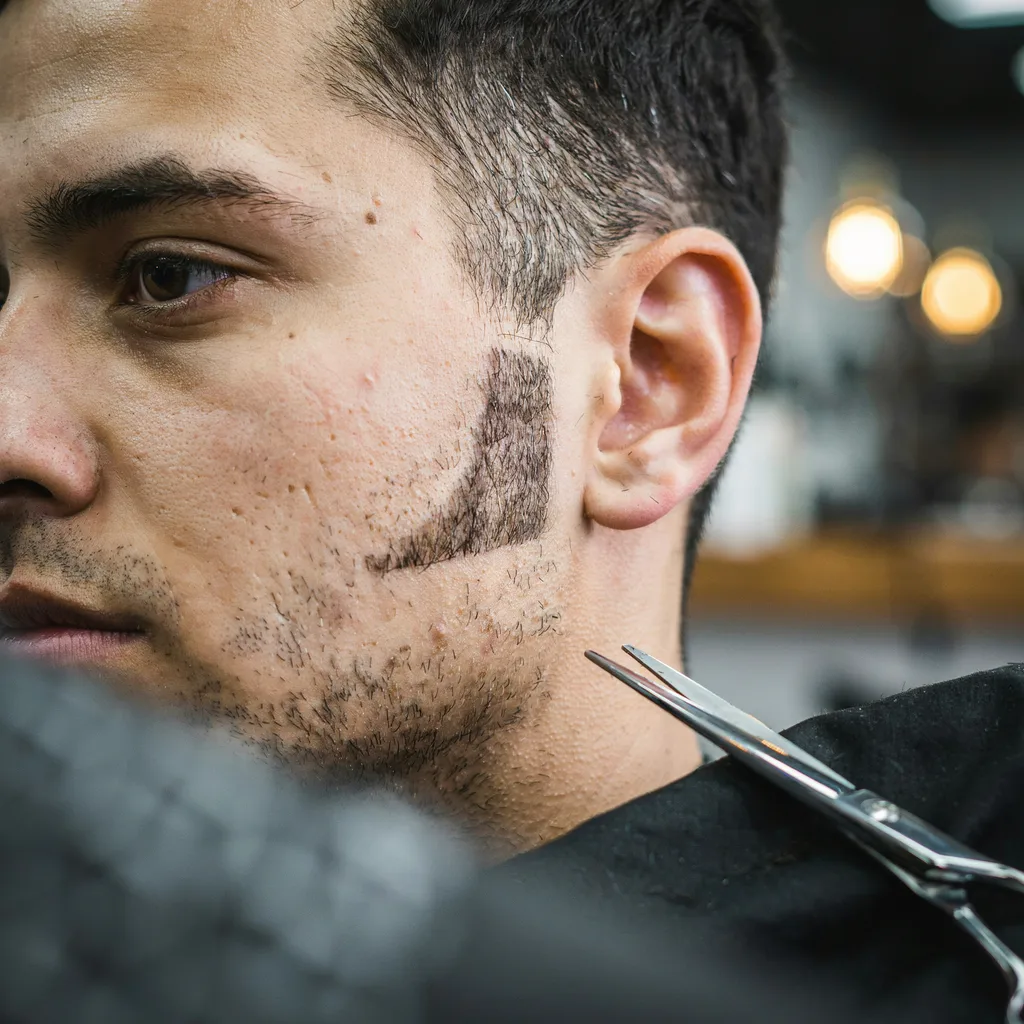
The sideburn is the small strip of hair in front of the ear, and from the side it’s a major part of how polished the cut looks. On a mid fade, the sideburn usually connects into the fade — it’s blended shorter so it flows into the faded side rather than sitting as a separate block of hair. You have options here:
- Blended / faded sideburn — the most common, where the sideburn melts into the fade for a seamless profile.
- Defined sideburn — a slightly crisper edge, often chosen when the cut connects into a beard.
If you wear facial hair, the side view is also where a mid fade with a beard really shines, because the faded sideburn can connect straight into the beard line for a continuous, jaw-framing effect.
How the side placement frames your face

The reason a mid fade suits so many people comes down to what the side profile does to your facial proportions. Because the fade starts in the middle of the side, it draws a clean vertical contrast beside the face without pushing height too high or keeping it too low. The result keeps your face looking balanced rather than longer or wider.
That’s why the mid fade flatters round, oval, square, and heart-shaped faces — the side profile stays proportional. You can fine-tune it further with the top: adding height on top (a quiff or pompadour) lengthens a rounder face in profile, while a flatter textured crop keeps things low-key. For a full comparison of how the side placement differs across fade heights, see Low Fade vs Mid Fade vs High Fade.
Why the side view is the best angle to check your fade
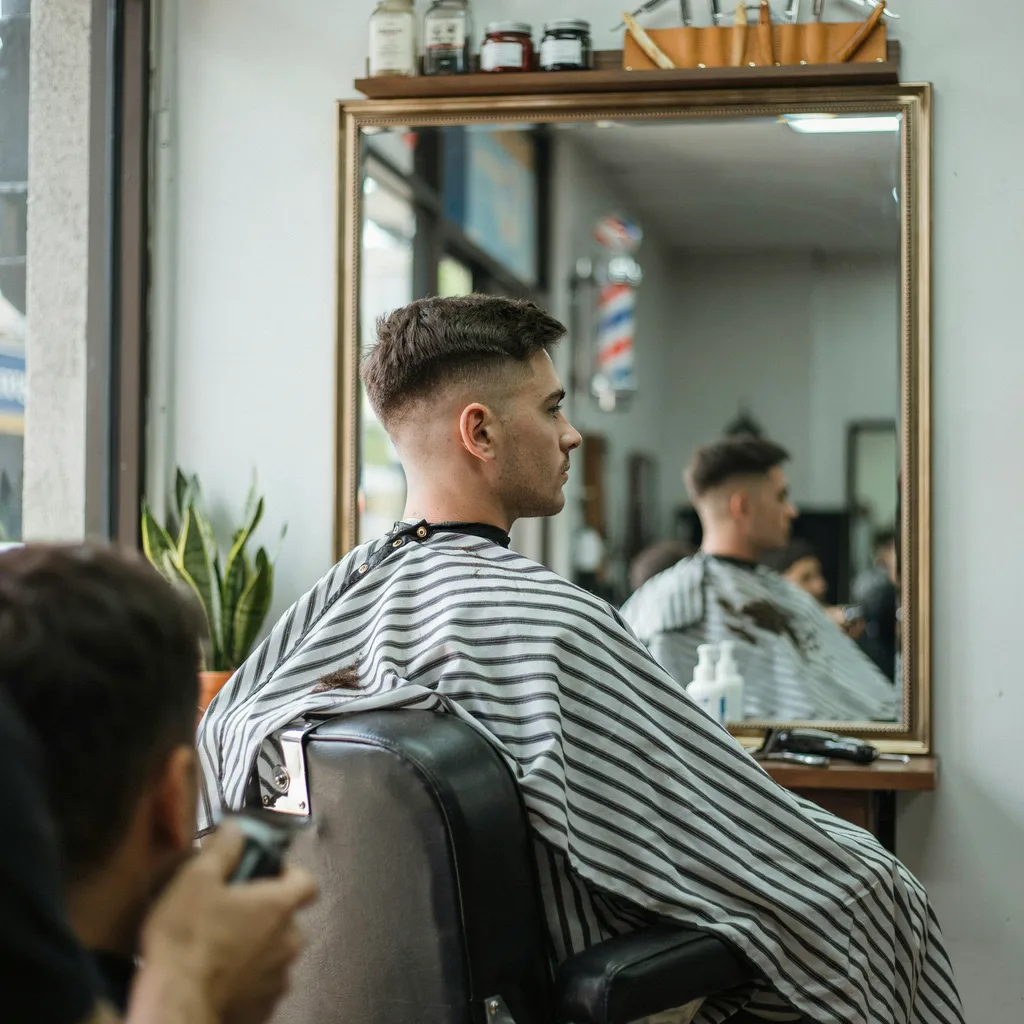
If you only check one angle after a haircut, make it the side. The profile instantly reveals:
- Where the fade actually starts — confirm it’s at temple level, not lower (low fade) or higher (high fade).
- How smooth the blend is — you should see a gradient with no lines or steps from the fade line down to the bottom.
- How clean the ear and sideburn are — no tufts, no gaps, a neat connection.
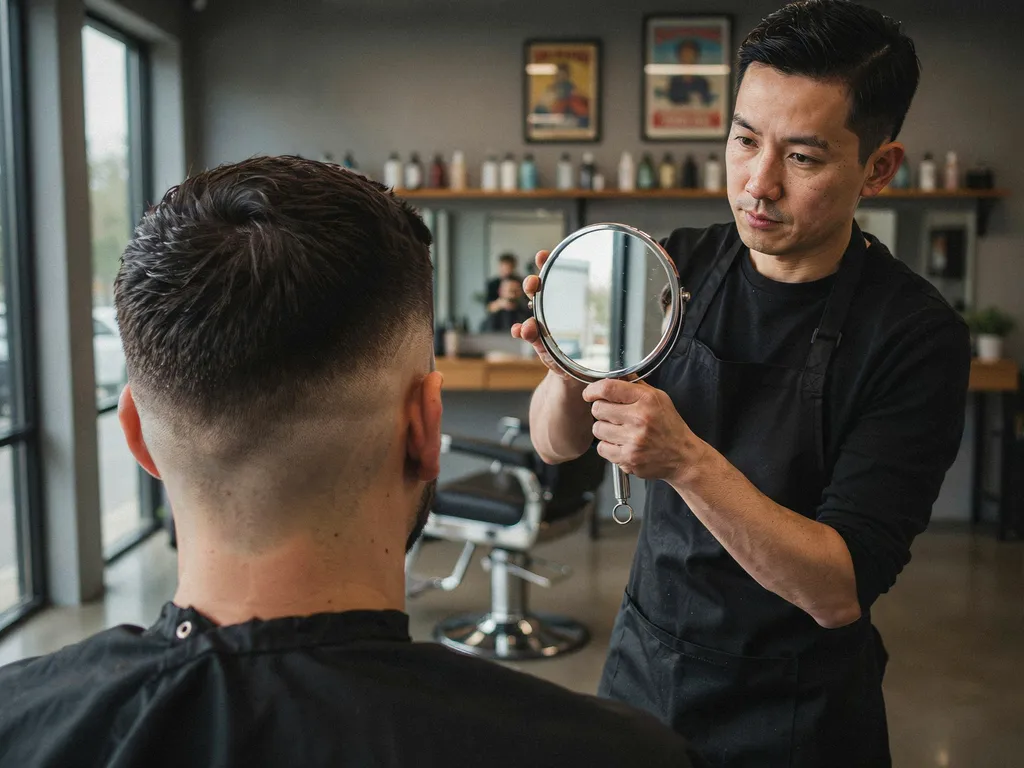
Ask your barber for a hand mirror and turn side-on to the main mirror so you can see your own profile. This is the view other people see most in conversation, so it’s worth getting right.
How to ask your barber for the side you want
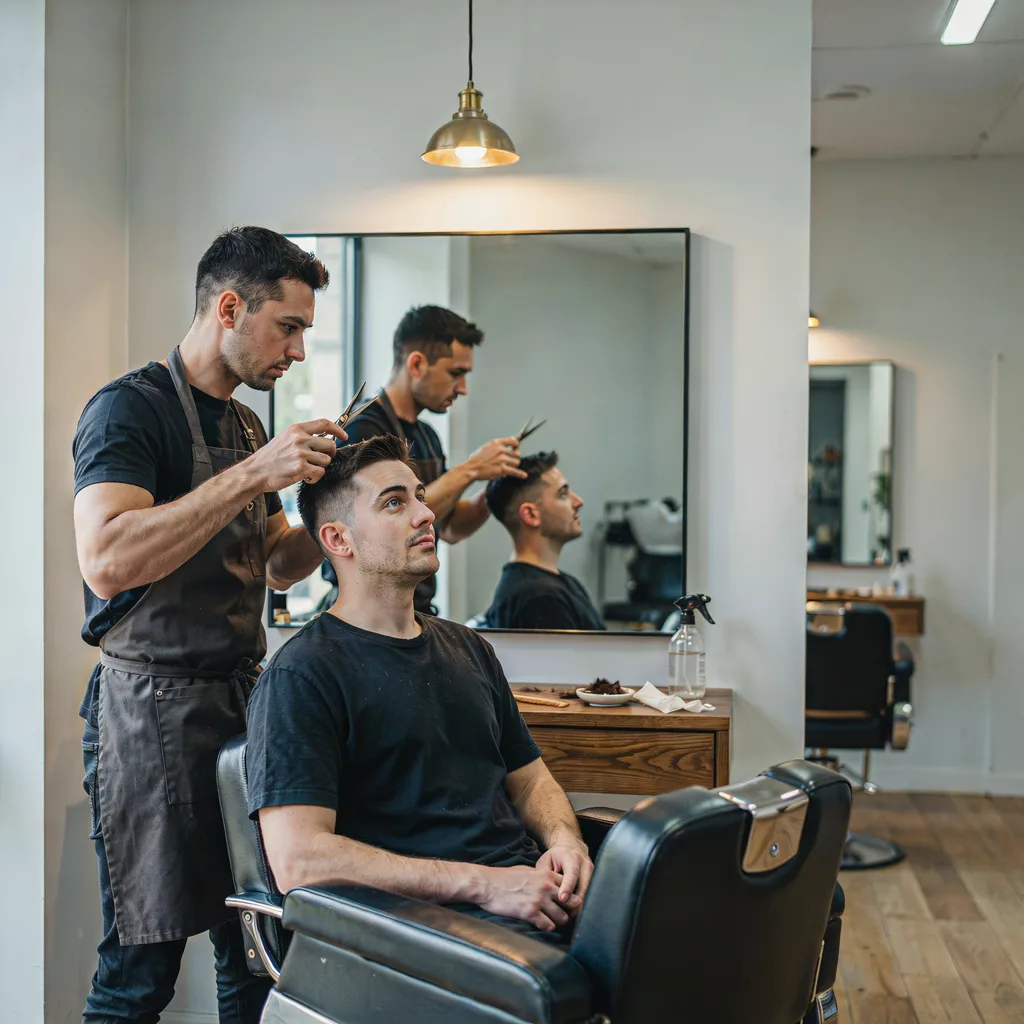
Describe the profile you’re after before the cut begins:
“I’d like a mid fade starting at temple level, blended cleanly around the ear, with a [blended / defined] sideburn — and keep [your top length] on top.”
If you want the fade to connect into a beard, say so up front so your barber plans the sideburn accordingly. Naming the starting height and the sideburn style gives you control over the exact profile you’ll walk out with.
The bottom line
From the side, a mid fade shows its true character: a fade line at temple level, a smooth blend down and around the ear, a clean sideburn, and a balanced frame for your face. It’s the signature angle of the cut and the best one for checking that your fade was done right.
Frequently asked questions
What does a mid fade look like from the side? From the side, a mid fade shows the fade line starting at temple level, about 1 to 2 inches above the ear, blending smoothly down and around the ear to the neckline, with full length kept on top.
How does a mid fade handle the sideburn? On a mid fade the sideburn is usually blended so it flows into the fade for a seamless profile, though it can be left slightly more defined if the cut connects into a beard.
How can I tell a mid fade from a high fade in profile? In profile, a mid fade’s fade line sits around temple level and keeps some length on the upper side, while a high fade’s line starts near the crown and exposes much more of the side.
Why does the side of my fade look uneven near the ear? Uneven hair near the ear usually means the blend around it wasn’t smoothed out. A good barber fades cleanly around the top and back of the ear with no tufts or lines.
Which angle should I check first after a fade? The side profile. It shows exactly where the fade starts, how smooth the blend is, and how clean the ear and sideburn are, all in one view.
About the Author
Daniel Reyes got his first mid fade almost by accident. He asked his barber for “just a fade” and got one that started right at temple level. It became the cut he kept going back to, so he built mid-fade.com to cover it properly instead of burying it in generic fade lists.