Pros and Cons of a Mid Fade: Is It the Right Haircut for You?


Quick answer: The mid fade’s biggest pros are its versatility, modern look, and broad compatibility with almost every face shape and hair type. Its main cons are the maintenance commitment — it needs a barber visit every 2 to 3 weeks to stay sharp — and the slightly higher cost and skill requirement compared to a basic haircut. For most men, the pros far outweigh the cons, which is why it is the world’s most-requested fade.
Knowing a haircut looks good is one thing. Knowing whether it fits your actual life — your schedule, your budget, your hair, your workplace — is another. This guide gives you an honest, complete breakdown of everything that works in the mid fade’s favour and everything that works against it, so you can make the right call.
The pros of a mid fade

1. It suits almost every face shape One of the strongest arguments for the mid fade is how broadly it flatters. Because the fade starts at temple level — in the middle of the head — it neither elongates nor widens the face. Round, oval, square, and heart-shaped faces all carry it well, with minor adjustments to the top length to fine-tune the proportions. Very few haircuts can make that claim. For more on placement and why it matters, see our complete Mid Fade Haircut guide.
2. It works with every hair type Straight, wavy, curly, thick, fine, coarse, afro-textured — the mid fade adapts to all of them. The fade technique is applied to the sides regardless of texture, and the top is styled to suit whatever you have. This universality is rare. See best fades for curly hair and mid taper fade for Black men for specific hair-type guidance.
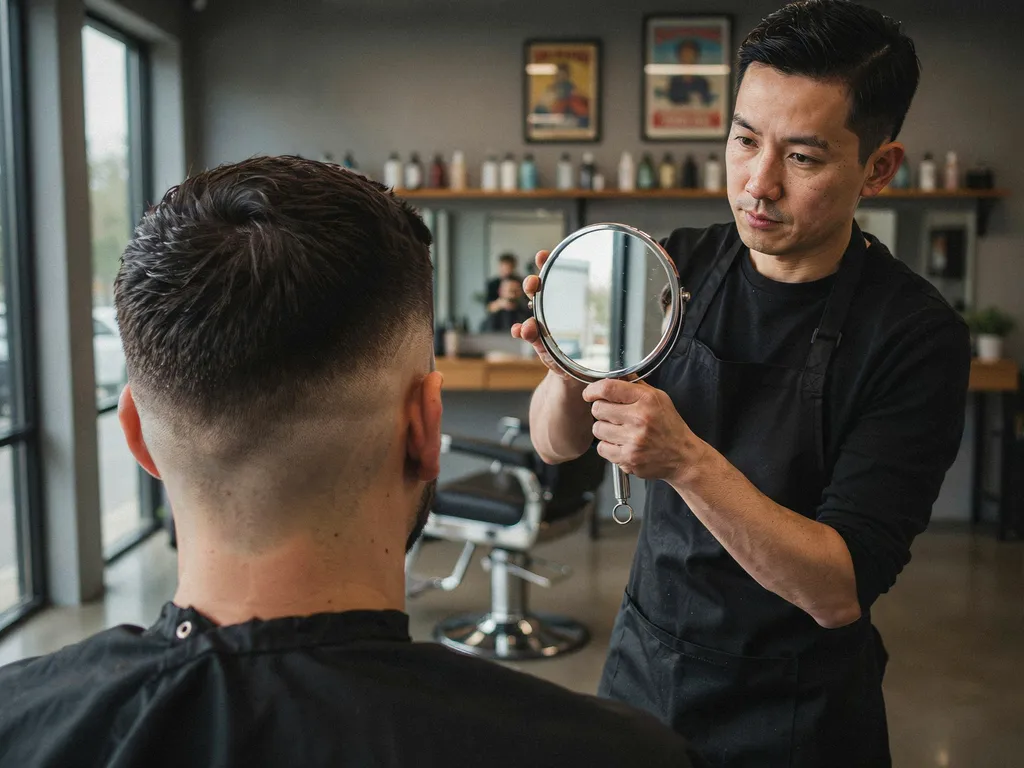
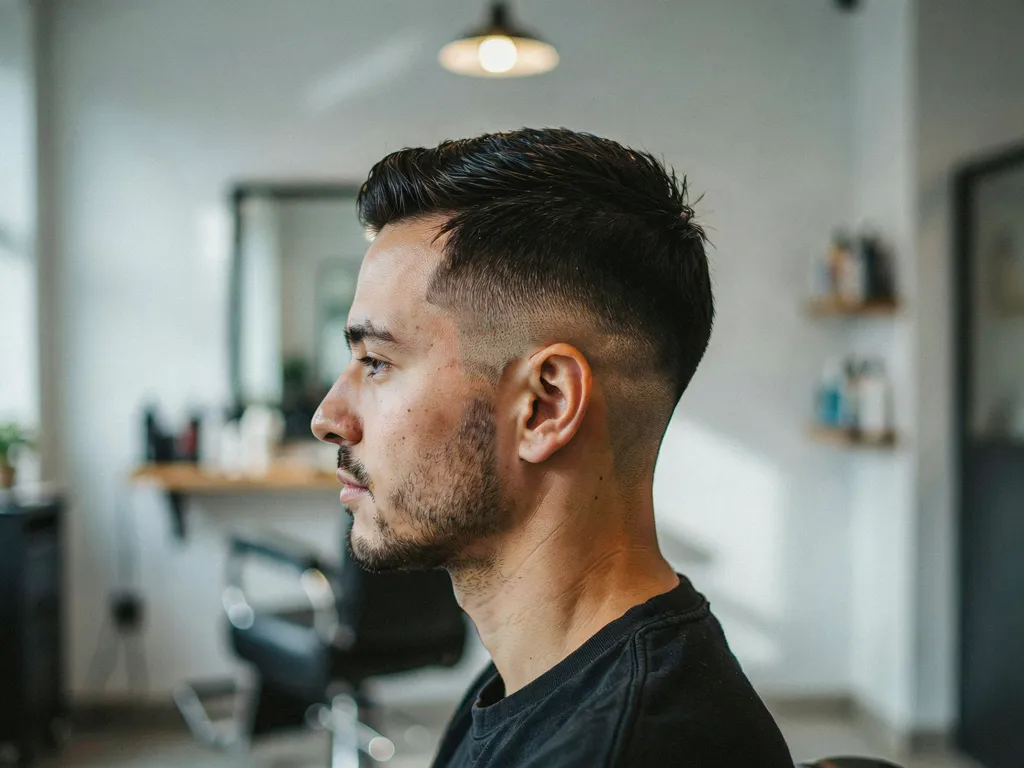
3. It looks sharp and modern The deliberate contrast between the faded sides and the styled top is what makes a mid fade look intentional and well-groomed in a way that a basic trim simply does not. It signals that you care about your appearance without being over-the-top. In a world where first impressions matter, a clean mid fade does a lot of quiet work.
4. It pairs with almost any style on top The mid fade is a base, not a complete look — and that base is compatible with an enormous range of top styles. A textured crop, a slick back, a comb over, a fringe, a buzz cut, braids, curls, waves — all work. You can change your top style completely without changing the fade.
5. It suits both casual and formal settings Unlike some more extreme cuts, a mid fade is appropriate in most workplaces, including conservative ones, when paired with a neat top style. It reads as well-groomed and professional. On weekends with a messier top, the same cut looks relaxed and modern. That dual-setting versatility is one of its strongest practical advantages.
6. It photographs and looks great on camera The contrast between the faded sides and the longer top reads clearly in photos and video, which matters in an era where most people are documented constantly — social media, video calls, interviews. A mid fade looks intentional and sharp at any resolution.
7. It is a widely understood, standard cut Walk into almost any barbershop in the world and ask for a mid fade — the barber will know exactly what you mean. There is no risk of interpretation. It is a globally understood standard, which means consistent results wherever you travel.
The cons of a mid fade
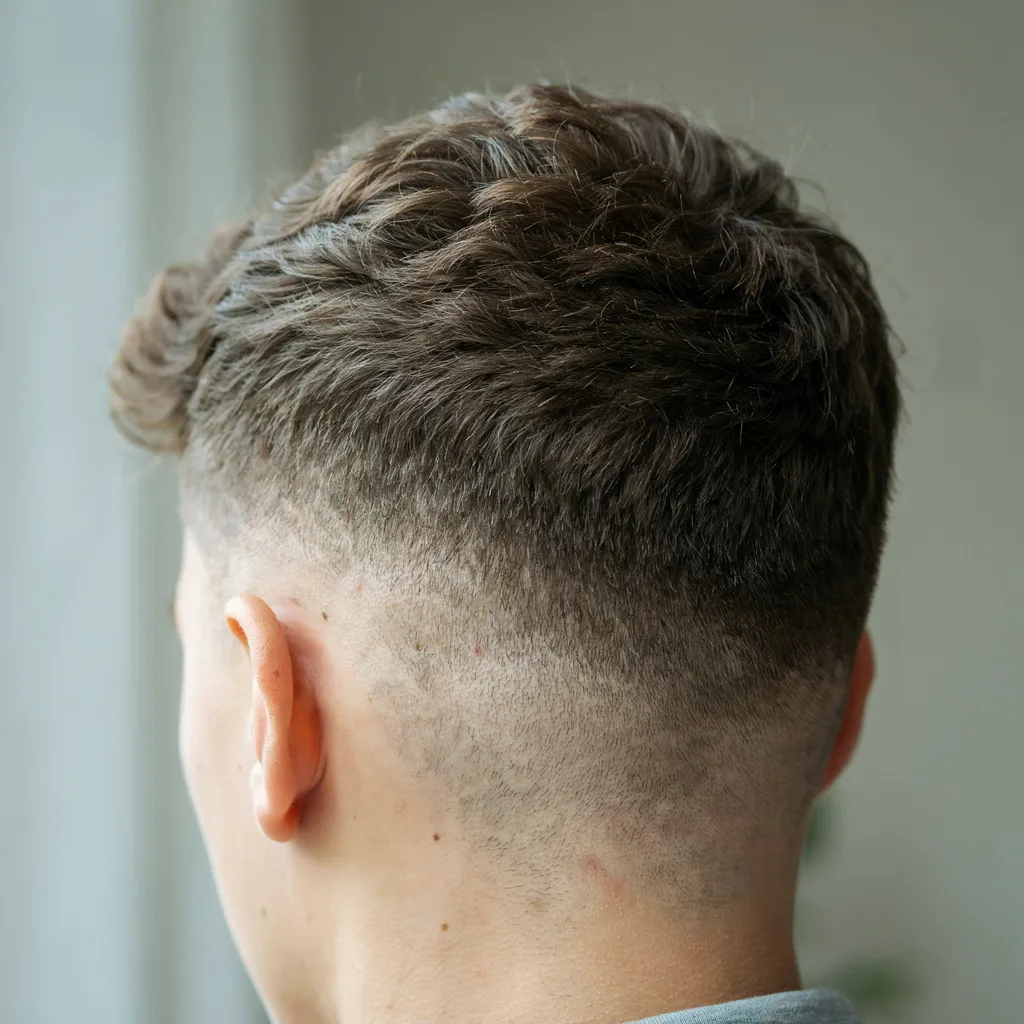
1. It needs frequent maintenance This is the biggest practical downside. A mid fade looks its sharpest in the first week after a cut. By week two, regrowth starts to soften the fade line. By week three or four, the gradient loses its definition and the cut starts to look grown-out rather than intentional. To keep a mid fade looking proper, most men need a barber visit every 2 to 3 weeks — more often than a regular haircut, which can go 4 to 6 weeks without looking rough.
2. It costs more over time Because you are visiting the barber more frequently, the annual cost of maintaining a mid fade is higher than a standard cut on a longer schedule. If you go every 2 to 3 weeks versus every 5 to 6 weeks, you are paying for roughly twice as many cuts per year. Factor this into your budget before committing.
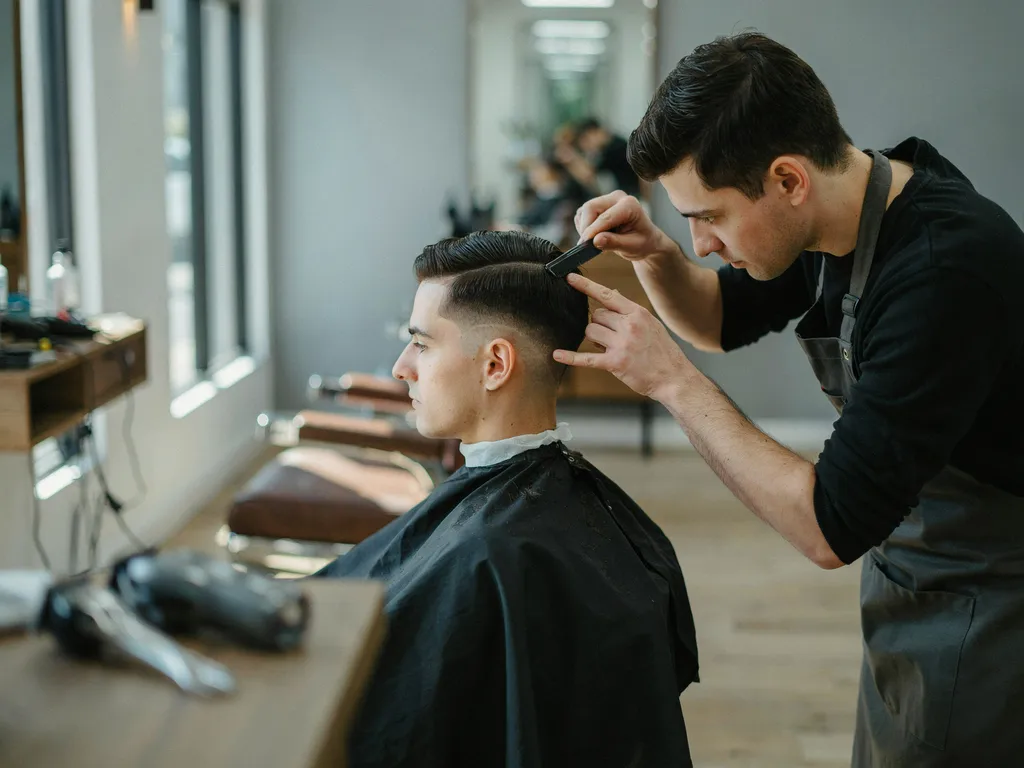
3. It requires a skilled barber A good mid fade is a technically demanding cut. The blending has to be smooth, the fade line has to be consistent around the entire head, and the graduation has to be seamless. A barber who is not confident with clipper fade technique can leave you with visible lines, uneven gradients, or a fade that starts at the wrong height. Finding a barber you trust and who executes fades well is important — and worth the extra effort.
4. It shows regrowth quickly Closely related to the maintenance point: a mid fade does not grow out gracefully the way a longer, softer cut does. As the sides grow, the clean gradient blurs and the contrast fades. After three to four weeks, most mid fades look noticeably grown-out. If you travel frequently or cannot get to a barber reliably, a softer mid taper fade grows out more naturally and stays presentable a little longer.
5. It is not ideal for every workplace While the mid fade is appropriate in most settings, some very conservative environments — certain legal, financial, or government roles — may still view a high-contrast fade as too casual. In those cases, a mid taper fade or a classic taper offers a similar look with a softer, more traditional finish that fits stricter dress codes more comfortably.
6. The depth choice adds complexity A mid fade is not one cut — it’s a family of cuts with different depths (skin, taper) and different shapes (drop, burst, temp). For a first-timer, the number of decisions involved can feel overwhelming: Where does it start? How short does it go? What shape? What on top? This is why our guide on how to ask your barber for a mid fade is worth reading before you go in.
Is the mid fade right for you?
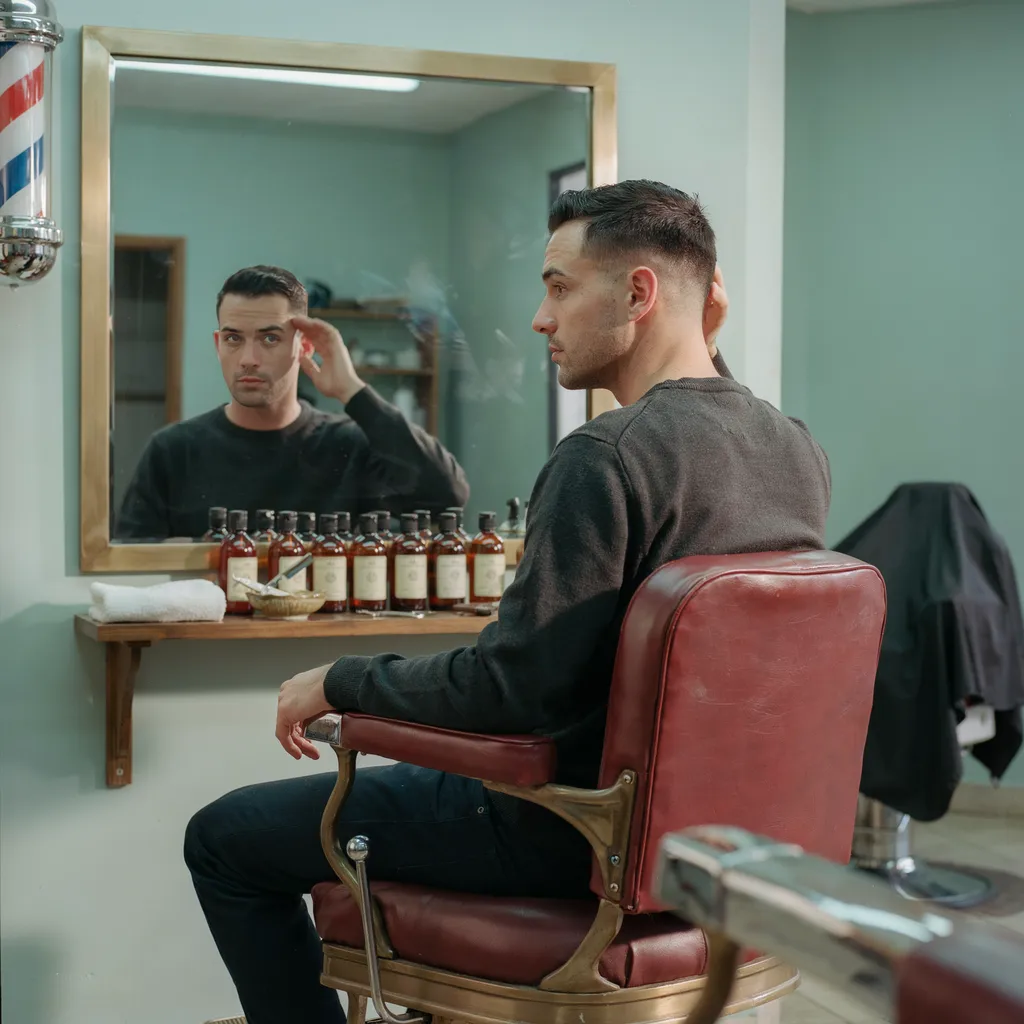
Yes, the mid fade is probably right for you if:
- You want a modern, sharp, well-groomed look.
- You can visit the barber every 2 to 3 weeks.
- Your budget accommodates more frequent cuts.
- You want a cut that works in multiple settings without changing anything but the top styling.
You might want to reconsider if:
- You prefer a low-maintenance cut you can neglect for a month.
- Your budget is tight and frequent barber visits are a strain.
- Your workplace has very strict, conservative grooming standards.
- You struggle to find a barber skilled in clipper fade technique in your area.
The bottom line
The mid fade’s pros — versatility, modern look, broad compatibility, dual-setting wearability — make it the most popular haircut in the world for good reason. Its cons are real but manageable: if you can commit to a regular barber schedule and find a skilled barber you trust, the maintenance becomes routine rather than burdensome. For most men, the mid fade is worth it.
Frequently asked questions
What are the pros of a mid fade? The main pros are that it suits almost every face shape and hair type, looks sharp and modern, pairs with virtually any style on top, works in both casual and professional settings, and is a universally understood standard cut.
What are the cons of a mid fade? The main cons are the maintenance frequency (every 2 to 3 weeks), the higher annual cost from frequent visits, the need for a skilled barber, and the fact that it shows regrowth quickly.
How often do you need to maintain a mid fade? A mid fade needs a barber visit every 2 to 3 weeks to keep the fade line sharp and the gradient clean. After 3 to 4 weeks, regrowth noticeably softens the fade.
Is a mid fade high maintenance? Compared to a longer regular haircut, yes. The fade line requires regular refreshing. However, many barbers offer a quicker, cheaper neckline and fade touch-up between full cuts to extend the life of the style.
Is a mid fade worth it? For most men, yes. The sharpness, versatility, and modern look of a mid fade outweigh the maintenance commitment, particularly if you can find a skilled barber and build a regular schedule.
About the Author
Daniel Reyes got his first mid fade almost by accident. He asked his barber for “just a fade” and got one that started right at temple level. It became the cut he kept going back to, so he built mid-fade.com to cover it properly instead of burying it in generic fade lists.